Gamma-H2AX

Papers on gamma-H2AX

398 papers13 new in 30 days

Tuesday, November 17

bioRxiv

Aging-like stress may amplify virus responses in human lung-like cells

In a lab experiment, human lung-like cells producing a protein linked to premature aging showed stronger inflammatory gene activity after SARS-CoV-2 infection.In a lab experiment, human lung-like cells producing a protein linked to premature aging showed stronger inflammatory gene activity after SARS-CoV-2 infection.
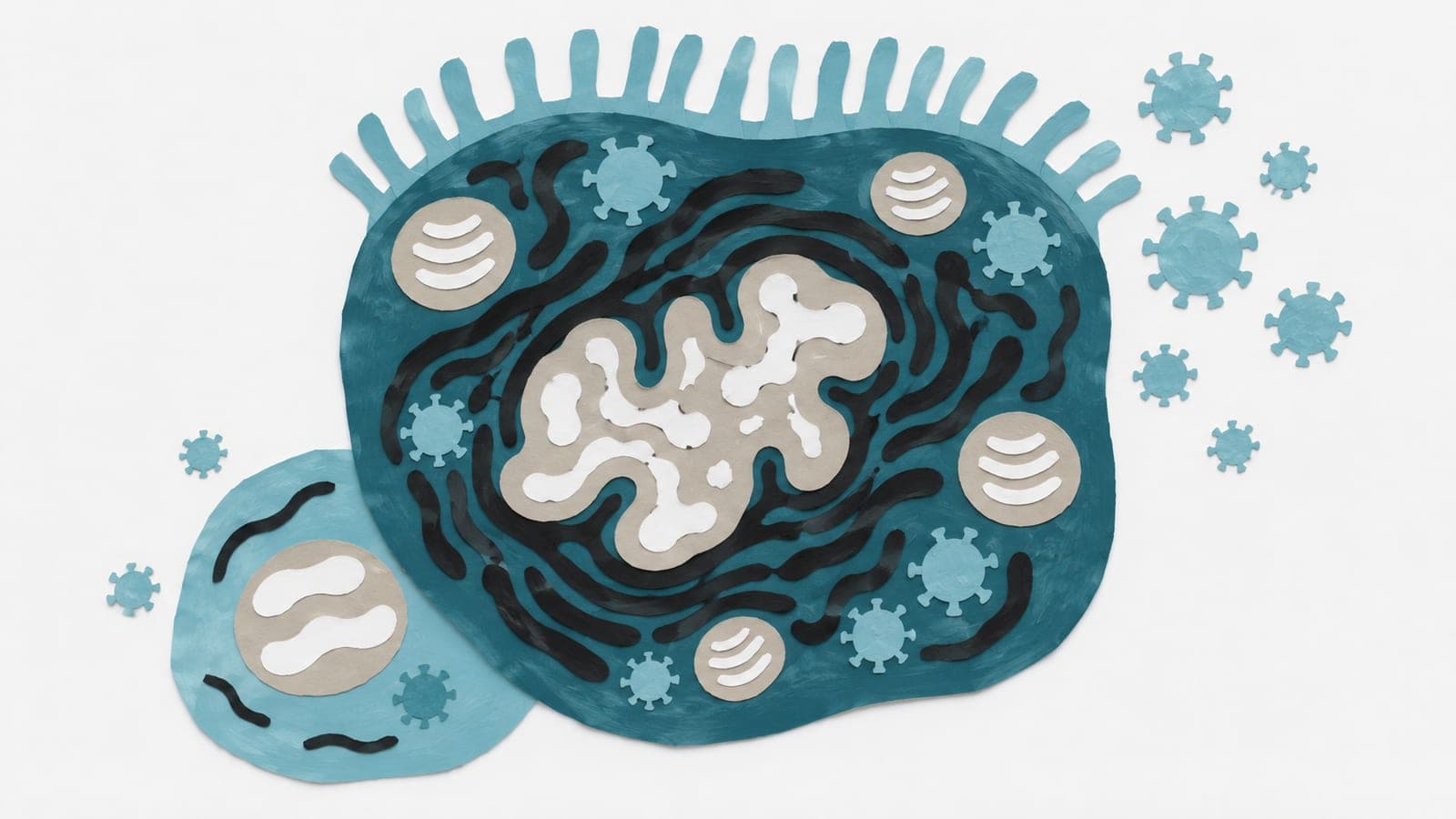
Lung-lining cells show a large stressed cell with a folded nucleus and dense viral particles beside a smaller cell with a smooth nucleus and fewer viruses.
Preprint: human cell studyDNA damage response

Monday, November 16

Cells

Cell-released particles reduce aging-linked signs in human cells

Stressed human heart-vessel lining cells showed fewer markers of senescence, a state in which cells stop dividing, after 48 hours of particle exposure in laboratory…Stressed human heart-vessel lining cells showed fewer markers of senescence, a state in which cells stop dividing, after 48 hours of particle exposure in laboratory experiments.

Figure from Cells
Human cell studyInterventions

Saturday, November 7

Monday, November 2

Saturday, October 31

Cell Death Discovery

Loss of a regulatory protein worsened bone loss in mice

Experiments found that mice lacking SIRT5, a protein that modifies other proteins, had poorer bone formation and more severe bone loss than normal mice.Experiments found that mice lacking SIRT5, a protein that modifies other proteins, had poorer bone formation and more severe bone loss than normal mice.

Figure from Cell Death Discovery
Mouse studyBones and joints

Thursday, October 29

Respiratory Research

Compounds reduced aging-related markers in human airway cells

Laboratory experiments in smoke-exposed airway cells from people with and without chronic obstructive pulmonary disease found that activating an antioxidant regulator…Laboratory experiments in smoke-exposed airway cells from people with and without chronic obstructive pulmonary disease found that activating an antioxidant regulator reduced senescence markers.

Figure from Respiratory Research
Human cell studyInterventions

Wednesday, October 28

Monday, October 26

Cells

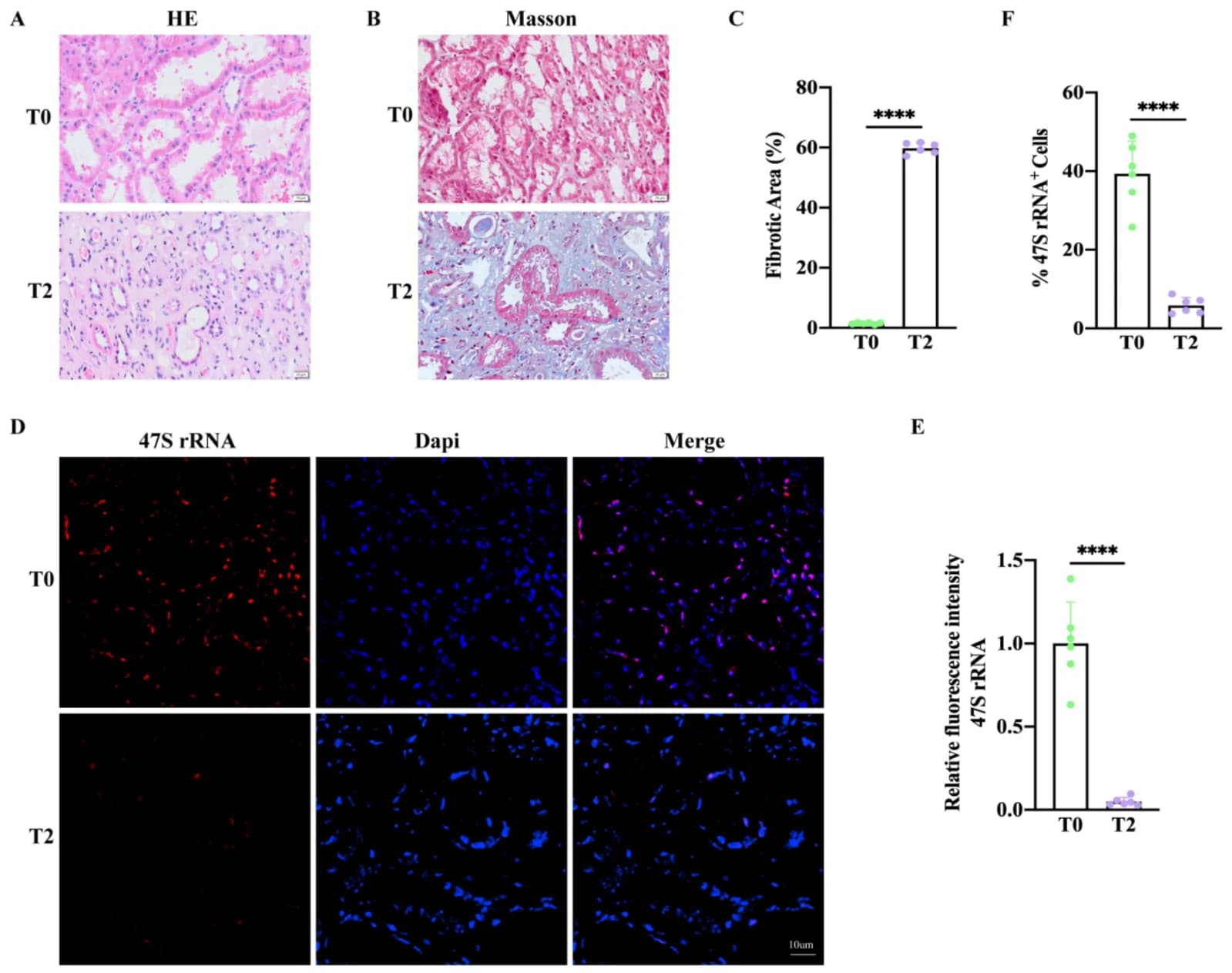
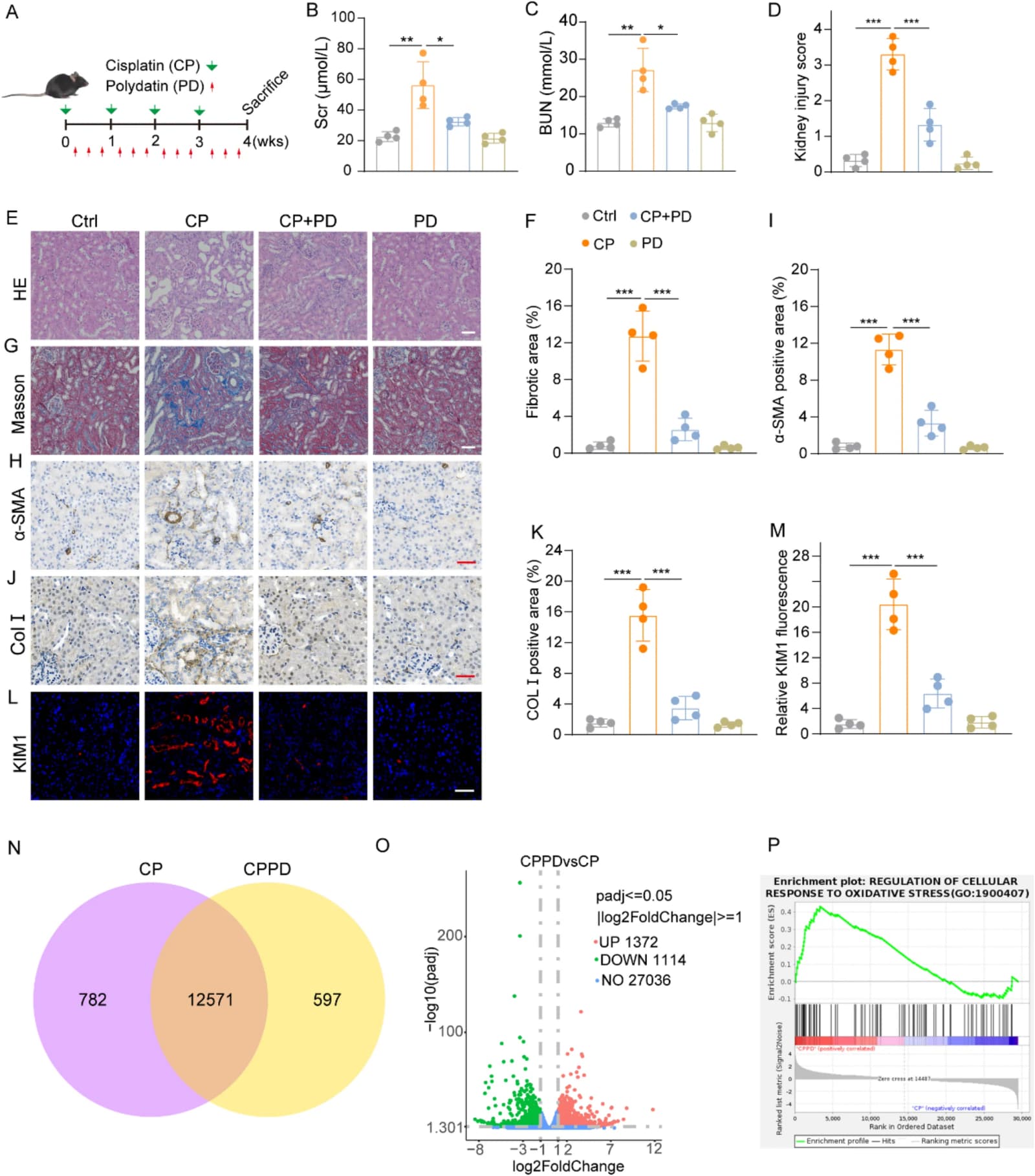
Blocking ribosome production caused kidney scarring in mice

In mouse experiments, a drug that blocked production of cells’ protein-making machinery caused kidney scarring before kidney function declined.In mouse experiments, a drug that blocked production of cells’ protein-making machinery caused kidney scarring before kidney function declined.

RiBi was suppressed in renal tissues from patients with CKD.
Mouse studyKidney
ESC Congress 2026 Abstract

Gut bacterium reduced artery plaque area in mice

Introducing the bacterium reduced blood cholesterol in mice fed a Western diet for eight weeks.Introducing the bacterium reduced blood cholesterol in mice fed a Western diet for eight weeks.

An aorta cutaway with sparse fatty plaques stands beside a mouse and a smaller artery cutaway with denser plaques narrowing its channel.

Saturday, October 24

Biochemical Pharmacology

Experimental peptide reduced diabetic kidney injury in mice

Experiments in diabetic mice linked the peptide’s kidney benefits to the breakdown of stored fat and reduced signs of cells entering a nondividing state.Experiments in diabetic mice linked the peptide’s kidney benefits to the breakdown of stored fat and reduced signs of cells entering a nondividing state.

Figure from Biochemical Pharmacology

Tuesday, October 20

The Journal of Investigative Dermatology

Melatonin reduced senescence markers in human skin cells

In human skin cell experiments, melatonin reduced the share of cells testing positive for a senescence marker by 38.5%–41.6%.In human skin cell experiments, melatonin reduced the share of cells testing positive for a senescence marker by 38.5%–41.6%.

Figure from The Journal of Investigative Dermatology
Human cell studyMelatonin

Wednesday, October 14

NPJ Aging

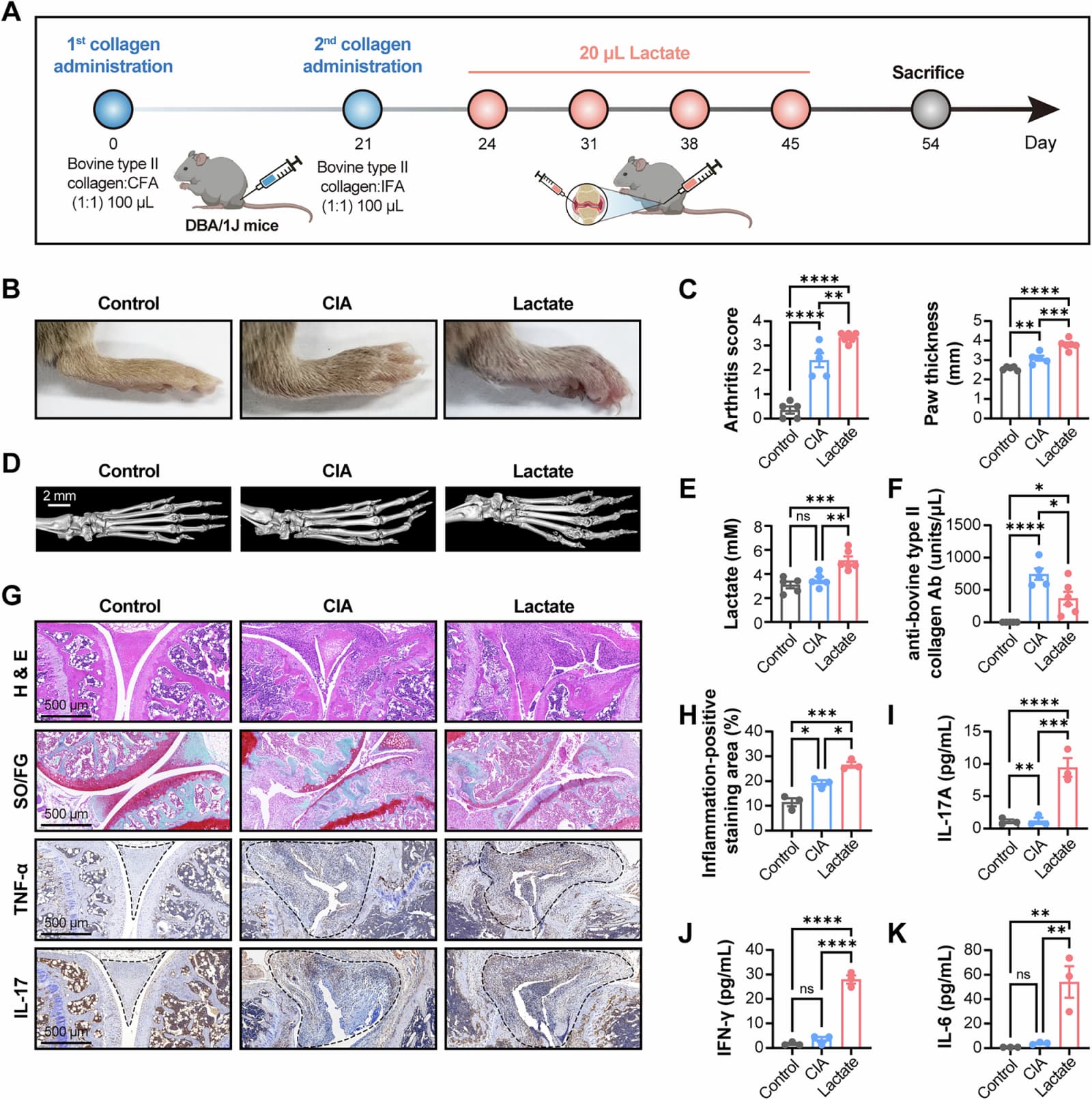
Lactate worsened arthritis and bone erosion in animals

In animals with induced arthritis, blocking lactate transport reduced disease progression more effectively than blocking the body's own lactate production.In animals with induced arthritis, blocking lactate transport reduced disease progression more effectively than blocking the body's own lactate production.

Figure from NPJ Aging
Animal studyBones and joints
Genome Research

Mouse neurons show different DNA changes in aging and disease

An experiment in mouse neurons found shared early DNA changes in aging and brain-disease models, but differences in which organizational features remained.An experiment in mouse neurons found shared early DNA changes in aging and brain-disease models, but differences in which organizational features remained.

Genome-scale changes in chromatin folding in aging and S6-KO mouse neurons.
Mouse studyMechanisms
Biochimica et Biophysica Acta Molecular Basis of Disease

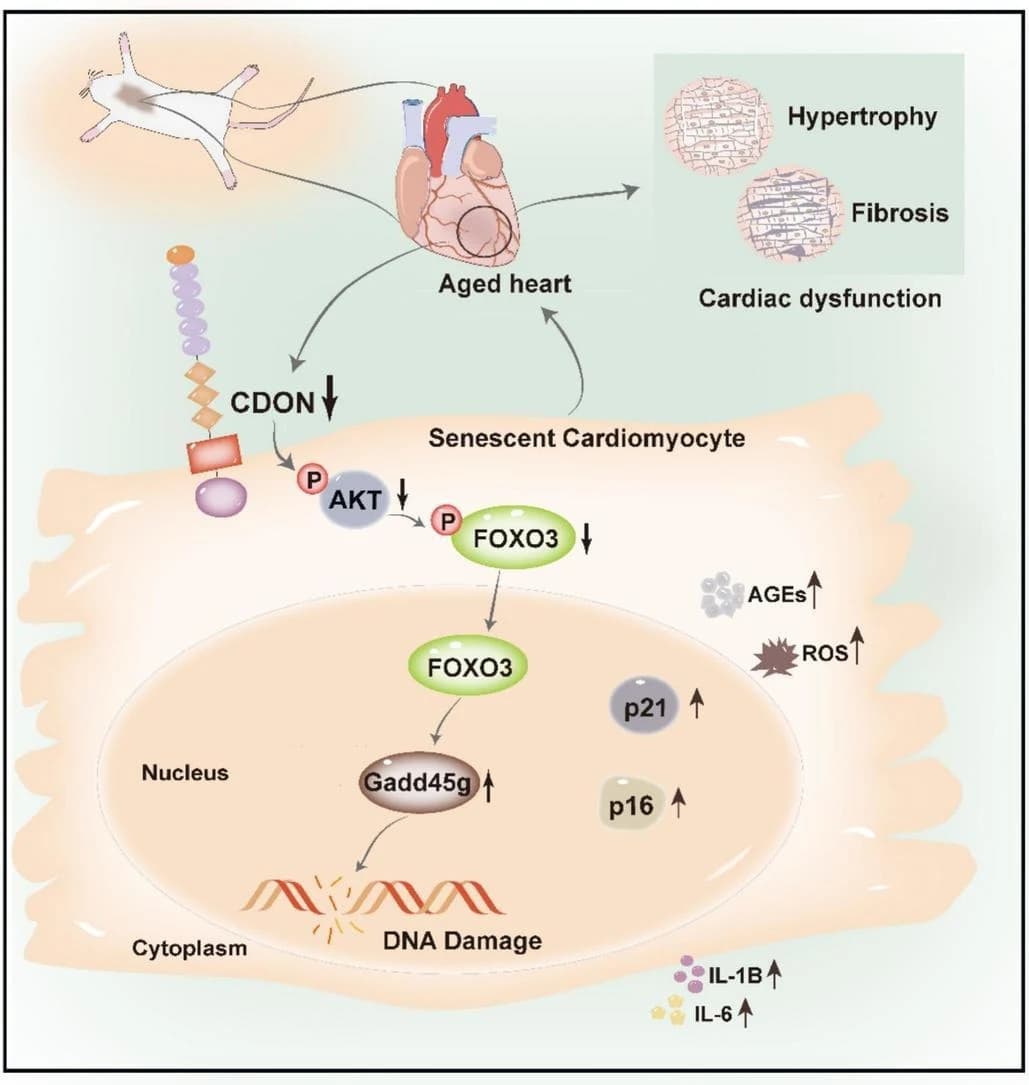
Low cell-attachment protein levels linked to heart aging in mice

Mice with one working copy of the protein’s gene had enlarged, scarred hearts and poorer pumping, resembling changes in aged mice.Mice with one working copy of the protein’s gene had enlarged, scarred hearts and poorer pumping, resembling changes in aged mice.

Figure from Biochimica et Biophysica Acta Molecular Basis of Disease
Mouse studyMechanisms

Wednesday, October 7

Aging Cell

Exercise or drugs improved heart function in aging mice

A nine-month randomized experiment in 12-month-old mice compared exercise (11 mice), two drugs (15), both (16) and natural aging (12); the interventions improved heart…A nine-month randomized experiment in 12-month-old mice compared exercise (11 mice), two drugs (15), both (16) and natural aging (12); the interventions improved heart performance.

Mice given aerobic exercise, senolytics, or both combined for 9‐months display superior myocardial function to naturally aged mice.
Experiments in miceAerobic exercise
NPJ Aging

Human protein variant eased signs of progeria in mice

An animal experiment in genetically engineered mice found that the variant prevented characteristic tissue changes and modestly increased median lifespan.An animal experiment in genetically engineered mice found that the variant prevented characteristic tissue changes and modestly increased median lifespan.

Figure from NPJ Aging
Experiments in miceInterventions

Tuesday, October 6

Wednesday, September 30

Wednesday, September 23

Sunday, September 13

Monday, August 31

Tuesday, August 25

Monday, August 24

Friday, August 21

Thursday, August 13

Wednesday, August 5

Saturday, August 1