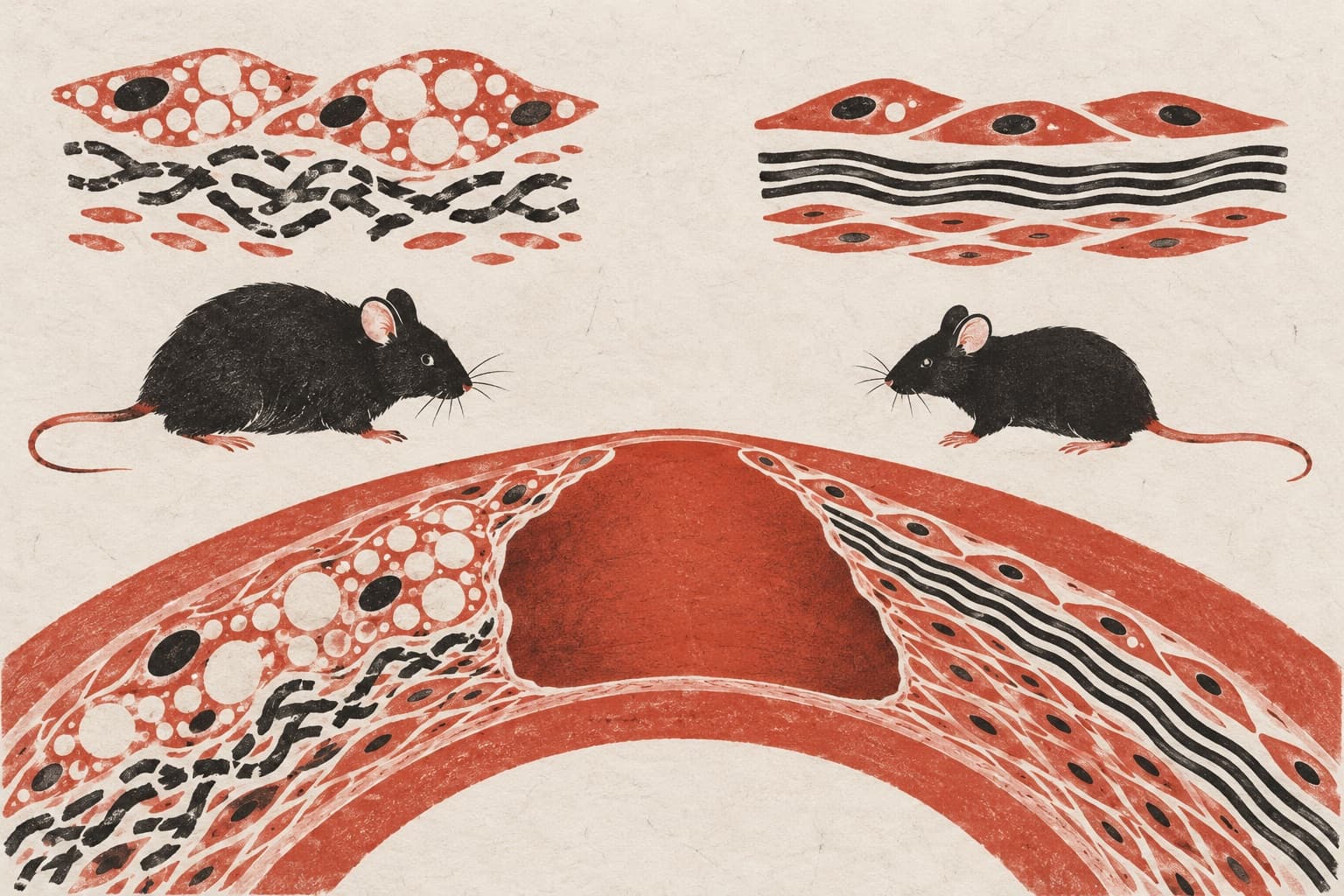
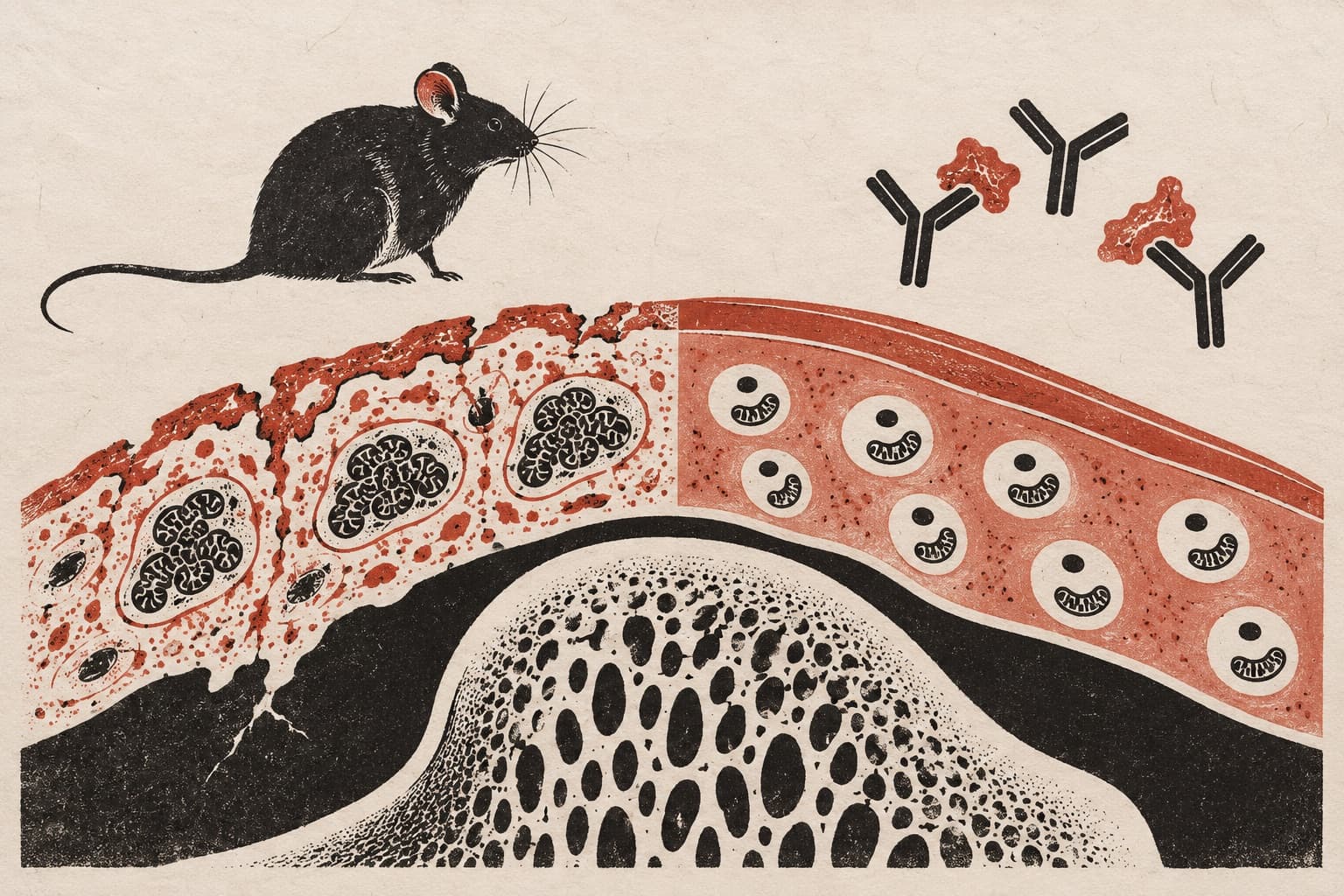
Lactate worsened arthritis and bone erosion in animals
In animals with induced arthritis, blocking lactate transport reduced disease progression more effectively than blocking the body's own lactate production.
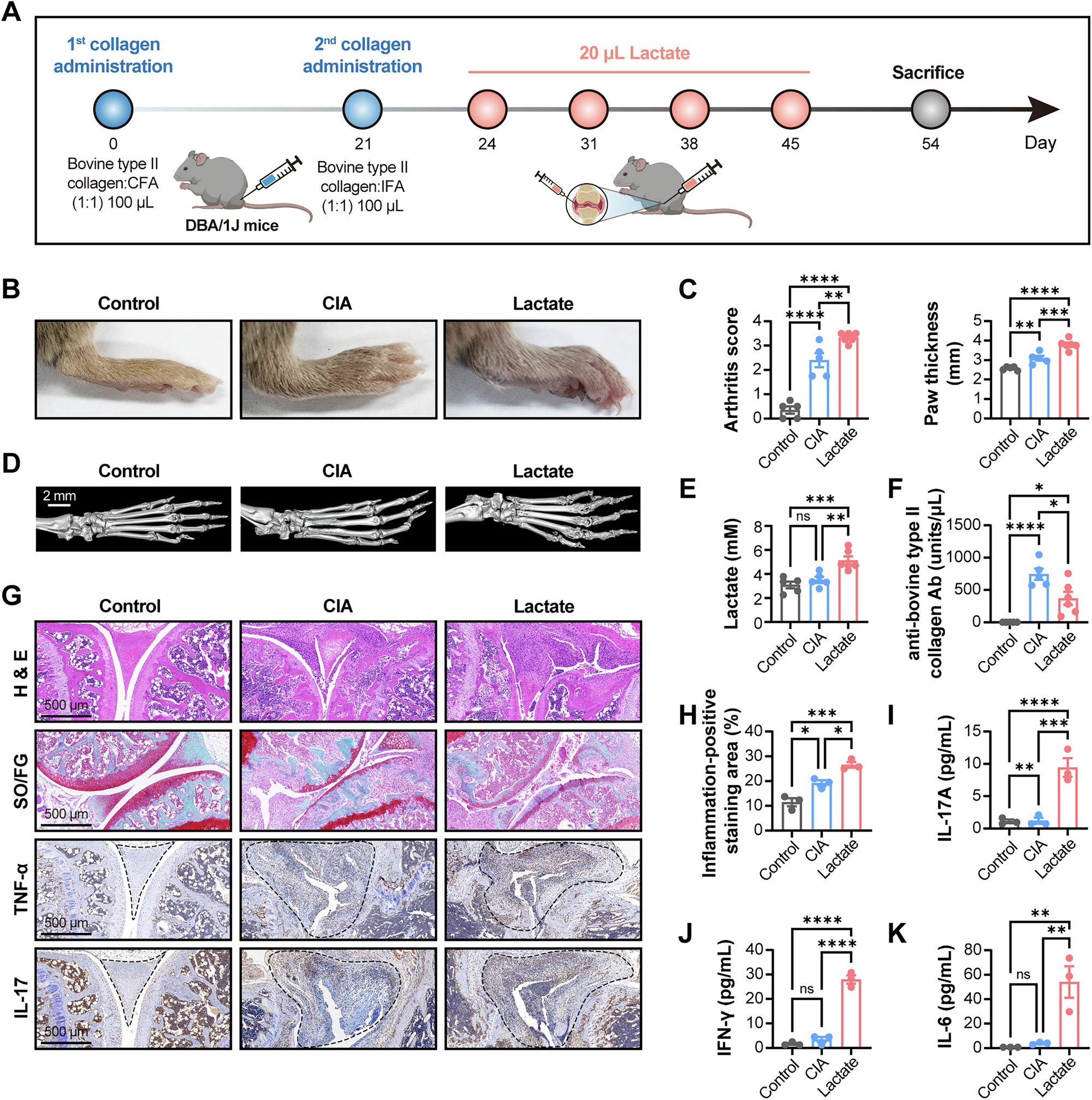
Researchers ran experiments in animals with collagen-induced arthritis, a model of rheumatoid arthritis, and in lab-grown CD4 T cells, a type of immune cell. Lactate, a molecule produced during metabolism, worsened arthritis and bone erosion in the animals.
In the cell experiments, lactate induced senescence, a state in which cells stop dividing. It expanded a harmful subgroup of T cells carrying PD-1, a cell-surface protein, by increasing FoxO1, a protein that controls gene activity. Reducing FoxO1 levels or blocking its activity abolished the lactate-induced rise in PD-1 and the senescence response. In the animals, blocking lactate transport reduced disease progression and senescence more effectively than inhibiting lactate production.
Why it matters
Rheumatoid arthritis involves premature aging of the immune system. The work points to lactate transport as a possible target for tackling T-cell senescence in this disease.
Caveats
The work used an induced animal model and lab-grown cells, not people with rheumatoid arthritis. The abstract did not specify the animal species or sample sizes.