Human protein variant eased signs of progeria in mice
An animal experiment in genetically engineered mice found that the variant prevented characteristic tissue changes and modestly increased median lifespan.
NPJ Aging
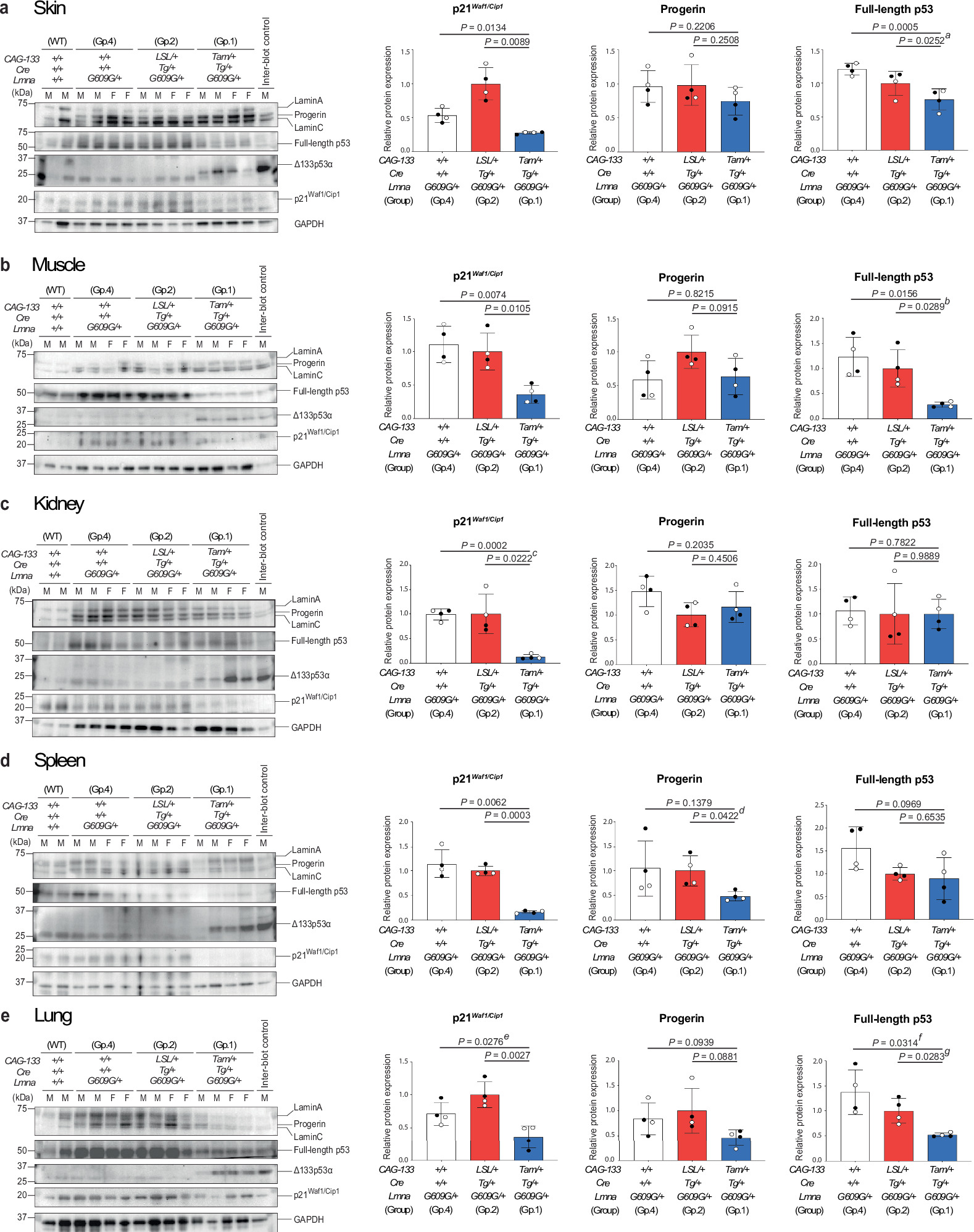
Researchers tested a human protein variant in mice modelling Hutchinson–Gilford progeria syndrome, a disease that causes premature aging. In this animal experiment, they genetically engineered the mice to produce Δ133p53α, a form of the p53 protein that inhibits senescence, a state in which cells stop dividing. Several tissues showed lower levels of a protein involved in senescence, an inflammatory protein and a marker of DNA breaks.
The variant also prevented characteristic tissue changes. It preserved muscle cells in the aorta, the body’s main artery, as well as the deeper skin layer and fat beneath it. It also preserved a marker associated with hair follicle stem cells. The variant reduced spinal hunching and modestly increased median lifespan.
Why it matters
The authors called for further investigation of this senescence-inhibiting protein variant for progeria and, potentially, natural aging.
Caveats
The main findings came from genetically engineered mice with progeria, so they do not show that the approach would work in people. Evidence in naturally aged mice was preliminary.
The paper
Δ133p53α, a senescence-inhibitory p53 isoform, attenuates accelerated aging in progeria mice
Yamada L, Liu H, von Muhlinen N et al.
NPJ Aging · 7 Oct 2026 · CC BY