Experimental peptide reduced diabetic kidney injury in mice
Experiments in diabetic mice linked the peptide’s kidney benefits to the breakdown of stored fat and reduced signs of cells entering a nondividing state.
Limit: The abstract omits sample sizes, doses, and treatment duration
Edited by Boris Djordjevic · AgingResearch.News
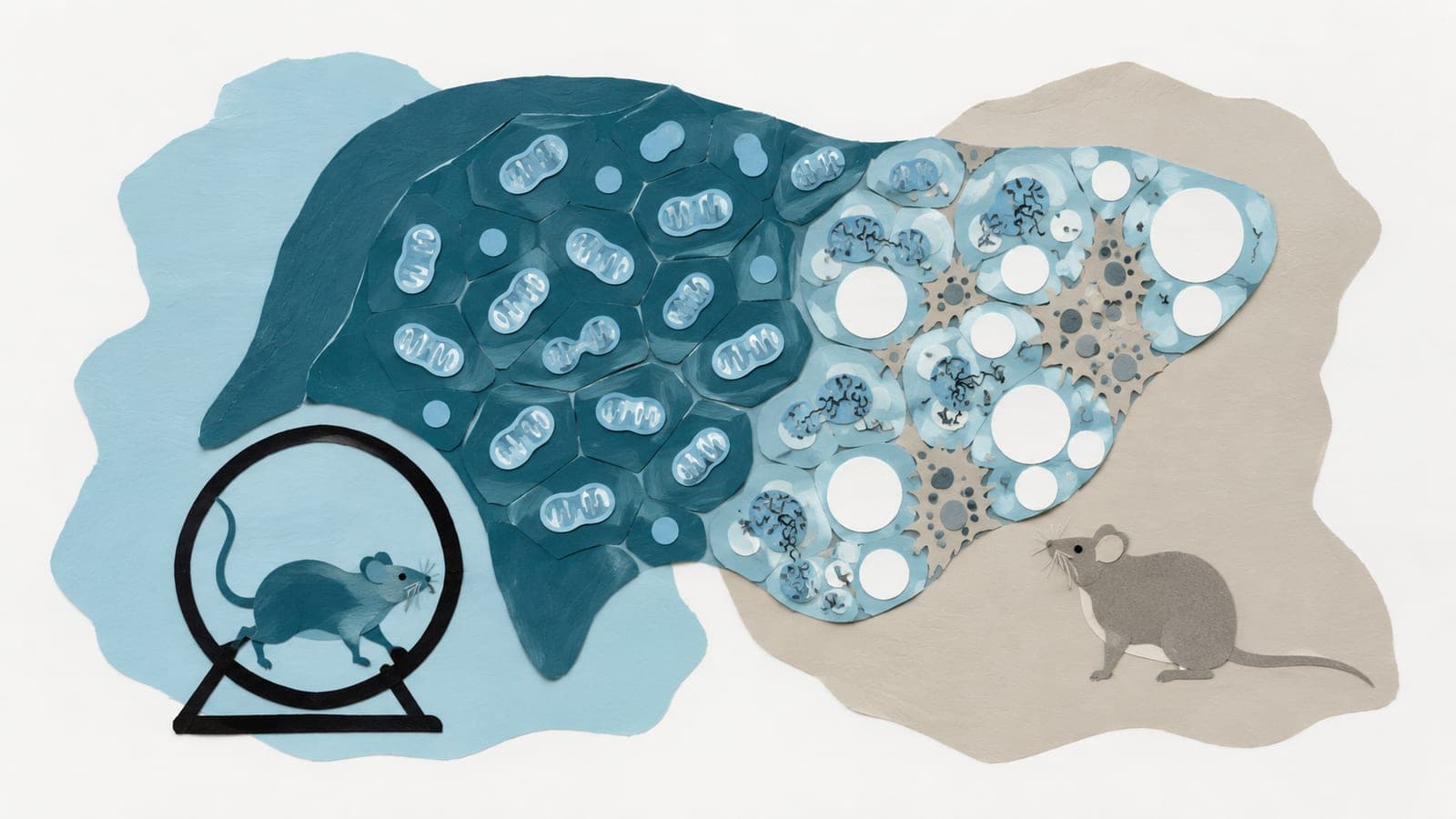
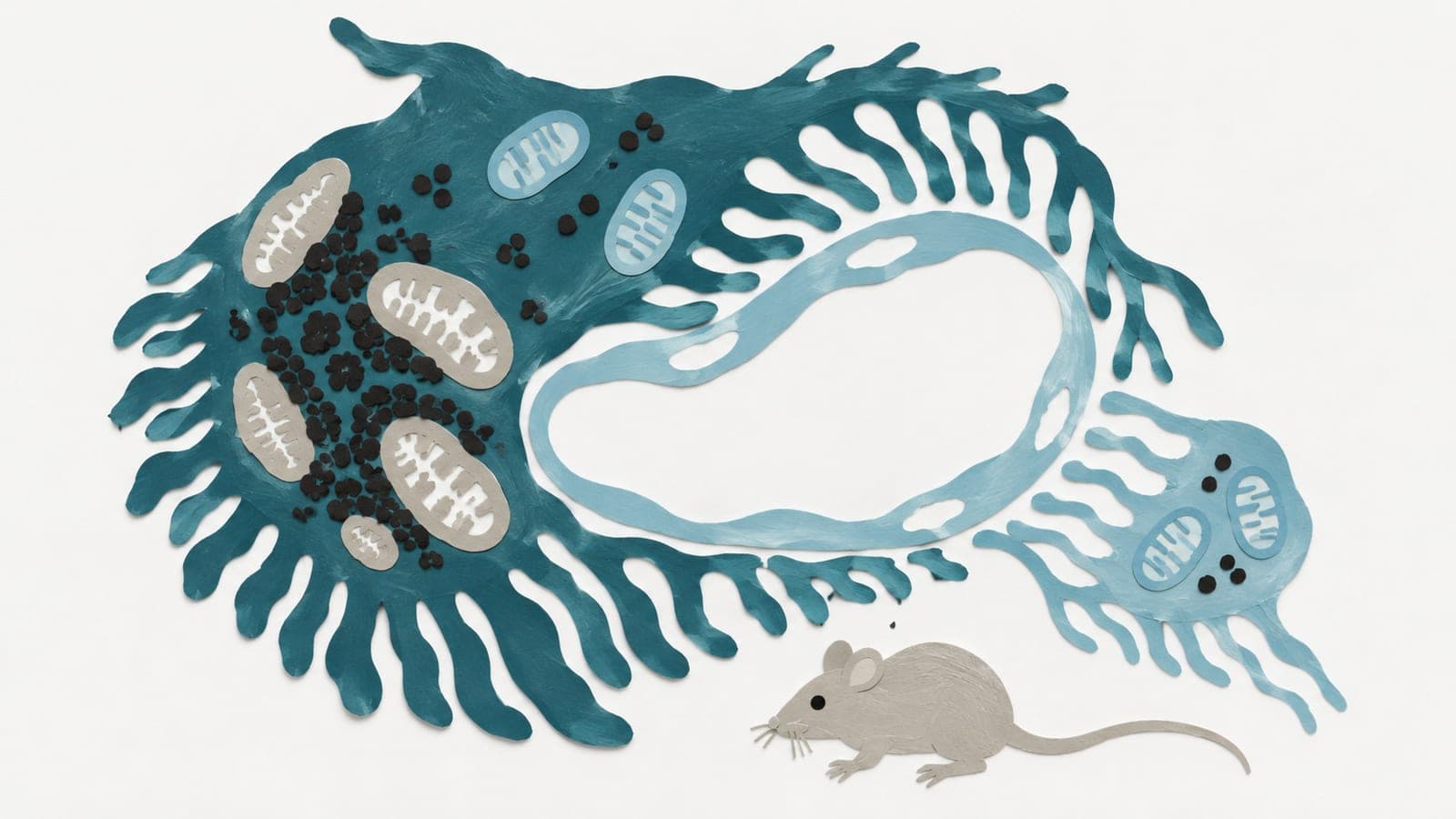
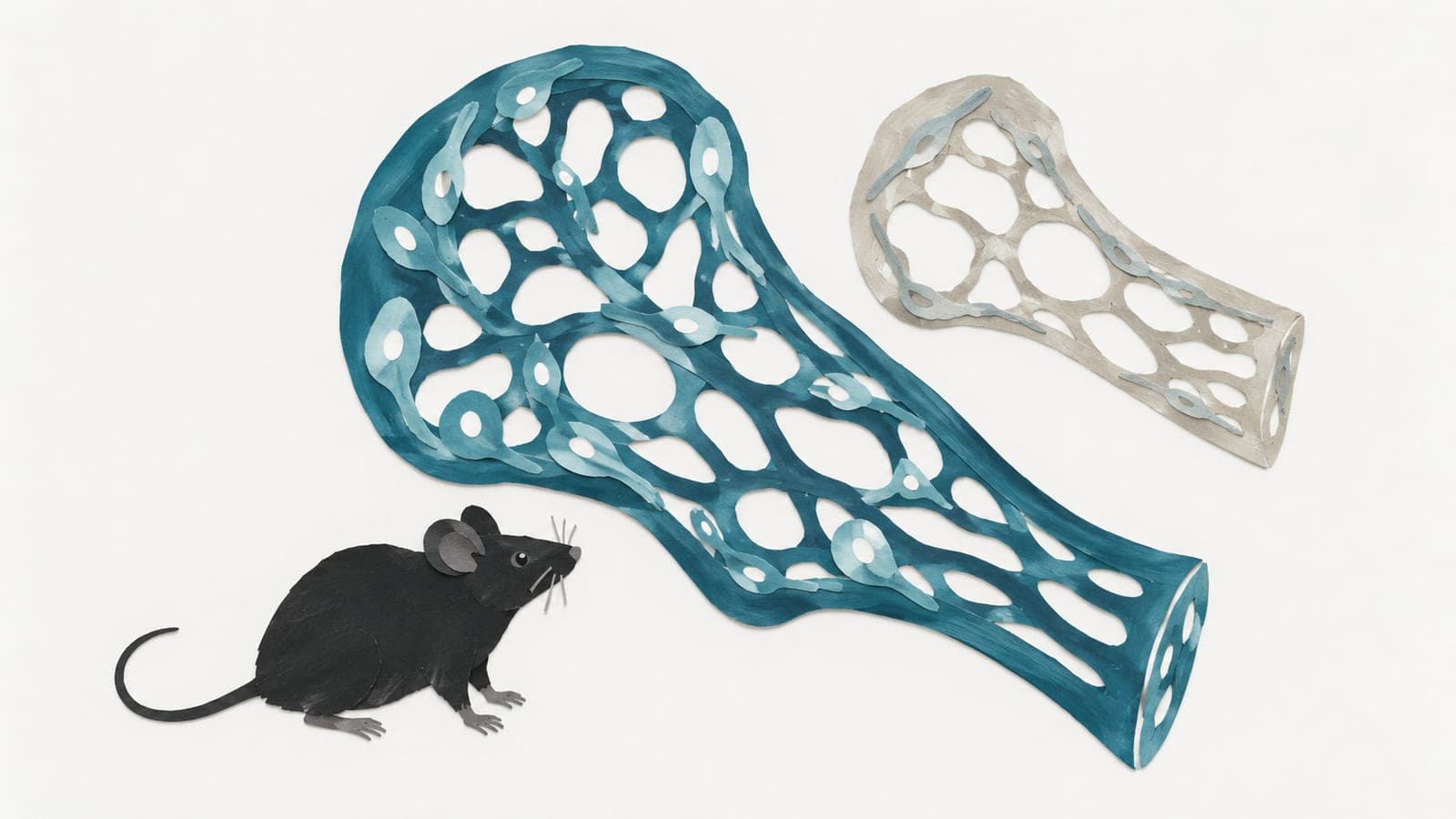
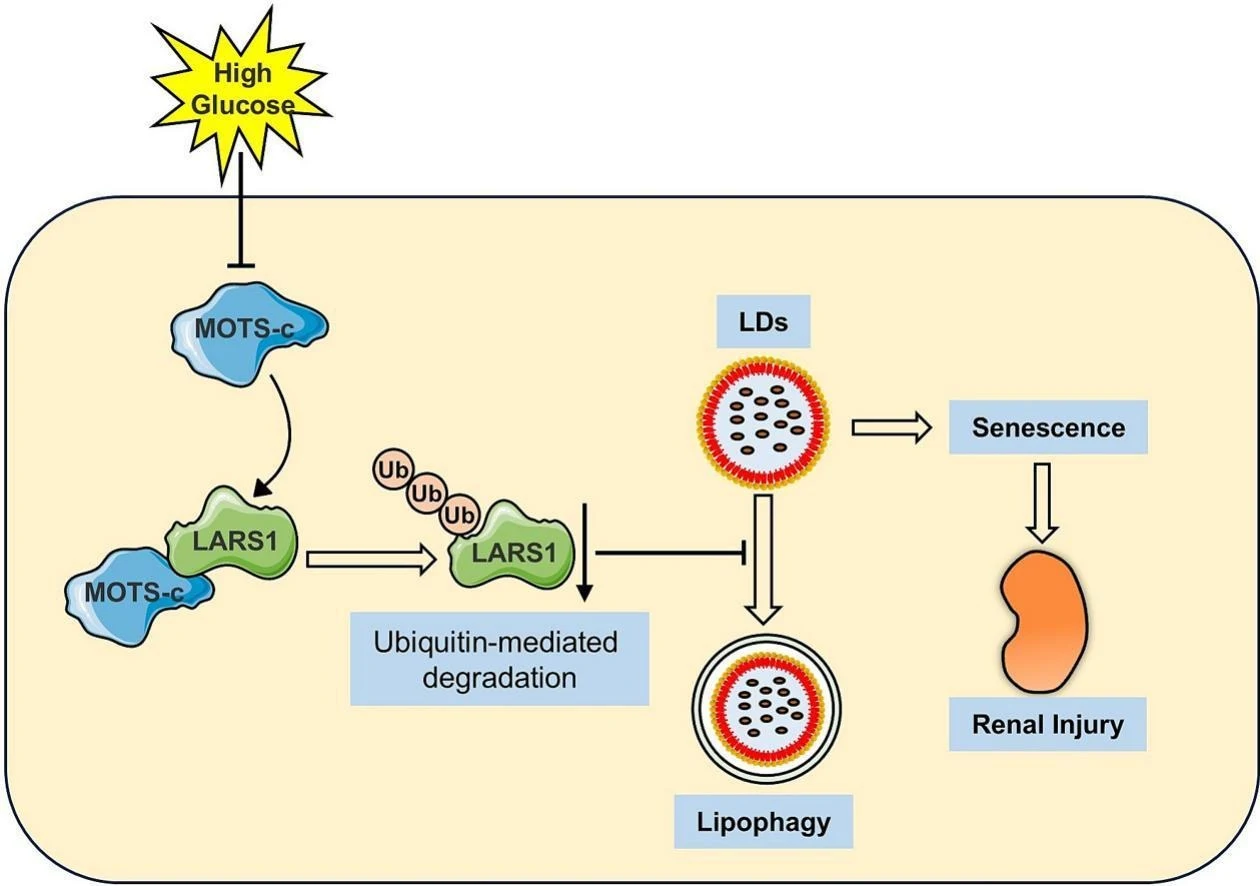
In experiments in db/db mice with diabetes, researchers tested a peptide—a short chain of protein building blocks—from mitochondria, the cell’s energy-producing structures. It reduced kidney tubule injury, fat deposits and the buildup of macrophages, a type of immune cell. Its effect on a urine measure of kidney damage depended on the dose. It also reduced signs of senescence, a state in which cells stop dividing.
The researchers linked these effects to lower levels of LARS1, a protein that restrains lipophagy, the process cells use to break down stored fat. Giving the mice a substance that inhibits cells’ recycling process largely reversed the kidney benefits.
Why it matters
Cellular senescence is the aging-related process at the center of this work. The researchers suggest that targeting its connection to fat breakdown may offer a strategy for diabetic kidney disease.
Caveats
The findings came from experiments in mice and lab-grown cells, not people. The abstract did not report sample sizes, doses or treatment duration.
The paper
The Second Xiangya Hospital; The Second Xiangya Hospital of Central South University
Biochemical Pharmacology, Oct 23, 2026