Low cell-attachment protein levels linked to heart aging in mice
Mice with one working copy of the protein’s gene had enlarged, scarred hearts and poorer pumping, resembling changes in aged mice.
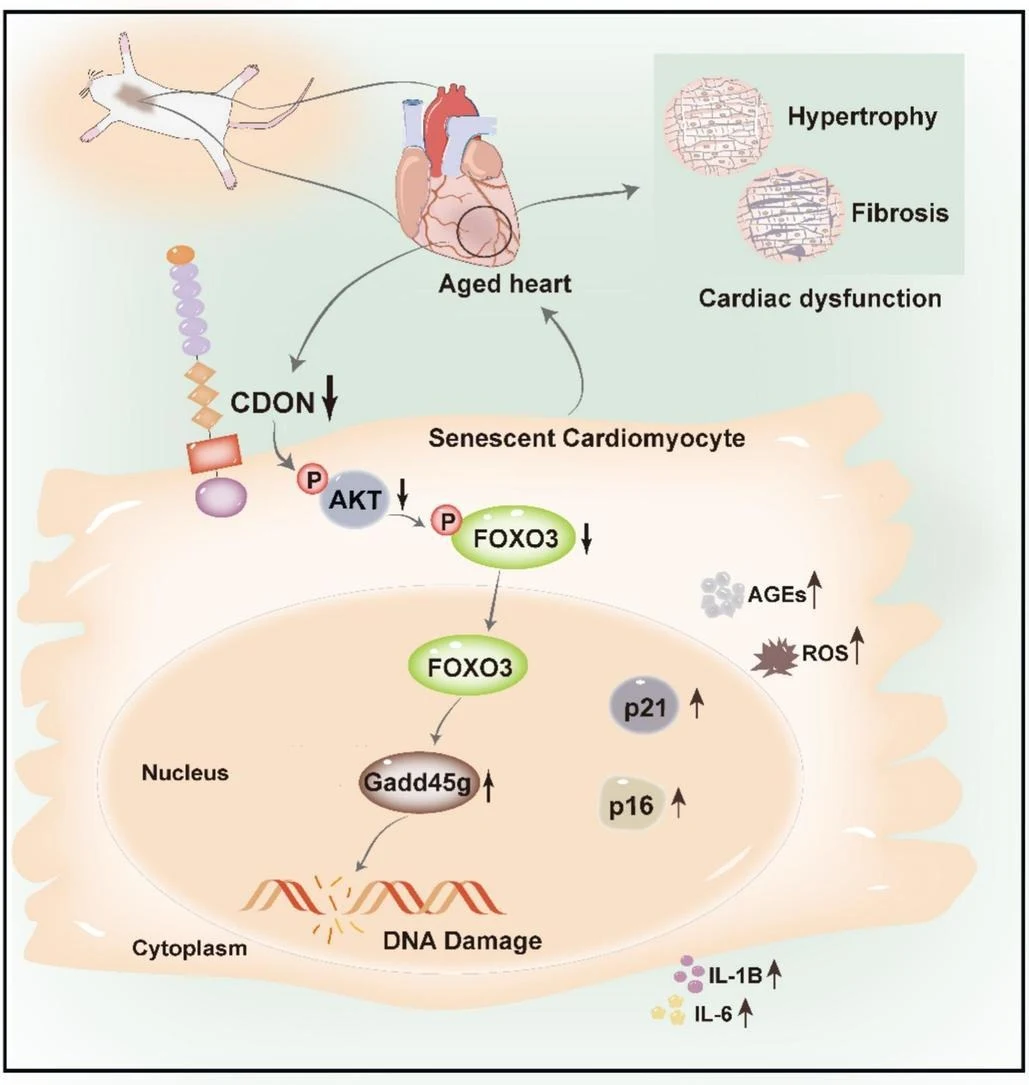
In experiments in mice and heart muscle cells, researchers examined a protein involved in cell attachment and its role in heart aging. Aged mice had less of the protein, alongside enlarged hearts, scarring and poorer pumping. Mice with one working copy of its gene had similar heart changes and higher levels of several markers of cell aging.
In heart muscle cells, reducing the protein increased markers of senescence, a state in which cells stop dividing. Increasing the protein in cells treated with the sugar D-galactose to induce senescence reduced features of this state. The researchers concluded that the protein may influence heart muscle cell senescence through a signalling chain that controls gene activity.
Why it matters
Age-related declines in heart structure and function raise questions about how individual heart cells contribute. Signals involved in cell senescence offer a possible route for investigating these changes.
Caveats
These animal and cell experiments cannot establish whether changing this protein would affect heart aging in people.
The paper
Loss of CDON aggravates age-related heart damage driven by compromised FOXO3 nuclear localization
Nanchang Medical College; Nanchang University
Biochimica et Biophysica Acta Molecular Basis of Disease, 13 Oct 2026