Drosophila melanogaster

Papers on Drosophila melanogaster

2,893 papers46 new in 30 days

Tuesday, November 17

ISME Communications

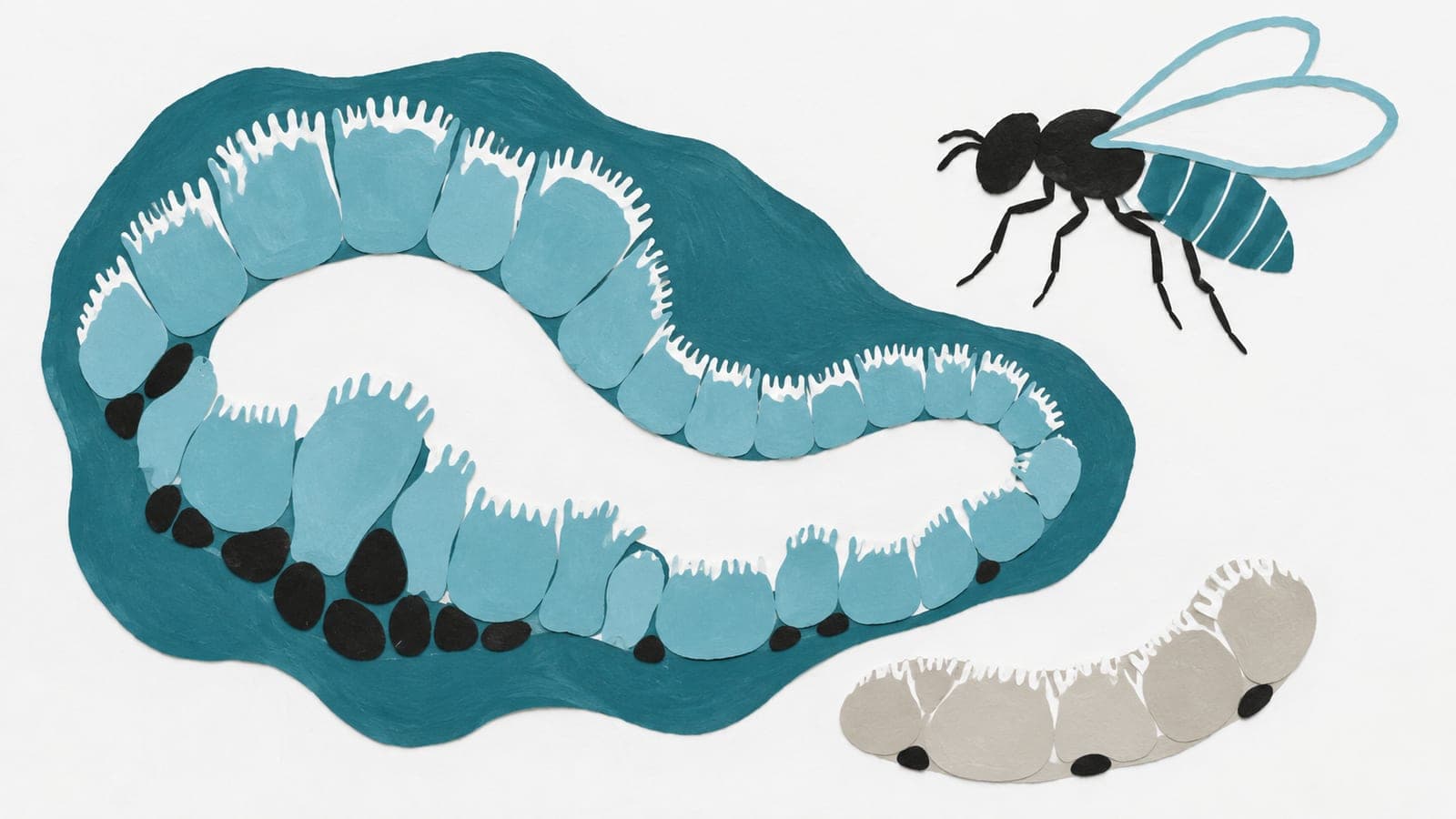
Gut bacteria generally shortened honey bee lifespan in the lab

A laboratory experiment tested all 32 combinations of five core gut bacterial species, finding greater lifespan costs as communities became more complex.A laboratory experiment tested all 32 combinations of five core gut bacterial species, finding greater lifespan costs as communities became more complex.

A fruit fly with spread wings sits beside a dark blue-green gut crowded with black flecks and a smaller gray gut with sparse contents.
Animal studyGut and microbiome

Monday, November 16

bioRxiv

Reducing a brain-development protein shortened life in flies

Experiments reducing Ankle2 in adult fly nerve cells also impaired movement and accelerated nerve-cell loss, suggesting a role in maintaining neurons as they age.Experiments reducing Ankle2 in adult fly nerve cells also impaired movement and accelerated nerve-cell loss, suggesting a role in maintaining neurons as they age.

Neurons with broken branches and dense tagged protein clusters sit beside intact neurons with sparse proteins and a magnified fruit fly.
Preprint: fly studyMechanisms
bioRxiv

Human egg-supporting cells show marked gene activity shifts with age

An observational map of human ovaries linked the menopausal transition to reduced DNA-repair activity and increased stress-response gene activity in cells that support…An observational map of human ovaries linked the menopausal transition to reduced DNA-repair activity and increased stress-response gene activity in cells that support eggs.

Ovarian egg-supporting cells surround an egg, with compact dark blue-green cells beside enlarged gray cells containing fragments and nearby droplets.
Preprint: cross-sectional studyMechanisms

Saturday, November 14

Research Square

Aging gene effects partly match from yeast to human cells

Two yeast lifespan measures shared regulators 1.7-fold more often than expected, but the direction of their effects agreed only 50% of the time.Two yeast lifespan measures shared regulators 1.7-fold more often than expected, but the direction of their effects agreed only 50% of the time.

Human cells with sparse and crowded interiors sit beside budding yeast, a curved worm, and a mouse.
Preprint: computational studyMechanisms

Friday, November 13

Journal of the American Society of Nephrology

Kidney-risk variants linked to depleted calcium stores in cells

In cell experiments, kidney-risk protein variants entered an internal membrane more readily than the comparison variant, while rapamycin reduced protein levels and cell…In cell experiments, kidney-risk protein variants entered an internal membrane more readily than the comparison variant, while rapamycin reduced protein levels and cell harm.

Endoplasmic reticulum membranes show dense proteins with sparse calcium beside fewer proteins with abundant calcium and a vesicle containing fragments.
Cell studyKidney
Nature Communications

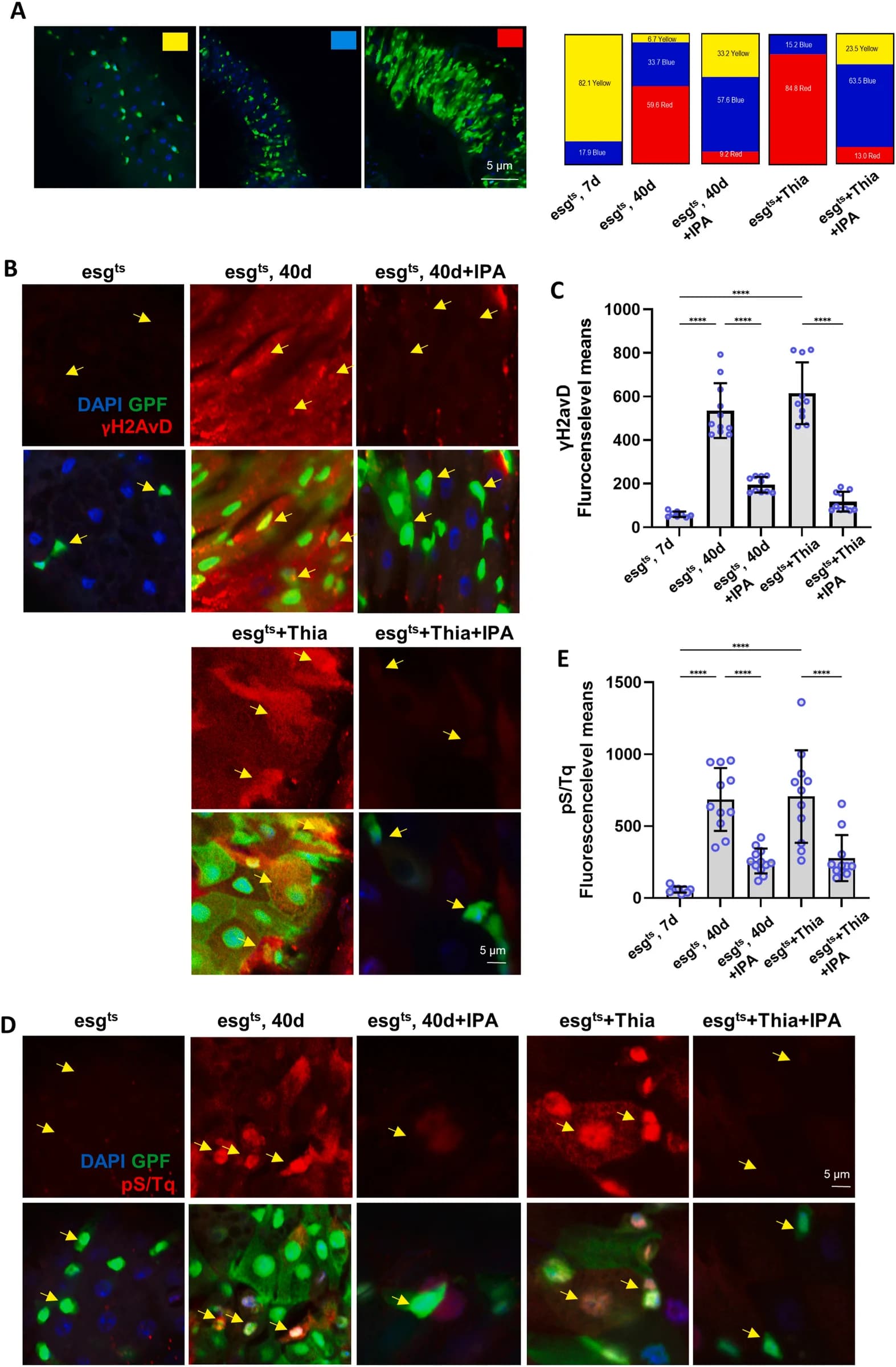
An energy backup’s failure marked nerve-cell decline in flies

Experiments in parkin-deficient flies found that a temporary backup for nerve-cell energy production weakened with age.Experiments in parkin-deficient flies found that a temporary backup for nerve-cell energy production weakened with age.

Figure from Nature Communications
Fly studyMechanisms
bioRxiv

Gut cell loss and repair wait for oxygen to return in flies

Low oxygen prepared gut cells to die and activated signals in stem cells in adult flies, but cell death and stem-cell division waited until oxygen returned.Low oxygen prepared gut cells to die and activated signals in stem cells in adult flies, but cell death and stem-cell division waited until oxygen returned.

Fruit fly gut lining with intact gray cells beside shedding cells and dividing stem cells, surrounded by oxygen molecules and a magnified fly.
Preprint: fly studyGut and microbiome

Thursday, November 12

Wednesday, November 11

Tuesday, November 10

Monday, November 9

Molecular Cell

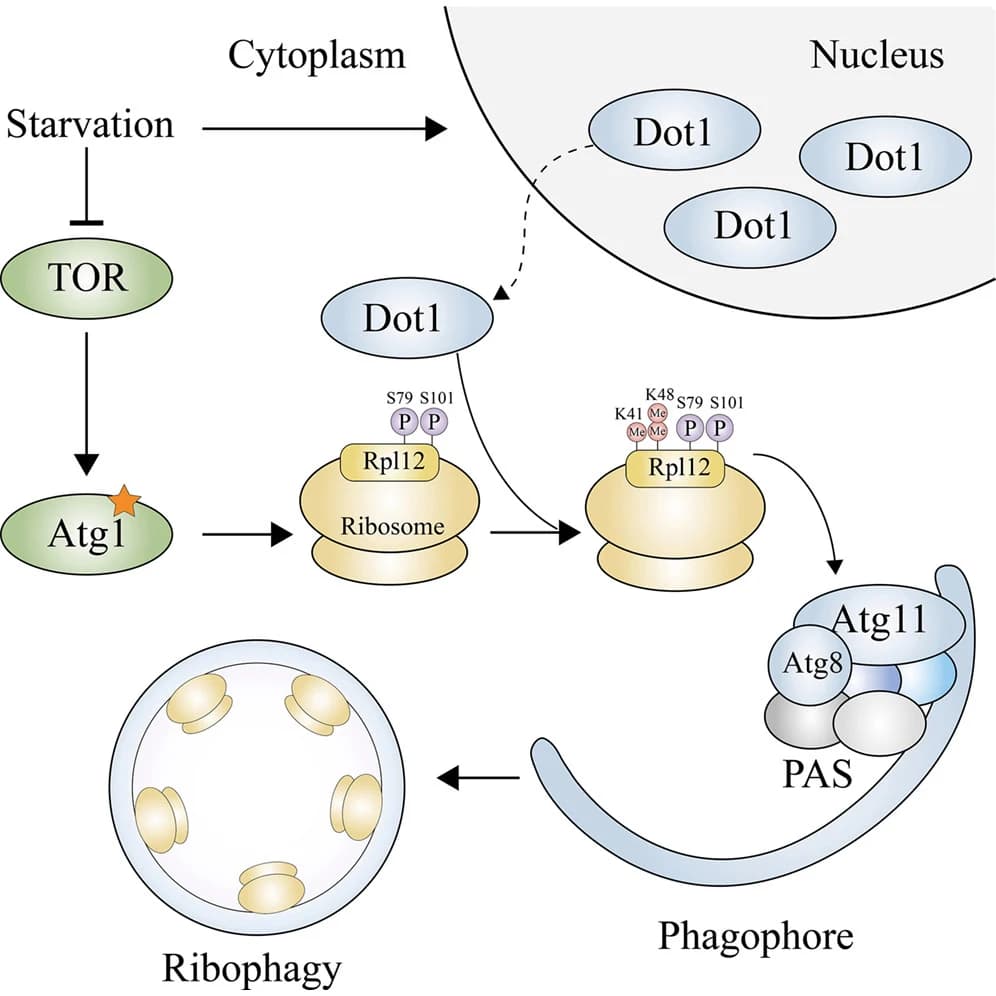
Chemical tags mark ribosomes for recycling in yeast

Experiments in nutrient-deprived yeast identified how an enzyme labels the cell’s protein-making machinery for breakdown through a recycling process.Experiments in nutrient-deprived yeast identified how an enzyme labels the cell’s protein-making machinery for breakdown through a recycling process.

Figure from Molecular Cell
Cell studyMechanisms

Sunday, November 8

Friday, November 6

Science Advances

Bacterial compound promotes gut stem cell renewal in mice

In mouse experiments, supplementation with a compound made by certain gut bacteria promoted intestinal stem cell regeneration and repair of the gut lining.In mouse experiments, supplementation with a compound made by certain gut bacteria promoted intestinal stem cell regeneration and repair of the gut lining.

N-MNA is produced by specific commensal bacterial species.

Thursday, November 5

Wednesday, November 4

bioRxiv

Nutrient-sensing circuit guides gut cell development in flies

Fruit fly experiments identified signals that controlled the development of nutrient-absorbing gut cells; disrupting the circuit impaired renewal during aging and…Fruit fly experiments identified signals that controlled the development of nutrient-absorbing gut cells; disrupting the circuit impaired renewal during aging and shortened lifespan.

Fruit fly gut tissue with many small developing cells contrasts with gray tissue with fewer developing cells, beside a magnified fruit fly.
Preprint: fly studyNutrient sensing
Cells

Age-linked marks in human brain cells overlap Alzheimer’s changes

An observational analysis of brain tissue from 29 neurologically healthy donors linked age-related changes in non-neuronal cells to molecular patterns associated with…An observational analysis of brain tissue from 29 neurologically healthy donors linked age-related changes in non-neuronal cells to molecular patterns associated with Alzheimer’s disease.

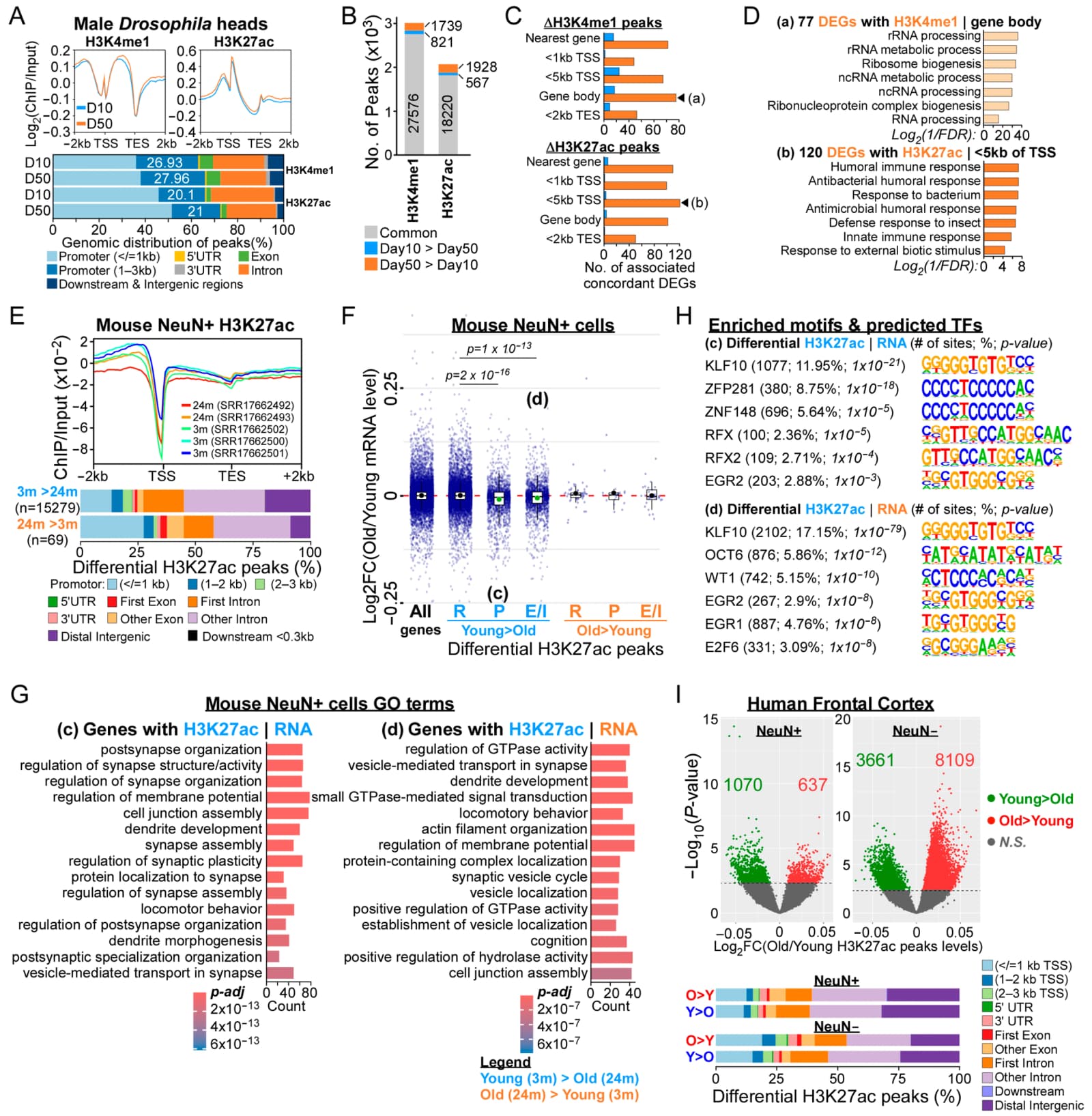
Figure from Cells
Cross-sectional · 29 peopleMechanisms
bioRxiv

Brief stress-response activation promotes healthy aging in flies

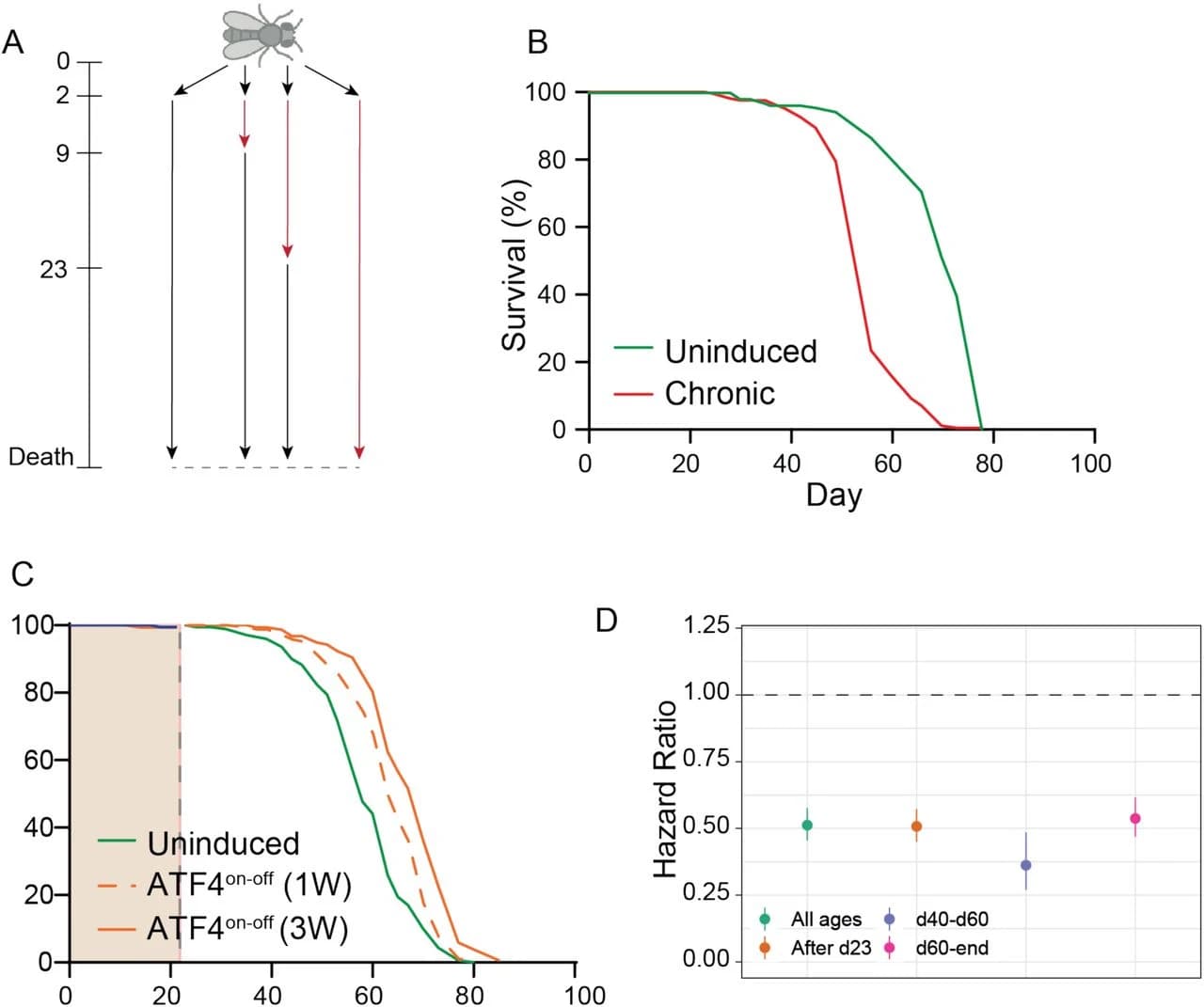
Early-adulthood activation of a stress-response protein reduced mortality risk by approximately 50% across all ages and improved nerve and muscle function in aged flies.Early-adulthood activation of a stress-response protein reduced mortality risk by approximately 50% across all ages and improved nerve and muscle function in aged flies.

a) Schematic diagram of the experimental setup.
Preprint: fly studyIntegrated stress response
Aging Cell

More RNA from jumping DNA was not linked to shorter life in flies

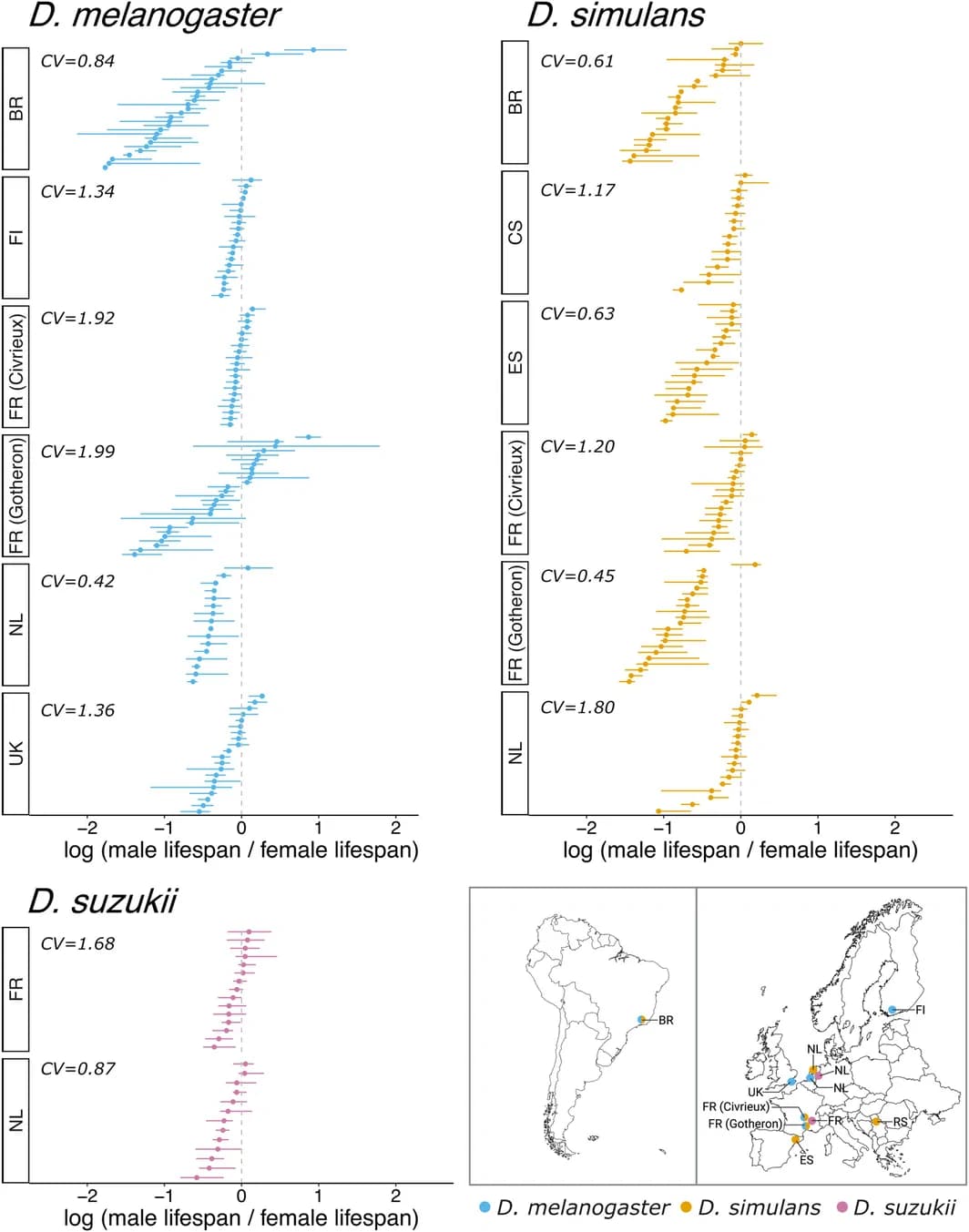
Experiments in three fruit fly species challenged the idea that jumping DNA concentrated on the Y chromosome helps explain males’ shorter lives.Experiments in three fruit fly species challenged the idea that jumping DNA concentrated on the Y chromosome helps explain males’ shorter lives.

SGL values per strain and geographical distribution of all the populations tested from D. melanogaster , D. simulans , and D. suzukii.
Fly studyMechanisms

Tuesday, November 3

BMC Biology

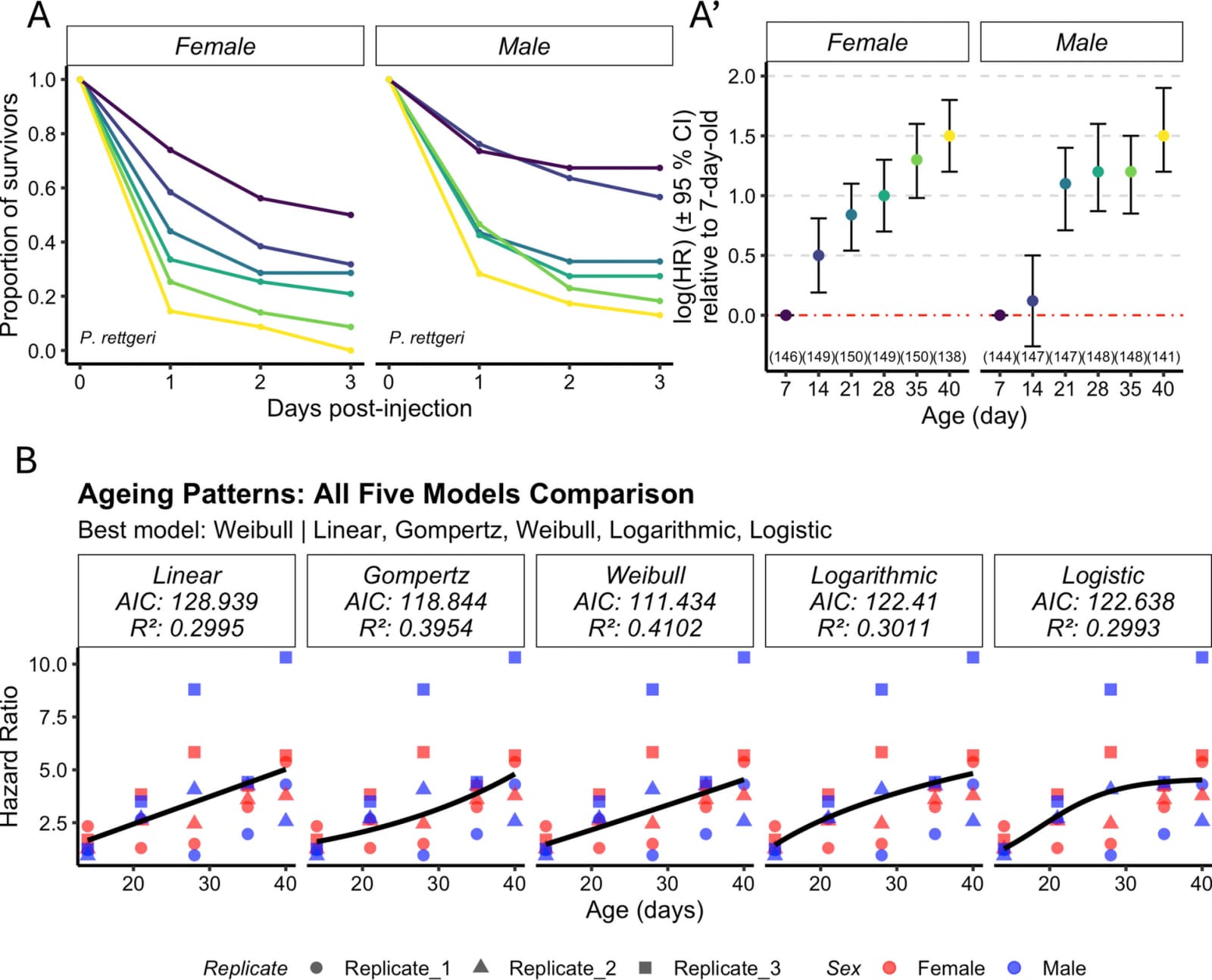
Flies grow more vulnerable to infection early in life

Infection susceptibility approximately doubled with each doubling of age in experiments involving a genetically mixed fruit fly population and 22 fly lines.Infection susceptibility approximately doubled with each doubling of age in experiments involving a genetically mixed fruit fly population and 22 fly lines.

Figure from BMC Biology
Fly studyMechanisms

Sunday, November 1

bioRxiv

A persistent virus benefited flies under temperature stress

Experiments in fruit flies found that persistent Nora virus infection extended lifespan and improved reproductive output and behavioral performance under ongoing…Experiments in fruit flies found that persistent Nora virus infection extended lifespan and improved reproductive output and behavioral performance under ongoing temperature stress.

Fruit flies face beneath heat waves; the dark blue-green fly has virus particles and many offspring, while the gray fly has fewer offspring.
Preprint: fly studyMechanisms

Saturday, October 31

Cell

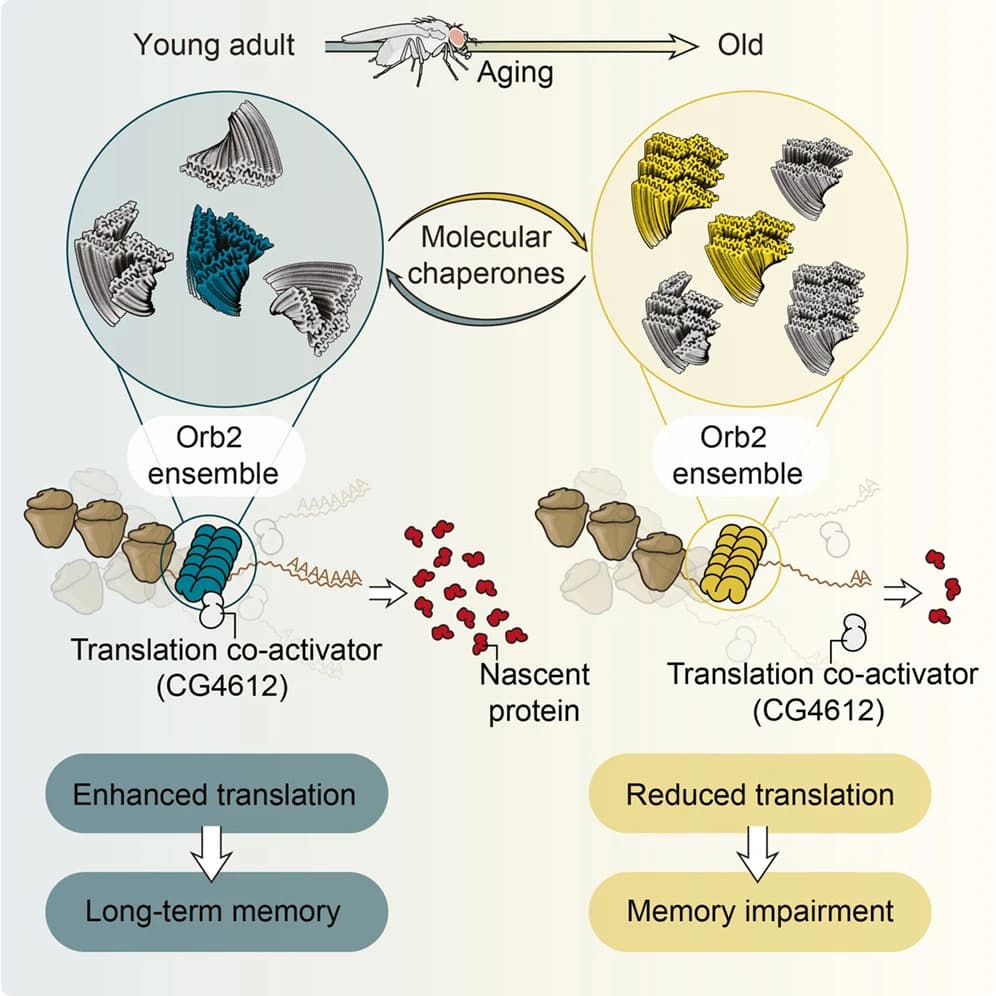
Memory-linked protein structures shift as flies age

Experiments in fruit flies linked age-related changes in protein assemblies to reduced protein production and memory impairment.Experiments in fruit flies linked age-related changes in protein assemblies to reduced protein production and memory impairment.

Figure from Cell
Fly studyMechanisms

Friday, October 30