Skip to content
AgingResearch.News app

AgingResearch.NewsFree on Google Play

Open app
AgingResearch.News
  • HomeHome
  • SearchSearch
  • AskAsk
  • FollowingFollowing
  • SavedSaved
Join freeSign inSign inSign in
AgingResearch.NewsJoin free
  • Top
  • Latest
  • For you

Latest: Preprints · Most significant · Open access

Filter

Clear filters

Evidence

  • All
  • Prevention & practice
  • Human trials
  • Human studies
  • Animals
  • Model organisms
  • Cells
  • In silico
  • Reviews

Status

  • All
  • Peer-reviewed
  • Preprints
  • All
  • Most significant
  • All
  • Open access
  • All
  • Prevention & practice
  • Human trials
  • Human studies
  • Animals
  • Model organisms
  • Cells
  • In silico
  • Reviews
  • All
  • Most significant
  • All
  • Open access
Status
  • All
  • Peer-reviewed
  • Preprints
FooterIn your assistantComparePrivacyTermsAboutStandardsContactRSSPricingFollow on X© 2026 AgingResearch.News
Sidebar

    Join AgingResearch.News

    Free: every story, saved papers, follows, the weekly email and 3 questions a day to Ask.

    Continue with email

    By continuing, you agree to our Terms and Privacy Policy.

    News

    See allSee all news
    Engineered gut bacteria increase bile acid deconjugation, improving aged mice’s metabolic healthResearchGEN +5Engineered gut bacteria increase bile acid deconjugation, improving aged mice’s metabolic healthLater-born generations reach old age with better memory and slower declineResearchMedical Xpress +1Later-born generations reach old age with better memory and slower declineCastration at 240 days extends median lifespan 32.9% in male UM-HET3 miceResearchFight Aging! +1Castration at several ages extends male lifespan and reveals age-dependent effects of testicular factors on survival.

    Trials

    See allSee all trials
    Modulation Effects of Baduanjin Exercise on Subjective Cognitive DeclineResults posted Nov 6, 2026, Massachusetts General HospitalPsilocybin Effects on Healthy Aging Biomarkers and Purpose in LifePhase 1Now recruiting Nov 17, 2026, Charles RaisonPhase I Trial of a Single Administration of aKLmRNA-Mediated Protein Replacement TherapyPhase 1Now recruiting Nov 12, 2026, Klothea Bio Inc

    Trending

    See allSee all trending stories
    SLEEPGeneOlder adults had weaker brain fluid flow waves during sleepBilobetinInterventionBilobetin eased infection-driven immune aging in miceMizagliflozinInterventionFirst trial results posted: Effect of Mizagliflozin Repeat Dosing on Adverse Events and Postprandial Glucose…LY3437943InterventionFirst trial results posted: A Study of Retatrutide (LY3437943) on Renal Function in Participants With Overweight or…Royal jellyInterventionRoyal jelly increased stem cell activity in aged miceImmune responseProcessIn the news: 9 stories this week. Immune signal keeps brown fat in a low-heat state in mice, and 1 more story this week

    Topics

    See allSee all topics
    Mechanisms386Interventions832Biomarkers544Populations822AI & data163Industry & policy36SupplementsPeptidesProtocols
    Footer
    • In your assistant
    • Compare
    • Privacy
    • Terms
    • About
    • Standards
    • Contact
    • RSS
    • Follow on X
    • © 2026 AgingResearch.News

    TodayTue, Nov 17Tuesday, November 173 papers

    bioRxiv·6 h

    Gut nerve cells develop signs of cellular aging in mice

    At 24 months, approximately 25–30% of mouse gut nerve cells carried a marker of senescence, a state in which cells stop dividing.At 24 months, approximately 25–30% of mouse gut nerve cells carried a marker of senescence, a state in which cells stop dividing. Mice aged 2, 13–15 and 22–24 months were studied in experiments on nerve cells from the jejunum…

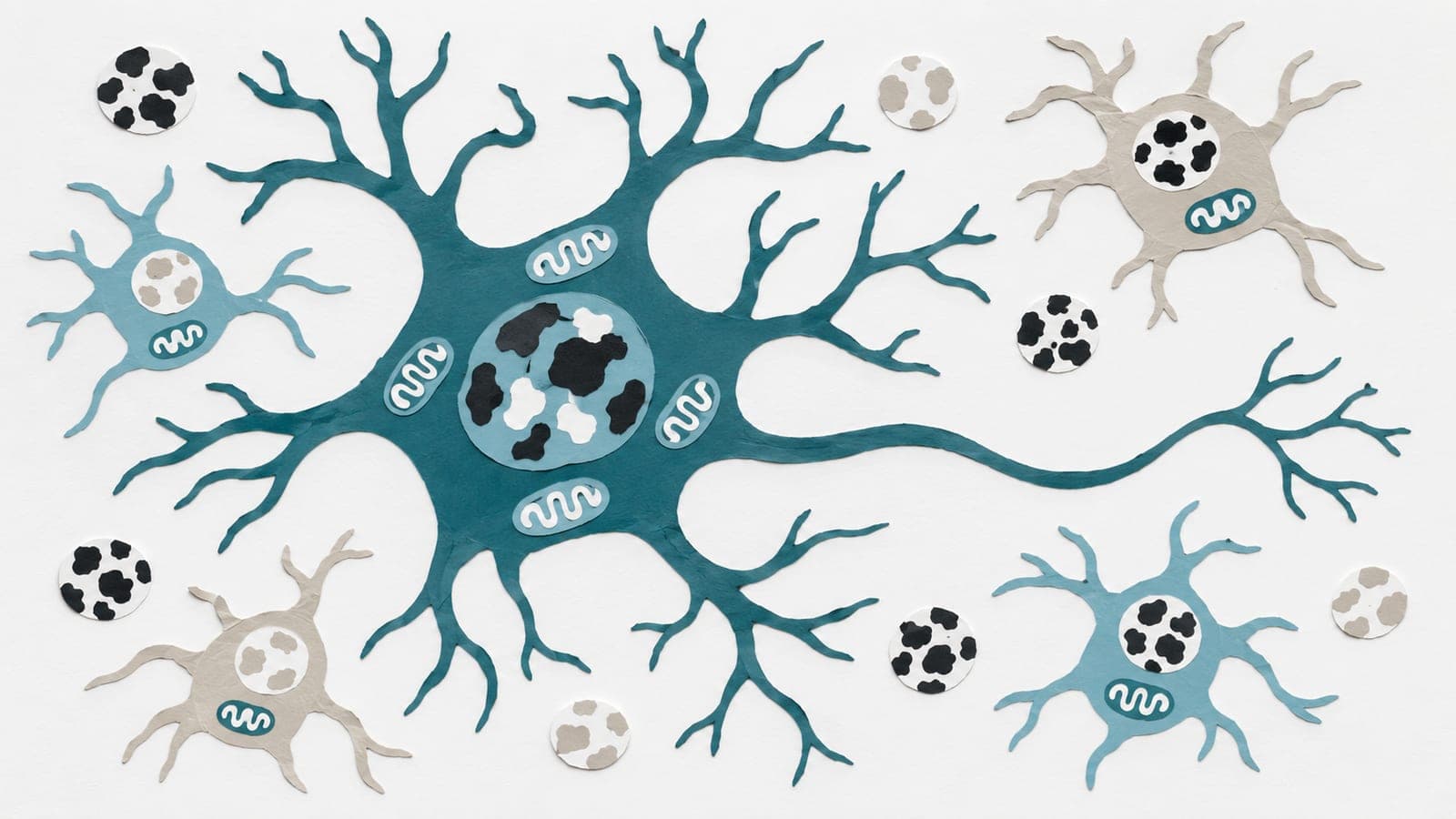
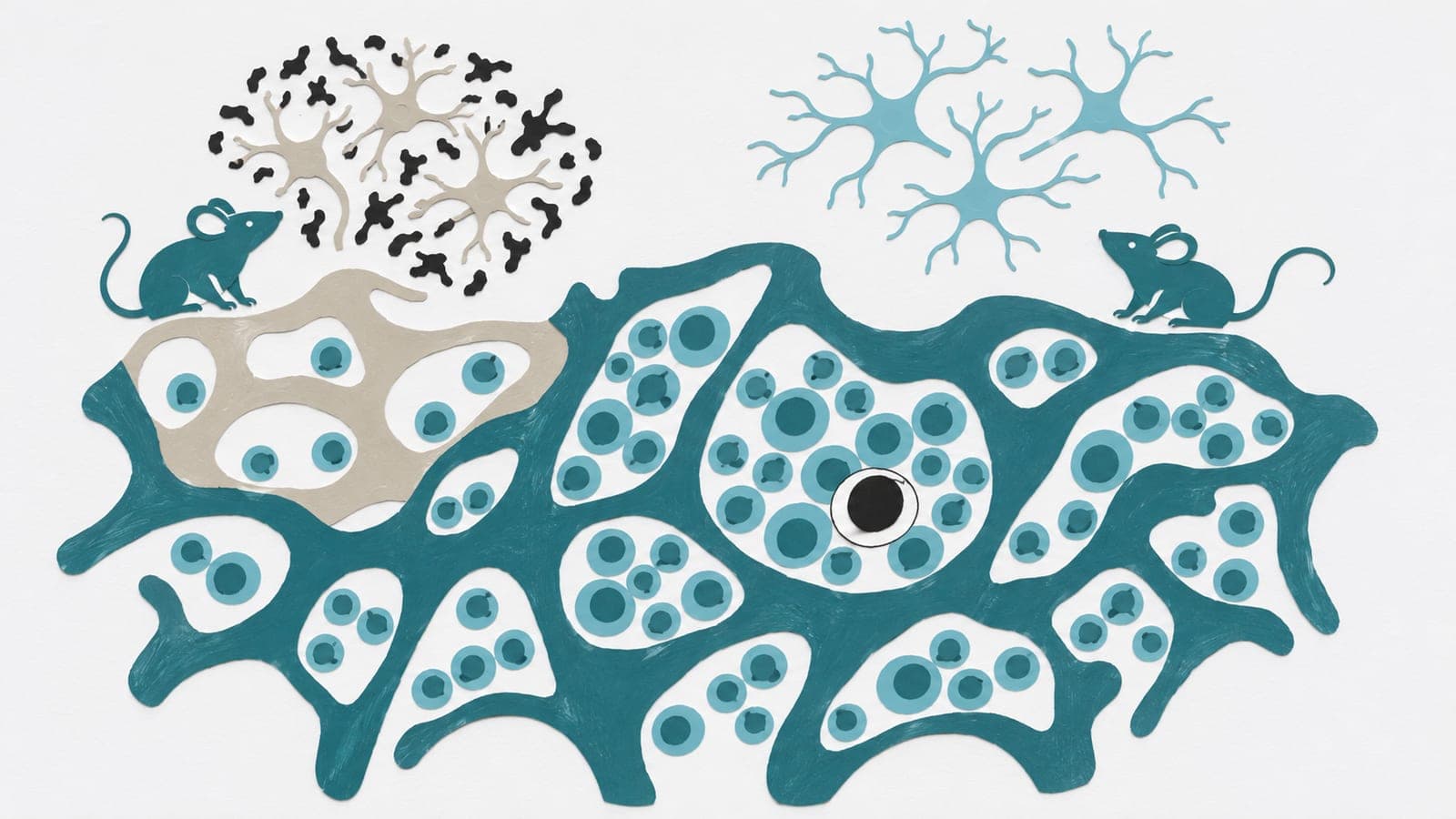
    Gut nerve cells spread across intestinal tissue, with sparse enlarged cells bearing dark clusters beside dense smaller cells and a laboratory mouse.
    Preprint: mouse studyGut and microbiome
    Who was studiedMice of different ages, against young mice
    What changedWith age, gut neurons developed aging signs: approximately 25-30% expressed the senescence marker p21 at 24 months
    The catchThe age-group comparisons did not assess whether senescence-like changes caused digestive problems
    Paper
    bioRxiv·7 h

    DNA differences linked to dog lifespan beyond breed size

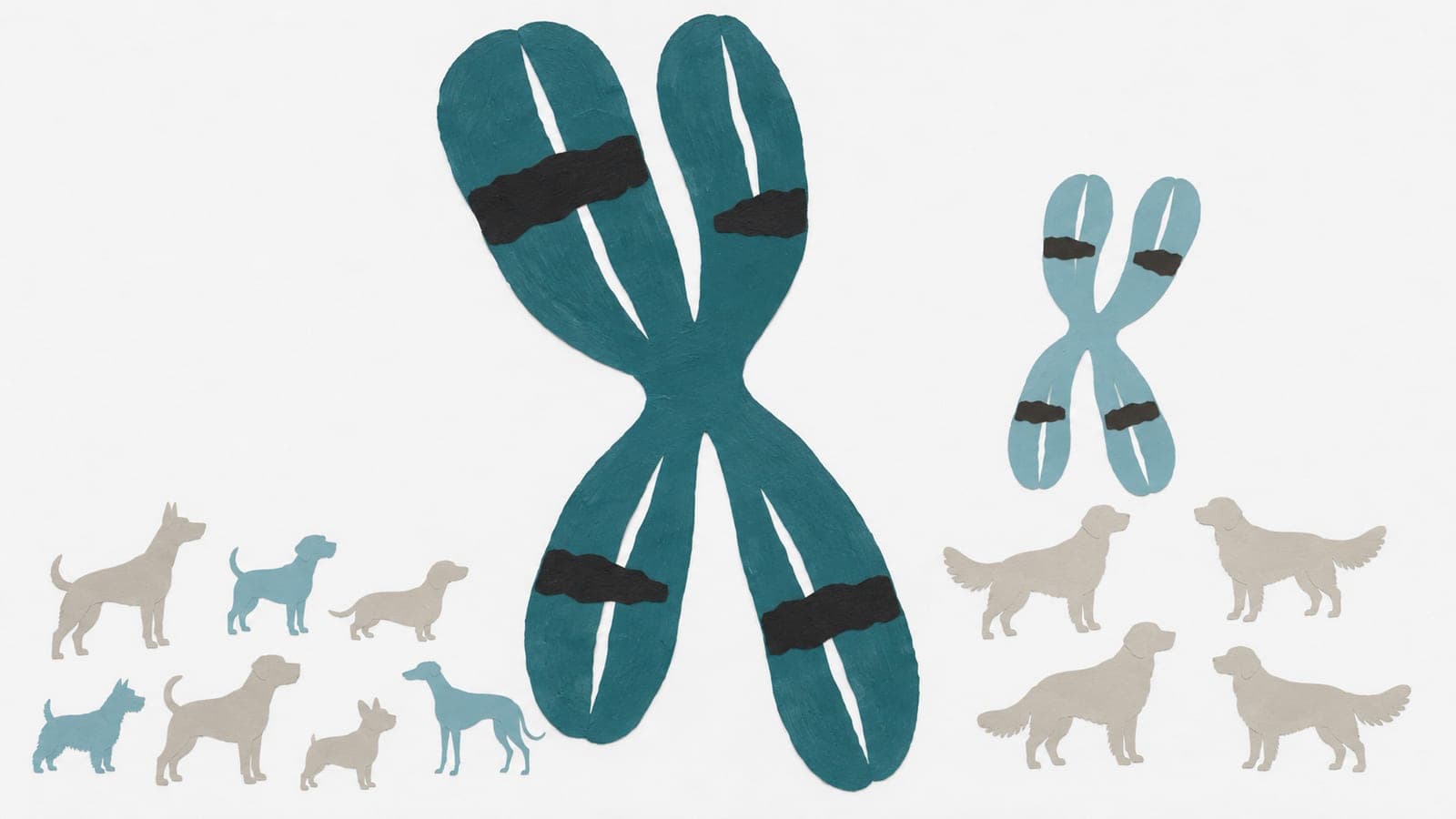
    Three genetic regions linked to age at death in 540 dogs from 27 breeds also showed associations in 3,024 Golden Retrievers.Three genetic regions linked to age at death in 540 dogs from 27 breeds also showed associations in 3,024 Golden Retrievers. A group of 540 dogs from 27 breeds, with 20 dogs per breed, formed the discovery cohort for genome-wide…

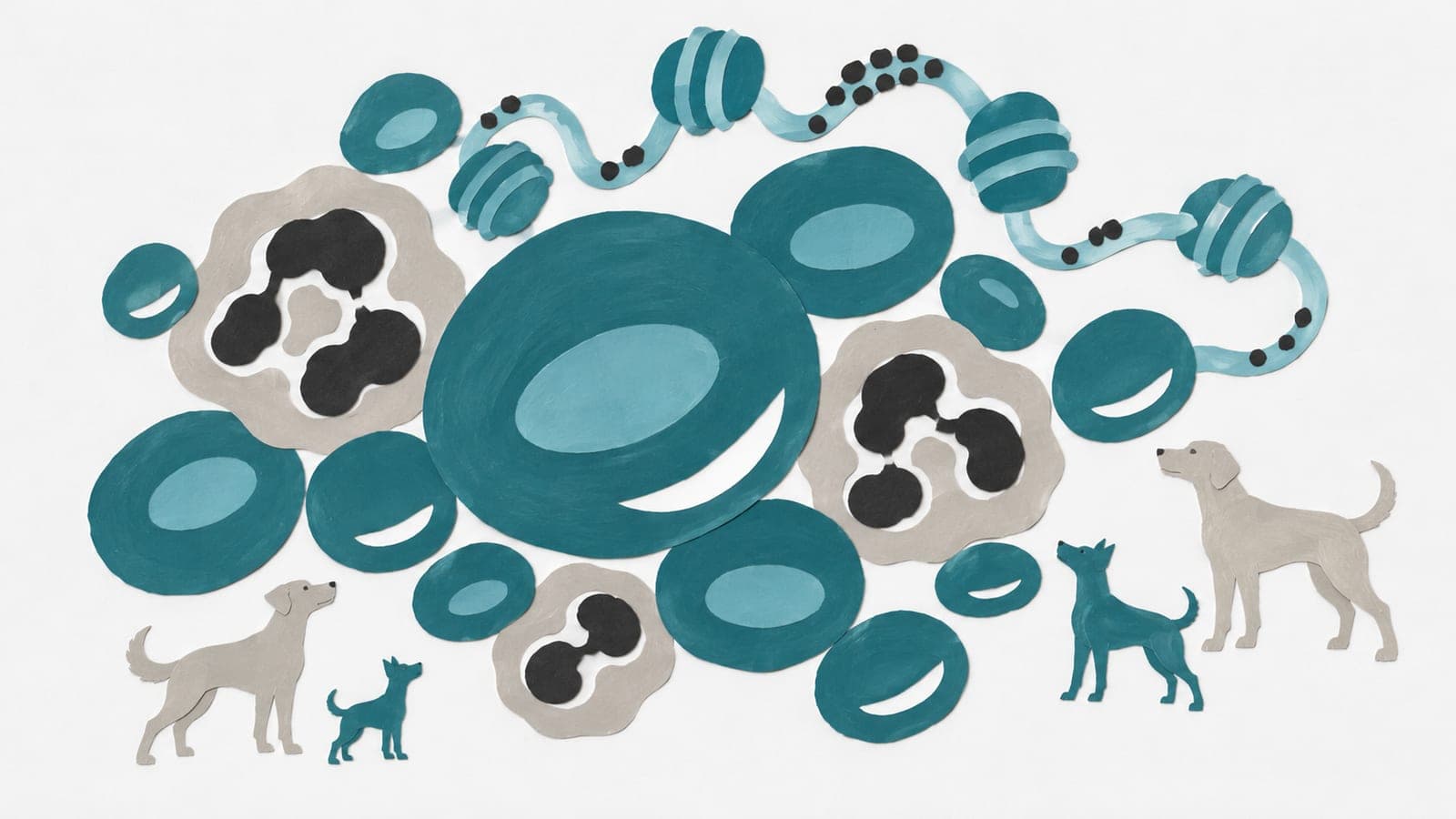
    Chromosomes with matching dark bands rise above dogs of varied sizes on the left and a group of similarly sized retrievers on the right.
    Preprint: genetic association studyPopulations
    Who was studied540 dogs from multiple breeds
    What changedThree DNA regions were linked to dogs' age at death beyond breed-average weight, with associations replicated in Golden Retrievers
    The catchNearby DNA variants inherited together could account for the lifespan associations
    Paper
    Preprints.org·18 h

    Reversal of Heart Age in Adults with Obesity After Initiation of Semaglutide Detected by Serial Electrocardiography

    Preprint: cohort study in peopleObesity
    Paper

    YesterdayMon, Nov 16Monday, November 163 papers

    bioRxiv·Yesterday

    Loss of nuclear support proteins harms mouse hearts and arteries

    Median survival was 14.6% lower in artery-disease-prone mice lacking the proteins in blood-vessel-lining cells than in comparison mice.Median survival was 14.6% lower in artery-disease-prone mice lacking the proteins in blood-vessel-lining cells than in comparison mice. Mice genetically prone to fatty buildup in arteries underwent a gene-deletion experiment…

    An artery narrowed by fatty deposits and lined with irregular cell nuclei sits beside a clearer vessel, a scarred heart, and a small mouse.
    Preprint: mouse studyMechanisms
    Who was studiedArtery-disease-prone mice lacking endothelial lamin A/C, against comparison mice
    What changedMedian survival was 14.6% lower in mice lacking the proteins in blood-vessel-lining cells than in comparison mice
    The catchEffects of preserving lamin A/C during natural aging were not measured
    Paper
    bioRxiv·Yesterday

    Biological systems showed linked aging patterns in dogs

    A longitudinal analysis of 965 companion dogs found age dominated variation across measurements of microbes, DNA markings, blood chemicals and the immune system.A longitudinal analysis of 965 companion dogs found age dominated variation across measurements of microbes, DNA markings, blood chemicals and the immune system.

    Blood cells and immune cells sit beside dogs of different sizes, beneath a chromatin fiber with dense and sparse clusters of chemical marks.
    Preprint: cohort studyAI & data
    Who was studied965 companion dogs
    What changedBiological measurements were interconnected, and age dominated their variation
    The catchThe analysis measured cross-system links, not causal effects of one biological system on another
    Paper
    bioRxiv·Yesterday

    Tumors mix younger- and older-like molecular aging patterns

    An analysis of breast cancer and five other cancers found mixed aging patterns, partly resembling those in normal tissue of the same origin.An analysis of breast cancer and five other cancers found mixed aging patterns, partly resembling those in normal tissue of the same origin.

    Breast tumor tissue mixes dividing cells and fragmented nuclear fibers above smaller, orderly rings of normal breast cells.
    Preprint: computational studyBiomarkers
    Who was studiedTumors from breast and other cancers, against matched normal tissues
    What changedTumors showed younger-like cell multiplication patterns but older-like damage-response and signaling patterns compared with expected tissue aging
    The catchOther tumor features could explain the clock’s survival link rather than aging-related changes
    Paper

    Sat, Nov 142 papers

    Research Square·Nov 14

    Aging gene effects partly match from yeast to human cells

    Two yeast lifespan measures shared regulators 1.7-fold more often than expected, but the direction of their effects agreed only 50% of the time.Two yeast lifespan measures shared regulators 1.7-fold more often than expected, but the direction of their effects agreed only 50% of the time.

    Human cells with sparse and crowded interiors sit beside budding yeast, a curved worm, and a mouse.
    Preprint: computational studyMechanisms
    Who was studiedYeast, nematodes, fruit flies, mice, and human cells
    What changedHuman-cell effects matched lifespan effects for 82% of cleanup/protein-upkeep genes, against 51–54% of cell-division-arrest and inflammatory-secretion genes
    The catchHuman cells were assessed for senescence, while whole organisms were assessed for lifespan
    Paper
    Research Square·Nov 14

    Blood protein scores linked to future age-related disease

    In 44,526 UK Biobank participants, 10-year disease incidence differed up to 20-fold between people of the same age with different scores.In 44,526 UK Biobank participants, 10-year disease incidence differed up to 20-fold between people of the same age with different scores. Blood protein measurements from 44,526 UK Biobank participants formed the basis of an…

    Blood cells and folded proteins sit beside kidney cross-sections, one dark blue-green with orderly tissue and one gray with disrupted tissue.
    Preprint: cohort · 44,526 peopleBiomarkers
    Who was studied44,526 UK Biobank participants
    What changed10-year disease incidence differed up to 20-fold between same-age people with different blood protein scores
    The catchDisease developing before diagnosis could raise protein scores, rather than protein changes preceding disease
    Paper

    Thu, Nov 122 papers

    Preprints.org·Nov 12

    Semaglutide linked to lower heart age estimates in adults with obesity

    After 12 months, estimated heart age relative to actual age fell 0.73 years with semaglutide, versus no significant change after weight-loss surgery.After 12 months, estimated heart age relative to actual age fell 0.73 years with semaglutide, versus no significant change after weight-loss surgery.

    Heart cross-sections have smaller and larger gray patches, with broader figures and a molecular strand beside one and slimmer figures beside the other.
    Preprint: cohort studyObesity
    Who was studiedAdults with obesity, 12 months, against patients undergoing weight-loss surgery
    What changedEstimated heart age relative to actual age fell 1.28 years more with semaglutide than after weight-loss surgery at 12 months
    The catchHeart age was an estimate from electrical recordings
    Paper
    Research Square·Nov 12

    Effects of low-dose sildenafil on survival and age-associated phenotypes in the African turquoise killifish

    Preprint: experiments in killifishInterventions
    Paper

    Wed, Nov 111 paper

    bioRxiv·Nov 11

    Heavier male mice had larger lifespan gains from interventions

    For weight-lowering interventions, median lifespan gains over controls rose from 6.2% in the lightest quarter of males to 20.2% in the heaviest.For weight-lowering interventions, median lifespan gains over controls rose from 6.2% in the lightest quarter of males to 20.2% in the heaviest.

    A broad-bodied mouse sits among many dark blue-green mice, fewer heavy gray mice, and equally sized groups of slender mice above.
    Preprint: mouse study · 33,780 miceInterventions
    Who was studied33,780 mice allowed to eat freely, against male mice in lightest weight quartile
    What changedWith weight-lowering interventions, male mice's median lifespan gains over controls rose from 6.2% in the lightest quarter to 20.2% in the heaviest
    The catchPoor control health could inflate apparent lifespan benefits in heavier mice
    Paper

    Tue, Nov 102 papers

    Research Square·Nov 10

    Uneven organ aging linked to higher death risk in UK cohort

    Higher imbalance was linked to greater mortality risk, with a relative-risk measure called a hazard ratio of 1.11 per standard-deviation increase.Higher imbalance was linked to greater mortality risk, with a relative-risk measure called a hazard ratio of 1.11 per standard-deviation increase.

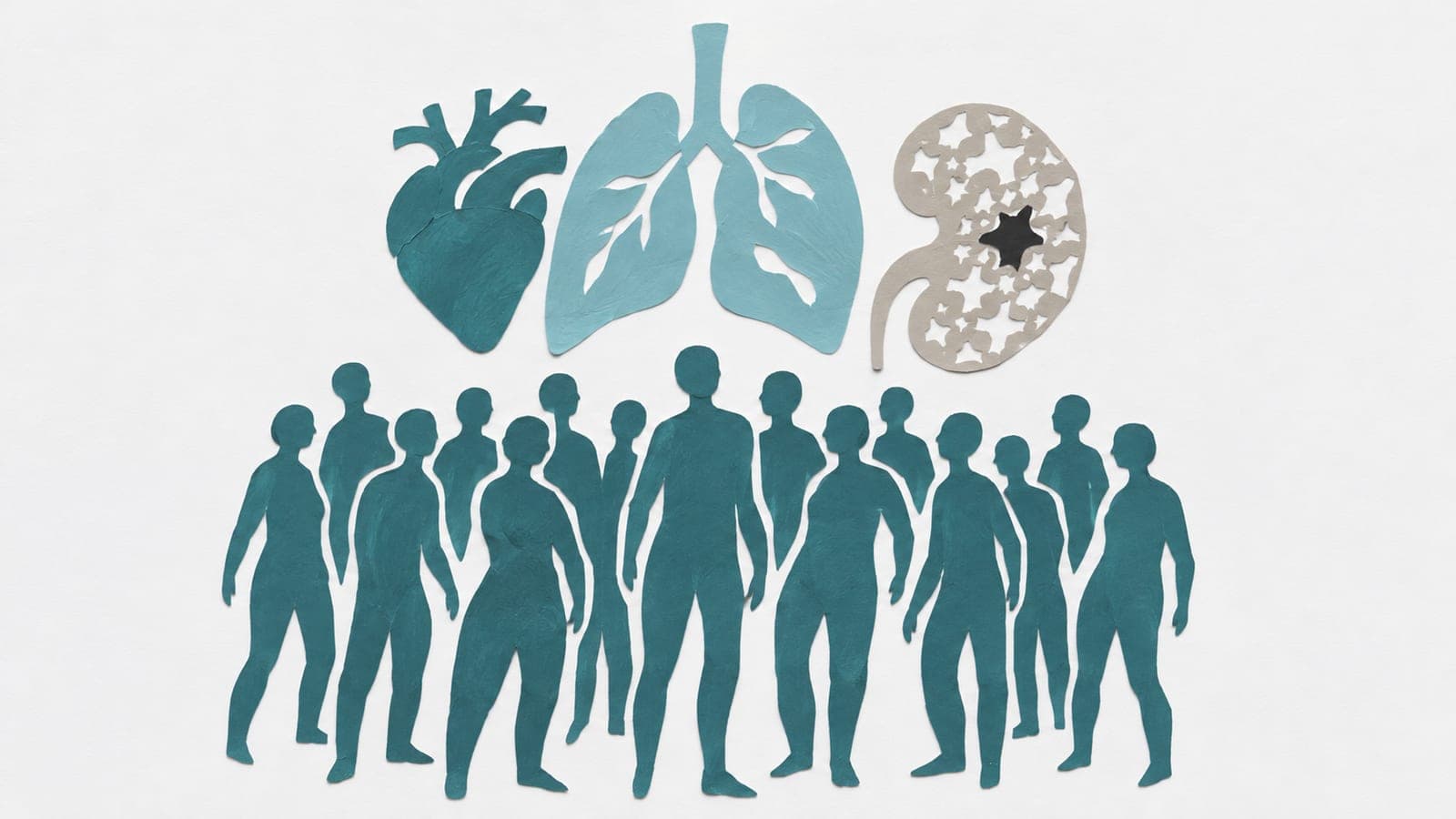
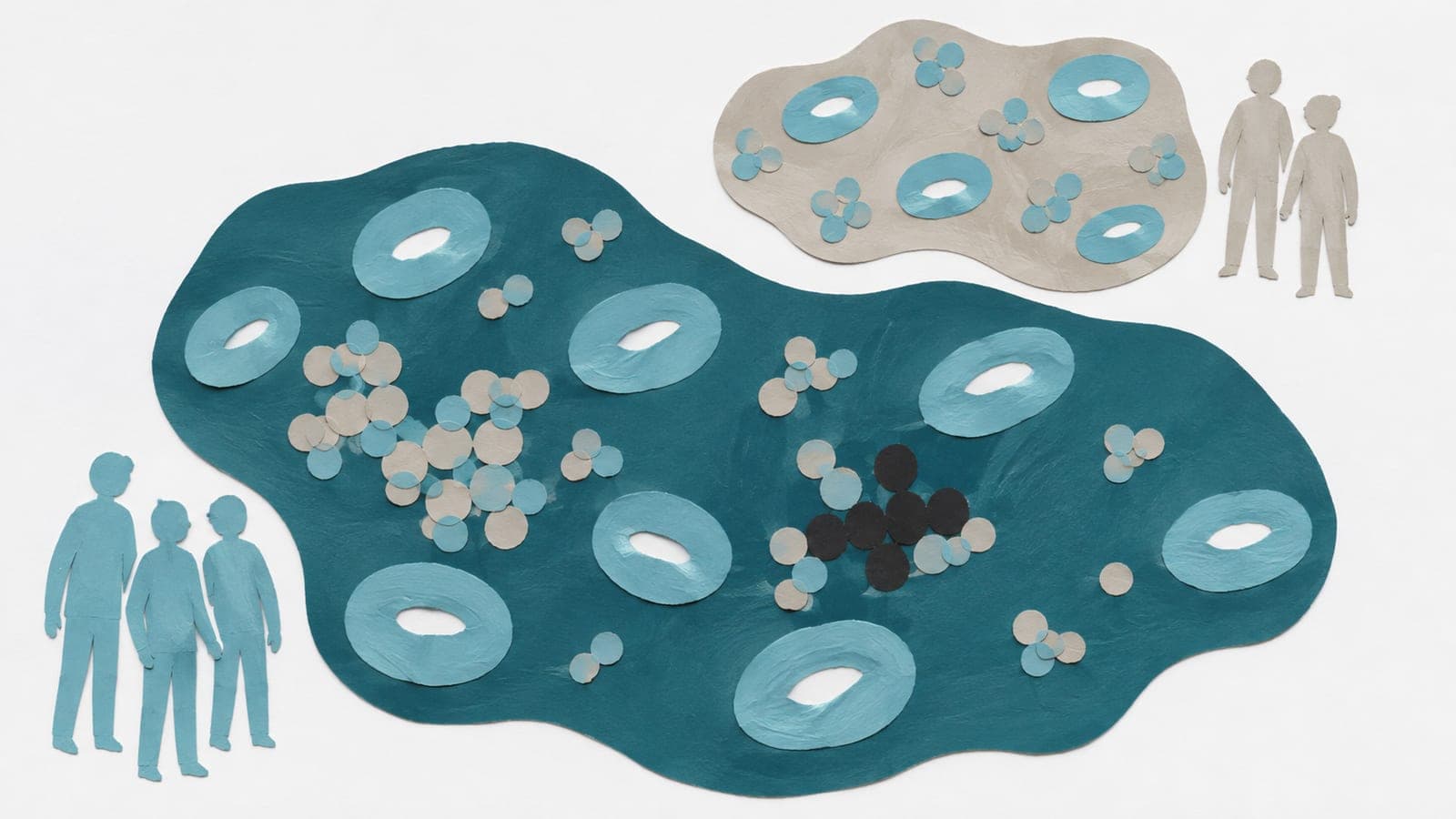
    A group of upright, faceless people stands beneath a whole heart, lungs with scattered gaps, and a gray kidney riddled with holes.
    Preprint: cohort · 221,599 peopleBiomarkers
    Who was studied221,599 UK Biobank participants
    What changedDeath risk was higher with more uneven organ aging (hazard ratio of 1.11 per standard-deviation increase)
    The catchExisting health differences could contribute to both uneven organ aging and later death
    Paper
    Preprints.org·Nov 10

    Clinical Efficacy and Safety of Rhodiola rosea Extract Supplementation in Enhancing Physical and Mental Well-Being, in Physically Inactive Older Adults: A Randomized Double Blind, Parallel Group, Placebo Controlled, Clinical Study

    Preprint: randomized trial in 140 peopleInterventions
    Paper

    Mon, Nov 92 papers

    bioRxiv·Nov 9

    Pseudo-observations of longevity improve detection of resilience-associated genes in the Radiation Late Effects Cohort of rhesus macaques

    Preprint: experiments in monkeysMechanisms
    Paper
    bioRxiv·Nov 9

    Restoring a gene regulator reduced liver fat in aged mice

    Experiments in young and aged mice identified a liver protein whose restoration reduced fat buildup but did not consistently reverse inflammation-related gene activity.Experiments in young and aged mice identified a liver protein whose restoration reduced fat buildup but did not consistently reverse inflammation-related gene activity.

    Liver cells with sparse or crowded fat droplets sit beside a laboratory mouse, with dark inflammatory cells surrounding both groups.
    Preprint: mouse studyEpigenetic regulation of gene expression
    Who was studiedYoung and aged mice
    What changedRestoring HNF4 in aged mice reduced liver fat
    The catchRestoring HNF4 did not consistently reverse inflammation-related gene activity
    Paper

    Fri, Nov 61 paper

    bioRxiv·Nov 6

    Aging was most strongly linked to brain protein changes in mice

    A laboratory analysis across the mouse lifespan linked aging to broader brain protein changes than amyloid-beta pathology, which modified selected age-related processes.A laboratory analysis across the mouse lifespan linked aging to broader brain protein changes than amyloid-beta pathology, which modified selected age-related processes.

    Mouse brain tissue with branching neurons and mitochondria, with fewer inner folds and denser support cells near a dark plaque; a mouse sits below.
    Preprint: mouse studyMechanisms
    Who was studiedWild-type and 5xFAD mice
    What changedAging was linked to broader brain protein changes than amyloid-beta pathology
    The catchThe analysis reports protein patterns, not changes in memory or brain function
    Paper

    Thu, Nov 53 papers

    Research Square·Nov 5

    Human blood retains DNA-marking patterns formed before birth

    Each blood cell carried about 300,000 acquired DNA-marking changes before birth, including more than 3,000 in large segments that remained stable for decades.Each blood cell carried about 300,000 acquired DNA-marking changes before birth, including more than 3,000 in large segments that remained stable for decades.

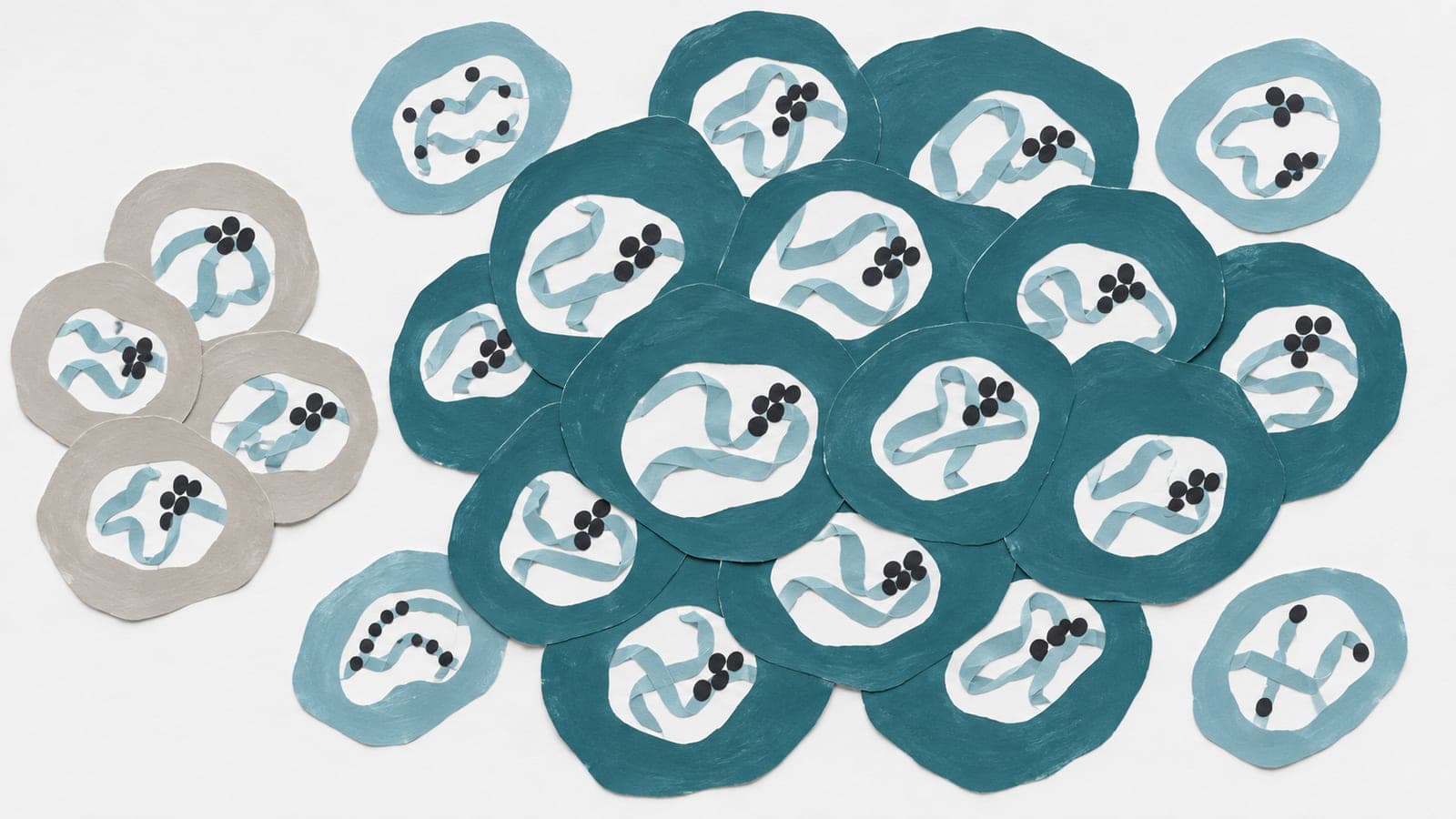
    Blood-forming cells share clustered marks on chromatin fibers in a small gray group and a larger dark blue-green group, with differently marked cells nearby.
    Preprint: cross-sectional · 13 peopleMechanisms
    Who was studied13 individuals with healthy or malignant blood formation
    What changedEach blood cell retained >3000 prenatal DNA-marking changes in large segments stable for decades
    The catchOnly 13 individuals supplied the blood-forming cells
    Paper
    Research Square·Nov 5

    Falls, fractures, lean mass and age with GLP-1receptor agonists and tirzepatide: meta-analysis of 162 placebo-controlled trials andage-subgroup data for adults aged 75 years orolder

    Study selection. (A) Placebo-controlled trials of GLP-1 receptor agonists or tirzepatide with adverse-event results posted on ClinicalTrials.gov (searched 31 October 2026).
    Preprint: meta-analysis of randomized trialsGLP-1 receptor agonists
    Paper
    medRxiv·Nov 5

    Physiological Waveform Features Based Aging Clocks Associate with Cardiovascular Disease

    Preprint: cross-sectional study of 17,327 peopleCardiovascular disease
    Paper

    Wed, Nov 41 paper

    medRxiv·Nov 4

    Buckwheat powder did not beat placebo on main cognition measure

    The main self-rated cognitive-function score changed at similar rates with buckwheat and placebo, with a difference of 0.03 during the 12-week trial.The main self-rated cognitive-function score changed at similar rates with buckwheat and placebo, with a difference of 0.03 during the 12-week trial.

    Brain sections with similar folds sit above small groups of people, with buckwheat sprouts and scattered powder beside the larger section.
    Preprint: randomized trial · 662 peopleInterventions
    Who was studied662 US adults with self-reported cognitive difficulties, against matched placebo
    What changedSelf-rated cognitive function did not improve more with buckwheat powder than with placebo
    The catchOnly 662 of 848 randomized participants were analyzed
    Paper

    Tue, Nov 35 papers

    bioRxiv·Nov 3

    Suppressing nerve signals increased muscle mass in aged mice

    Experiments in mice aged 1–25 months linked excessive signaling by norepinephrine, a nerve messenger, to age-related deterioration of nerves and muscles.Experiments in mice aged 1–25 months linked excessive signaling by norepinephrine, a nerve messenger, to age-related deterioration of nerves and muscles.

    Muscle cutaways beside a mouse show thick fibers with dense nerve branches against a smaller muscle with thin fibers and sparse nerve connections.
    Preprint: mouse studyMuscle
    Who was studiedAged mice
    What changedSuppressing norepinephrine-producing nerve cells increased hindlimb muscle mass in aged mice
    The catchStrength and physical function results are absent from the abstract
    Paper
    bioRxiv·Nov 3

    Aging in a human brain region shares gene patterns with disorders

    An observational analysis of caudate tissue from 178 human donors found age-related gene activity changes that appeared earlier in donors with alcohol use disorder.An observational analysis of caudate tissue from 178 human donors found age-related gene activity changes that appeared earlier in donors with alcohol use disorder.

    A branching neuron with folded mitochondria sits among smaller glial cells and scattered nuclei containing dense dark or sparse gray patches.
    Preprint: cross-sectional · 178 peopleAI & data
    Who was studied178 human brain tissue donors
    What changedAging-related gene activity patterns overlapped with brain disorders in energy production and fatty acid processing, with overlap varying by disorder
    The catchDifferences associated with alcohol use disorder could mimic earlier aging across donors
    Paper
    bioRxiv·Nov 3

    Combined biological imbalances linked to disease and death

    An observational study of 9,992 older adults linked imbalances across multiple biological systems to a higher risk of developing disease and dying.An observational study of 9,992 older adults linked imbalances across multiple biological systems to a higher risk of developing disease and dying.

    Blood samples beside small groups of people show uneven molecular clusters in dark blue-green and a more evenly distributed mixture in gray.
    Preprint: cohort · 9,992 peopleBiomarkers
    Who was studied9,992 older adults
    What changedRisks of disease and death were higher with imbalances across multiple biological systems
    The catchThe findings are limited to older adults in a Canadian cohort
    Paper
    bioRxiv·Nov 3

    Measures of aging in cell structures linked to disease risk

    Among 61,931 people, four or more prematurely aged compartments were linked to up to 22-fold higher kidney disease risk and up to 8-fold higher mortality risk.Among 61,931 people, four or more prematurely aged compartments were linked to up to 22-fold higher kidney disease risk and up to 8-fold higher mortality risk.

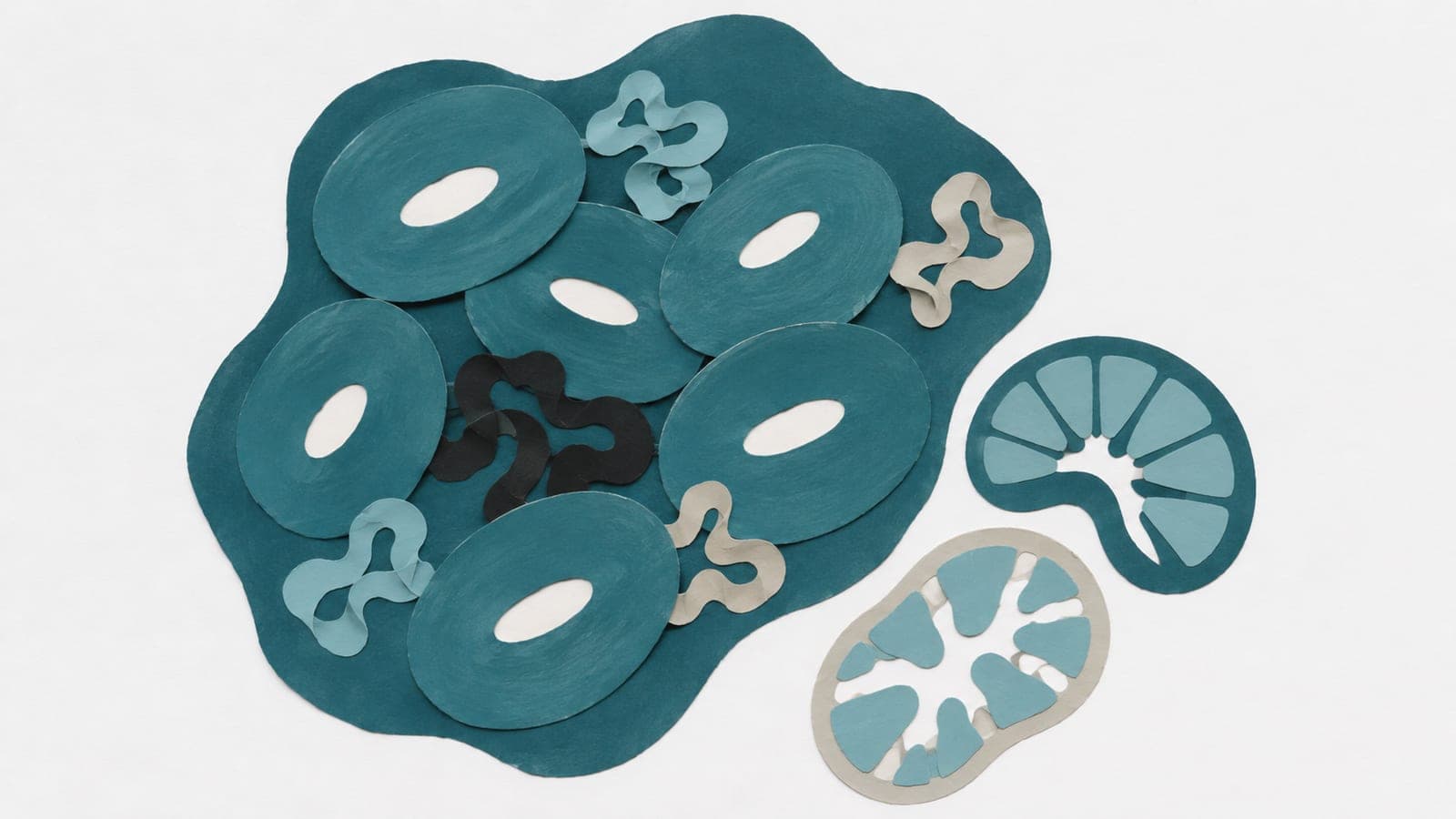
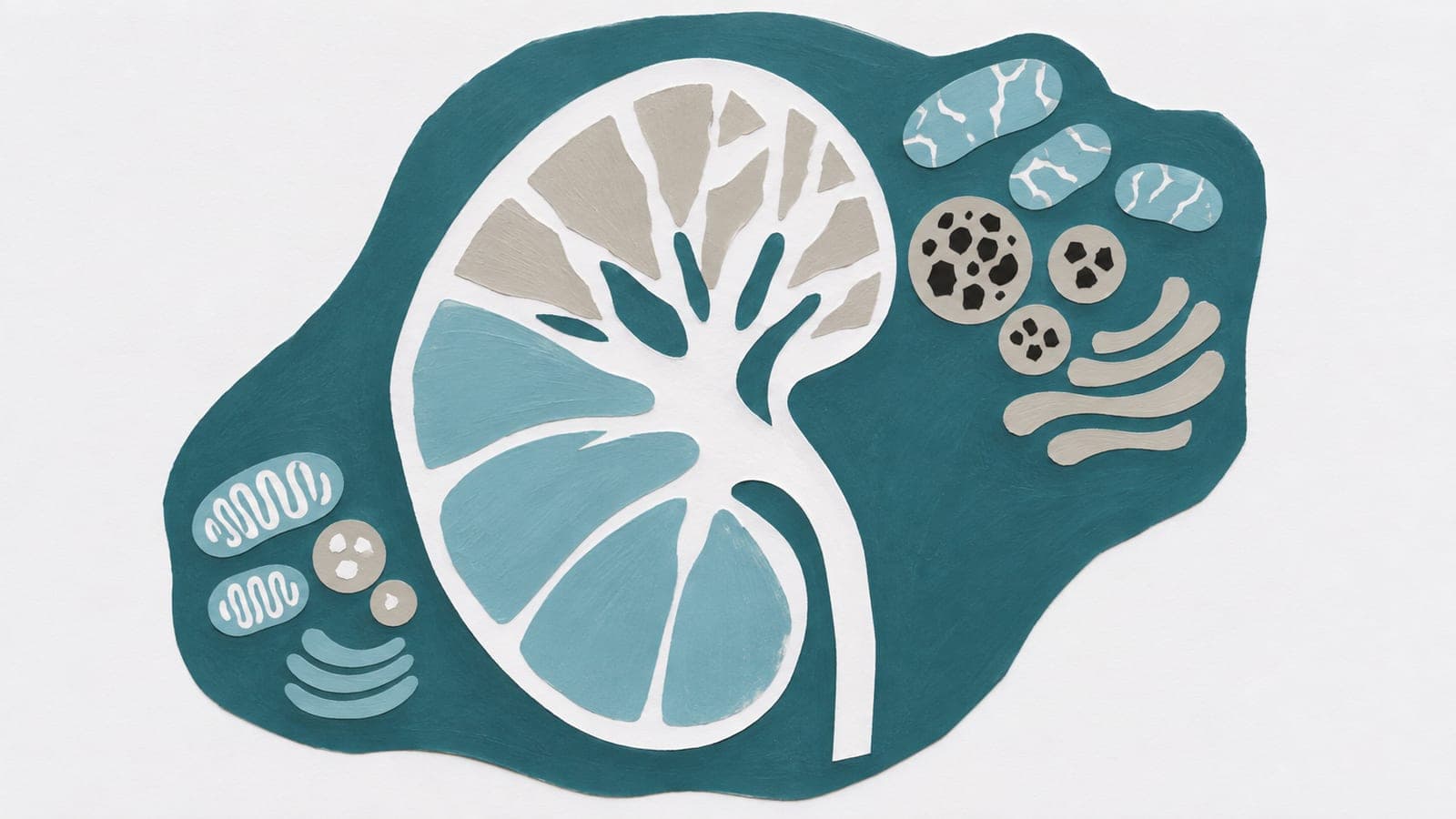
    Kidney cross-section with intact and fragmented tissue beside mitochondria with dense or broken folds, sparse or crowded lysosomes, and curved membrane stacks.
    Preprint: cohort study of 61,931 peopleBiomarkers
    Who was studied61,931 people across the human lifespan
    What changedKidney disease risk was up to 22-fold higher among people with four or more prematurely aged compartments
    The catchFluid proteins served as proxies for organelle aging rather than direct measurements inside cells
    Paper
    Research Square·Nov 3

    Inhibiting brain neurons restored immune cell production in aged mice

    In experiments in aged mice, inhibiting specific brain neurons or deleting a gene involved in inflammatory signaling improved the response to a flu vaccine.In experiments in aged mice, inhibiting specific brain neurons or deleting a gene involved in inflammatory signaling improved the response to a flu vaccine.

    Bone marrow with sparse versus abundant immune cells sits beneath mice and branching neurons, with inflammation clustered above the sparse region.
    Preprint: mouse studyBlood and immune system
    Who was studiedAged mice
    What changedInhibiting brain neurons restored immune precursor cells and B-cell production in aged mice
    The catchThe text does not report whether restored immune cell production persisted after treatment ended
    Paper

    Mon, Nov 21 paper

    bioRxiv·Nov 2

    Imaging links kidney structure to molecular aging in rats

    Image-based age estimates differed from actual ages by a mean absolute error of 0.78 months in rats excluded from model training.Image-based age estimates differed from actual ages by a mean absolute error of 0.78 months in rats excluded from model training. In 32 male rats aged 9, 18, 21 and 25 months, researchers combined kidney imaging with measurements…

    Kidney tissue shows orderly blue-green tubules beside widened, damaged gray tubules with uneven lipid droplets, above a small laboratory rat.
    Preprint: rat study · 32 ratsBiomarkers
    Who was studied32 male rats
    What changedImage-based age estimates differed from actual ages by a mean absolute error of 0.78 months in rats excluded from model training
    The catchThe study mapped associations rather than testing whether structural changes caused kidney dysfunction
    Paper

    Wed, Oct 284 papers

    medRxiv·Oct 28

    Electronic frailty index linked to death risk in older adults

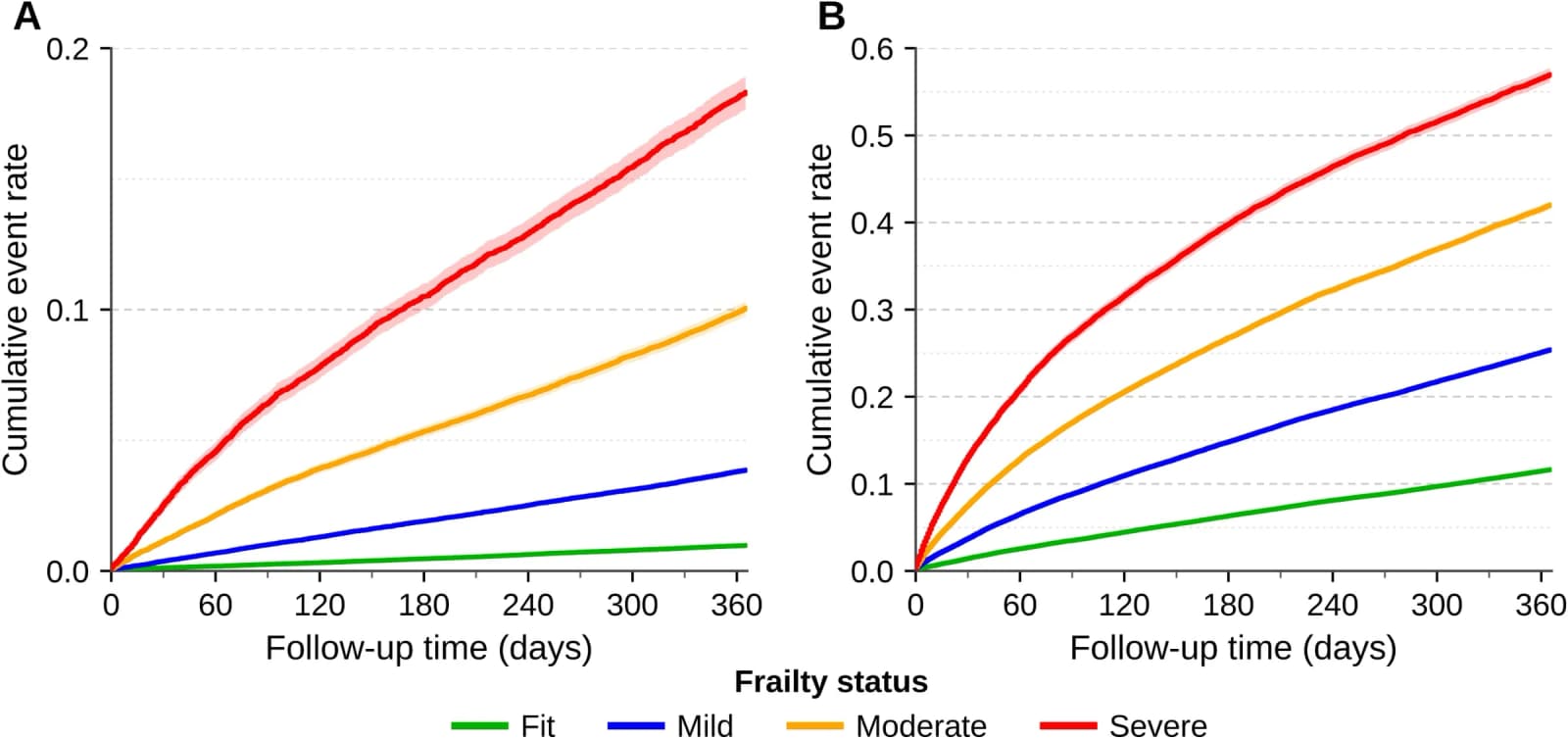
    One-year mortality was 18.7% in severely frail patients compared with 0.9% in fit individuals in an Israeli health maintenance organization.One-year mortality was 18.7% in severely frail patients compared with 0.9% in fit individuals in an Israeli health maintenance organization.

    One-year cumulative incidence by CeFI category in the validation cohort (n=320,729; index date: January 1, 2018).
    Preprint: cohort · 641,748 peopleBiomarkers
    Who was studied641,748 members aged 65 years and older, one year, against fit individuals
    What changedOne-year mortality was higher in severely frail patients than fit individuals: 18.7% against 0.9%
    The catchFollow-up for mortality was limited to one-year
    Paper
    medRxiv·Oct 28

    Five risk factors linked to cognitive scores, not decline

    An observational study followed 1,396 generally healthy adults aged 36–108 for an average of 5.0 years, separating cognitive performance from subsequent decline.An observational study followed 1,396 generally healthy adults aged 36–108 for an average of 5.0 years, separating cognitive performance from subsequent decline.

    Cognitive aging across the adult lifespan in the AABC cohort.
    Preprint: cohort · 1,396 peoplePopulations
    Who was studied1,396 generally healthy adults, mean follow-up 5.0 years
    What changedFive modifiable factors were associated with cognitive performance, but none with rate of decline
    The catchMean follow-up was 5.0 years, too short to detect cognitive decline
    Paper
    bioRxiv·Oct 28

    Losing the Frem3 gene lowers brain volume in aging mice

    Mice lacking Frem3 in excitatory brain cells showed widespread brain volume loss between young adulthood and middle age alongside lower cognitive performance.Mice lacking Frem3 in excitatory brain cells showed widespread brain volume loss between young adulthood and middle age alongside lower cognitive performance.

    Development of Frem3-cKO mice.
    Preprint: mouse studyMechanisms
    Who was studiedYoung adult and late middle-aged mice, against young adult Frem3-cKO mice
    What changedBrain volume was lower in late middle-aged Frem3-cKO mice than in young adults; controls showed no age-related difference
    The catchThe main test found no clear difference in age-related brain volume changes between genotypes
    Paper
    bioRxiv·Oct 28

    Immune signals linked to physical frailty in people

    Blood analyses in two aging cohorts of 22 and 33 people linked physical frailty to immune signals involved in cell movement and inflammation.Blood analyses in two aging cohorts of 22 and 33 people linked physical frailty to immune signals involved in cell movement and inflammation.

    Study design and derivation of age-adjusted TUG residuals.
    Preprint: cohort · 55 peopleImmune response
    Who was studied55 community-dwelling adults, three years
    What changedHigher levels of IFNγ–CXCR3 immune signals in blood were linked to greater physical frailty
    The catchOnly 55 people contributed to the frailty association
    Paper

    Tue, Oct 272 papers

    Research Square·Oct 27

    Questionnaire frailty score linked to later disability

    Over four to five years, disability risk ranged from 4.6% in the lowest frailty group to 19.8% in the highest in the US cohort.Over four to five years, disability risk ranged from 4.6% in the lowest frailty group to 19.8% in the highest in the US cohort. An observational analysis pooled four studies of 19,324 adults aged 50 or older who initially had no…

    Faceless people in dark blue-green stand among empty shirts and unheld bowls, beside a smaller group in light blue holding bowls.
    Preprint: cohort · 19,324 peopleDisability
    Who was studied19,324 initially non-disabled adults aged ≥50 years, 4–5 years
    What changedNew daily-activity limitations were more likely with higher questionnaire frailty scores (adjusted odds ratio 1.70)
    The catchFrailty scores are not comparable across different questionnaires
    Paper
    medRxiv·Oct 27

    Interventions for Cognitive Impairment in Type 2 Diabetes Mellitus: An Umbrella Review of Pharmacological and Lifestyle Strategies, Mechanisms, and Clinical Implications

    Graphical abstract
    Preprint: meta-analysis of randomized trialsCognitive impairment
    Paper

    Sat, Oct 243 papers

    bioRxiv·Oct 24

    Blood proteins offer a selective view of human tissue aging

    Levels of 50 muscle proteins and 17 ovarian proteins correlated with their levels in blood plasma in an observational study of adults aged 20–87.Levels of 50 muscle proteins and 17 ovarian proteins correlated with their levels in blood plasma in an observational study of adults aged 20–87.

    Study overview. Schematic of the study design in 178 adults aging cohort (20–87 years), in which 5,415 proteins were quantified across plasma (N = 169), muscle tissue (N = 57), and ovary tissue (N =…
    Preprint: cross-sectional studyBiomarkers
    Who was studiedAdults with matched blood and tissue samples
    What changedBlood levels tracked tissue levels for fewer than 1% of measured proteins in muscle or ovary
    The catchThe assay sparsely samples intracellular proteins, limiting its view of tissue aging
    Paper
    bioRxiv·Oct 24

    Testes may aid survival early but harm it later in male mice

    Castration at 240 days increased median lifespan by 32.9%, compared with increases of 19.3% at 20 days and 25.8% at 60 days.Castration at 240 days increased median lifespan by 32.9%, compared with increases of 19.3% at 20 days and 25.8% at 60 days. In an animal experiment, researchers removed the testes of male UM-HET3 mice, a stock with varied genetic…

    Castration at several ages extends male lifespan and reveals age-dependent effects of testicular factors on survival.
    Preprint: mouse studyMechanisms
    Who was studiedMale UM-HET3 mice, until death or euthanasia, against males castrated before puberty
    What changedMice castrated at 240 days lived longer than those castrated before puberty: median lifespans were 937 versus 841 days
    The catchMice euthanized for severe illness or tumors were censored rather than counted as deaths
    Paper
    bioRxiv·Oct 24

    Age-linked gene activity varies in a human memory region

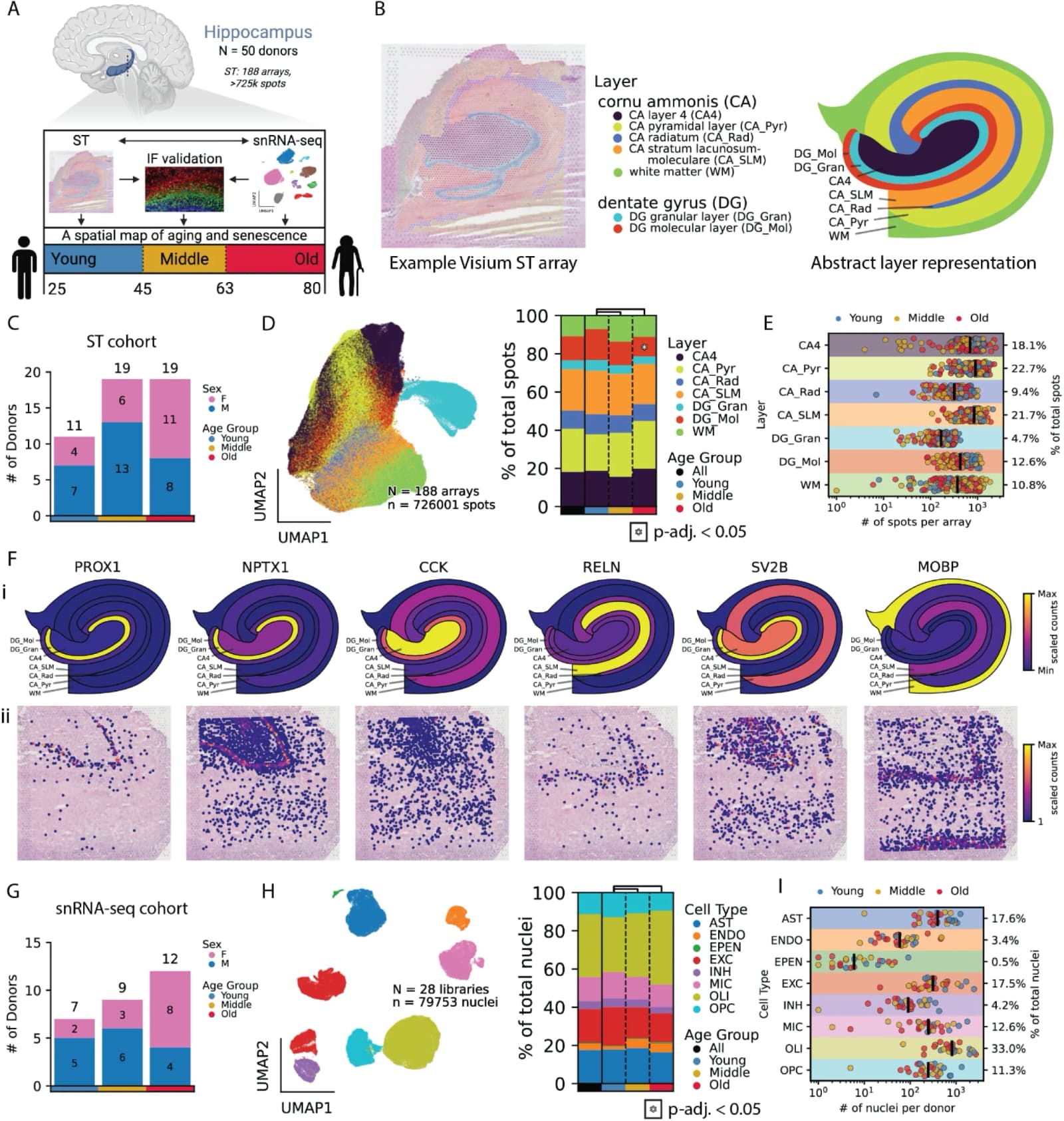
    An observational study of human hippocampi collected after death found age-related gene activity patterns that differed by cell type, location and sex.An observational study of human hippocampi collected after death found age-related gene activity patterns that differed by cell type, location and sex.

    A multi-omic atlas of the aging human hippocampus.
    Preprint: cross-sectional · 49 peopleMechanisms
    Who was studied49 adult postmortem hippocampus donors, against young donors
    What changedHippocampal gene activity differed between older and younger donors, with patterns varying by sex, cell type, and anatomical layer
    The catchNucleus extraction undersampled vascular cells, limiting comparisons of their age-related gene activity
    Paper

    Fri, Oct 232 papers

    bioRxiv·Oct 23

    Tests back predicted gene links in aging human skin cells

    Experiments confirmed 53.8% of testable gene interactions predicted in human skin cells, a higher share than other methods or random predictions.Experiments confirmed 53.8% of testable gene interactions predicted in human skin cells, a higher share than other methods or random predictions.

    Inferring mechanistic interactions in the transcriptome.
    Preprint: human cell studySkin
    Who was studiedHuman dermal fibroblasts, Day 16 post transduction, against DeepSEM predictions
    What changedTests confirmed 53.8% of predicted gene links, versus 42.4% with the competing DeepSEM method
    The catchViral delivery and drug selection inflated validation; excluding affected genes reduced confirmation to 30%
    Paper
    Research Square·Oct 23

    Menopause and accelerated decline in the physical component of intrinsic capacity in Chinese women: a longitudinal cohort study

    Flow of participants through the study.
    Preprint: cohort study of 4,944 peopleMenopause
    Paper

    Thu, Oct 221 paper

    Research Square·Oct 22

    Frailty links to distinct muscle and protein changes by sex

    In 208 older adults, frailty was linked to muscle and bone loss in females, while males showed lower leg strength and altered muscle protein breakdown.In 208 older adults, frailty was linked to muscle and bone loss in females, while males showed lower leg strength and altered muscle protein breakdown.

    Group differences in muscle health and exercise capacity in the whole group, males, and females; peak leg torque extension (a), 6MWT distance (d), and lean soft tissue (g) in whole group, and peak…
    Preprint: cross-sectional · 208 peopleMuscle
    Who was studied208 older adults
    What changedProtein breakdown and muscle mass were lower in frail females, while leg muscle strength was lower in frail males
    The catchLower protein intake and age track with protein breakdown and may confound the results
    Paper

    Wed, Oct 21

    medRxiv·Oct 21

    Biological age measured by DNA methylation clocks and mortality: A systematic review and meta-analysis

    Flow chart of search strategy.
    Preprint: meta-analysis of observational studiesBiomarkers
    Paper
    Research Square·Oct 21

    Hearing age gap linked to higher mortality in adults

    Among 13,331 US adults, each additional year of hearing age gap was associated with higher mortality, with an adjusted hazard ratio of 1.024.Among 13,331 US adults, each additional year of hearing age gap was associated with higher mortality, with an adjusted hazard ratio of 1.024.

    Ear cutaways beside strong and faint sound waves, with white gaps in a dark blue-green group of people and an intact gray group.
    Preprint: cohort · 13,331 peopleBiomarkers
    Who was studied13,331 US adults
    What changedDeath from any cause was higher with each additional year of hearing age gap (hazard ratio 1.024)
    The catchThe mortality association weakened after accounting for average hearing thresholds in the external cohort
    Paper