Nuclear lamina

Papers on nuclear lamina

350 papers11 new in 30 days

Wednesday, November 18

Tuesday, November 17

Monday, November 16

bioRxiv

Loss of nuclear support proteins harms mouse hearts and arteries

Median survival was 14.6% lower in artery-disease-prone mice lacking the proteins in blood-vessel-lining cells than in comparison mice.Median survival was 14.6% lower in artery-disease-prone mice lacking the proteins in blood-vessel-lining cells than in comparison mice.

An artery narrowed by fatty deposits and lined with irregular cell nuclei sits beside a clearer vessel, a scarred heart, and a small mouse.
Preprint: mouse studyMechanisms

Thursday, November 12

Circulation Research

Restoring an enzyme improved blood vessel function in aged mice

Restoring the enzyme NNMT in cells lining blood vessels improved vessel widening and reduced arterial stiffness in aged mice; lowering NNMT worsened both.Restoring the enzyme NNMT in cells lining blood vessels improved vessel widening and reduced arterial stiffness in aged mice; lowering NNMT worsened both.

An opened dark blue-green artery with a wide lumen and enzyme-rich lining sits beside a narrower gray artery with fewer enzymes and a laboratory mouse.
Mouse studyInterventions

Tuesday, November 3

NPJ Aging

Protein loss disrupts nuclear structure in primate cells

Restoring the protein’s activity restored nuclear structure and the ability to divide in cells from aged non-human primates and animals modeling a premature-aging…Restoring the protein’s activity restored nuclear structure and the ability to divide in cells from aged non-human primates and animals modeling a premature-aging disorder.

Figure from NPJ Aging
Animal cell studyMechanisms
Aging Cell

A protein helped limit aging-related changes in stem cells

Experiments in stem cells found that increasing a protein preserved the structure of their DNA-containing nuclei and counteracted senescence, a state in which cells stop…Experiments in stem cells found that increasing a protein preserved the structure of their DNA-containing nuclei and counteracted senescence, a state in which cells stop dividing.

TOP2A expression is decreased in senescent human MSCs.
Experiments in cellsMechanisms

Saturday, October 31

Friday, October 30

Aging and Disease

Human colorectal cancer cells become more vulnerable to two drugs

In lab experiments, activating an odor-sensing receptor induced a state resembling senescence, when cells stop dividing, and increased cancer cells’ susceptibility to two…In lab experiments, activating an odor-sensing receptor induced a state resembling senescence, when cells stop dividing, and increased cancer cells’ susceptibility to two drugs.

An enlarged colorectal cancer cell with dark nuclear clusters sits between crowded intact cells and scattered dying cells breaking into fragments.
Human cell studyColorectal cancer

Wednesday, October 28

Thursday, October 22

bioRxiv

Excess cell size drives senescence by altering RNA in cells

Experiments in cultured cells show that cell enlargement reorganizes DNA and alters RNA splicing, while restoring a single protein variant resumes cell division.Experiments in cultured cells show that cell enlargement reorganizes DNA and alters RNA splicing, while restoring a single protein variant resumes cell division.

Excess G₁ cell size activates p53-p21 signaling.
Preprint: human cell studyCellular senescence

Wednesday, October 14

Journal of Neuroinflammation

Protein loss promotes age-linked brain cell activation in mice

In experiments, aged mice lacking the protein showed stronger age-linked brain cell activation, but no obvious loss of nerve insulation or faster decline in movement.In experiments, aged mice lacking the protein showed stronger age-linked brain cell activation, but no obvious loss of nerve insulation or faster decline in movement.

Figure from Journal of Neuroinflammation
Mouse studyMechanisms

Friday, October 9

bioRxiv

Nuclear anchors weaken in senescent cultured human retinal cells

In a laboratory experiment, chemically induced senescent human retinal cells showed increased mobility and altered binding of proteins that anchor DNA to the nuclear…In a laboratory experiment, chemically induced senescent human retinal cells showed increased mobility and altered binding of proteins that anchor DNA to the nuclear scaffold.

Modelling cellular senescence in RPE cells.
Preprint: experiments in human cellsCellular senescence
Advanced Science

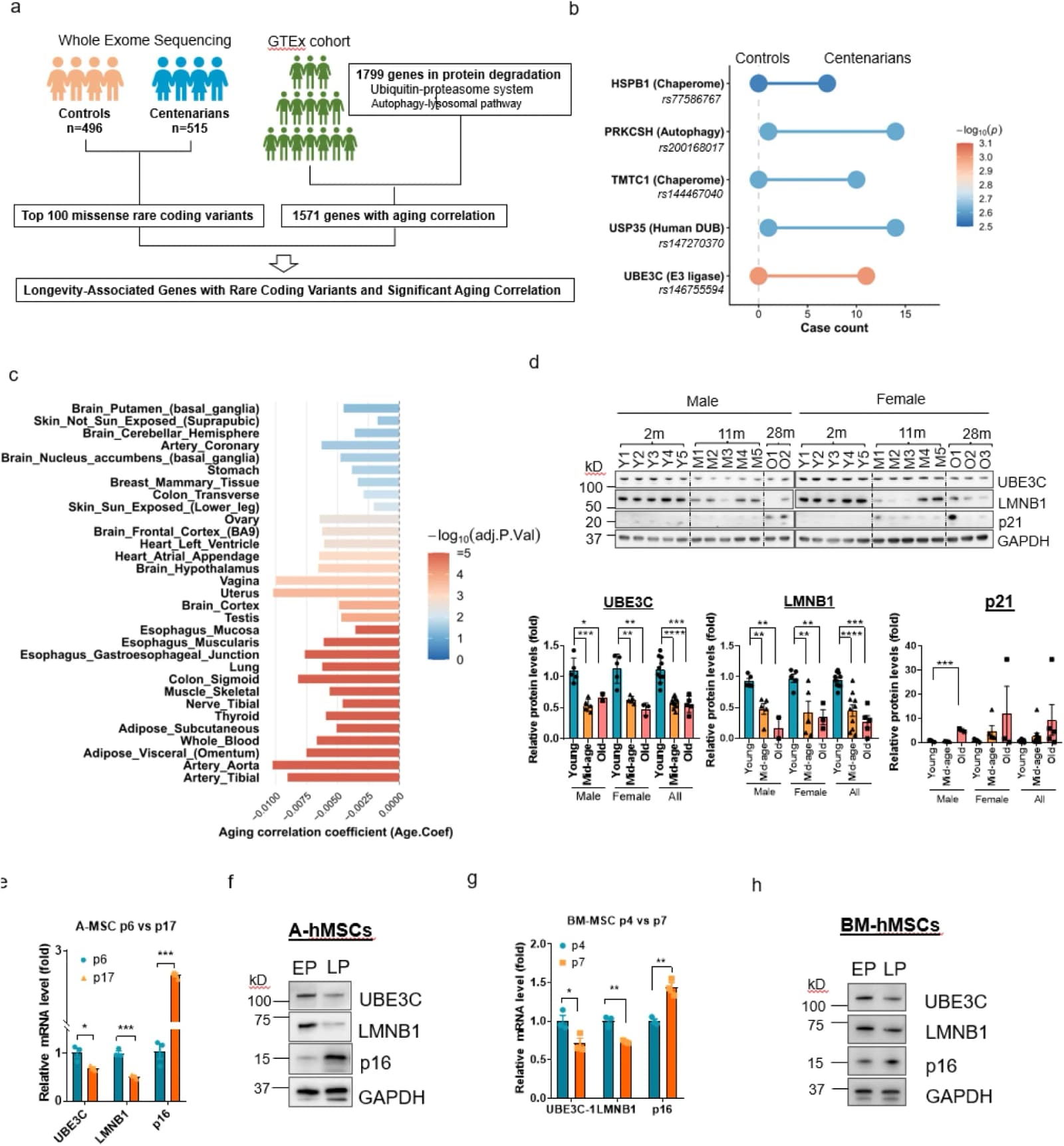
Lamin B1 deficiency impairs bone formation in stem cells

In bone marrow stem cells linked to senile osteoporosis, lamin B1 loss triggered a form of cell death that disrupted mitochondria and impaired bone formation.In bone marrow stem cells linked to senile osteoporosis, lamin B1 loss triggered a form of cell death that disrupted mitochondria and impaired bone formation.

Figure from Advanced Science
Experiments in cellsBones and joints

Wednesday, September 30

Friday, September 18

Friday, September 11

Wednesday, September 2

Sunday, August 30

Saturday, August 29

Thursday, August 27

Thursday, August 20

Monday, August 17

Molecules and Cells

Premature-aging mutations promote abnormal bonds in lab-grown cells

Experiments in human cells producing extra nuclear support proteins found that one of the mutations also deformed the cells’ nuclei.Experiments in human cells producing extra nuclear support proteins found that one of the mutations also deformed the cells’ nuclei.

Figure from Molecules and Cells
Human cell studyMechanisms

Sunday, August 2

Tuesday, July 28

Sunday, July 26

Wednesday, July 15

Tuesday, July 14

Thursday, July 9