Lamin B1 deficiency impairs bone formation in stem cells
In bone marrow stem cells linked to senile osteoporosis, lamin B1 loss triggered a form of cell death that disrupted mitochondria and impaired bone formation.
Advanced Science
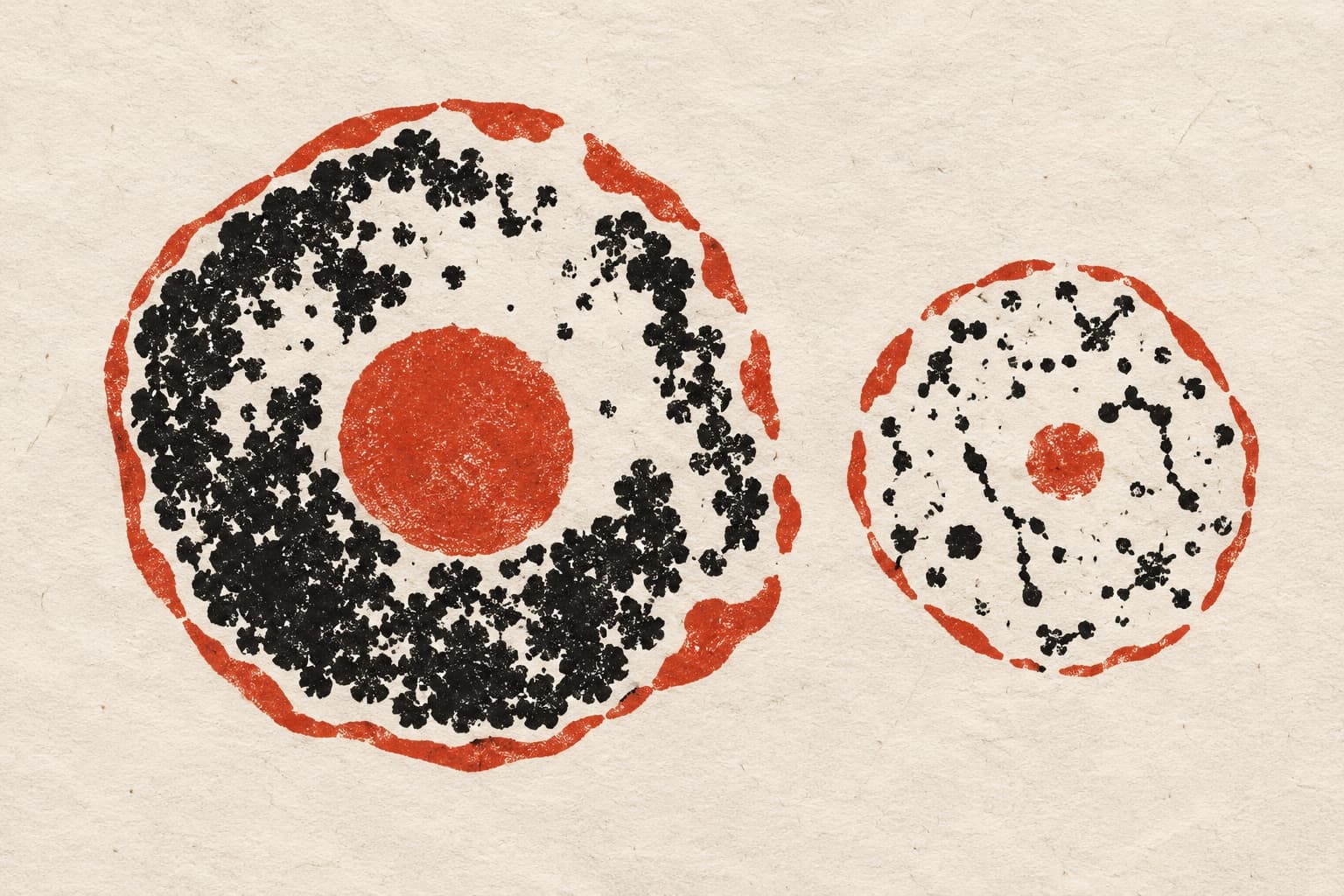
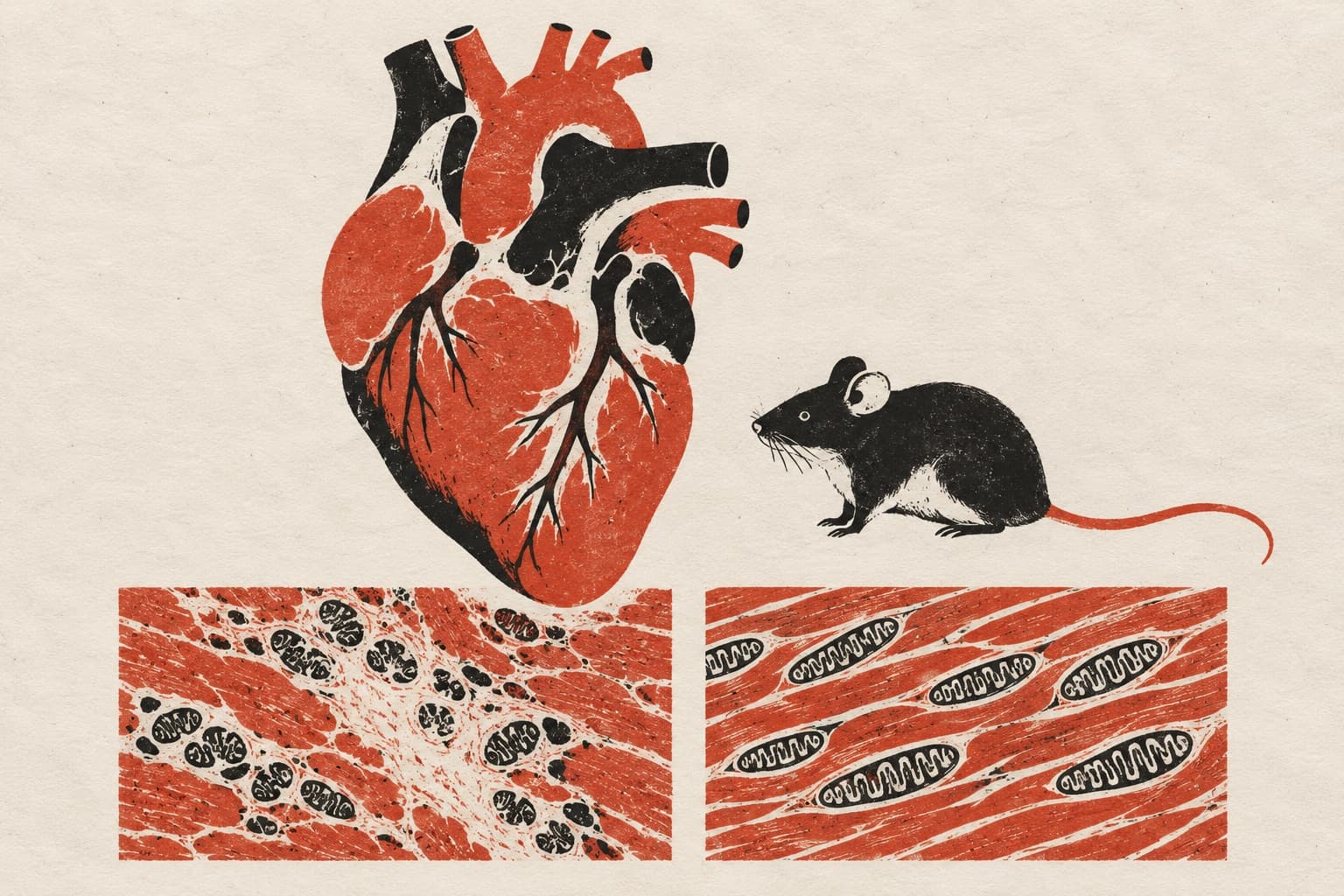
In an experiment using bone marrow-derived mesenchymal stem cells linked to senile osteoporosis, researchers examined how aging impairs bone formation. They found that an age-related loss of lamin B1 caused detachment of lamina-associated domains. This led to the formation of super-enhancers, clusters of regulatory DNA that drove production of the transporter protein SLC7A11. Elevated SLC7A11 activated disulfidptosis, a form of cell death that formed abnormal chemical bonds in actin fibres and collapsed the internal skeleton of the cell. This structural collapse disrupted binding with DRP1, a protein needed for mitochondrial division. Intercepting mitochondrial division caused dysfunction in cellular energy generation and impaired osteogenesis, the process by which stem cells build bone. Using virtual molecular screening, the team also identified the drug naldemedine as an inhibitor of this pathway.
Why it matters
Senile osteoporosis weakens bones in older adults, partly because skeletal stem cells lose their ability to generate new bone tissue. Uncovering this specific cell-death mechanism highlights potential biological targets for therapies designed to protect aging bones.
Caveats
The molecular mechanism was examined in mesenchymal stem cells, and naldemedine was identified through virtual molecular screening. Clinical studies are still needed to determine whether targeting this pathway can safely prevent bone loss in people.
The paper
Show 9 more authors
Guan Zheng, Junhua Chen, Yipeng Zeng, Zipeng Xiao, Zibin Chen, Ziqian Liu, Yangfeng Lin, Jiajie Lin, Zepeng Su,The Eighth Affiliated Hospital of Sun Yat-Sen University
Advanced Science · 8 Oct 2026