Protein loss promotes age-linked brain cell activation in mice
In experiments, aged mice lacking the protein showed stronger age-linked brain cell activation, but no obvious loss of nerve insulation or faster decline in movement.
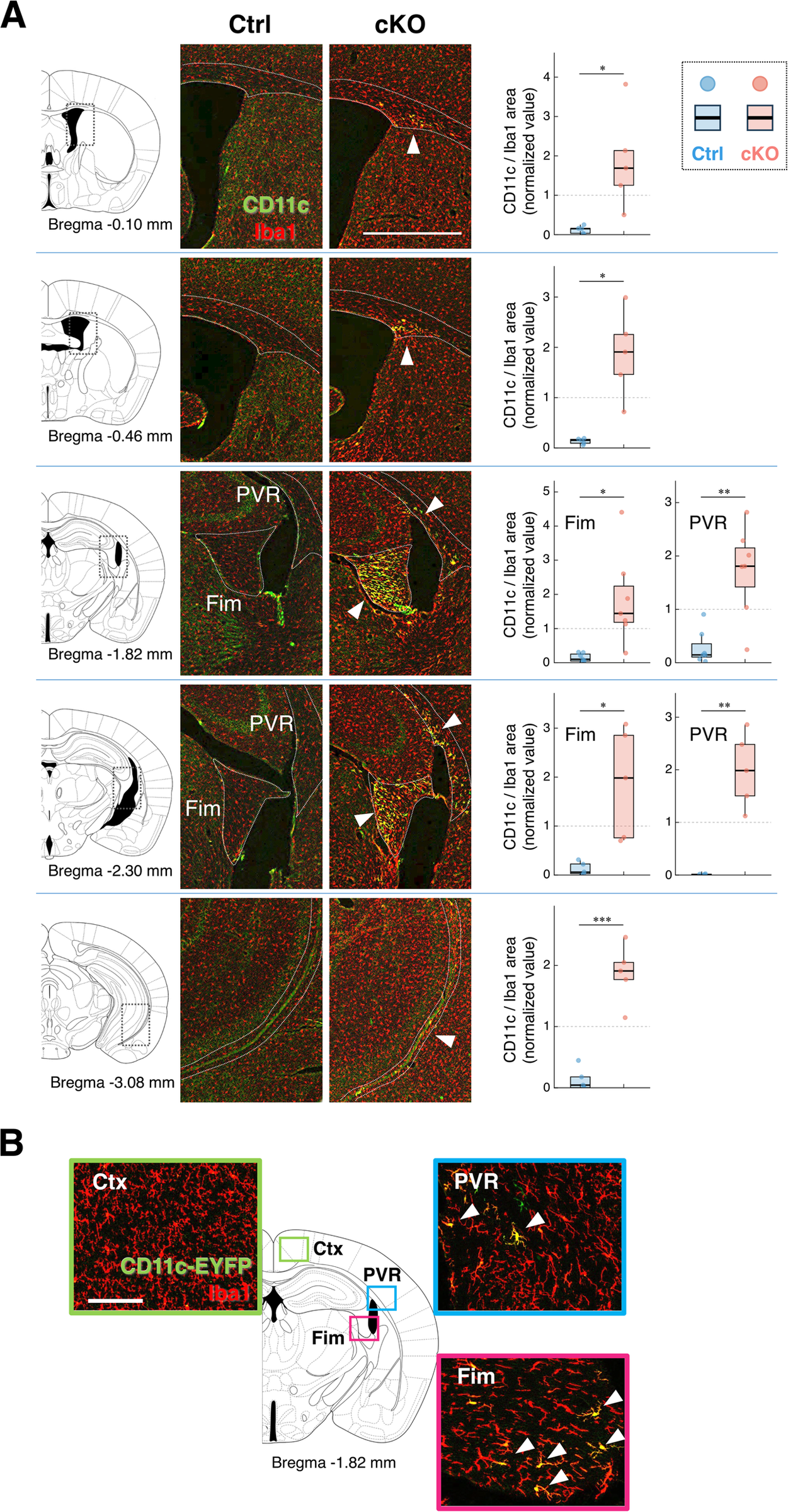
In an experiment in adult and aged mice, researchers deleted SIRPα, a receptor protein, specifically from microglia, the brain’s immune cells. They examined white matter, which contains bundles of nerve fibres covered by an insulating layer called myelin. Adult mice lacking the protein already showed patterns of gene activity associated with aging. Microglia and astrocytes, cells that support nerve cells, showed increased activation in white matter.
Tests indicated aging-associated activation rather than senescence, a state in which cells stop dividing. Aged mice lacking the protein showed more pronounced aging-associated activation than aged controls. The researchers found no obvious myelin loss using staining for a myelin protein. Performance on a rotating-rod test of movement was better preserved than in aged controls.
Why it matters
White matter is a major site of brain cell activation during aging. Identifying the signals that regulate this process could help researchers understand how immune and support cells respond to an aging brain.
Caveats
The experiments did not determine whether the activation was adaptive or an early stage of persistent activation whose effects were still being compensated for. These findings concern mice, and the assessment of myelin loss used a protein marker.
The paper
Microglial SIRPα loss promotes and accelerates aging-associated glial activation in white matter
Journal of Neuroinflammation, 14 Oct 2026, CC BY