Ceramide

Papers on ceramide

345 papers22 new in 30 days

Tuesday, November 17

Journal of Lipid Research

Blood fat patterns linked to cognitive decline after surgery

A model combining blood fats and clinical measures scored 0.817 at distinguishing postoperative cognitive decline, versus 0.734 for clinical measures alone.A model combining blood fats and clinical measures scored 0.817 at distinguishing postoperative cognitive decline, versus 0.734 for clinical measures alone.
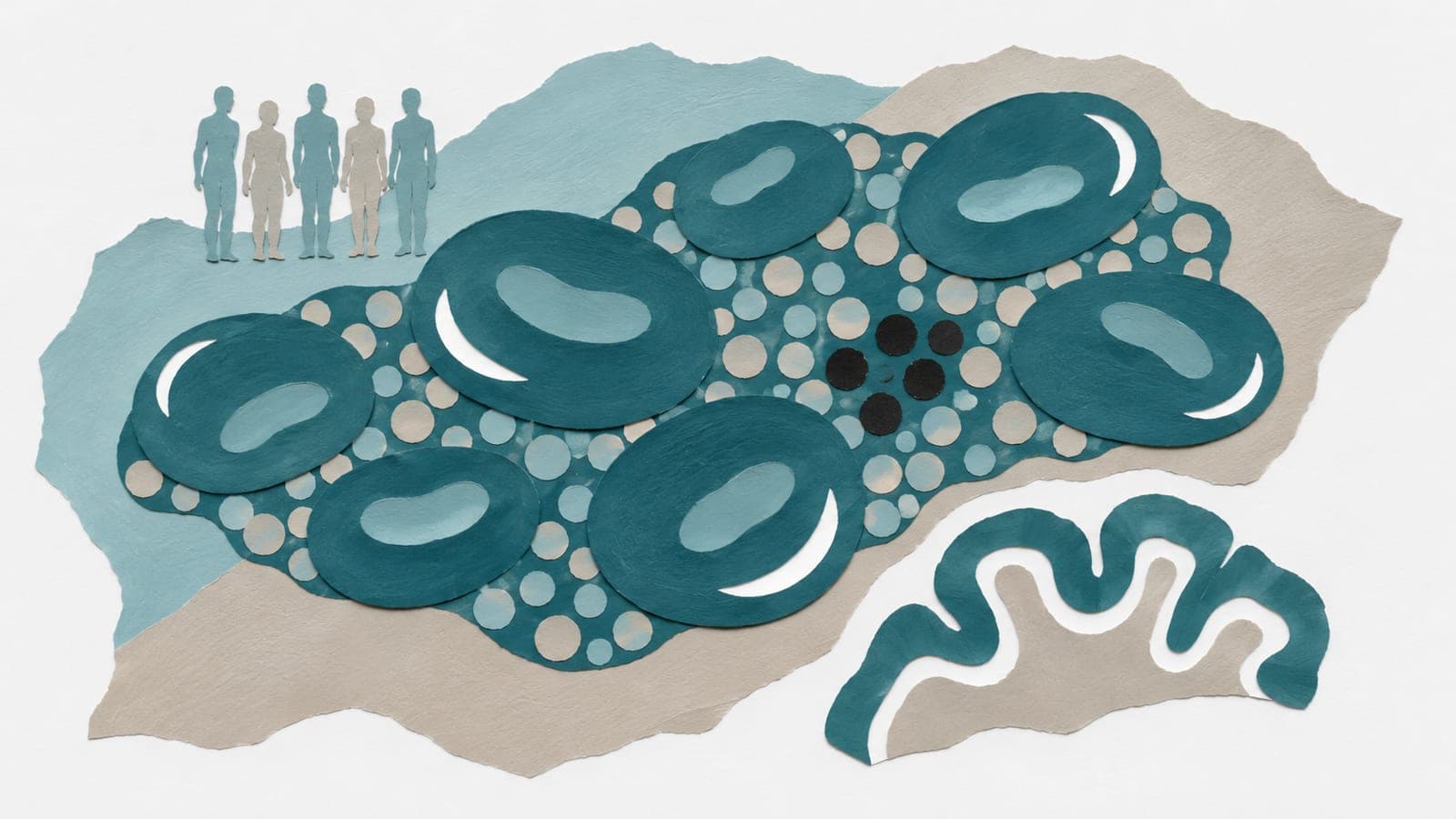
Blood cells surround varied pale lipid particles and a dark cluster, with folded brain tissue below and small upright human figures nearby.
Cohort · 110 peopleBiomarkers

Saturday, November 14

Friday, November 13

Thursday, November 12

Monday, November 9

Saturday, November 7

Thursday, November 5

Monday, November 2

EMBO Reports

Amyloid linked to reduced mitochondrial cleanup in neurons

Experiments in neuronal cells linked amyloid precursor protein and one amyloid fragment to reduced removal of damaged mitochondria, the cells’ energy-producing…Experiments in neuronal cells linked amyloid precursor protein and one amyloid fragment to reduced removal of damaged mitochondria, the cells’ energy-producing structures.

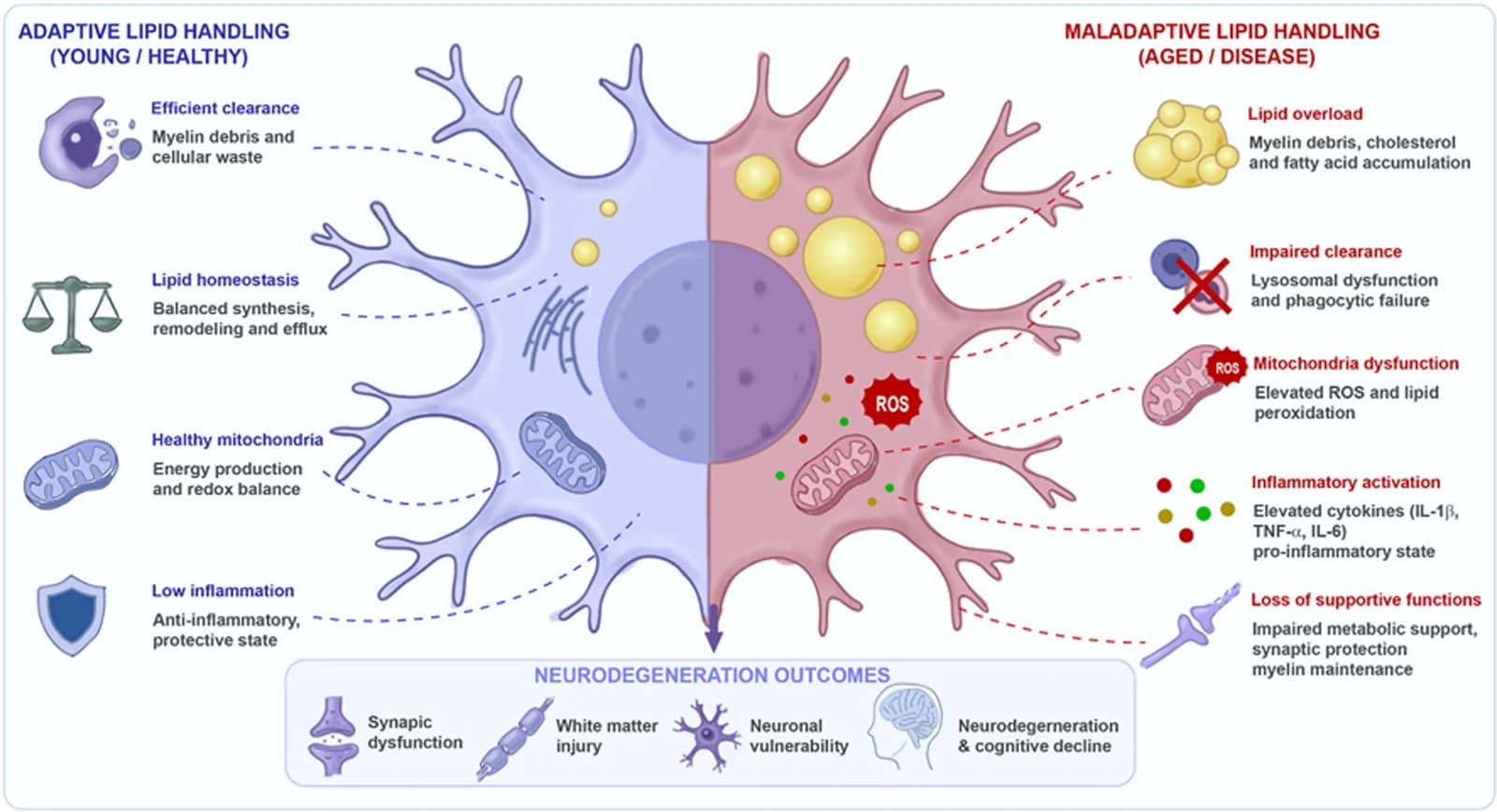
Decreased mitochondrial ceramide levels and altered mitochondrial function in Alzheimer’s disease (AD) models.
Human cell studyInterventions

Thursday, October 29

Wednesday, October 28

Tuesday, October 27

Monday, October 26

Sunday, October 25

Tissue & Cell

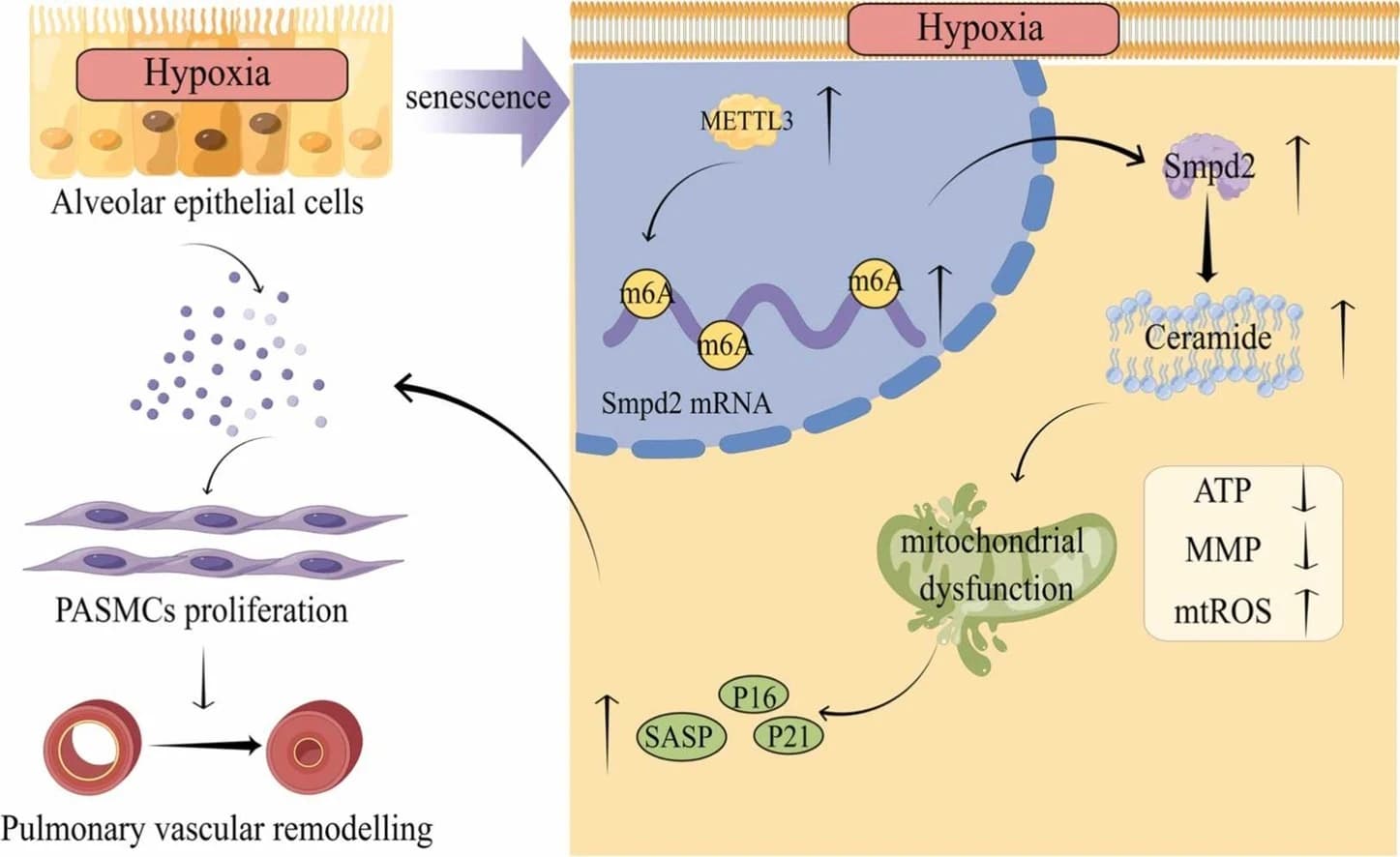
Cell changes may contribute to high lung blood pressure in rats

A four-week low-oxygen experiment in rats found changes in lung-lining cells and identified interventions that eased disease progression.A four-week low-oxygen experiment in rats found changes in lung-lining cells and identified interventions that eased disease progression.

Figure from Tissue & Cell
Rat studyLung

Saturday, October 24

Friday, October 16

Molecular Biomedicine

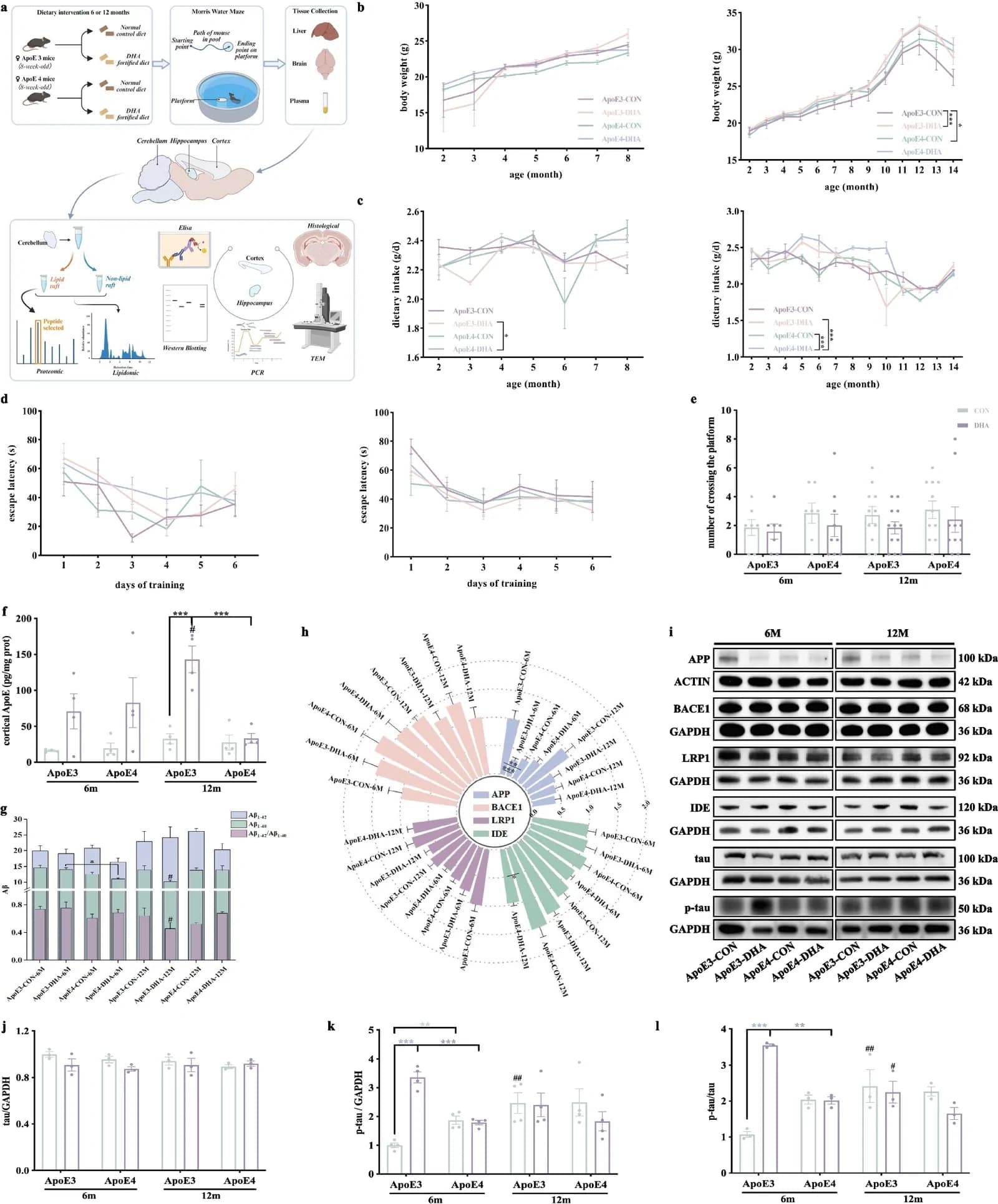
Dietary fat rebalanced brain membrane fats in mice

Docosahexaenoic acid restored brain energy function in six- and 12-month dietary experiments in female mice carrying a human gene variant linked to Alzheimer’s disease.Docosahexaenoic acid restored brain energy function in six- and 12-month dietary experiments in female mice carrying a human gene variant linked to Alzheimer’s disease.

Growth, Behavioral Performance, and Cortical AD-Related Marker Levels in Mice.
Mouse studyInterventions

Saturday, October 10

Research Square

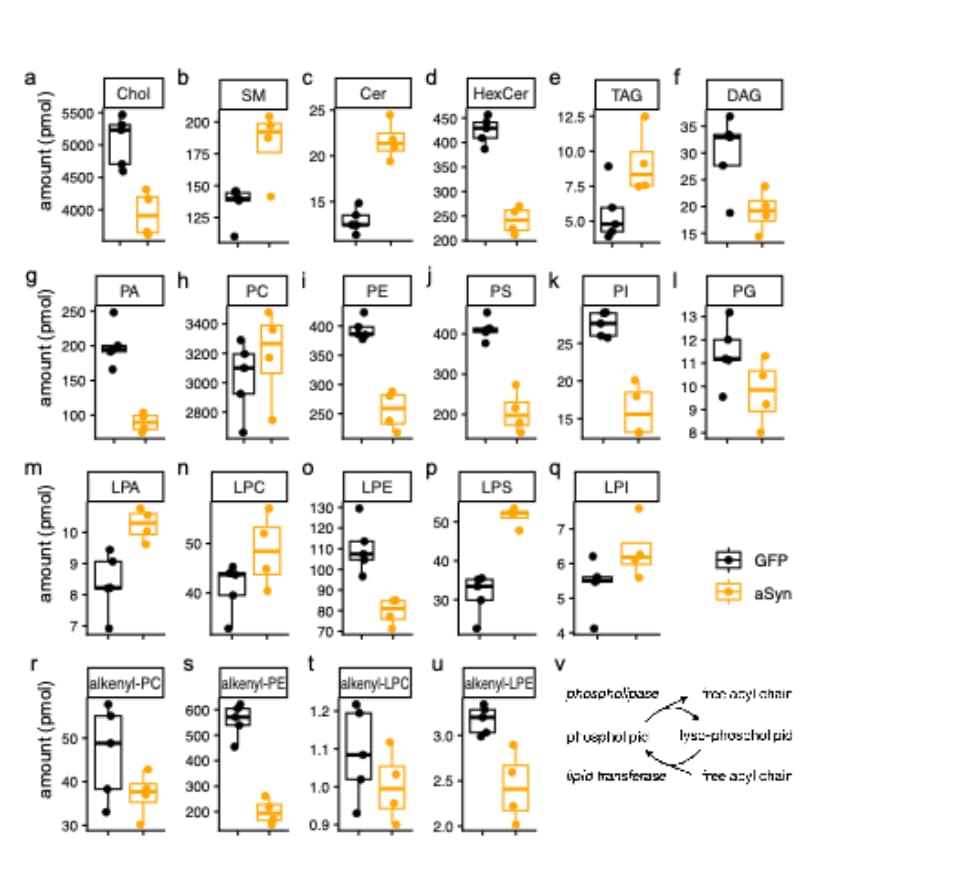
Alpha-synuclein pathology alters lipids in mice and human cells

In mouse midbrain and cultured human neurons, alpha-synuclein pathology led to shorter, more saturated lipid chains, an effect largely reversed in mice by intermittent…In mouse midbrain and cultured human neurons, alpha-synuclein pathology led to shorter, more saturated lipid chains, an effect largely reversed in mice by intermittent fasting.

Absolute amounts of lipid classes in pmol.
Preprint: experiments in miceMechanisms

Thursday, October 8

Research Square

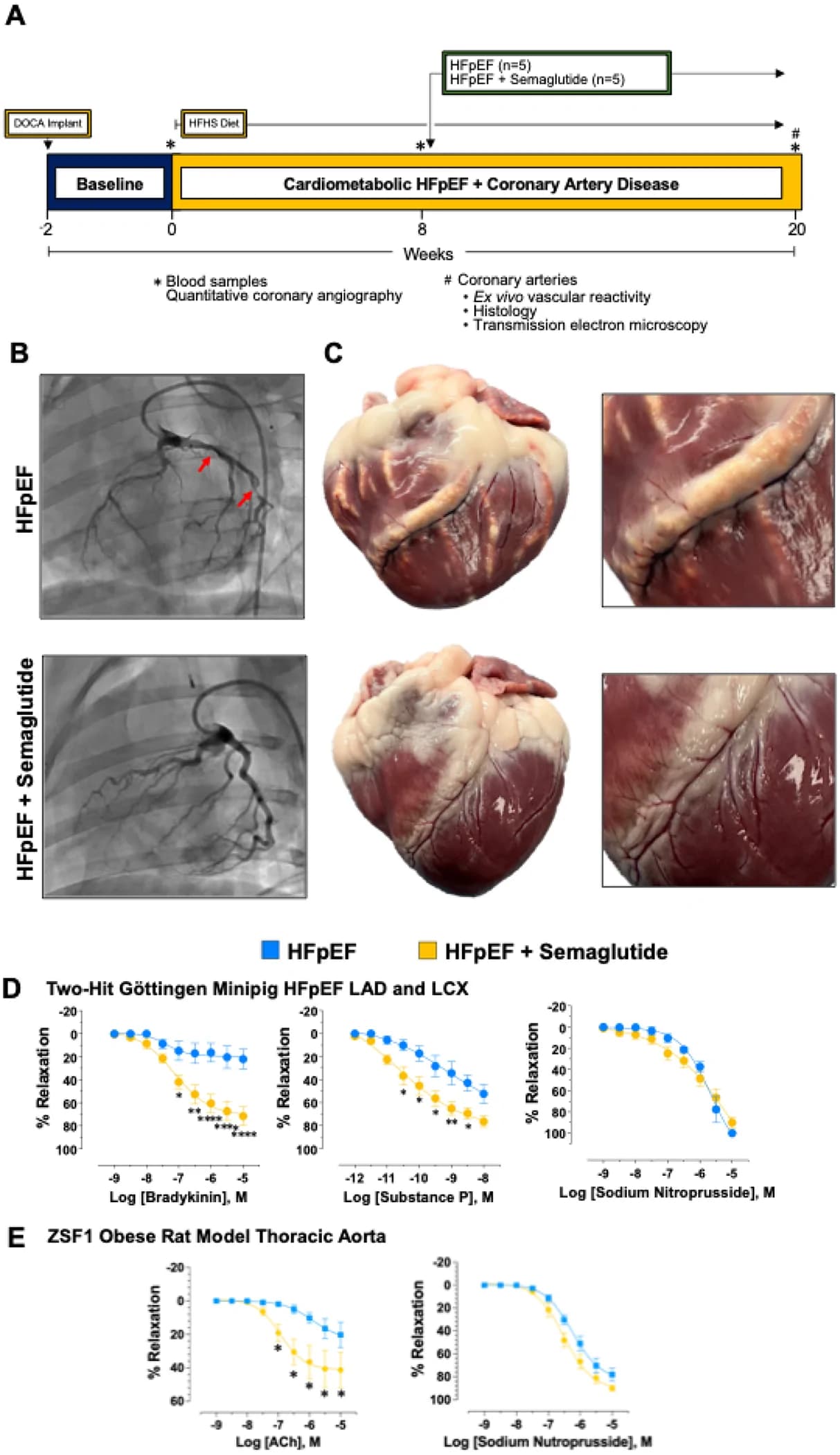
Semaglutide improved heart artery function in pigs

In pigs with metabolic syndrome and coronary artery disease, semaglutide improved blood vessel widening without weight loss.In pigs with metabolic syndrome and coronary artery disease, semaglutide improved blood vessel widening without weight loss.

Semaglutide improves coronary and aortic endothelium-dependent vasodilation independent of weight loss.
Preprint: experiments in pigsSemaglutide

Saturday, October 3

Friday, October 2

Thursday, October 1

Wednesday, September 30

Tuesday, September 29

JCI Insight

Mild caloric restriction accelerates atherosclerosis in mice

In ApoE-deficient mice fed for six months, mild food restriction reduced weight gain by 5% but increased circulating cholesterol and accelerated plaque formation.In ApoE-deficient mice fed for six months, mild food restriction reduced weight gain by 5% but increased circulating cholesterol and accelerated plaque formation.

Artery cross-sections beside mice show bulky plaques and clustered inflammatory cells with sparse food, and smaller plaques with plentiful food.
Experiments in miceDietary restriction