Dietary fat rebalanced brain membrane fats in mice
Docosahexaenoic acid restored brain energy function in six- and 12-month dietary experiments in female mice carrying a human gene variant linked to Alzheimer’s disease.
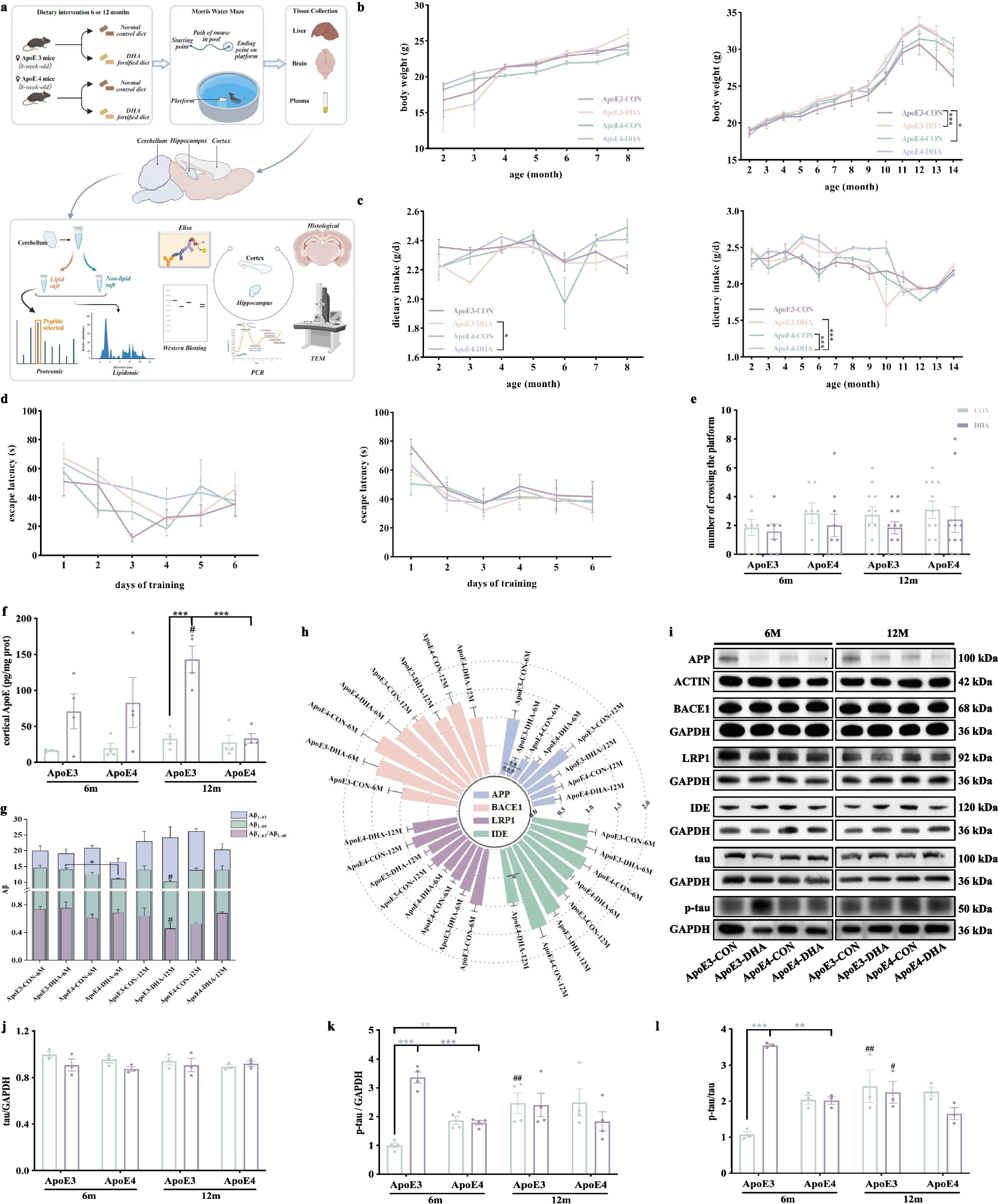
The animal experiment used female mice carrying two copies of either the human APOE3 or APOE4 gene variant. APOE4 is the strongest genetic risk factor for Alzheimer’s disease. The researchers tested diets containing docosahexaenoic acid (DHA), a dietary fat, for six or 12 months. They assessed behaviour, tissue changes, fats and proteins.
Mice carrying APOE4 developed severe fat accumulation in the liver, brain inflammation and stiffer lipid rafts—small membrane regions rich in cholesterol and other fats. DHA rebalanced fats in these regions and restored the energy-producing function of mitochondria, structures that supply cells with energy. The findings linked disturbances in liver metabolism with disruption of these brain membrane regions.
Why it matters
The work points to fats in specific brain membrane regions as potential targets for early Alzheimer’s intervention tailored to genetic risk.
Caveats
This animal experiment does not establish whether DHA prevents or treats Alzheimer’s disease in people. The study used only female mice, and the abstract did not report sample sizes or dietary doses.
The paper
Capital Medical University
Molecular Biomedicine, 15 Oct 2026