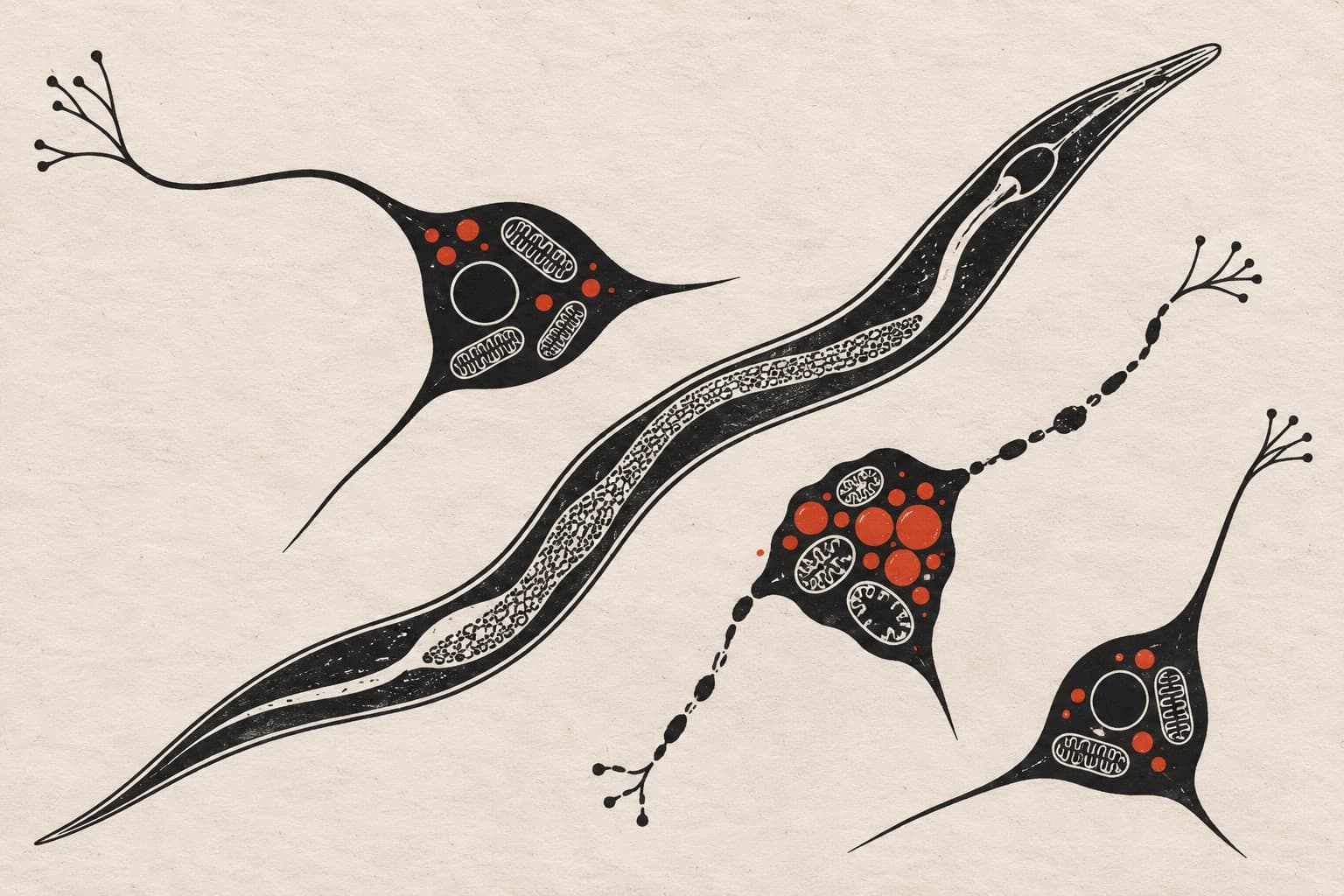
Suppressing neuronal dENL/AF9 shifts metabolic and energetic profiles in aged flies
Multi-omics profiling in Drosophila links chromatin regulation to increased ATP, higher NAD-to-NADH ratios, and altered lipid metabolism in aged heads.
bioRxiv
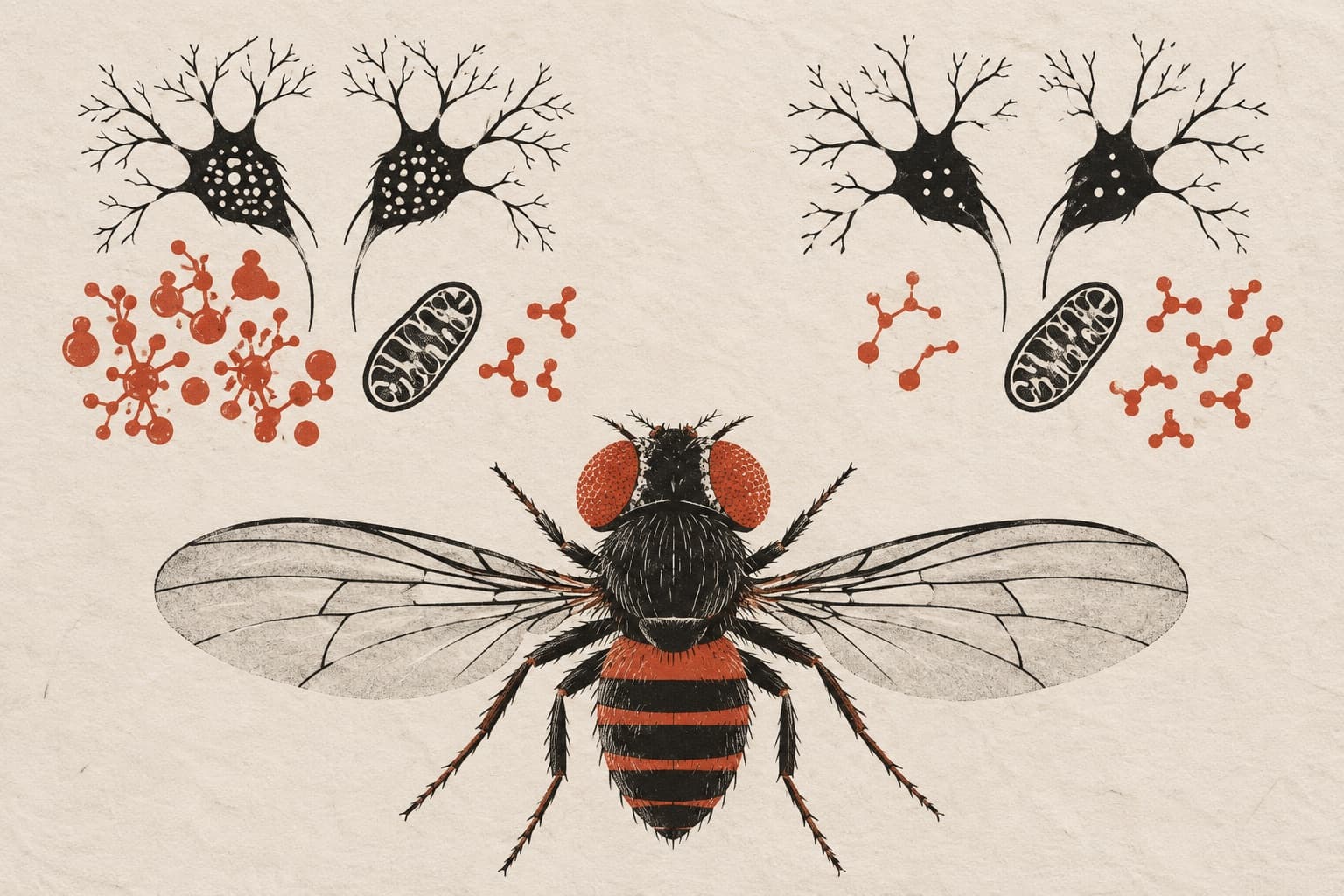
In aged male fruit flies (Drosophila), pan-neuronal suppression of dENL/AF9 drives a distinct metabolic and energetic signature. Researchers used multi-omics and biochemical analyses to profile heads from flies with reduced neuronal levels of this chromatin regulator. Transcriptomic profiling showed a stronger response in aged male heads than young ones, especially in fatty-acid degradation and intermediary metabolic pathways. Focusing on aged fly heads, the team found decreased abundance of multiple triglycerides and fatty acid derivatives through lipidomics. Metabolomic analysis revealed alterations in central-carbon, TCA, nicotinamide, and purine pathways. Proteomics pointed to mitochondrial and ATP-associated processes, matching measured increases in ATP abundance and a higher NAD/NADH ratio. Integrated analyses further identified citrate as a cross-omics feature inversely tied to changes in triglycerides and ceramides.
Why it matters
The findings map metabolic correlates of extended lifespan and stress resistance linked to neuronal chromatin regulators during aging. They outline how metabolite-sensitive proteins may govern energy maintenance in the aging brain.
Caveats
This study is a preprint that has not yet undergone peer review. The findings are based entirely on male fruit flies, and their relevance to mammalian aging remains to be established.
The paper
Chiang Mai University
bioRxiv · 2 Oct 2026 · CC BY-NC-ND · Preprint, not peer-reviewed