Transcriptomic age

Papers on transcriptomic age

100 papers8 new in 30 days

Monday, November 16

Gut Microbes Reports

Depleting gut microbes reduced frailty in older male mice

An experiment in groups of 7–10 male mice found frailty scores closer to young-mouse values after four weeks of antibiotics or lifelong germ-free rearing.An experiment in groups of 7–10 male mice found frailty scores closer to young-mouse values after four weeks of antibiotics or lifelong germ-free rearing.

Aging-related frailty is associated with alterations in the gut microbiome.
Mouse studyMechanisms

Friday, November 6

bioRxiv

RNA changes with age differ by sex in rhesus macaque brains

An analysis of 24 rhesus macaques identified 594 age-associated changes in levels of RNA versions, some shared between sexes and others sex-specific.An analysis of 24 rhesus macaques identified 594 age-associated changes in levels of RNA versions, some shared between sexes and others sex-specific.

Hippocampal tissue curls around branching strands of varied lengths and star-shaped support cells, with small dark blue-green and gray macaques below.
Preprint: cross-sectional studyMechanisms

Wednesday, November 4

NPJ Aging

RNA patterns varied with age in human lung and brain tissue

An observational analysis of human lung and brain tissue mapped age-related differences in chemical marks on RNA and how RNA molecules were processed.An observational analysis of human lung and brain tissue mapped age-related differences in chemical marks on RNA and how RNA molecules were processed.

Figure from NPJ Aging
Cross-sectional studyLung

Tuesday, November 3

Friday, October 30

Briefings in Bioinformatics

Blood aging clock maps aging-like changes in COVID-19

People with COVID-19 had blood gene-activity age estimates averaging 9.34 years above a healthy-aging reference after correction for each cohort’s baseline.People with COVID-19 had blood gene-activity age estimates averaging 9.34 years above a healthy-aging reference after correction for each cohort’s baseline.

Figure from Briefings in Bioinformatics
Cross-sectional · 469 peopleCOVID-19

Thursday, October 29

Sunday, October 25

Thursday, October 22

bioRxiv

Muscle aging patterns differ by sex across six species

Across all six species, researchers identified four female-biased and 18 male-biased aging markers, plus three markers shared by both sexes.Across all six species, researchers identified four female-biased and 18 male-biased aging markers, plus three markers shared by both sexes.

Overview of samples and study design.
Preprint: cross-sectional studyBiomarkers

Sunday, October 18

Thursday, October 15

Nature Aging

Boosting a protein reduced frailty progression in aged mice

Induced protein production reduced frailty progression by 44% in aged mice and was associated with a 14% extension of median lifespan.Induced protein production reduced frailty progression by 44% in aged mice and was associated with a 14% extension of median lifespan.

Figure from Nature Aging
Mouse studyInterventions

Tuesday, October 13

bioRxiv

Ovarian age measures partly shift towards host age in mice

Transplanting ovaries between younger and older mice shifted molecular age estimates in both directions, but the changes remained partial.Transplanting ovaries between younger and older mice shifted molecular age estimates in both directions, but the changes remained partial.

An ovary-specific transcriptomic clock and multi-omic measures of ovarian aging.
Preprint: mouse studyReproductive system
bioRxiv

Lifelong mating reshaped liver aging in short-lived killifish

In killifish experiments, lifelong mating reduced inflammation in old females’ main liver cells, while models based on gene activity predicted “younger” ages for several…In killifish experiments, lifelong mating reduced inflammation in old females’ main liver cells, while models based on gene activity predicted “younger” ages for several liver cell types.

Mating ‘rejuvenates’ liver transcriptomes in a sex- and cell-type-specific manner.
Preprint: fish studyInterventions
bioRxiv

Intestinal repair linked to lower gene-based age estimates in mice

In injury experiments, intestinal cells temporarily had lower gene-based age estimates, with the timing differing between young and old mice.In injury experiments, intestinal cells temporarily had lower gene-based age estimates, with the timing differing between young and old mice.

Intestinal transcriptomic clocks capture aging and rejuvenation.
Preprint: mouse studyBiomarkers

Friday, October 2

bioRxiv

Simulated microgravity raises transcriptomic age in organoids

Human neural, cardiac, and tonsil organoids exposed to 24 hours of simulated microgravity showed tissue-specific changes, including higher transcriptomic-age estimates in…Human neural, cardiac, and tonsil organoids exposed to 24 hours of simulated microgravity showed tissue-specific changes, including higher transcriptomic-age estimates in brain and heart models.

Tissue identity and correspondence with spaceflight-associated transcriptional signatures.
Preprint: experiments in human cellsMechanisms

Wednesday, September 30

bioRxiv

Blood and facial photos track organ aging and senescence scores in humans

Researchers used transcriptomic models, DNA methylation, and images across multiple human cohorts to infer tissue-specific biological age and hallmark burdens.Researchers used transcriptomic models, DNA methylation, and images across multiple human cohorts to infer tissue-specific biological age and hallmark burdens.

Characterization of Blood-Organ Correlates and Clocks.
Preprint: cohort study in peopleBiomarkers

Thursday, September 24

Research Square

Compound reduced disease-linked aging-like gene changes in mice

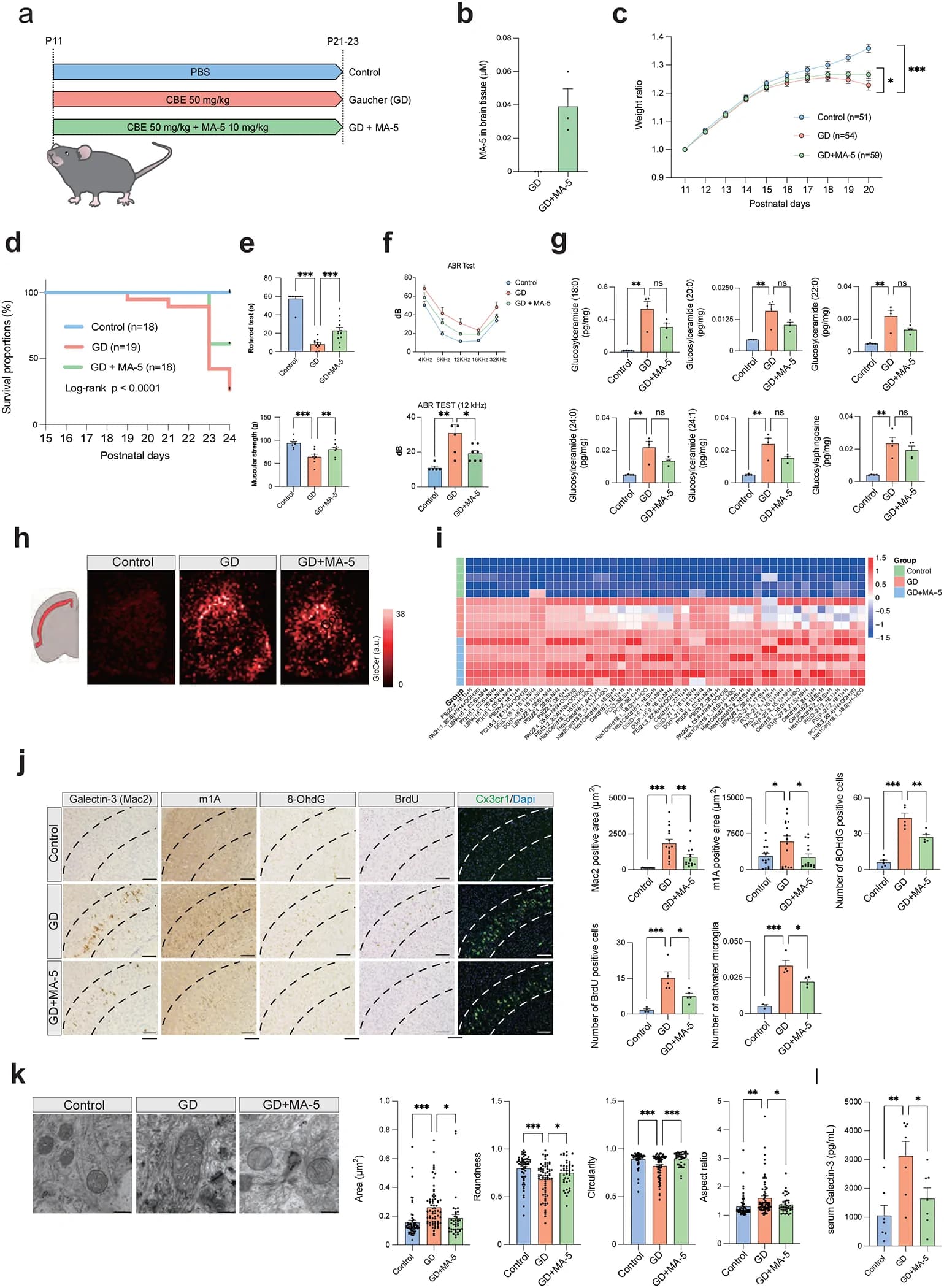
In mice with chemically induced Gaucher disease, MA-5 reduced aging-like gene changes, with particularly prominent effects in brain immune cells.In mice with chemically induced Gaucher disease, MA-5 reduced aging-like gene changes, with particularly prominent effects in brain immune cells.

MA-5 ameliorates disease phenotypes and neuroinflammation in GD mice.
Preprint: mouse studyInterventions

Saturday, August 22

Aging Cell

Online clock uses liver gene activity to estimate age in mice

Researchers built the model using 432 liver samples from mice aged 1 to 30 months and tested its final version on 134 separate samples.Researchers built the model using 432 liver samples from mice aged 1 to 30 months and tested its final version on 134 separate samples.

Workflow for the development of the LivAge transcriptomic clock.
Computational studyBiomarkers

Wednesday, July 29

Monday, July 27

Advanced Science

Gene activity clock tracks relative age across human tissues

Trained on 17,212 healthy-donor samples, the model predicted relative age across tissues and several methods of measuring gene activity.Trained on 17,212 healthy-donor samples, the model predicted relative age across tissues and several methods of measuring gene activity.

Computational studyBiomarkers

Tuesday, July 21

Monday, July 20

Friday, July 17

Wednesday, July 8

Wednesday, July 1

Wednesday, June 17

Friday, June 5

Science Advances

Viral infections raised biological age estimates in flies

Experiments with four gut-infecting viruses in fruit flies linked greater estimated aging acceleration to greater lifespan reductions; infections persisted from larval…Experiments with four gut-infecting viruses in fruit flies linked greater estimated aging acceleration to greater lifespan reductions; infections persisted from larval development through adulthood.

Fly studyMechanisms

Thursday, May 28

Wednesday, May 27