Simulated microgravity raises transcriptomic age in organoids
Human neural, cardiac, and tonsil organoids exposed to 24 hours of simulated microgravity showed tissue-specific changes, including higher transcriptomic-age estimates in brain and heart models.
bioRxiv
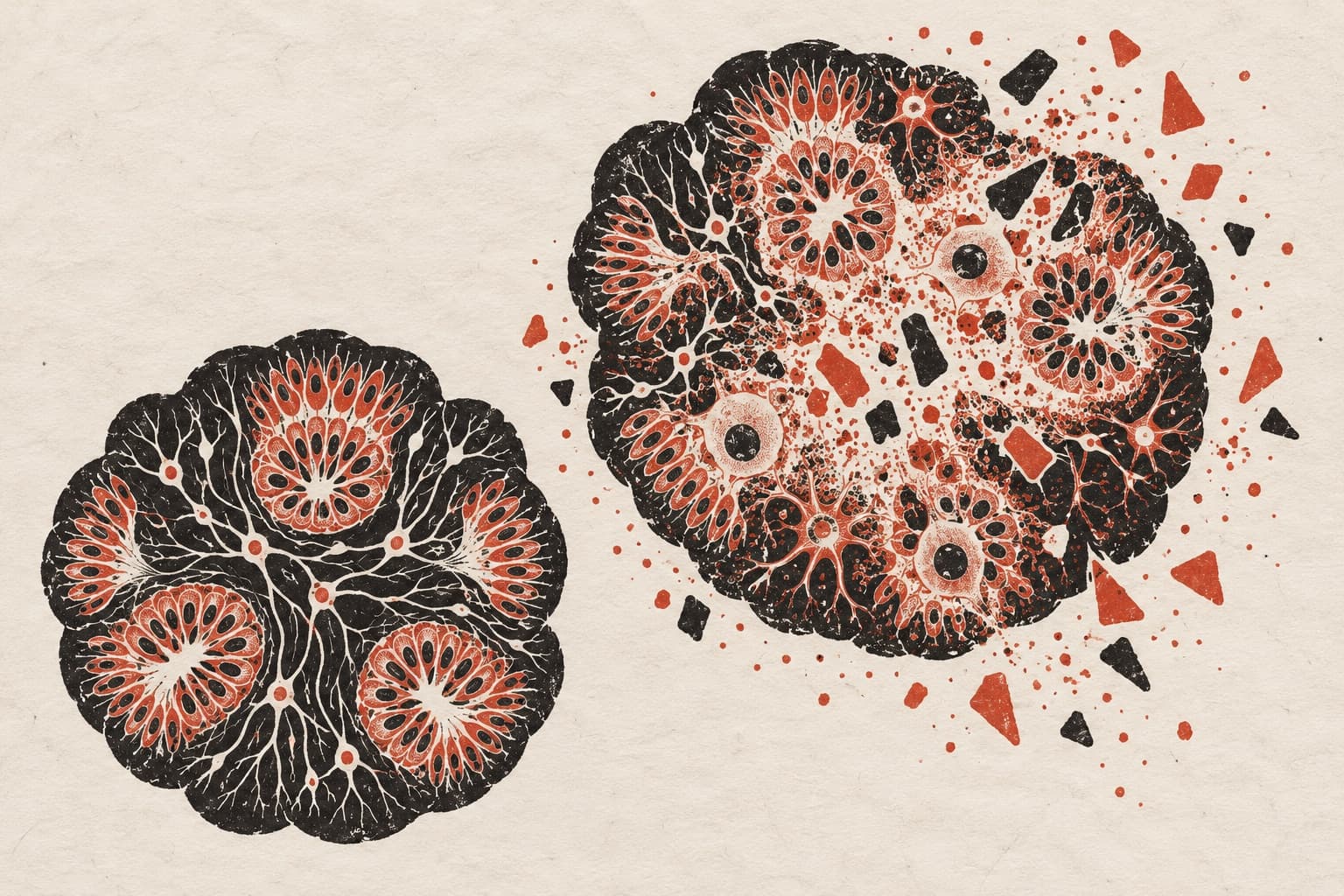
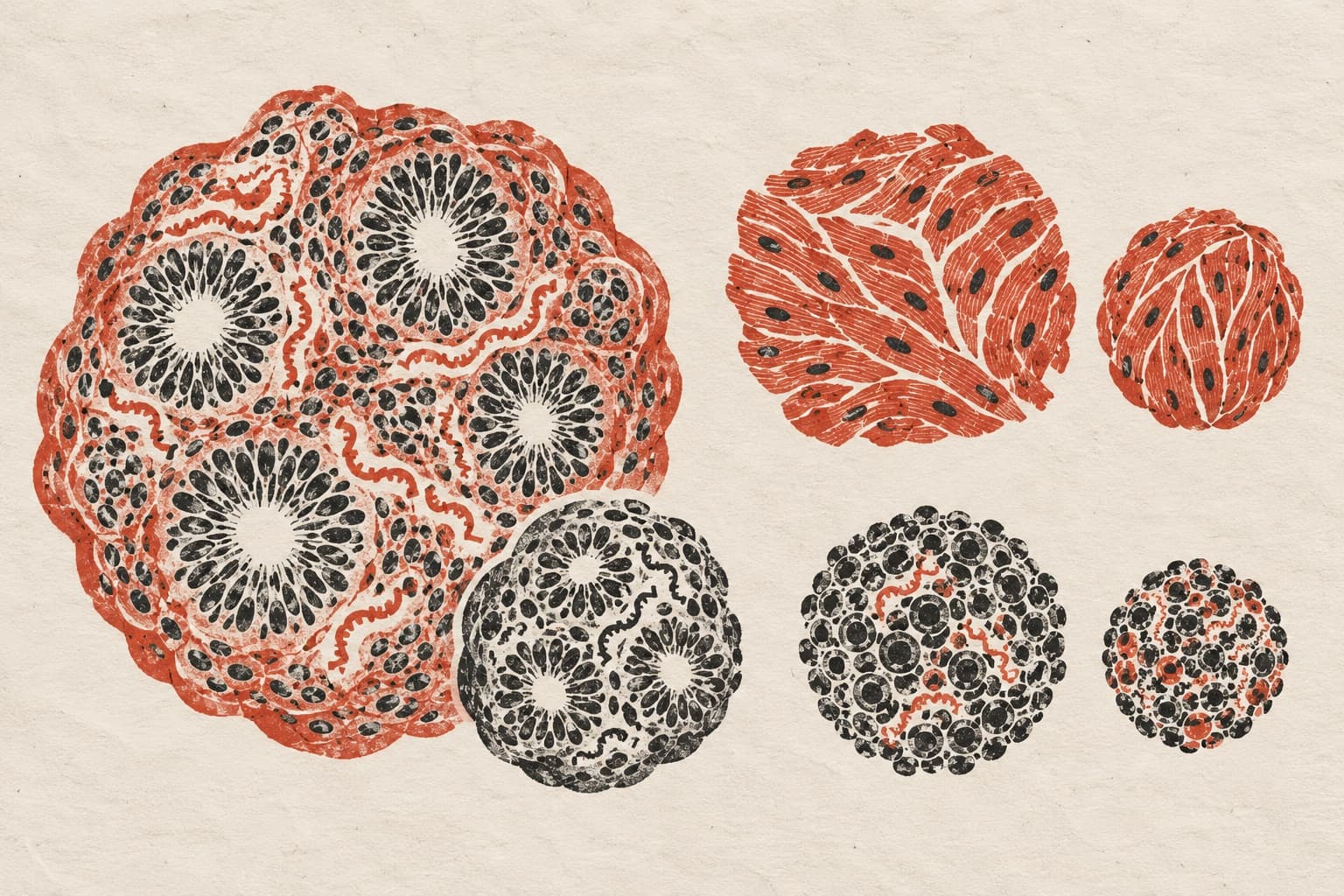
In a preprint, researchers tested how the loss of mechanical load affects human neural, cardiac, and tonsil organoids. The team maintained the three organoid types in rotating-wall vessels for 24 hours to simulate microgravity. Following this exposure, the organoids developed tissue-specific transcriptional responses that overlapped with published spaceflight datasets. The simulated microgravity was accompanied by higher transcriptomic-age estimates in the neural and cardiac models. It also led to altered contraction dynamics in cardiac organoids and modified antiviral gene-expression signatures in tonsil organoids. According to the authors, these results establish a multi-organoid framework for examining acute tissue responses to gravitational unloading.
Why it matters
The approach suggests that mechanical unloading can trigger molecular markers associated with aging across diverse human tissue types.
Caveats
The findings reflect short-term responses in cultured organoids rather than long-term exposure in living people or true spaceflight conditions. In addition, this work is a preprint and has not yet been peer-reviewed.
The paper
Simulated microgravity induces aging phenotypes in human organoids
Show 12 more authors
Matías Fuentealba, Fei Wu, Max Manwaring-Mueller, Nathan A. Bracey, Alexander Chebykin, Abhayjit Saini, Jiwoon Park, JangKeun Kim, Daniel A. Winer, Alan Ian Gale, Christopher E. Mason, Mark M Davis,Buck Institute for Research on Aging
bioRxiv · 1 Oct 2026 · CC BY · Preprint, not peer-reviewed