Boosting a protein reduced frailty progression in aged mice
Induced protein production reduced frailty progression by 44% in aged mice and was associated with a 14% extension of median lifespan.
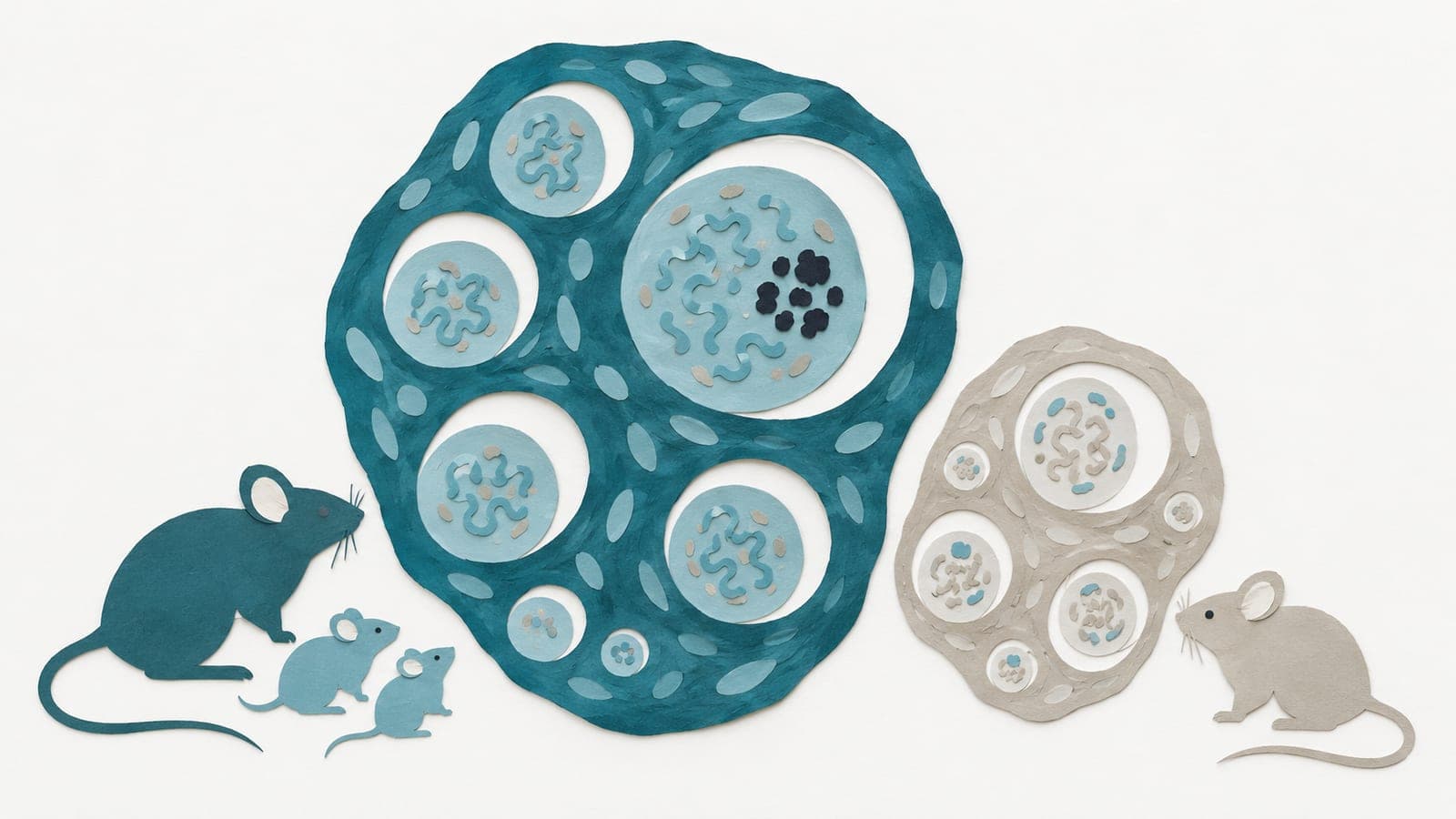
In an experiment in aged mice, researchers induced production of SRSF1, a protein that helps process RNA. The study included 9–10 mice per group. SRSF1 induction reduced frailty progression by 44% and was associated with a 14% extension of median lifespan.
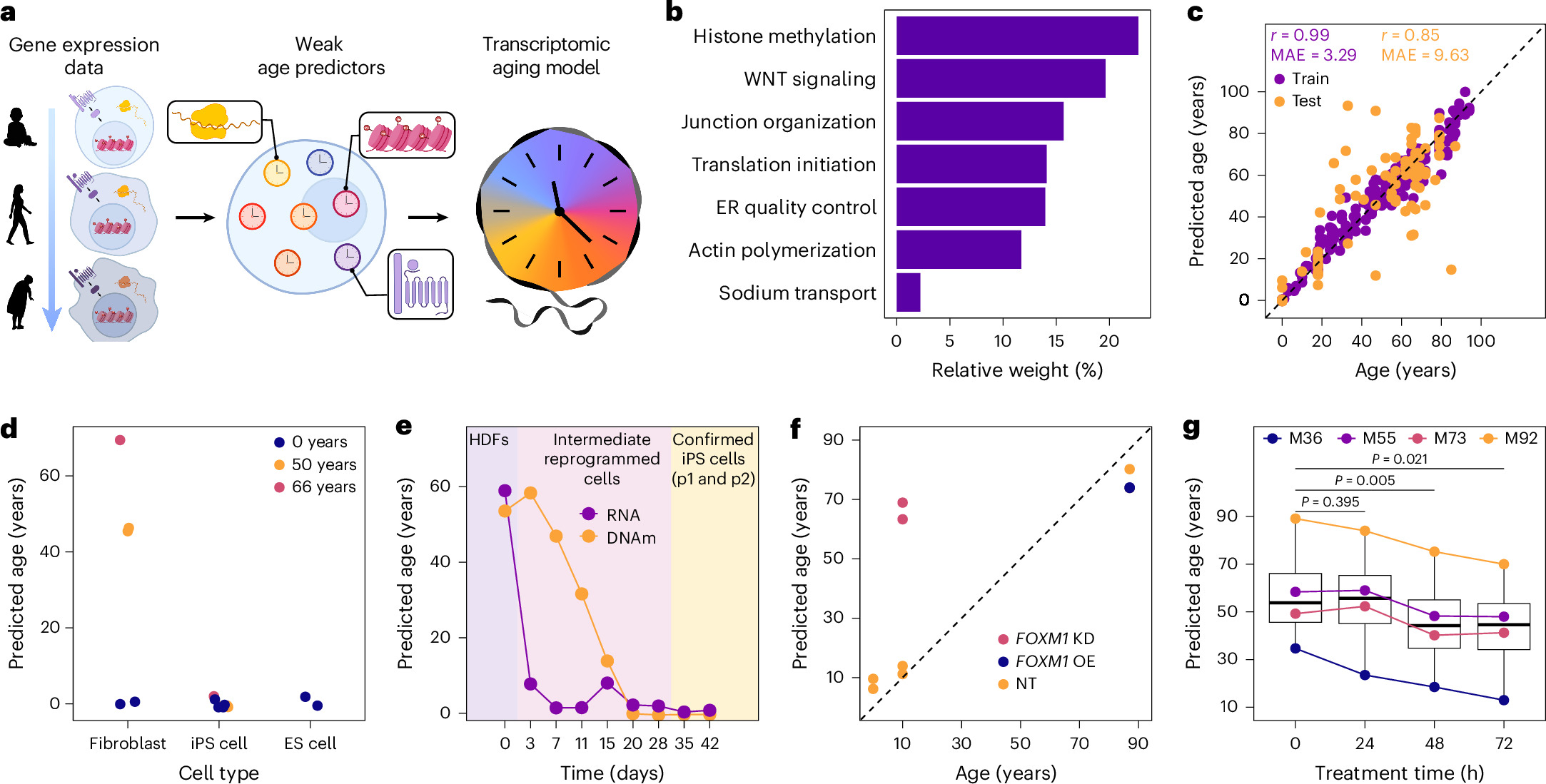
The researchers first built a tool to predict cellular age from gene activity in human fibroblasts, cells that help form connective tissue. They then screened genes for their ability to shift aged gene-activity patterns towards younger ones. SRSF1 produced youthful patterns without loss of cell identity. In cells grown in the lab, inducing SRSF1 reduced senescence, a state in which cells stop dividing, and inflammatory signalling.
Why it matters
The work points to RNA processing as a possible target for efforts to preserve function with age.
Caveats
These were cell and animal experiments, with just 9–10 mice per group, not evidence of benefits in people. The abstract did not report the duration of induced expression or adverse effects.
The paper
Transcriptomic reprogramming screen identifies SRSF1 as a regulator of aging
Wyss Institute for Biologically Inspired Engineering at Harvard University
Nature Aging, 14 Oct 2026