Transcriptomic age

Papers on transcriptomic age

100 papers8 new in 30 days

Thursday, October 29

Sunday, October 25

Sunday, October 18

Tuesday, October 13

bioRxiv

Lifelong mating reshaped liver aging in short-lived killifish

In killifish experiments, lifelong mating reduced inflammation in old females’ main liver cells, while models based on gene activity predicted “younger” ages for several…In killifish experiments, lifelong mating reduced inflammation in old females’ main liver cells, while models based on gene activity predicted “younger” ages for several liver cell types.

Mating ‘rejuvenates’ liver transcriptomes in a sex- and cell-type-specific manner.
Preprint: fish studyInterventions

Friday, October 2

bioRxiv

Simulated microgravity raises transcriptomic age in organoids

Human neural, cardiac, and tonsil organoids exposed to 24 hours of simulated microgravity showed tissue-specific changes, including higher transcriptomic-age estimates in…Human neural, cardiac, and tonsil organoids exposed to 24 hours of simulated microgravity showed tissue-specific changes, including higher transcriptomic-age estimates in brain and heart models.

Tissue identity and correspondence with spaceflight-associated transcriptional signatures.
Preprint: experiments in human cellsMechanisms

Thursday, September 24

Research Square

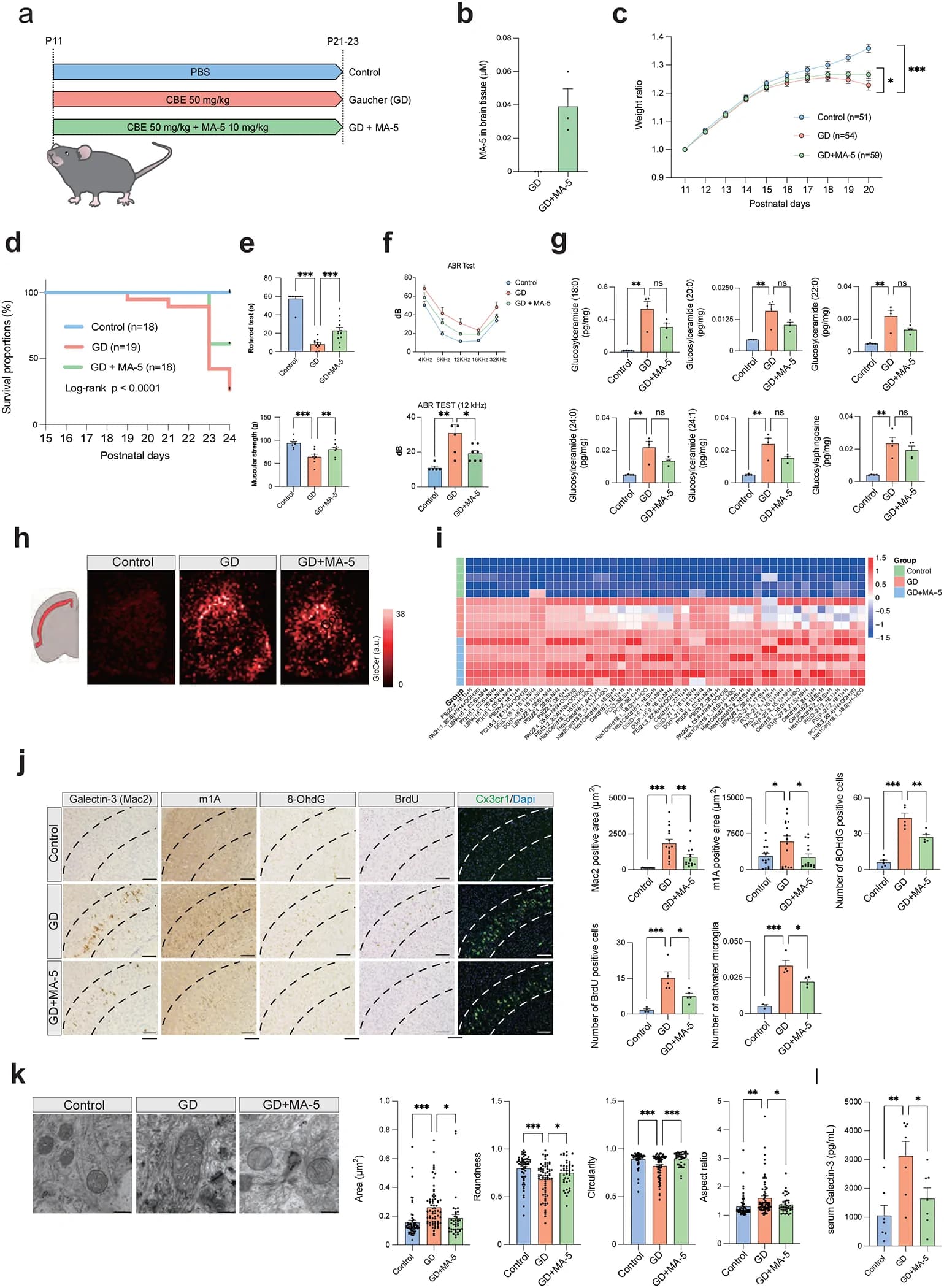
Compound reduced disease-linked aging-like gene changes in mice

In mice with chemically induced Gaucher disease, MA-5 reduced aging-like gene changes, with particularly prominent effects in brain immune cells.In mice with chemically induced Gaucher disease, MA-5 reduced aging-like gene changes, with particularly prominent effects in brain immune cells.

MA-5 ameliorates disease phenotypes and neuroinflammation in GD mice.
Preprint: mouse studyInterventions

Saturday, August 22

Aging Cell

Online clock uses liver gene activity to estimate age in mice

Researchers built the model using 432 liver samples from mice aged 1 to 30 months and tested its final version on 134 separate samples.Researchers built the model using 432 liver samples from mice aged 1 to 30 months and tested its final version on 134 separate samples.

Workflow for the development of the LivAge transcriptomic clock.
Computational studyBiomarkers

Friday, July 17

Wednesday, July 8

Thursday, May 28

Monday, March 23

Thursday, February 26

Tuesday, January 27

Saturday, January 3

Tuesday, December 16

Monday, December 1

Tuesday, August 12

Wednesday, July 16

Saturday, April 5

Thursday, March 13

Friday, January 3

Monday, November 18

Friday, October 11

Wednesday, September 4

Friday, June 21

Wednesday, April 24

Tuesday, November 14

Tuesday, September 12