Senescence-associated secretory phenotype (SASP)

Papers on senescence-associated secretory phenotype (SASP)

4,591 papers168 new in 30 days

Monday, November 9

Sunday, November 8

Saturday, November 7

AHA Scientific Sessions 2026 Abstract

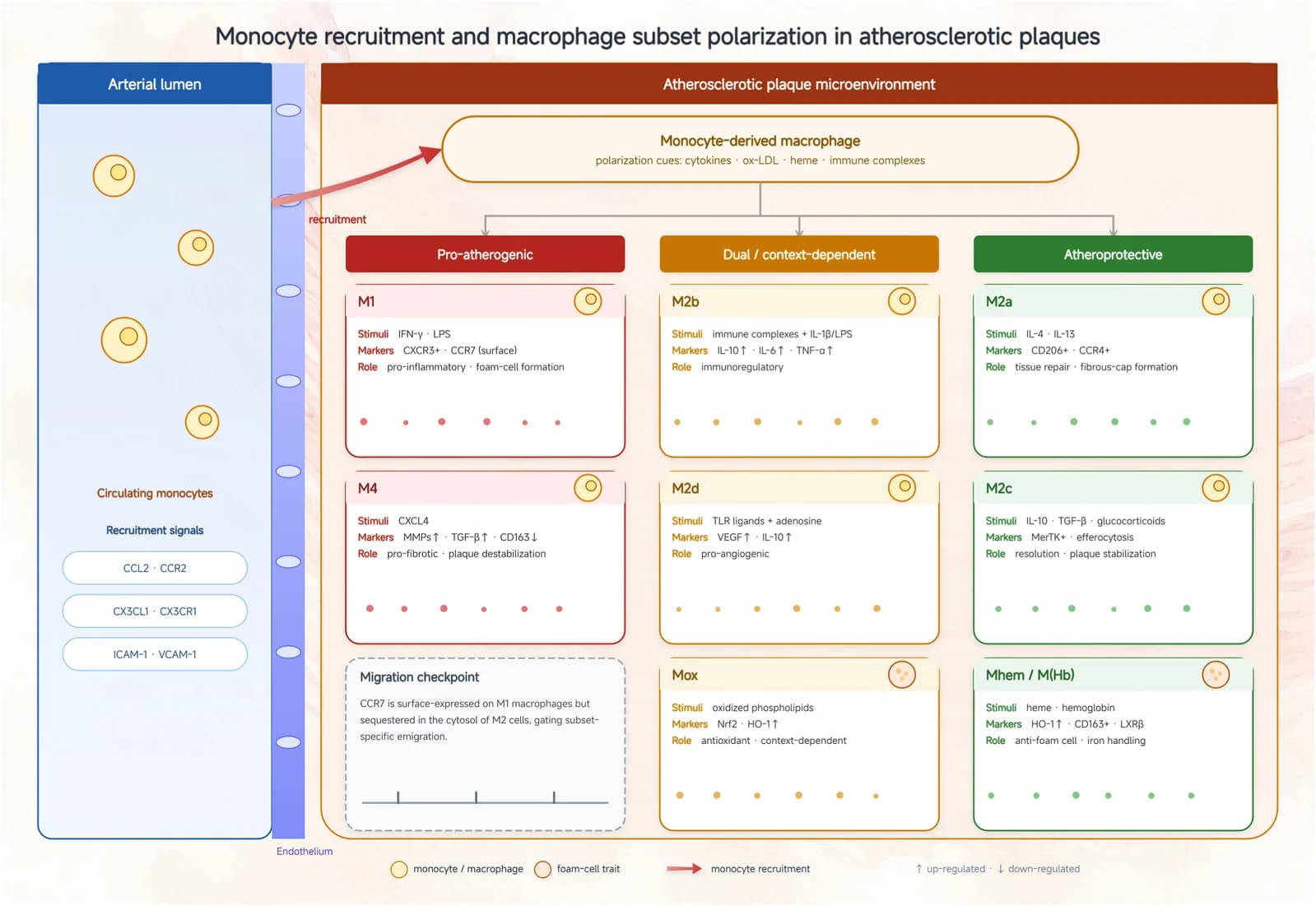
Vessel-cell enzyme helped drive artery plaque buildup in mice

Mice with high cholesterol developed less artery plaque when researchers deleted an enzyme from blood-vessel lining cells in experiments on disturbed blood flow.Mice with high cholesterol developed less artery plaque when researchers deleted an enzyme from blood-vessel lining cells in experiments on disturbed blood flow.

An opened artery with heavy plaque and a constricting loop sits beside a smaller artery with little plaque and a laboratory mouse.
Mouse studyMechanisms

Friday, November 6

Cell Reports Medicine

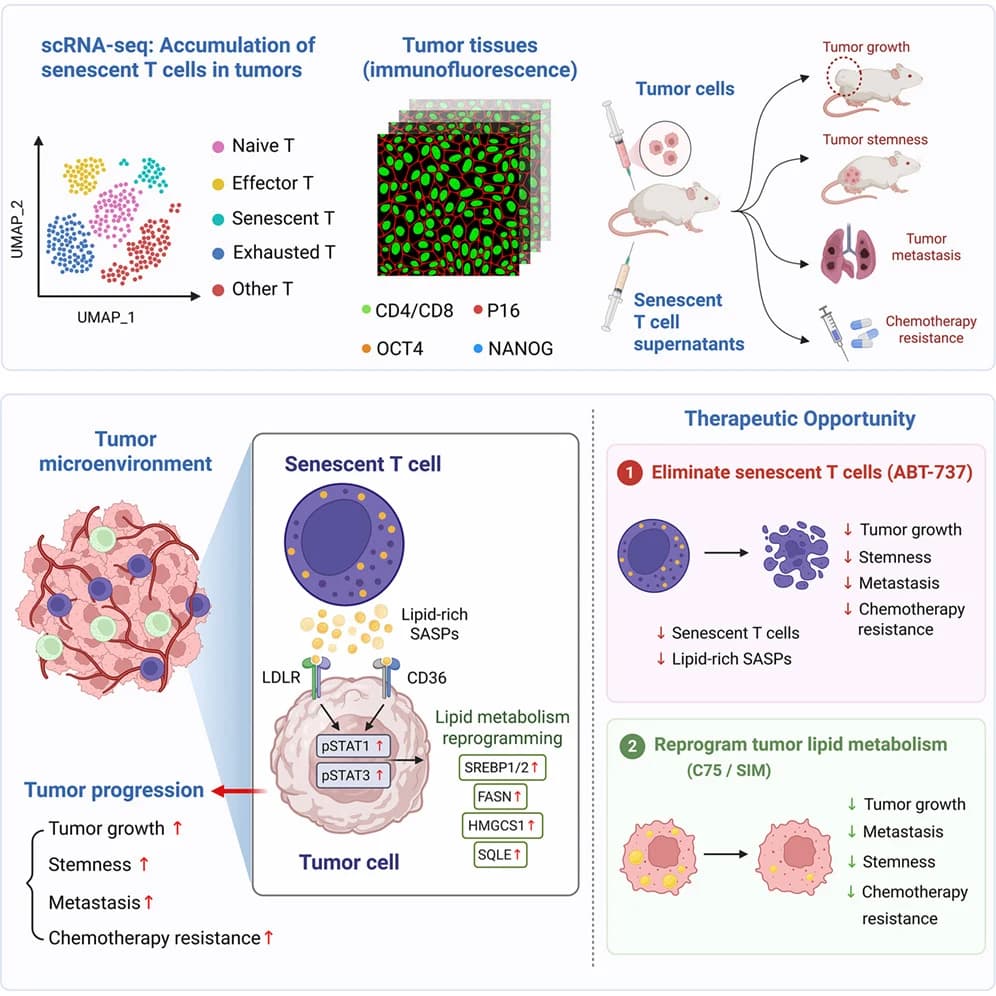
Immune cells that stop dividing help lab-grown cancer cells grow

Cell experiments found that these immune cells also promoted resistance to chemotherapy by changing tumor cell behavior.Cell experiments found that these immune cells also promoted resistance to chemotherapy by changing tumor cell behavior.

Figure from Cell Reports Medicine

Thursday, November 5

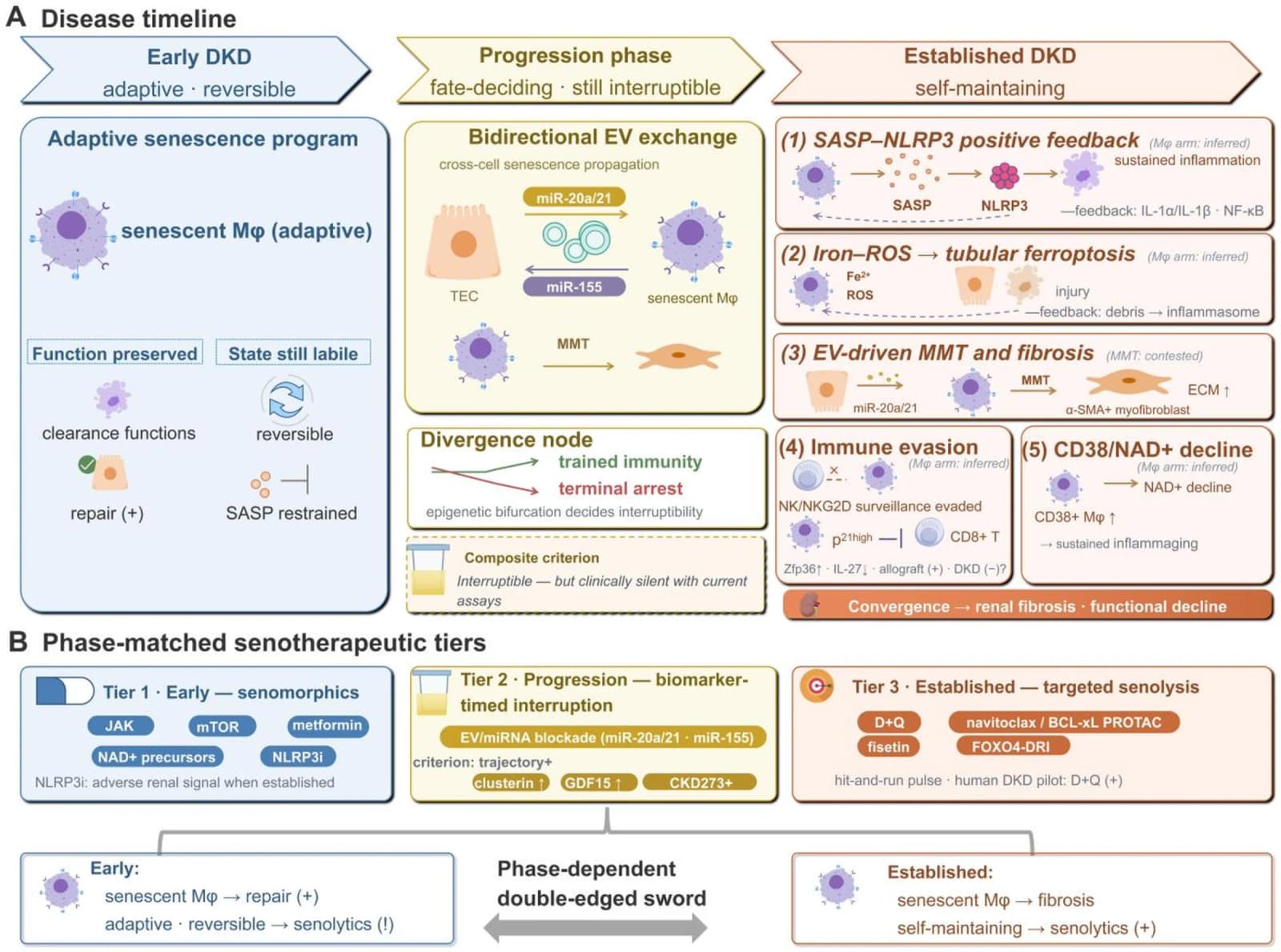
The Journal of Clinical Investigation

Patient muscles show early signs of cell senescence

An analysis of patient muscle gene activity found senescence-related patterns linked to disease severity and present even without inflammation visible on scans.An analysis of patient muscle gene activity found senescence-related patterns linked to disease severity and present even without inflammation visible on scans.

Muscle tissue with full, tightly packed fibers beside shrunken fibers tangled in scarring and clustered immune cells, with a small mouse below.
Cross-sectional studyCellular senescence
Nucleic Acids Research

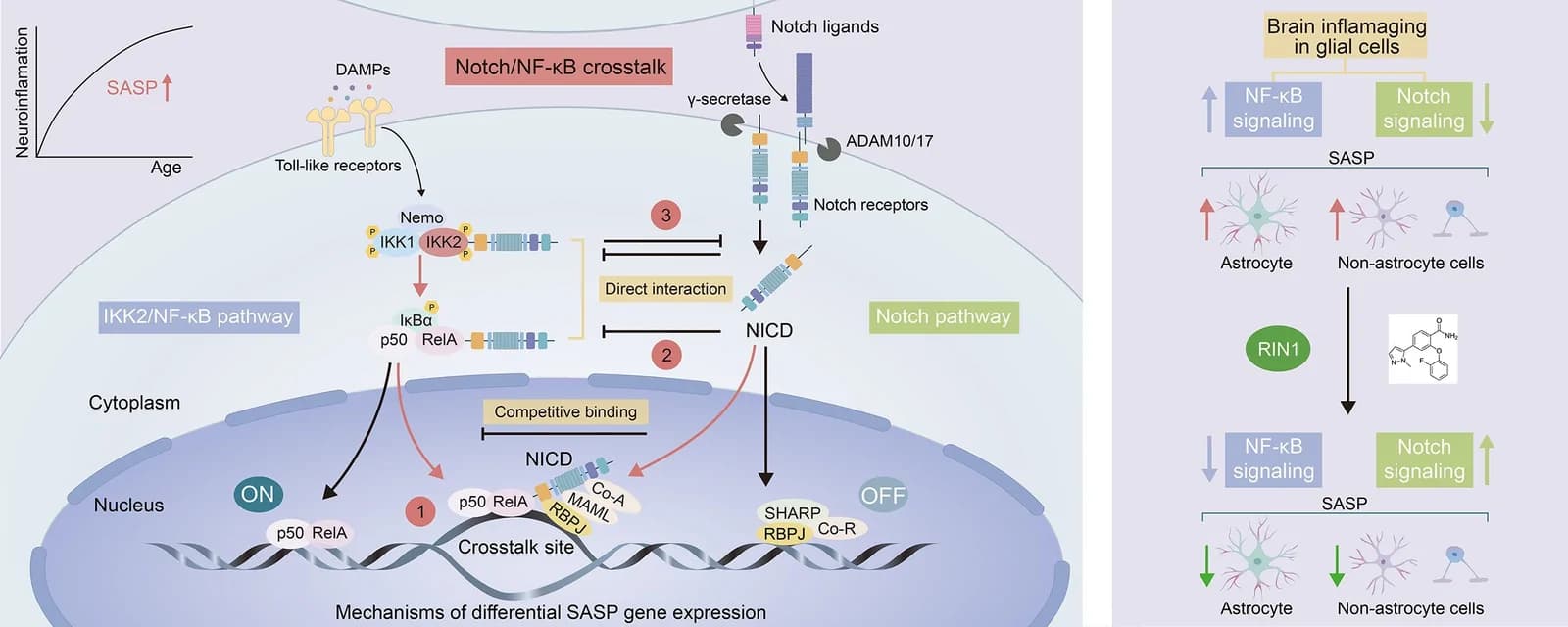
Aging mouse brains show opposing shifts in two cell signals

Experiments in genetically modified mice linked brain aging to greater activity of an inflammation-regulating pathway and reduced activity of another.Experiments in genetically modified mice linked brain aging to greater activity of an inflammation-regulating pathway and reduced activity of another.

Figure from Nucleic Acids Research
Mouse studyMechanisms

Wednesday, November 4

Aging Cell

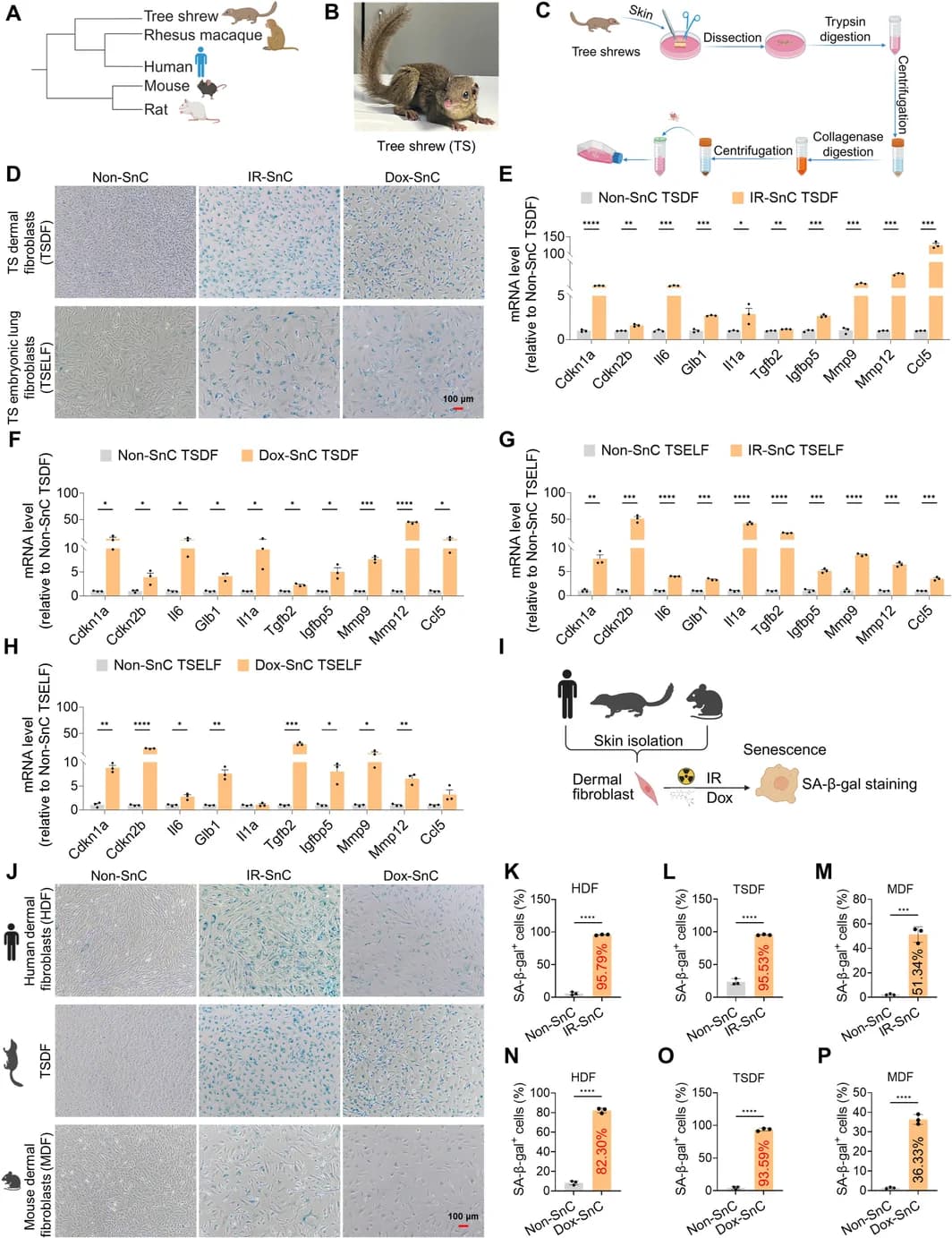
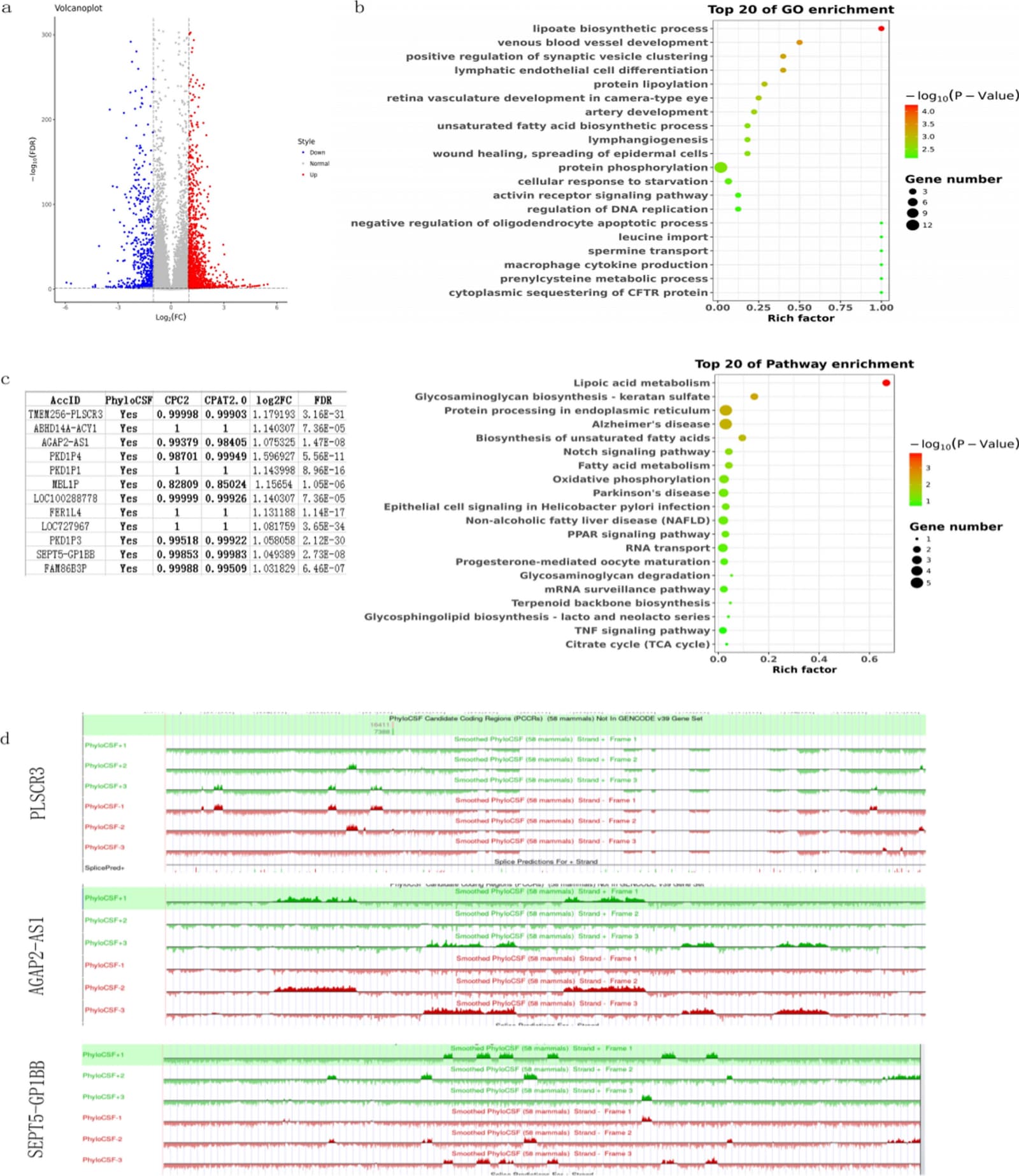
Tree shrew liver and spleen share human aging patterns

An experiment involving 44 tree shrews found that liver and spleen gene activity followed human aging patterns more closely than mouse patterns.An experiment involving 44 tree shrews found that liver and spleen gene activity followed human aging patterns more closely than mouse patterns.

Establishment and characterization of senescence models in tree shrew fibroblasts.
Cross-sectional studyInterventions

Tuesday, November 3

Journal of Nanobiotechnology

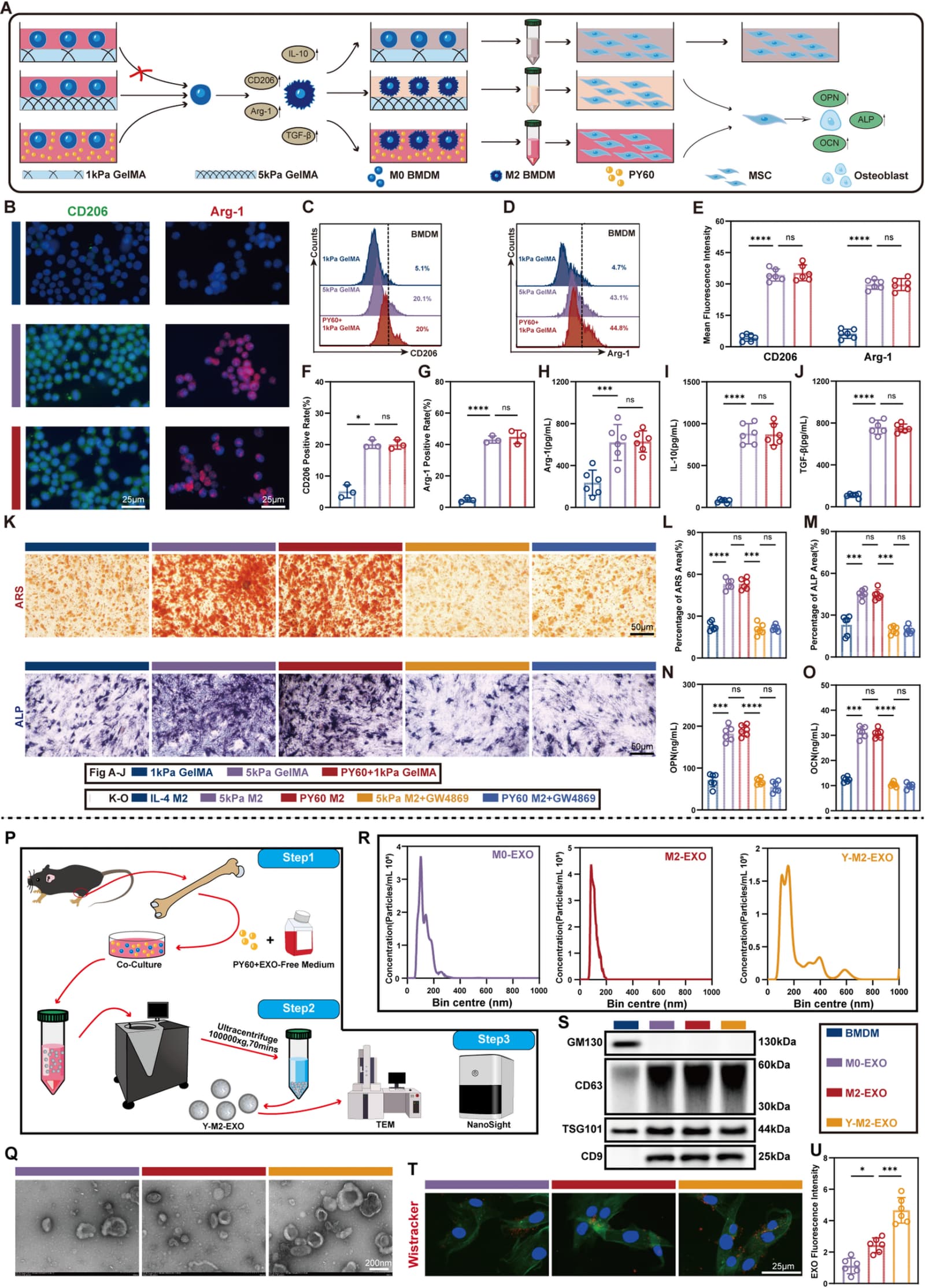
Immune-cell particles ease bone and muscle decline in aged mice

Experiments in naturally aged mice found benefits from immune-cell particles, with aerobic exercise further improving selected tissue-rebuilding and movement measures.Experiments in naturally aged mice found benefits from immune-cell particles, with aerobic exercise further improving selected tissue-rebuilding and movement measures.

Figure from Journal of Nanobiotechnology
Mouse studyBones and joints