DNA methylation

Papers on DNA methylation

4,881 papers174 new in 30 days

Tuesday, November 17

Aging Cell

Older mouse fat cells show shifts in gene control and metabolism

A comparison of male mice aged 3 and 18 months linked altered DNA markings with changes in gene activity and specific fats.A comparison of male mice aged 3 and 18 months linked altered DNA markings with changes in gene activity and specific fats.

Figure from Aging Cell
Cross-sectional studyLipid and ceramide metabolism
GeroScience

Poor oral health linked to signs of faster aging in older adults

A DNA-based aging measure statistically accounted for 28.9% of the association between tooth loss and death from any cause in 1,764 older adults.A DNA-based aging measure statistically accounted for 28.9% of the association between tooth loss and death from any cause in 1,764 older adults.

Figure from GeroScience
Cohort · 1,764 peoplePopulations
GeroScience

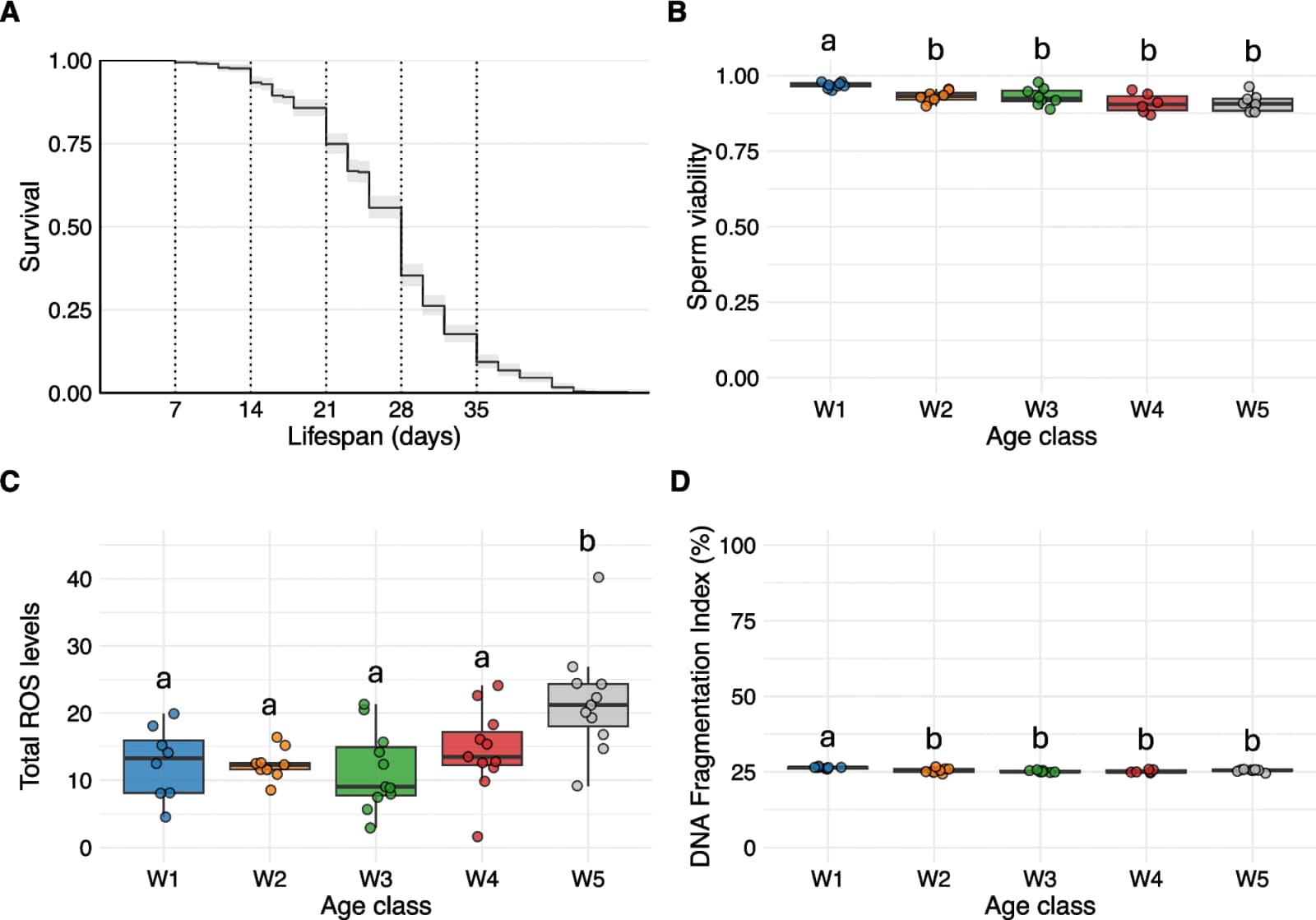
Sperm aging did not reduce fertility in buff-tailed bumblebees

A multi-level study found modest changes in stored sperm but similar mating success and colony outcomes across male buff-tailed bumblebees of different ages.A multi-level study found modest changes in stored sperm but similar mating success and colony outcomes across male buff-tailed bumblebees of different ages.

Figure from GeroScience

Monday, November 16

Molecular Ecology

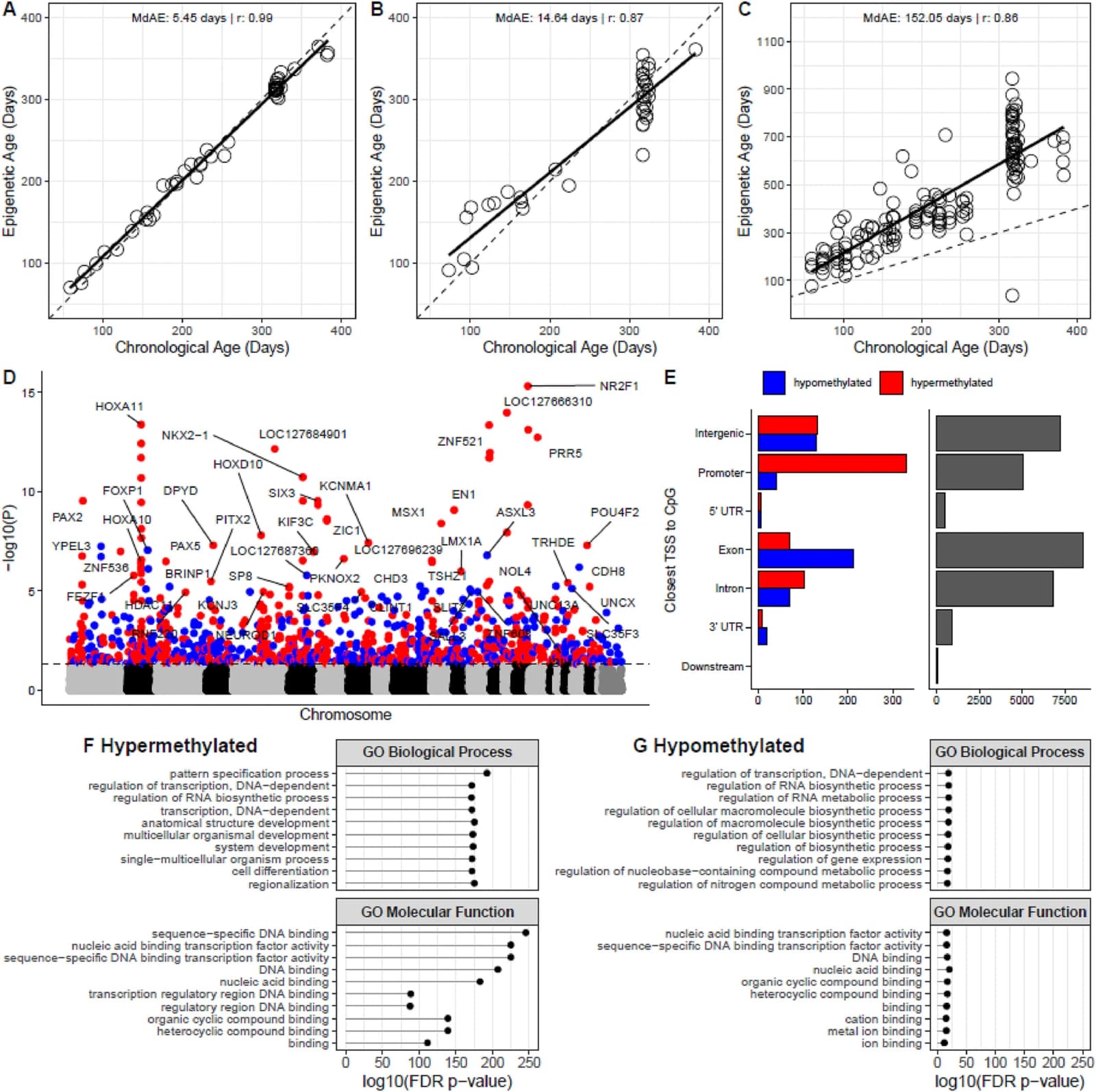
Lab-trained DNA clock estimates ages in wild wood mice

A clock tested in 163 wild wood mice matched expected age patterns, while food supplementation plus parasite removal slowed changes in its age readings.A clock tested in 163 wild wood mice matched expected age patterns, while food supplementation plus parasite removal slowed changes in its age readings.

Open in figure viewerPowerPoint Development of the wood mouse epigenetic clock.
Cohort studyBiomarkers

Sunday, November 15

Saturday, November 14

Friday, November 13

International Journal of Molecular Sciences

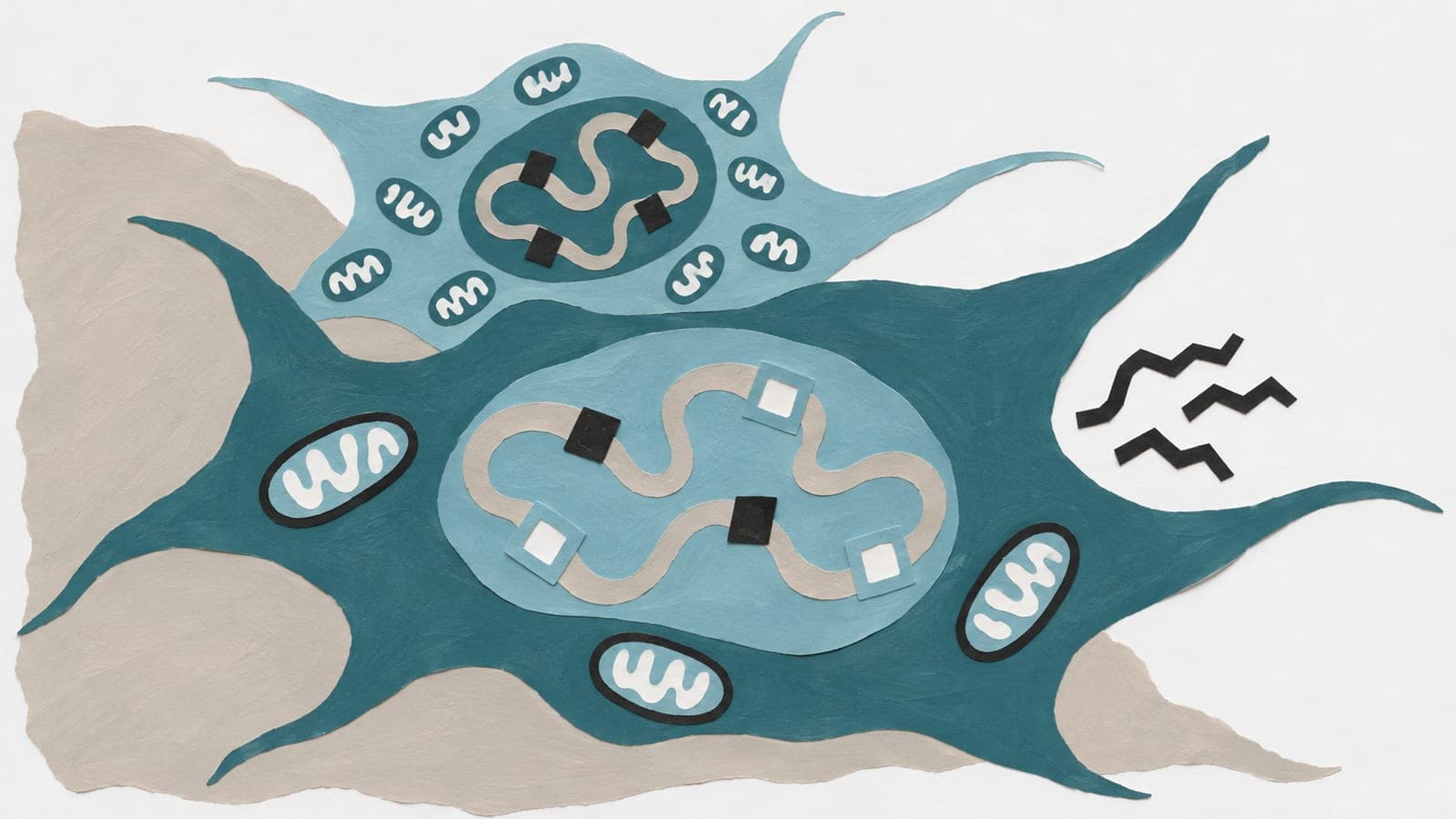
Fatty acid altered DNA marks in human fat-derived stem cells

A measure of chemical tagging on nuclear DNA fell from 29.87% in untreated cells to 26.84% after exposure to a saturated fatty acid.A measure of chemical tagging on nuclear DNA fell from 29.87% in untreated cells to 26.84% after exposure to a saturated fatty acid.

Stem cells with contrasting nuclear tags and abundant versus sparse mitochondria, with fatty-acid chains beside the larger cell.
Human cell studyMechanisms
Cell Genomics

Two proteins reshape DNA marks similarly in mouse cells

Mouse embryonic stem cells reprogrammed with either of two gene-control proteins developed similar cancer-like marking patterns, despite activating different sets of…Mouse embryonic stem cells reprogrammed with either of two gene-control proteins developed similar cancer-like marking patterns, despite activating different sets of genes.

Figure from Cell Genomics
Animal cell studyMechanisms
Inflammation

Signaling protein linked to cell aging in scarred human lungs

Analyses including 1,004 human lung samples linked SLIT2, a signaling protein, to aging-associated changes in connective-tissue cells in a lung-scarring disease.Analyses including 1,004 human lung samples linked SLIT2, a signaling protein, to aging-associated changes in connective-tissue cells in a lung-scarring disease.

Transcriptomic deconvolution reveals fibroblast enrichment across IPF and aging.
Cross-sectional studyNF-κB signaling
Research Square

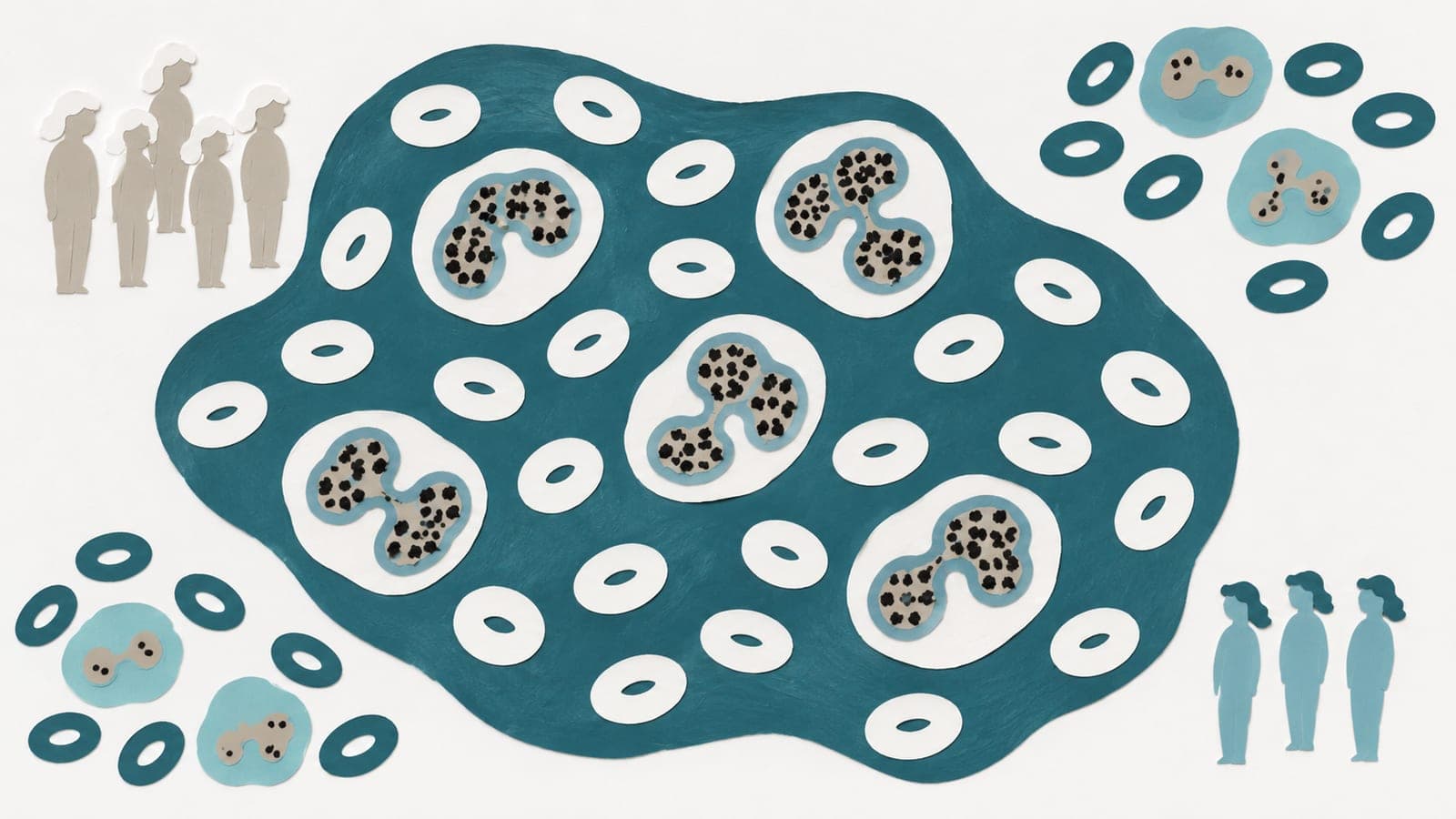
Blood DNA screen false positives rose with age

False-positive rates rose from 0.3% below age 60 to 7.5% at 80 or older in an analysis of whole-blood samples.False-positive rates rose from 0.3% below age 60 to 7.5% at 80 or older in an analysis of whole-blood samples.

Blood cells with densely marked nuclei sit beside white-haired figures, surrounded by smaller clusters with sparse marks and dark-haired figures.
Preprint: cross-sectional studyBiomarkers

Thursday, November 12

bioRxiv

Human cell types recovered differently after partial reprogramming

Experiments in human cells found that lower DNA-based age estimates did not necessarily accompany recovery of specialized identity and function.Experiments in human cells found that lower DNA-based age estimates did not necessarily accompany recovery of specialized identity and function.

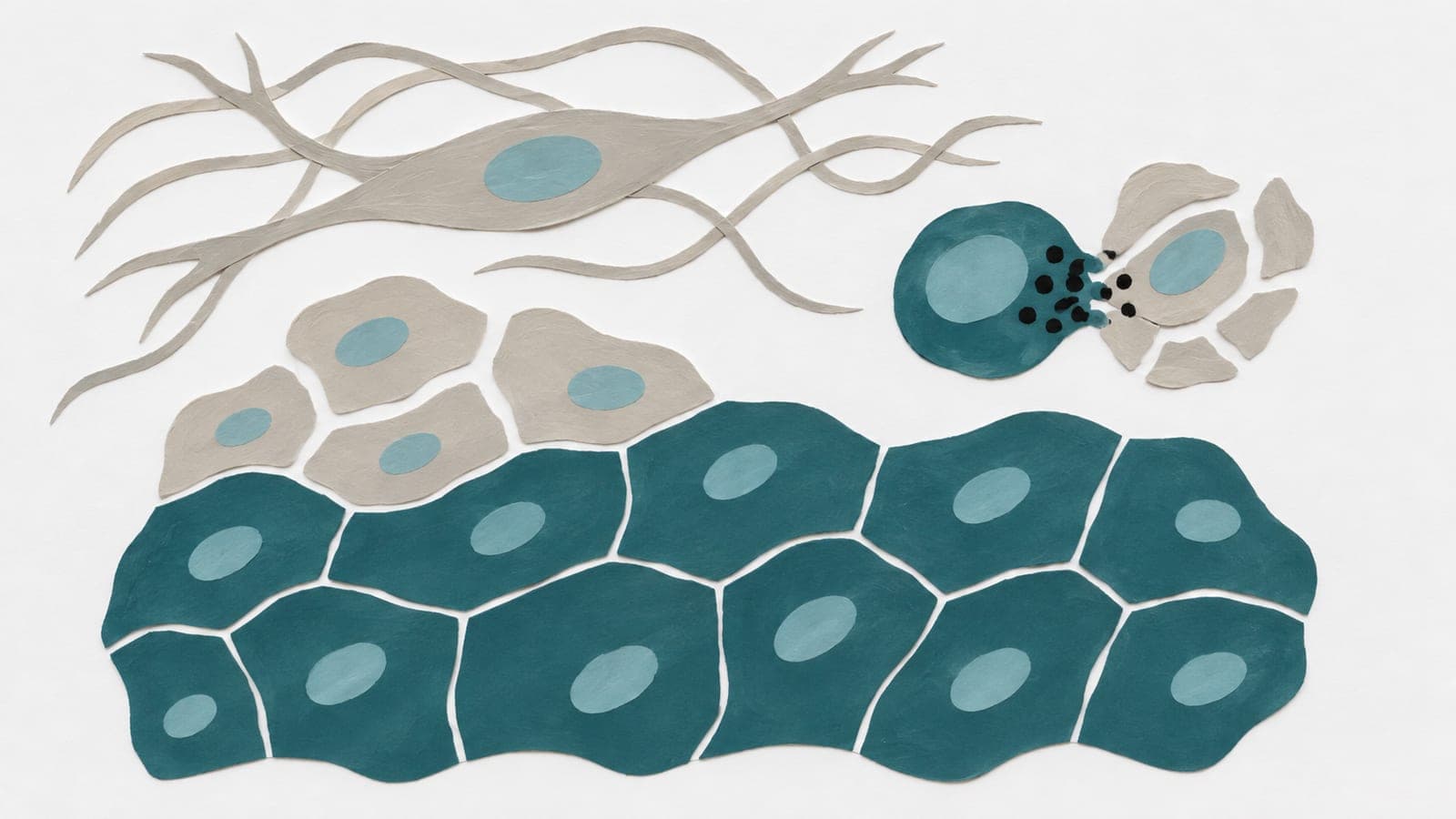
Closely fitted vessel-lining cells sit beside loose cells, beneath a fibroblast tangled in fibers and an immune cell breaking apart a target.
Preprint: human cell studyPartial reprogramming