Sperm aging did not reduce fertility in buff-tailed bumblebees
A multi-level study found modest changes in stored sperm but similar mating success and colony outcomes across male buff-tailed bumblebees of different ages.
Our read
Mechanisms- Studied:
- Experiments in model organisms
Editor of record: Boris Djordjevic · AgingResearch.News
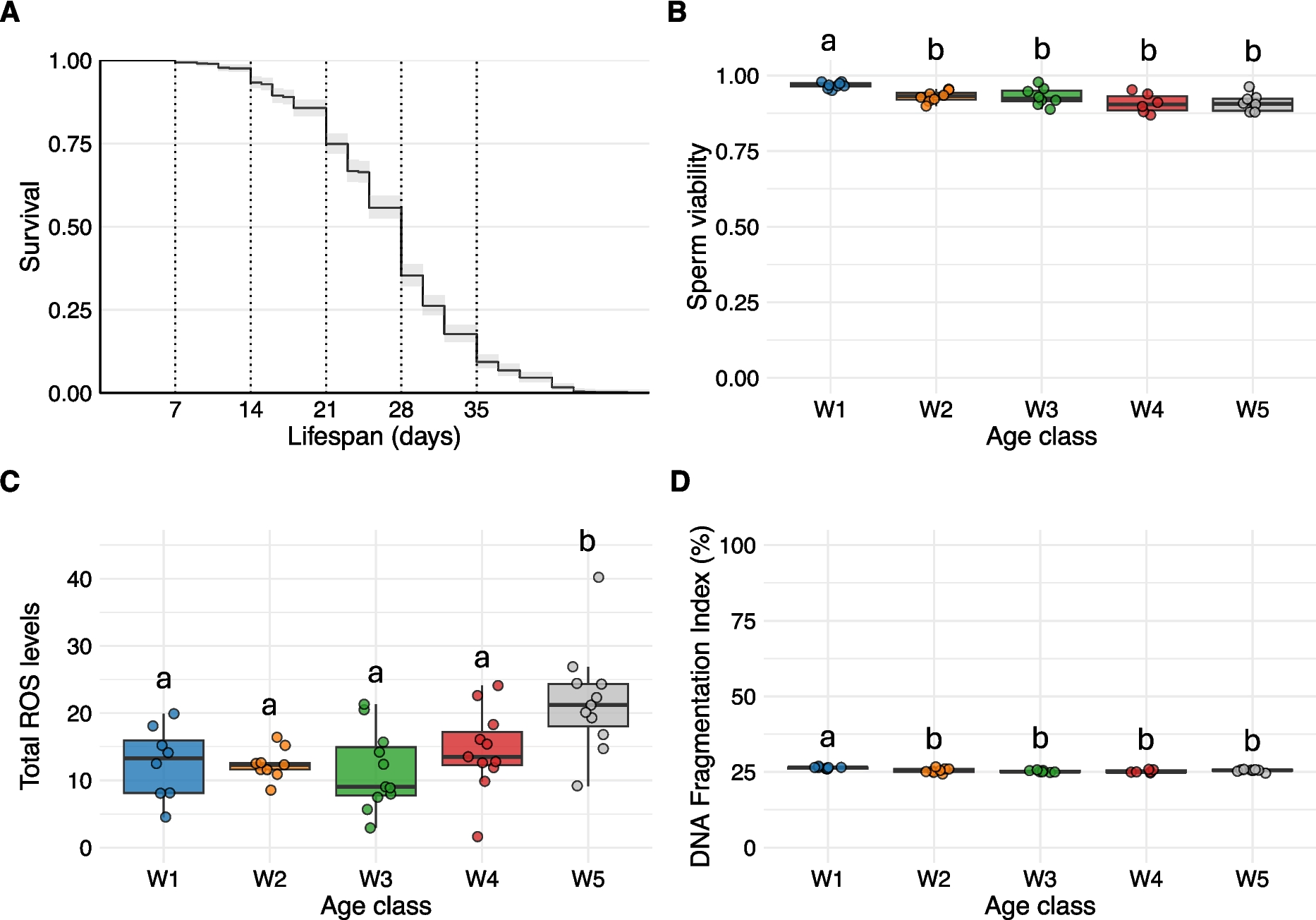
Male buff-tailed bumblebees, which produce a finite supply of sperm, were compared at different ages in a multi-level study of sperm aging during storage before mating. Researchers measured sperm cell condition, DNA methylation—a type of chemical marking on DNA—and the proteins present in sperm.
Stored sperm showed modest signs of aging. These included a smaller share of living sperm cells, increased DNA damage and higher oxidative stress, a chemical imbalance that can damage cells. DNA methylation and protein profiles also changed. Yet males of different ages achieved similar mating success. The colonies they fathered did not differ in their success at becoming established, productivity, composition or lifespan. The authors concluded that aging of mature sperm during storage had no significant impact on male reproductive performance.
Why it matters
Reproductive aging may depend on whether males can replenish their sperm supply, rather than following the same pattern across species.
Caveats
The findings concern buff-tailed bumblebees, whose males have a finite sperm supply. They do not show whether the same pattern holds in species that continually produce new sperm.
Where the evidence stands
DNA methylation
- 206 independent labs in 39 countries
- 19 findings against
- Funders: National Institutes of Health and others
- 46 of 416 findings with company ties
DNA damage response
- 214 independent labs in 34 countries
- 10 findings against
- Funders: National Institutes of Health and others
- 39 of 350 findings with company ties
Comments
Be the first to comment.