Lab-trained DNA clock estimates ages in wild wood mice
A clock tested in 163 wild wood mice matched expected age patterns, while food supplementation plus parasite removal slowed changes in its age readings.
Our read
Biomarkers- Studied:
- Cohort study of 101 wild wood mice, mean 78.1 days
- What changed:
- Clock-estimated age in wild wood mice rose by 0.89 units per day lived
- The catch:
- Nonlinear DNA methylation changes could make the clock underestimate older mice's ages
Editor of record: Boris Djordjevic · AgingResearch.News
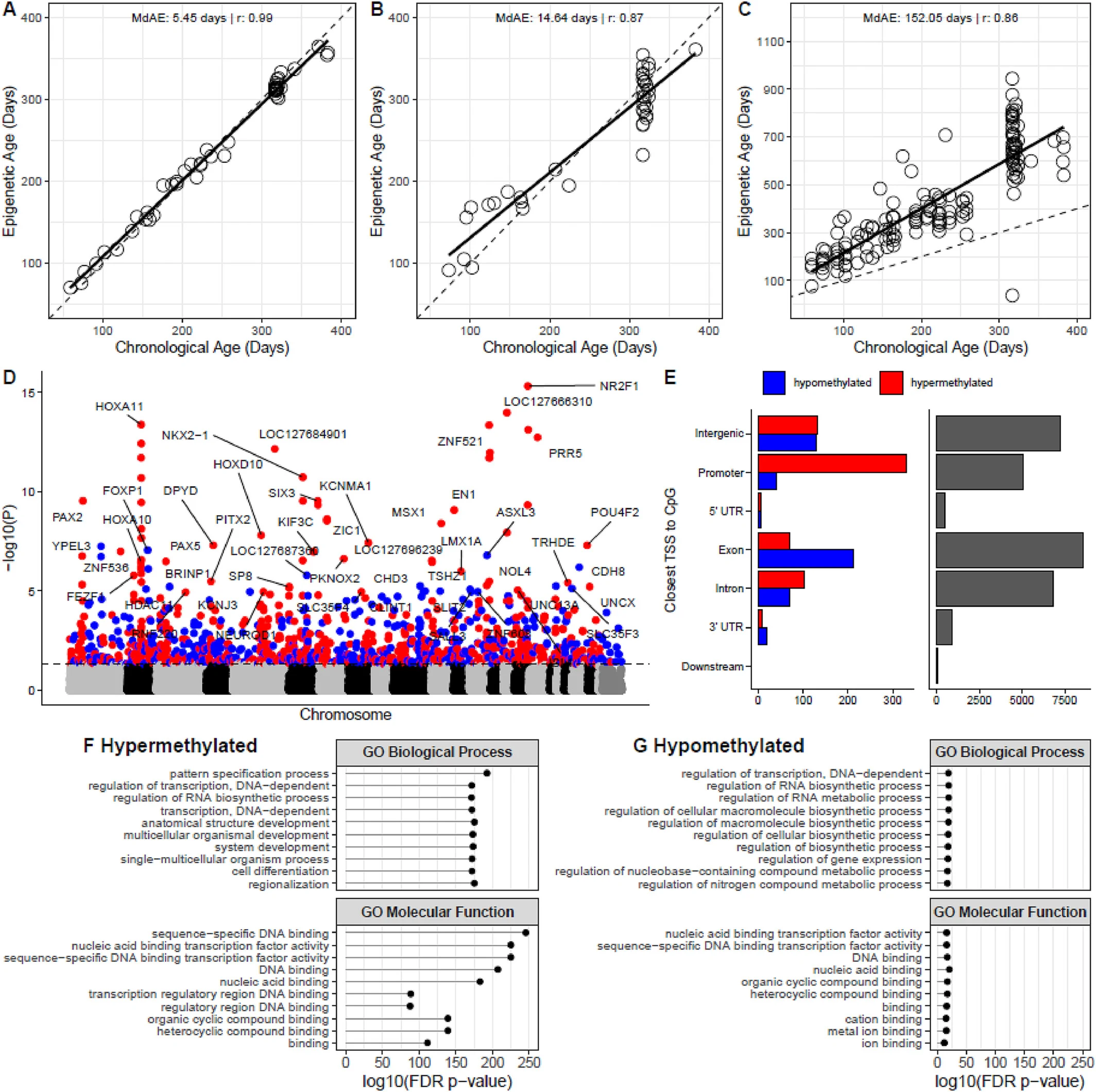
Wood mice at two woodland sites near Edinburgh were studied using a DNA-based age clock and a two-factor field experiment. Researchers built the clock from 129 ear samples from laboratory-reared wood mice of known ages. It estimated age from DNA methylation, chemical marks on DNA.
They applied the clock to 273 ear samples from 163 wild wood mice captured in 2023 and 2024. Estimated ages matched expected population patterns. Higher estimated ages were linked to a greater likelihood of infection. Among 101 mice sampled at least 42 days apart, combined food supplementation and parasite-removal drugs slowed epigenetic aging—the rate at which the clock’s age estimate changed. Mice were randomly assigned drugs or water controls. Selected areas received extra food weekly.
Why it matters
Environmental stressors are expected to speed aging. The authors conclude that DNA clocks offer a framework for investigating which ecological and individual factors shape aging in the wild.
Caveats
The wild mice’s true ages were unknown, so validation relied on expected age patterns rather than known birth dates. The intervention result depended partly on the longest sampling intervals and weakened when analyses used the interval range shared by all treatment groups.
Where the evidence stands
Food supplementation
- 1 lab in 1 country
- Funders: Directorate for Biological Sciences and 2 more
Food supplementation and parasite-removal drugs
- 1 lab in 1 country
- 1 of 2 findings with company ties
- Food supplementation
- Food supplementation and parasite-removal drugs
- DNA methylation
- Infection
- Epigenetic aging rate
- A. sylvaticus
The paper
Epigenetic Clocks Uncover the Natural History of Ageing in Wild Mice
School of Biological Science University of Edinburgh Edinburgh UK
Molecular Ecology, Nov 15, 2026, Open access, CC BY
Comments
Be the first to comment.