Signaling protein linked to cell aging in scarred human lungs
Analyses including 1,004 human lung samples linked SLIT2, a signaling protein, to aging-associated changes in connective-tissue cells in a lung-scarring disease.
Our read
Mechanisms- Studied:
- Study in people
Editor of record: Boris Djordjevic · AgingResearch.News
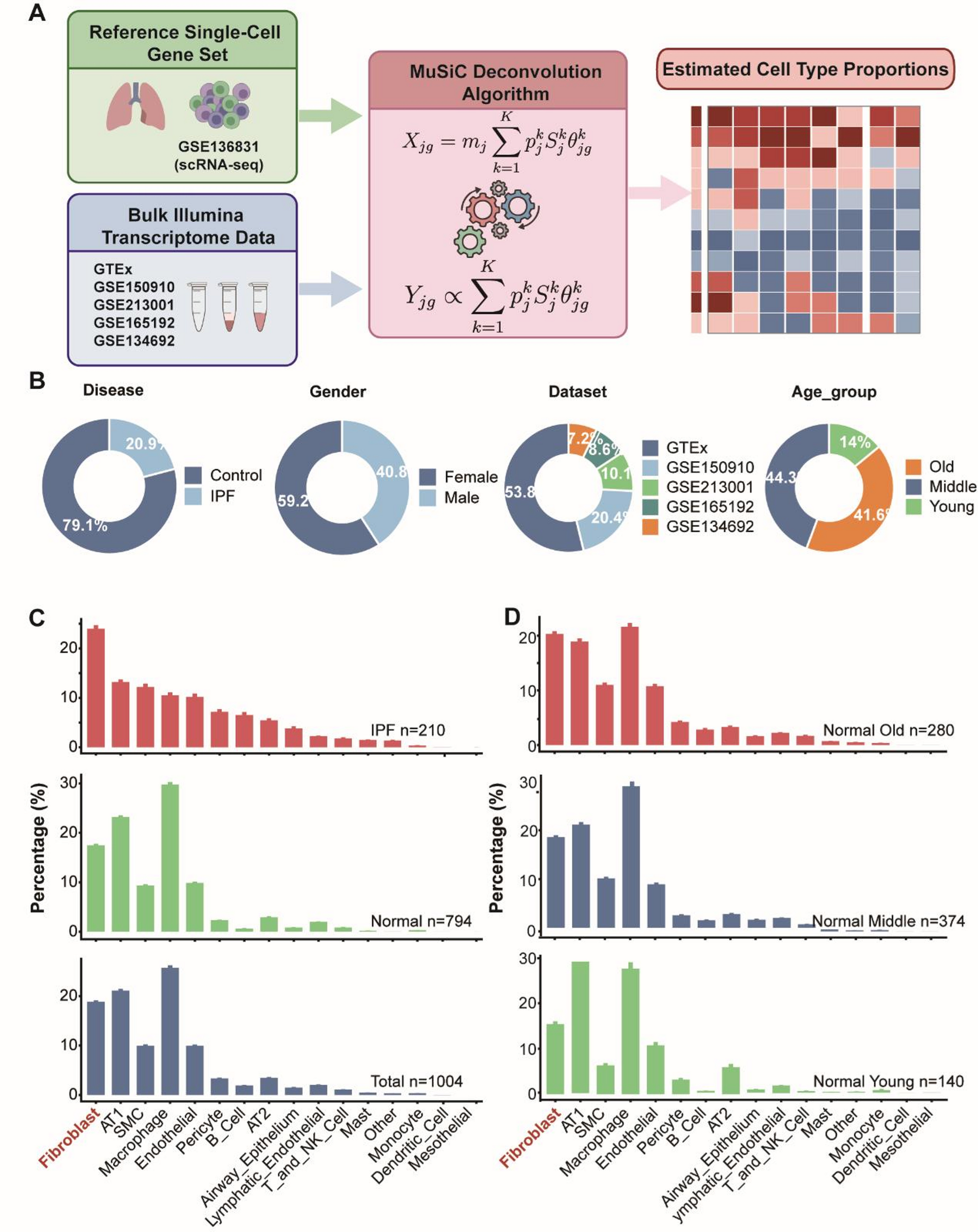
Human lung samples from people with idiopathic pulmonary fibrosis, a progressive lung-scarring disease, and controls underwent integrated analyses of gene activity and DNA chemical tags. The work included 1,004 samples and six single-cell datasets.
The analysis identified five types of fibroblasts, cells that make connective tissue. It inferred a possible shift from a type common in normal lungs toward one enriched in diseased lungs. Cells showing senescence, a state in which cells stop dividing, appeared biased toward that shift. The SLIT2 gene was preferentially active in the normal-lung type. In experiments with MRC-5 human fetal lung fibroblasts grown in the lab, adding SLIT2 protein reduced senescence induced by the chemical bleomycin and scarring-promoting signals to other fibroblasts. Reducing SLIT2 worsened both. Separately, chemical tags near SLIT2 correlated with lower gene activity and co-occurred with DNA-based signs of accelerated aging.
Why it matters
How aging contributes to lung scarring remains poorly understood. The authors identify SLIT2 as a potential therapeutic target in aging-associated pulmonary fibrosis.
Caveats
The authors note that the proposed cell-state shift came from data collected at one point in time, not from tracking cells as they changed.
From the paper
- Limitation
First, trajectory inference is based on cross-sectional single-cell data and reflects computationally inferred state relationships rather than experimentally validated lineage conversion.
Quoted word for word from the full text on link.springer.com.
The paper
First Affiliated Hospital of Wenzhou Medical University
Inflammation, Aug 18, 2026, Open access
Comments
Be the first to comment.