Skip to content
AgingResearch.News app

AgingResearch.NewsFree on Google Play

Open app
AgingResearch.News
  • HomeHome
  • SearchSearch
  • AskAsk
  • FollowingFollowing
  • SavedSaved
Join freeSign inSign inSign in
AgingResearch.NewsJoin free
  • Top
  • Latest
  • For you

Latest: Cells · Preprints

Filter

Clear filters

Evidence

  • All
  • Prevention & practice
  • Human trials
  • Human studies
  • Animals
  • Model organisms
  • Cells
  • In silico
  • Reviews

Status

  • All
  • Peer-reviewed
  • Preprints
  • All
  • Most significant
  • All
  • Open access
  • All
  • Prevention & practice
  • Human trials
  • Human studies
  • Animals
  • Model organisms
  • Cells
  • In silico
  • Reviews
  • All
  • Most significant
  • All
  • Open access
Status
  • All
  • Peer-reviewed
  • Preprints
FooterIn your assistantComparePrivacyTermsAboutStandardsContactRSSPricingFollow on X© 2026 AgingResearch.News
Sidebar

    Join AgingResearch.News

    Free: every story, saved papers, follows, the weekly email and 3 questions a day to Ask.

    Continue with email

    By continuing, you agree to our Terms and Privacy Policy.

    News

    See allSee all news
    Engineered gut bacteria increase bile acid deconjugation, improving aged mice’s metabolic healthResearchGEN +5Engineered gut bacteria increase bile acid deconjugation, improving aged mice’s metabolic healthLater-born generations reach old age with better memory and slower declineResearchMedical Xpress +1Later-born generations reach old age with better memory and slower declineCastration at 240 days extends median lifespan 32.9% in male UM-HET3 miceResearchFight Aging! +1Castration at several ages extends male lifespan and reveals age-dependent effects of testicular factors on survival.

    Trials

    See allSee all trials
    Modulation Effects of Baduanjin Exercise on Subjective Cognitive DeclineResults posted Nov 6, 2026, Massachusetts General HospitalPsilocybin Effects on Healthy Aging Biomarkers and Purpose in LifePhase 1Now recruiting Nov 17, 2026, Charles RaisonPhase I Trial of a Single Administration of aKLmRNA-Mediated Protein Replacement TherapyPhase 1Now recruiting Nov 12, 2026, Klothea Bio Inc

    Trending

    See allSee all trending stories
    SLEEPGeneOlder adults had weaker brain fluid flow waves during sleepBilobetinInterventionBilobetin eased infection-driven immune aging in miceMizagliflozinInterventionFirst trial results posted: Effect of Mizagliflozin Repeat Dosing on Adverse Events and Postprandial Glucose…LY3437943InterventionFirst trial results posted: A Study of Retatrutide (LY3437943) on Renal Function in Participants With Overweight or…Royal jellyInterventionRoyal jelly increased stem cell activity in aged miceImmune responseProcessIn the news: 9 stories this week. Immune signal keeps brown fat in a low-heat state in mice, and 1 more story this week

    Topics

    See allSee all topics
    Mechanisms386Interventions830Biomarkers544Populations823AI & data163Industry & policy36SupplementsPeptidesProtocols
    Footer
    • In your assistant
    • Compare
    • Privacy
    • Terms
    • About
    • Standards
    • Contact
    • RSS
    • Follow on X
    • © 2026 AgingResearch.News

    TodayTue, Nov 17Tuesday, November 172 papers

    bioRxiv·7 h

    Aging-like stress may amplify virus responses in human lung-like cells

    In a lab experiment, human lung-like cells producing a protein linked to premature aging showed stronger inflammatory gene activity after SARS-CoV-2 infection.In a lab experiment, human lung-like cells producing a protein linked to premature aging showed stronger inflammatory gene activity after SARS-CoV-2 infection.
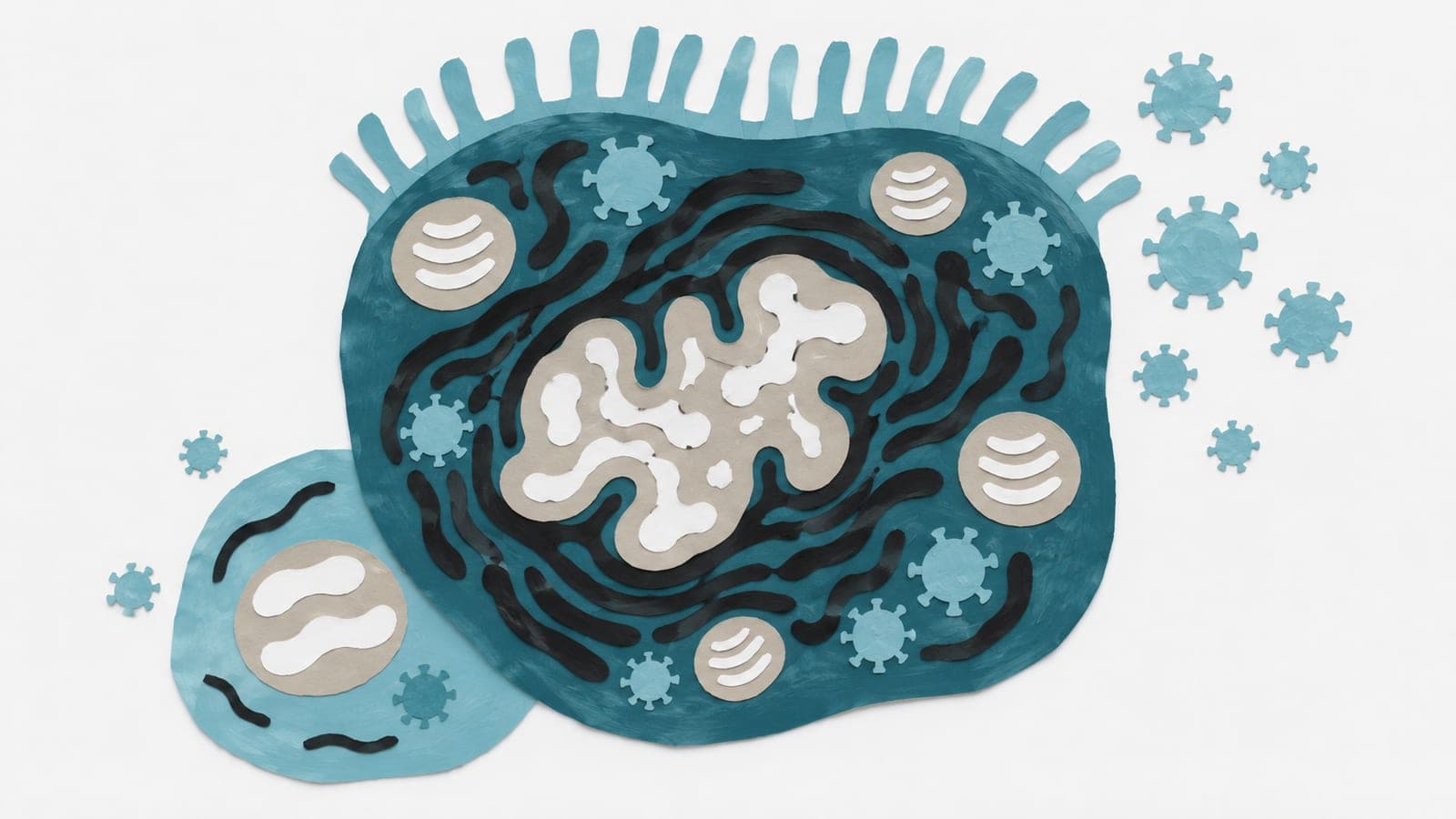
    Lung-lining cells show a large stressed cell with a folded nucleus and dense viral particles beside a smaller cell with a smooth nucleus and fewer viruses.
    Preprint: human cell studyDNA damage response
    Who was studiedHuman alveolar type II-like cells
    What changedAfter SARS-CoV-2 infection, progerin-producing cultures showed stronger inflammation-related gene activity
    The catchInflammation was assessed using gene signatures, a proxy for inflammatory activity
    Paper
    bioRxiv·9 h

    Age-dependent phosphorylation of estrogen receptor beta (ERβ) regulates homodimer formation and impairs the repression of amyloid precursor protein (APP) promoter

    Preprint: experiments in cellsMechanisms
    Paper

    YesterdayMon, Nov 16Monday, November 161 paper

    bioRxiv·Yesterday

    Protein levels alter drug sensitivity in lab-grown human cells

    Cells still stopped dividing after radiation, but protein levels changed their secreted signals and sensitivity to a drug that kills senescent cells.Cells still stopped dividing after radiation, but protein levels changed their secreted signals and sensitivity to a drug that kills senescent cells.

    A large intact fibroblast sits among secreted droplets beneath smaller cells, including a dying cell with a shrunken nucleus and scattered fragments.
    Preprint: human cell studyMechanisms
    Who was studiedNormal human fibroblasts, against cells with high TIP60
    What changedCells with low TIP60 were completely resistant to ABT-263; cells with high TIP60 were modestly more sensitive
    The catchReported drug responses cover ABT-263 alone, not other senolytic drugs
    Paper

    Fri, Nov 134 papers

    bioRxiv·Nov 13

    Biochemical reassessment of the activation of PANK1 by SGLT2 inhibitors

    Preprint: experiments in human cellsMechanisms
    Paper
    bioRxiv·Nov 13

    Aging datasets yield different gene rankings in human cells

    Rankings based on two datasets of human connective-tissue cells were unrelated, with a correlation of minus 0.05.Rankings based on two datasets of human connective-tissue cells were unrelated, with a correlation of minus 0.05. Four human cell lines featured in a computational analysis of 18,746 gene-suppression profiles from five screens…

    A large flattened fibroblast sits among smaller blue-green dividing cells and gray spindle-shaped cells containing scattered dark granules.
    Preprint: computational studyAI & data
    Who was studiedHuman cell lines, against GTEx fibroblasts
    What changedGene-knockdown rankings from donor fibroblasts were unrelated to rankings from GTEx fibroblasts
    The catchScores tracked cell multiplication, complicating interpretation of rankings as rejuvenation signals
    Paper
    bioRxiv·Nov 13

    Reducing a protein shifts gene activity in human immune cells

    Experiments in lab-grown brain immune cells shifted gene activity away from disease-associated states and toward inflammatory responses, with weaker responses in cells…Experiments in lab-grown brain immune cells shifted gene activity away from disease-associated states and toward inflammatory responses, with weaker responses in cells carrying an Alzheimer’s-linked gene variant.

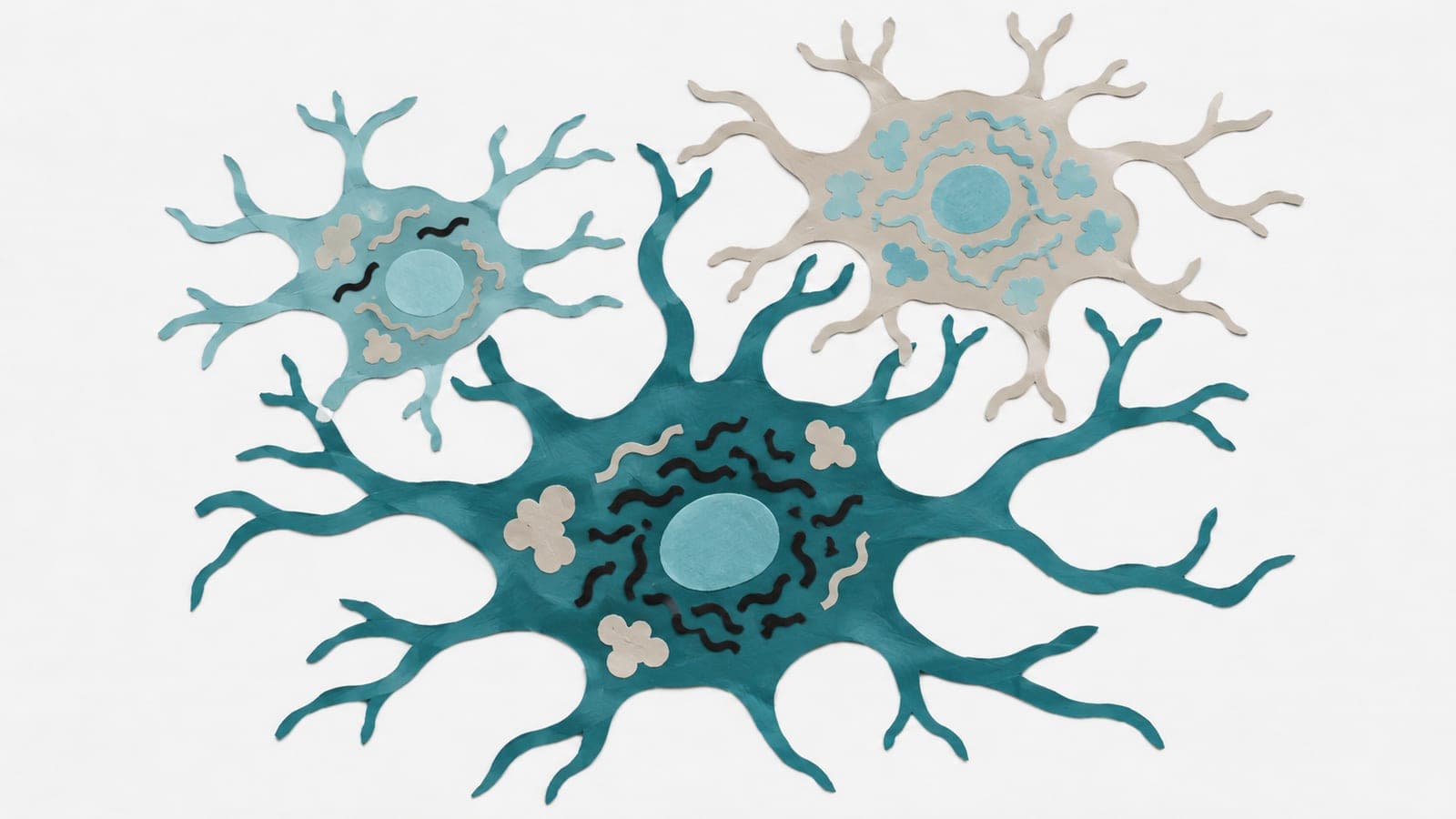
    Branching microglia contain contrasting clusters of proteins and gene transcripts, with dense dark strands in the largest cell and fewer in its neighbors.
    Preprint: human cell studyMechanisms
    Who was studiedHuman stem-cell-derived microglia
    What changedReducing DAB2 shifted microglial gene activity away from disease-linked states and toward inflammatory responses
    The catchAmyloid-beta clearance was linked to gene networks, rather than measured directly
    Paper
    bioRxiv·Nov 13

    Engineered tool improves DNA editing in mammalian cells

    Editing efficiency rose from 4.29% with the original tool to 48.94% with the engineered version in experiments with mammalian cells.Editing efficiency rose from 4.29% with the original tool to 48.94% with the engineered version in experiments with mammalian cells. The researchers used the protein’s structure to guide changes and joined it to TREX2, an enzyme…

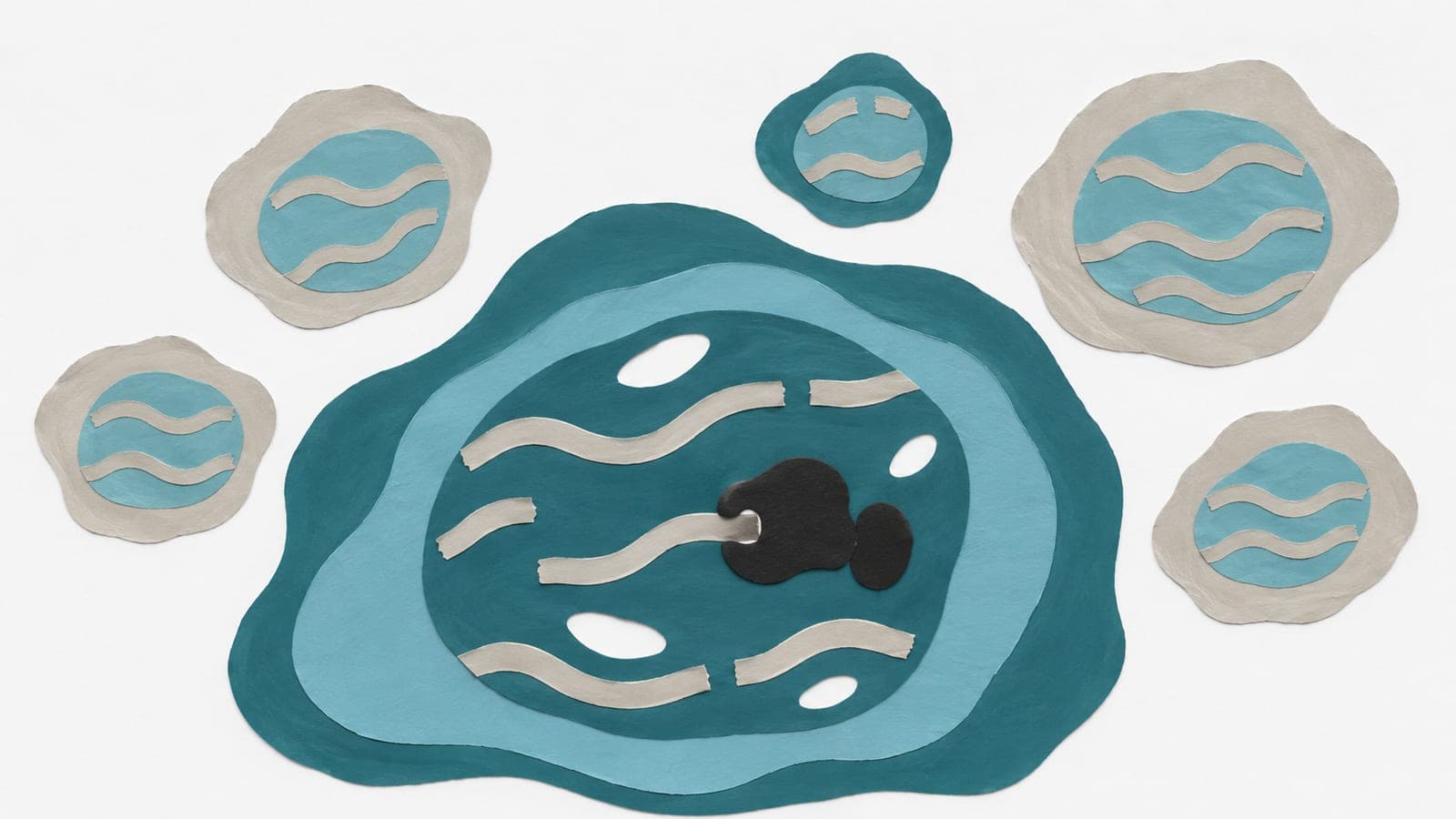
    A large dark blue-green cell contains a joined protein and cut DNA strands, surrounded by smaller cells with mostly intact strands.
    Preprint: animal cell studyInterventions
    Who was studiedMammalian cells, against the original tool
    What changedDNA editing efficiency rose from 4.29% with the original tool to 48.94% with eTasR
    The catchEditing efficiency is reported without measurements of editing safety
    Paper

    Thu, Nov 122 papers

    bioRxiv·Nov 12

    Human cell types recovered differently after partial reprogramming

    Experiments in human cells found that lower DNA-based age estimates did not necessarily accompany recovery of specialized identity and function.Experiments in human cells found that lower DNA-based age estimates did not necessarily accompany recovery of specialized identity and function.

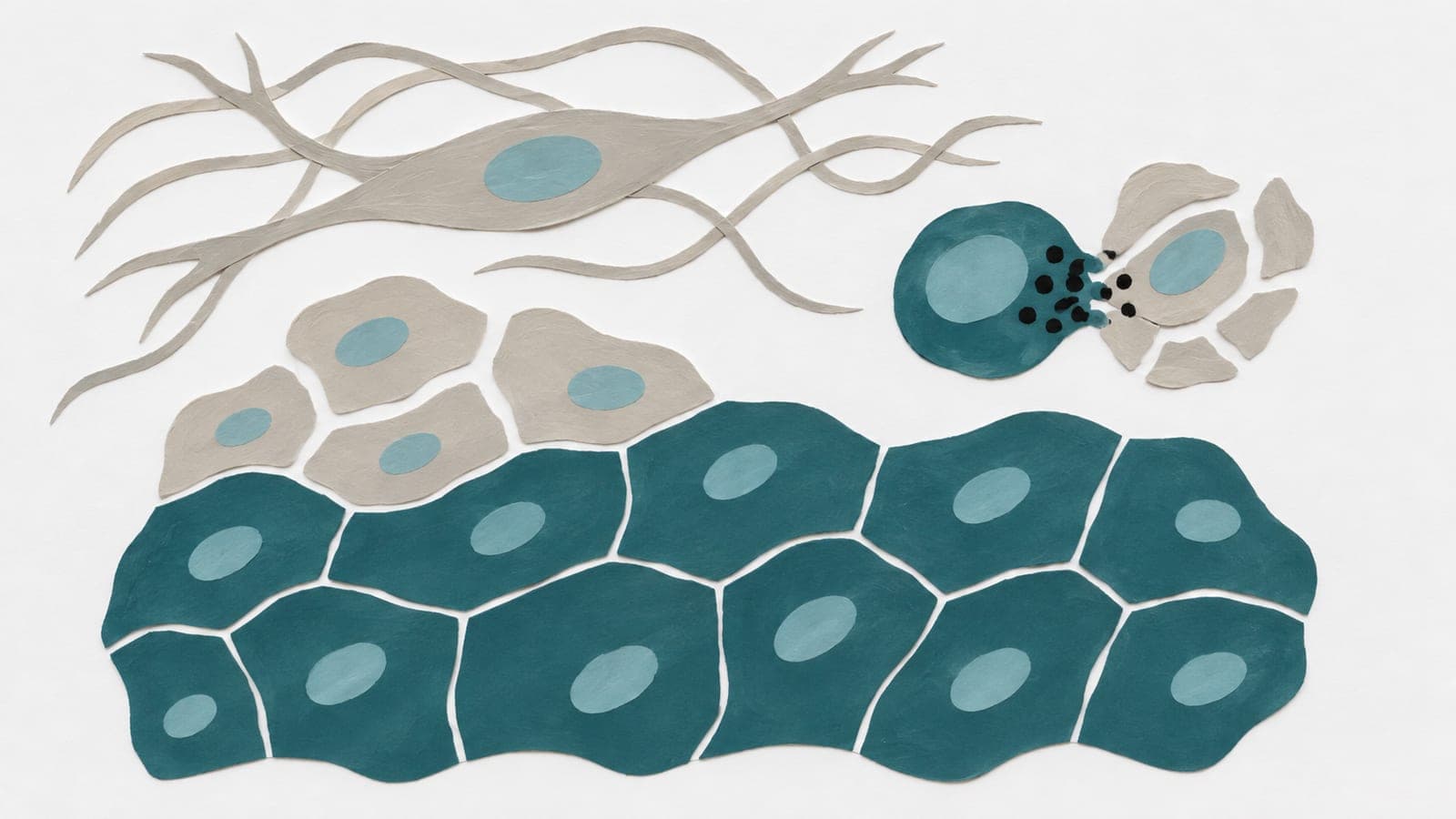
    Closely fitted vessel-lining cells sit beside loose cells, beneath a fibroblast tangled in fibers and an immune cell breaking apart a target.
    Preprint: human cell studyPartial reprogramming
    Who was studiedHuman fibroblasts, T cells, and endothelial cells
    What changedEndothelial cells recovered identity rapidly; fibroblast proliferation recovered incompletely, and T cells recovered only after shallow reprogramming
    The catchCells’ recovery and function in their normal tissue environment were not measured
    Paper
    bioRxiv·Nov 12

    Programming Primary Schwann Cells with Circular RNA Delivered by Listeria Drones

    Preprint: experiments in rat cellsInterventions
    Paper

    Tue, Nov 101 paper

    Research Square·Nov 10

    Glabranin counteracts MAFLD by stimulating liver lipid catabolism via the PKA-AMPK axis

    Preprint: experiments in human cellsInterventions
    Paper

    Mon, Nov 92 papers

    PsyArXiv·Nov 9

    Bioengineering an improved niche for neural stem cells

    Preprint: experiments in mouse cellsInterventions
    Paper
    PsyArXiv·Nov 9

    Bioengineering an improved niche for neural stem cells

    Preprint: experiments in mouse cellsInterventions
    Paper

    Fri, Nov 61 paper

    bioRxiv·Nov 6

    Cell stress linked to disrupted metabolism in goat egg cells

    In goat egg-cell experiments, a supplement restored a metabolic molecule, improved measures of cell function and improved early embryo development.In goat egg-cell experiments, a supplement restored a metabolic molecule, improved measures of cell function and improved early embryo development.

    An egg cell with abundant metabolic molecules and folded membranes sits beside a stressed cell with sparse molecules and a compact early embryo.
    Preprint: animal cell studyInterventions
    Who was studiedPoor-grade goat egg cells
    What changedPoor-grade goat egg cells had depleted NAD levels, linked to stress in the cell's protein-processing machinery
    The catchRNA processing by recombinant IRE1 substitutes for measuring cleavage inside egg cells
    Paper

    Thu, Nov 51 paper

    bioRxiv·Nov 5

    Metformin lowers HMGA1a and RBM3 protein in breast cancer cells, and its effect on ESR1 splicing depends on cell density and exposure time

    Preprint: experiments in human cellsMetformin
    Paper

    Wed, Nov 41 paper

    Research Square·Nov 4

    Selinexor, a CRM1 inhibitor with anti-senescence activity, modulates the non- coding transcriptome of Hutchinson–Gilford progeria syndrome fibroblasts

    Transcriptomic differences between HGPS and WT fibroblasts.
    Preprint: experiments in human cellsCellular senescence
    Paper

    Tue, Nov 31 paper

    bioRxiv·Nov 3

    Some age-linked DNA marks in organoids did not rely on DNA copying

    A cell experiment using mouse colon organoids linked gains in certain DNA marks to biological aging rather than activation of a cancer-linked mutation.A cell experiment using mouse colon organoids linked gains in certain DNA marks to biological aging rather than activation of a cancer-linked mutation.

    A large colon organoid and a smaller one contain similarly marked chromatin, beside a cluster of cells with fewer marks.
    Preprint: animal cell studyMechanisms
    Who was studiedSingle stem cell-derived mouse colon organoid clones
    What changedAge-linked promoter DNA marks did not accelerate in mutation-activated organoids versus controls and accumulated independently of DNA copying
    The catchThe reported comparison manipulated a cancer-linked mutation rather than DNA copying directly
    Paper

    Mon, Nov 21 paper

    bioRxiv·Nov 2

    Mechanotransduction tuned by intermediate filaments promotes DNA repair in stiff environments

    Preprint: experiments in human cellsDNA repair
    Paper

    Thu, Oct 292 papers

    bioRxiv·Oct 29

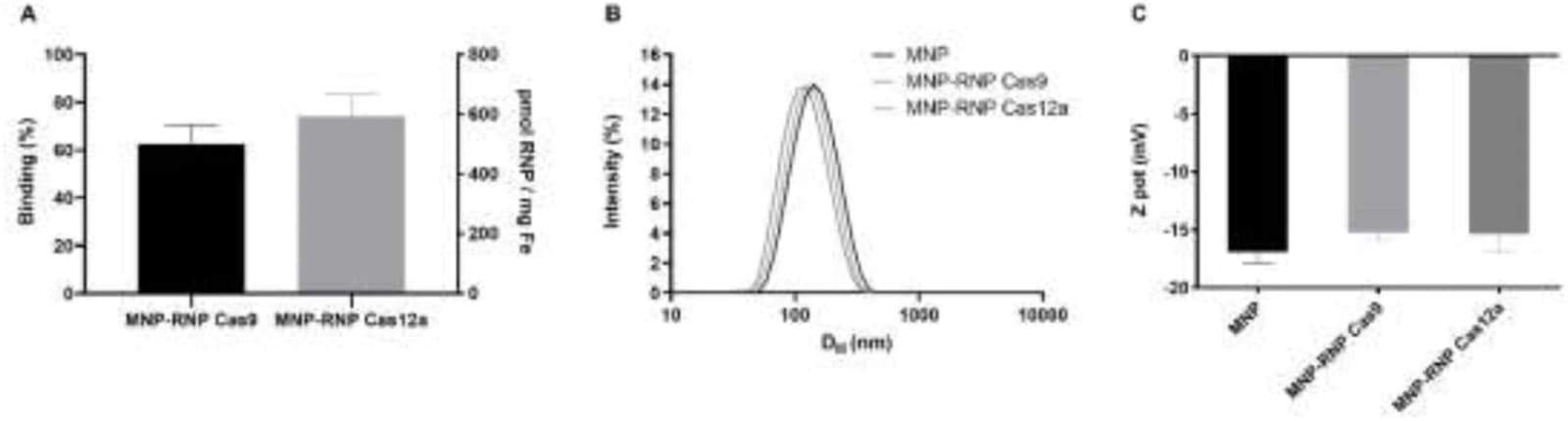
    Carboxymethyl Dextran Coated Iron Oxide Magnetic Nanoparticles as Vehicles for CRISPR Ribonucleoproteins

    Characterization of the nanocomplexes.
    Preprint: experiments in human cellsInterventions
    Paper
    bioRxiv·Oct 29

    Erythrocyte aging links hypocalcemia to impaired flow dynamics and oxygen transport through volume dysregulation

    Age-dependent RBC swelling in response to shear stress.
    Preprint: experiments in cellsMechanisms
    Paper

    Wed, Oct 285 papers

    bioRxiv·Oct 28

    Systematic analysis of genetic vulnerabilities caused by chromosome loss events in cancer

    Chromosome loss events are associated with specific genetic dependencies.
    Preprint: experiments in cellsCancer
    Paper
    bioRxiv·Oct 28

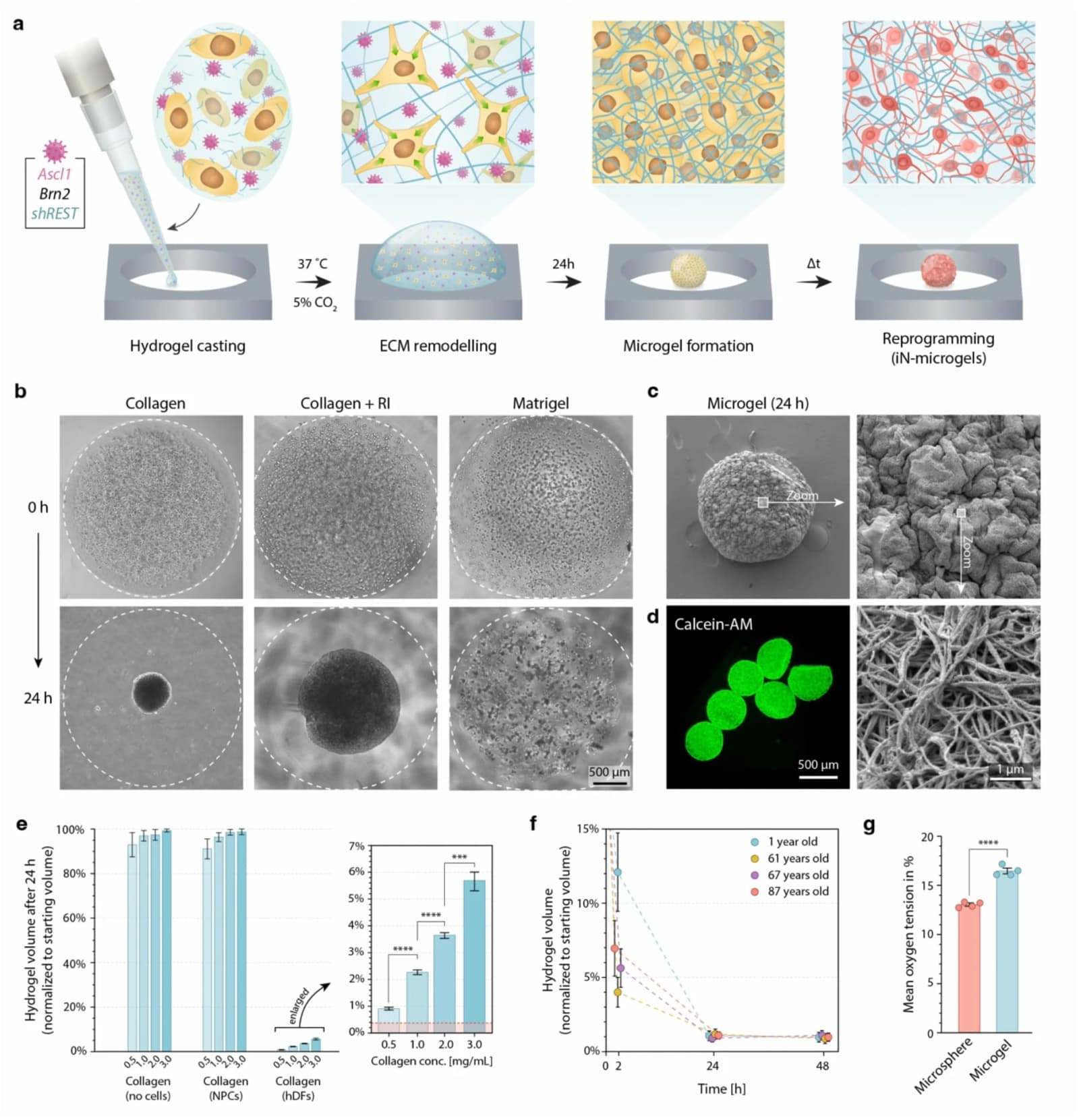
    Transient matrix remodeling during direct cell-fate reprogramming enables self-assembly of dense neuronal niches

    iN-microgel concept and microgel formation.
    Preprint: experiments in human cellsInterventions
    Paper
    bioRxiv·Oct 28

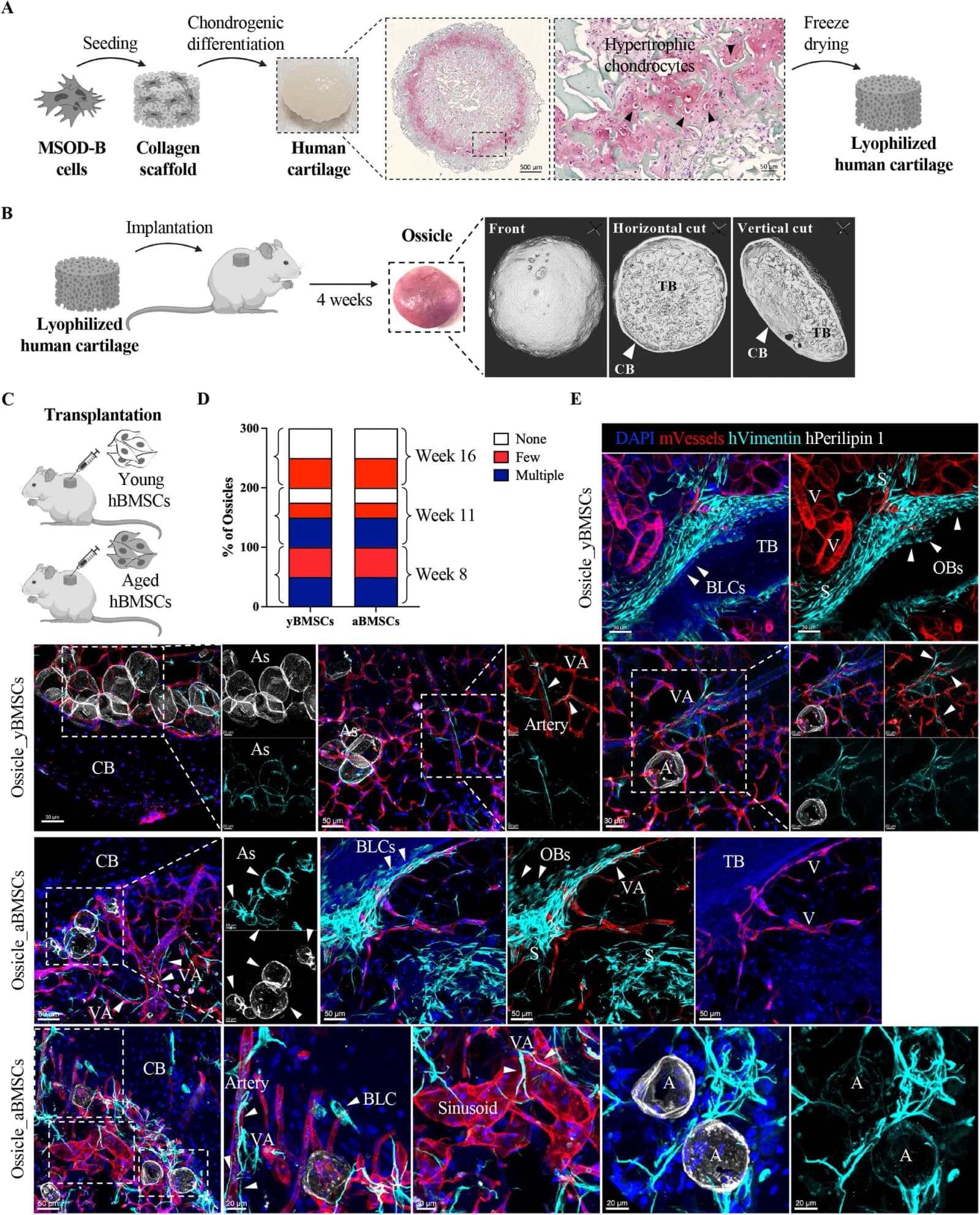
    Aged marrow support cells alter human blood stem cell function

    Experiments with human bone marrow cells found that support cells’ ability to protect blood-forming stem cells during regeneration-related stress was impaired with age.Experiments with human bone marrow cells found that support cells’ ability to protect blood-forming stem cells during regeneration-related stress was impaired with age.

    Establishment of an ectopic hBM mesenchymal niche using young and aged hBMSCs.
    Preprint: animal studyStem cell maintenance
    Who was studiedYoung human blood stem cells in grafts, 16 weeks, against young marrow niches
    What changedYoung human blood stem cells produced more myeloid cells in aged marrow niches than in young niches
    The catchDonor age was confounded with marrow harvest site and cardiovascular or orthopedic conditions
    Paper
    bioRxiv·Oct 28

    Growing Macroscopic Functional Human Tissues on 3D Printed Peptide Hydrogels

    Optimization of K2 Ink 3D printing.
    Preprint: experiments in human cellsInterventions
    Paper
    bioRxiv·Oct 28

    Brief enzyme inhibition enhances reprogramming in human cells

    Experiments in human blood cells found that briefly inhibiting a DNA-copying enzyme enhanced their conversion into stem cells while preserving genetic stability.Experiments in human blood cells found that briefly inhibiting a DNA-copying enzyme enhanced their conversion into stem cells while preserving genetic stability.

    Transient, low-dose PolA1 inhibition enhances the efficiency and kinetics of human PBMC reprogramming into iPSCs.
    Preprint: human cell studyInterventions
    Who was studiedHuman peripheral blood mononuclear cells
    What changedReprogramming efficiency was approximately threefold higher in inhibitor-treated human blood cells than in vehicle-treated controls
    The catchOnly six donor samples supported the reprogramming-efficiency result
    Paper

    Tue, Oct 271 paper

    bioRxiv·Oct 27

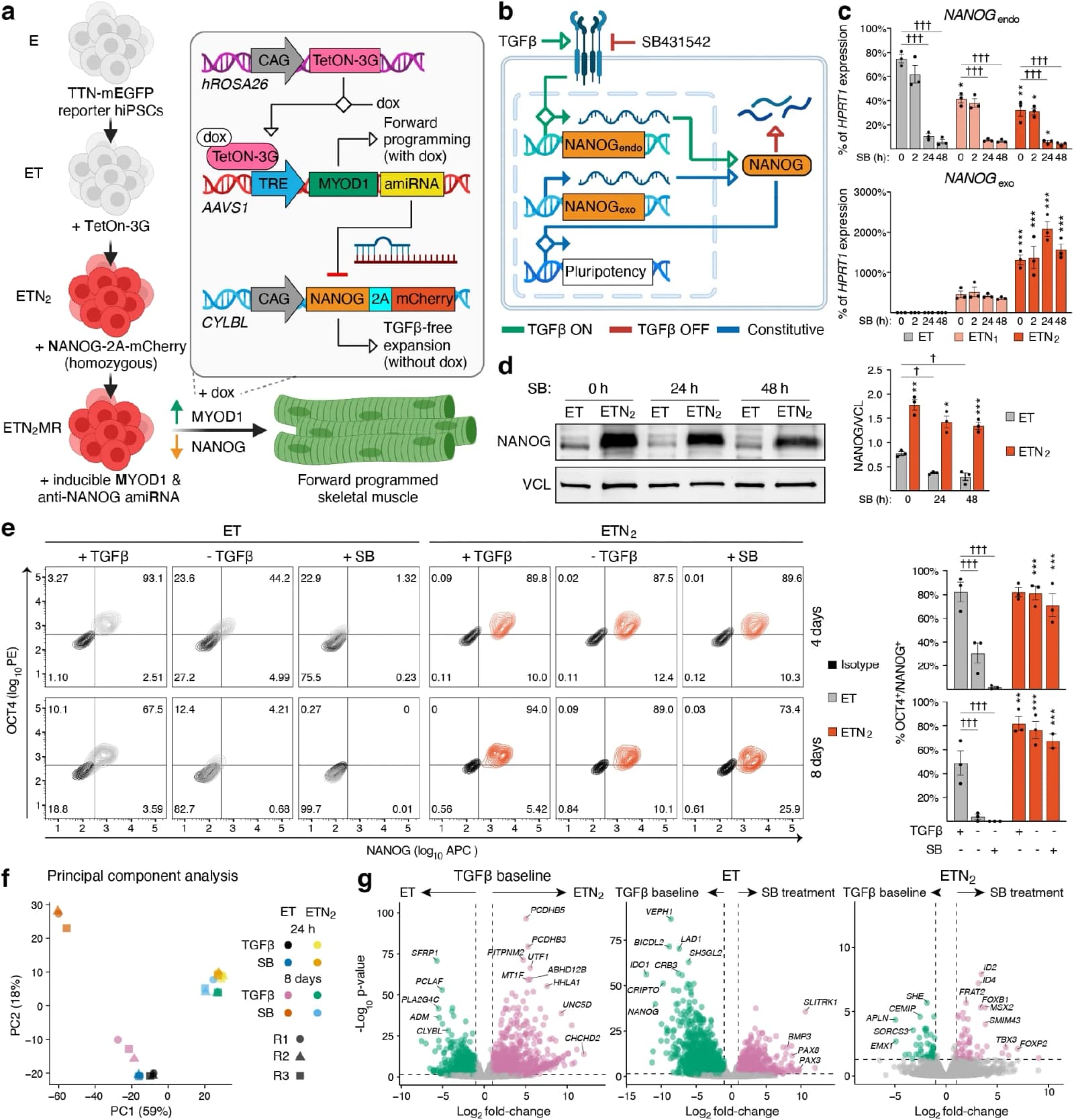
    Genetic control couples TGFβ-independent pluripotent stem cell renewal to deterministic forward programming across germ layers

    Engineering a TGFβ-independent pluripotent state.
    Preprint: experiments in human cellsInterventions
    Paper

    Sat, Oct 242 papers

    bioRxiv·Oct 24

    Direct reprogramming of human monocytes generates blue light- and leptin-responsive ipRGC-like neurons

    Generation of functional mature neurons from human monocytes.
    Preprint: experiments in human cellsBlue light
    Paper
    Research Square·Oct 24

    Scaffold Geometry Governs Mechanobiological Responses to Combined Biophysical Stimulation in Human Bone Tissue-Like Models

    Comparative gene expression profiles of bone marrow-derived mesenchymal stem cells (BM-MSCs) cultured within PLA600 vs. P3S3 scaffolds under perfusion and pulsed electromagnetic field (PEMF)…
    Preprint: experiments in human cellsBones and joints
    Paper

    Fri, Oct 233 papers

    bioRxiv·Oct 23

    Quantifying punctate morphology in mesenchymal stem cells from single cell images provides a definitive quality assessment pipeline for direct correlation to osteogenic lineage differentiation

    Gating strategy followed while acquiring single cells on Amnis Image Stream MK II.
    Preprint: experiments in human cellsBiomarkers
    Paper
    bioRxiv·Oct 23

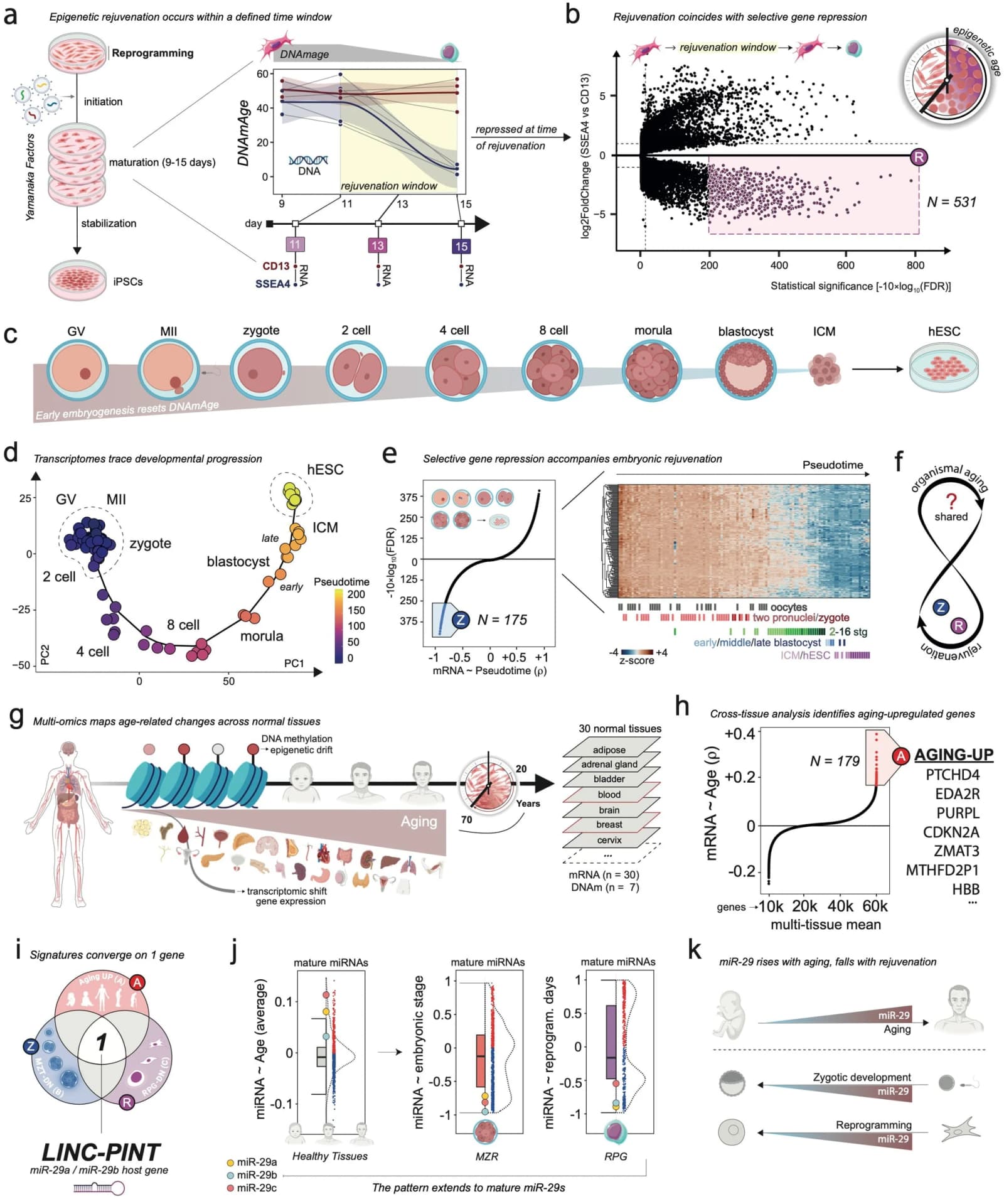
    Blocking an RNA counters aging-related gene activity in cells

    Cell experiments found that inhibiting the RNA lowered DNA-based age estimates but made DNA markings less consistent with cell identity.Cell experiments found that inhibiting the RNA lowered DNA-based age estimates but made DNA markings less consistent with cell identity. In experiments in cells, researchers altered miR-29, a small RNA molecule that regulates gene…

    Independent ageing and rejuvenation programmes converge on a miR-29-associated locus.
    Preprint: human cell studyMechanisms
    Who was studiedHuman fibroblasts
    What changedBlocking miR-29 shifted fibroblast gene activity toward a younger pattern
    The catchLower age estimates reflect methylation remodeling, not a uniform reversal of the aging methylome
    Paper
    bioRxiv·Oct 23

    Tests back predicted gene links in aging human skin cells

    Experiments confirmed 53.8% of testable gene interactions predicted in human skin cells, a higher share than other methods or random predictions.Experiments confirmed 53.8% of testable gene interactions predicted in human skin cells, a higher share than other methods or random predictions.

    Inferring mechanistic interactions in the transcriptome.
    Preprint: human cell studySkin
    Who was studiedHuman dermal fibroblasts, Day 16 post transduction, against DeepSEM predictions
    What changedTests confirmed 53.8% of predicted gene links, versus 42.4% with the competing DeepSEM method
    The catchViral delivery and drug selection inflated validation; excluding affected genes reduced confirmation to 30%
    Paper

    Thu, Oct 223 papers

    bioRxiv·Oct 22

    Some preleukemic cells suppress normal neighbors in culture

    About 10% of preleukemic mutant clones actively suppressed or completely eliminated competing normal cells in a laboratory culture model.About 10% of preleukemic mutant clones actively suppressed or completely eliminated competing normal cells in a laboratory culture model. In an experiment using cells grown in the lab, researchers examined how normal cells…

    Single-cell split cultures are phenotypically, functionally and molecular homogeneous.
    Preprint: animal cell studyMechanisms
    Who was studiedMouse hematopoietic stem cell-derived clones, against standard competition wells
    What changedNormal-to-mutant cell ratios were >20-fold lower alongside TET2 super competitors than in standard competition wells
    The catchCell output was measured, not whether suppressed WT cells died or stopped dividing
    Paper
    bioRxiv·Oct 22

    Excess cell size drives senescence by altering RNA in cells

    Experiments in cultured cells show that cell enlargement reorganizes DNA and alters RNA splicing, while restoring a single protein variant resumes cell division.Experiments in cultured cells show that cell enlargement reorganizes DNA and alters RNA splicing, while restoring a single protein variant resumes cell division.

    Excess G₁ cell size activates p53-p21 signaling.
    Preprint: human cell studyCellular senescence
    Who was studiedHTERT-RPE1 cells, 7 days, against size-constrained cells
    What changedNonfunctional MDM4 RNA's share rose >9-fold in enlarged cells compared with size-constrained cells
    The catchRNA decay likely caused underestimation of the nonfunctional MDM4 transcript's production
    Paper
    bioRxiv·Oct 22

    Epigenomic heterogeneity and spatial organization during human reprogramming

    Multi-modal Profiling of Human Reprogramming.
    Preprint: experiments in human cellsChromatin and 3D genome organization
    Paper

    Tue, Oct 202 papers

    bioRxiv·Oct 20

    Optogenetic and sonogenetic pacing of unmodified cardiac tissue upon quick integration with specialized biological actuators

    Overview of the generation, integration and deployment of cell spheroids for actuation of unmodified cardiac tissue.
    Preprint: experiments in human cellsInterventions
    Paper
    bioRxiv·Oct 20

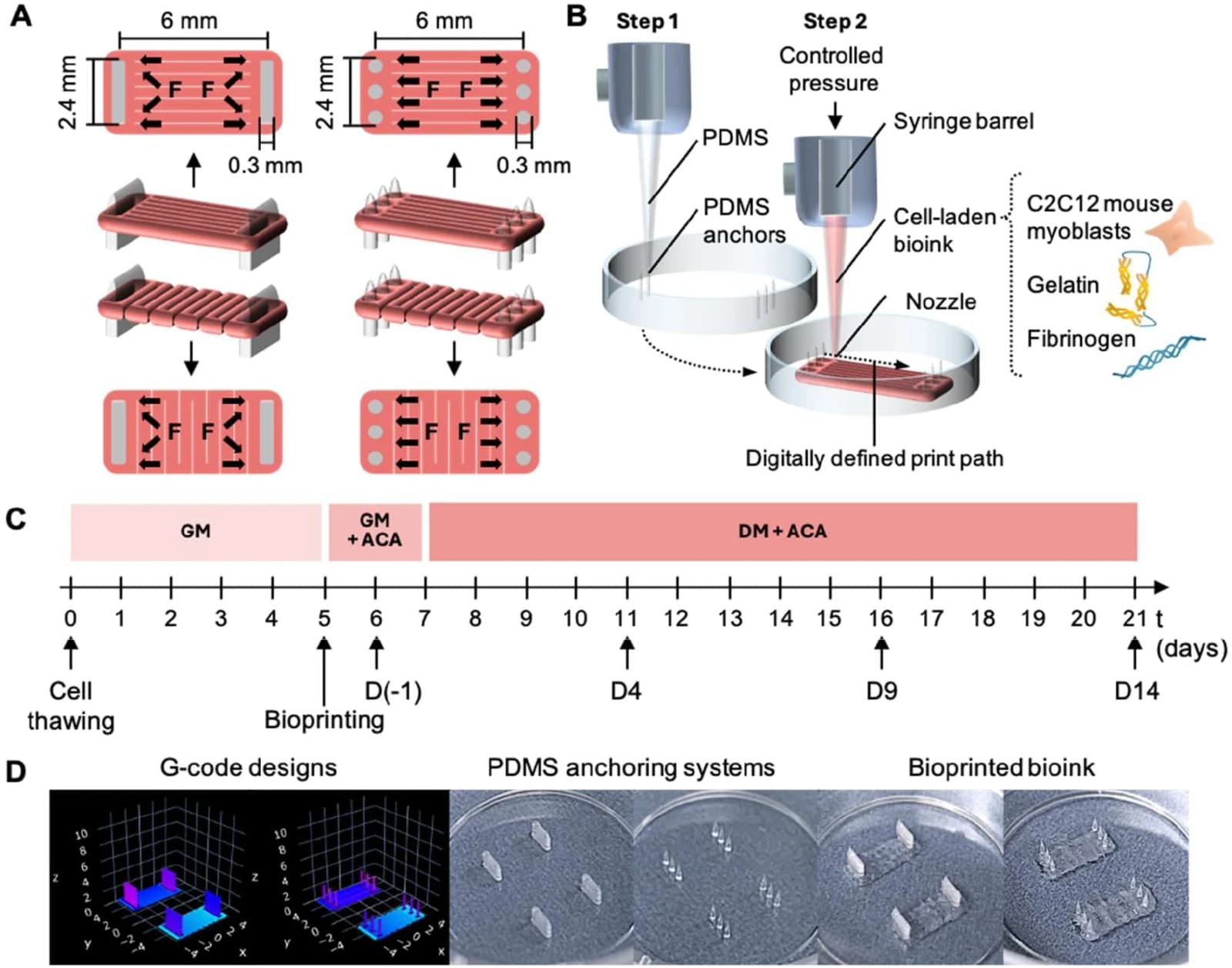
    3D-bioprinted skeletal muscle with tailored myofibre architecture

    Design and fabrication of anchoring systems and eSMT.
    Preprint: experiments in cells3d bioprinting
    Paper

    Mon, Oct 191 paper

    bioRxiv·Oct 19

    Integration of In-Line Light-Mediated Cell Activation in Extrusion-Based Bioprinting: A New Biofabrication Strategy for Bone Tissue Engineering

    Custom-built light stimulated extrusion-based printing system.
    Preprint: experiments in human cellsBones and joints
    Paper

    Sun, Oct 181 paper

    bioRxiv·Oct 18

    Targeting skin ageing at the source: a novel cellular reprogramming approach using natural extract combinations

    The impact of ERK or AKT inhibitors on the expression of splicing regulators.
    Preprint: experiments in human cellsSkin
    Paper

    Fri, Oct 16

    Research Square·Oct 16

    Senescent human skin cells made more protein in the lab

    Lab experiments compared human skin cells in senescence—a permanent halt to division—with resting cells and cells that were still dividing.Lab experiments compared human skin cells in senescence—a permanent halt to division—with resting cells and cells that were still dividing.

    Establishing and validating senescence induction using doxorubicin.
    Preprint: human cell studyCellular senescence
    Who was studiedHuman dermal fibroblasts, against quiescent and proliferating fibroblasts
    What changedSenescent human skin cells made more protein overall than resting and actively dividing cells
    The catchOnly dermal fibroblasts were studied; other skin cell types could behave differently
    Paper
    Research Square·Oct 16

    Metformin promotes the expansion of CD8+ central memory T cells by offsetting Pentose phosphate pathway

    Preprint: experiments in human cellsMetformin
    Paper
    Preprints.org·Oct 16

    The Centriole as a Differentiation Ratchet: A Hypothesis and an Experimental Roadmap Built on the Naturally Acentriolar Adult Cardiomyocytes of Human, Mouse and Rat

    Preprint: experiments in human cellsMechanisms
    Paper