Blocking an RNA counters aging-related gene activity in cells
Cell experiments found that inhibiting the RNA lowered DNA-based age estimates but made DNA markings less consistent with cell identity.
Limit: Gene activity and DNA-based age estimates are stand-ins for cellular rejuvenation
Edited by Boris Djordjevic · AgingResearch.News
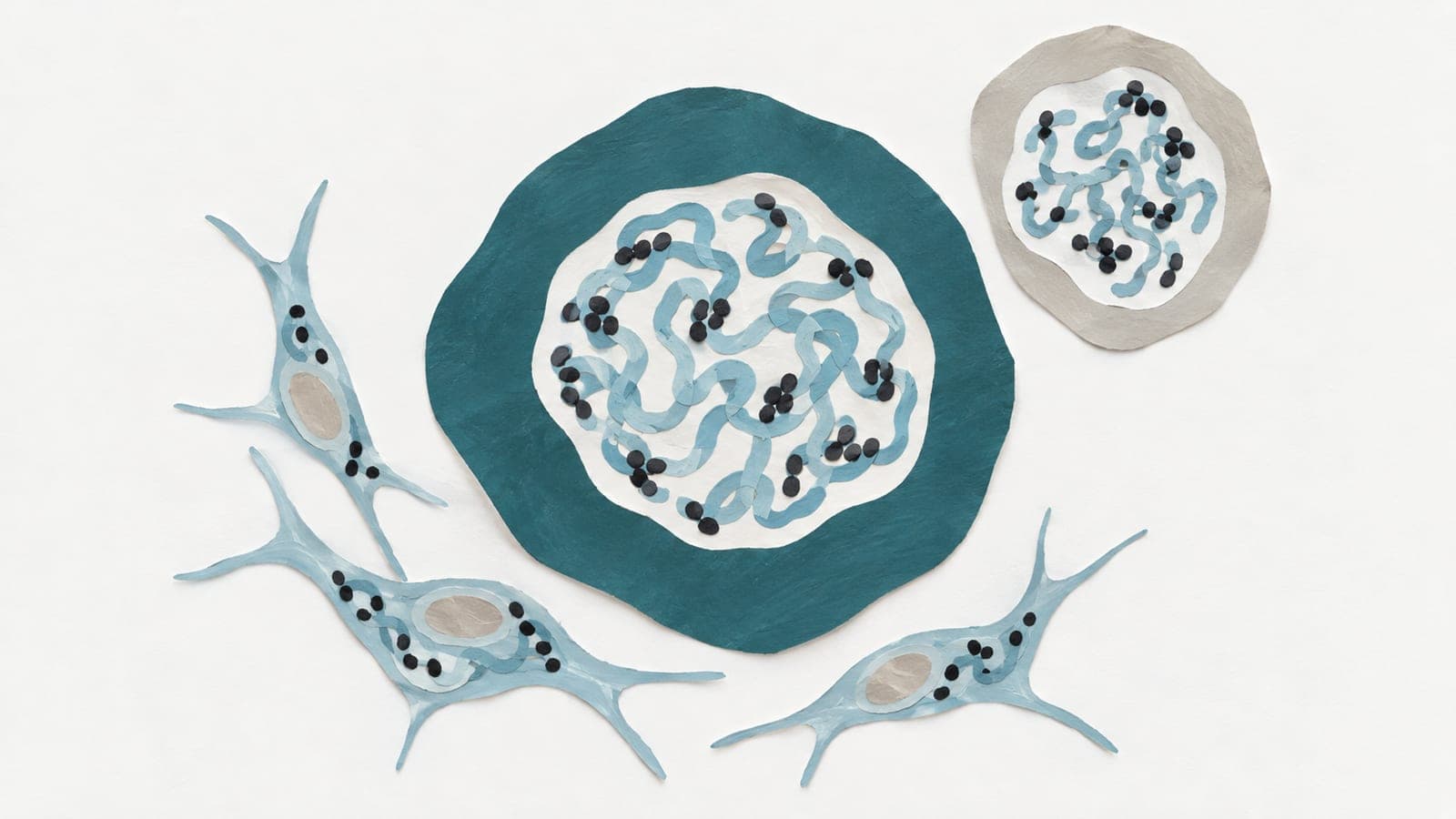
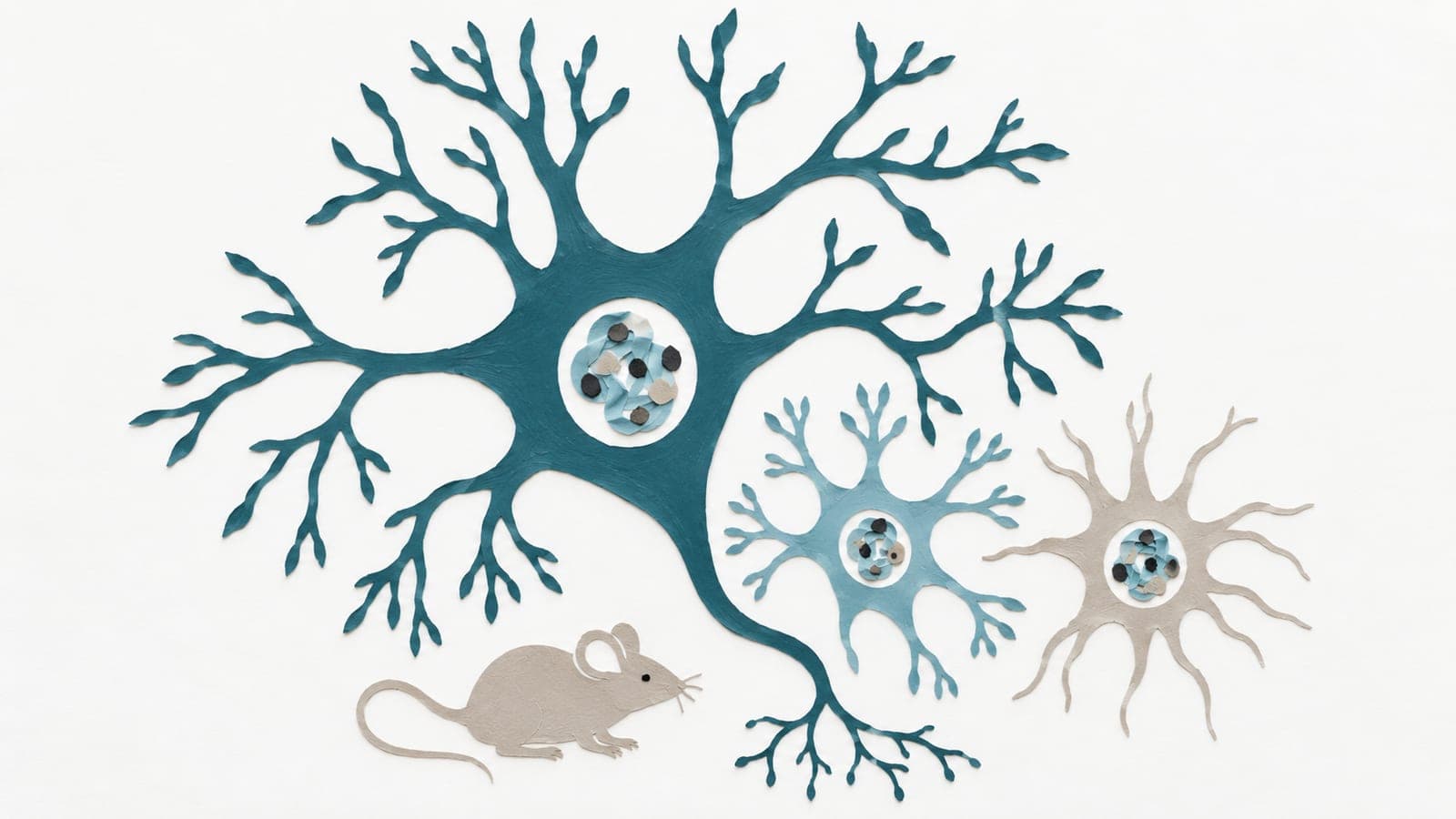
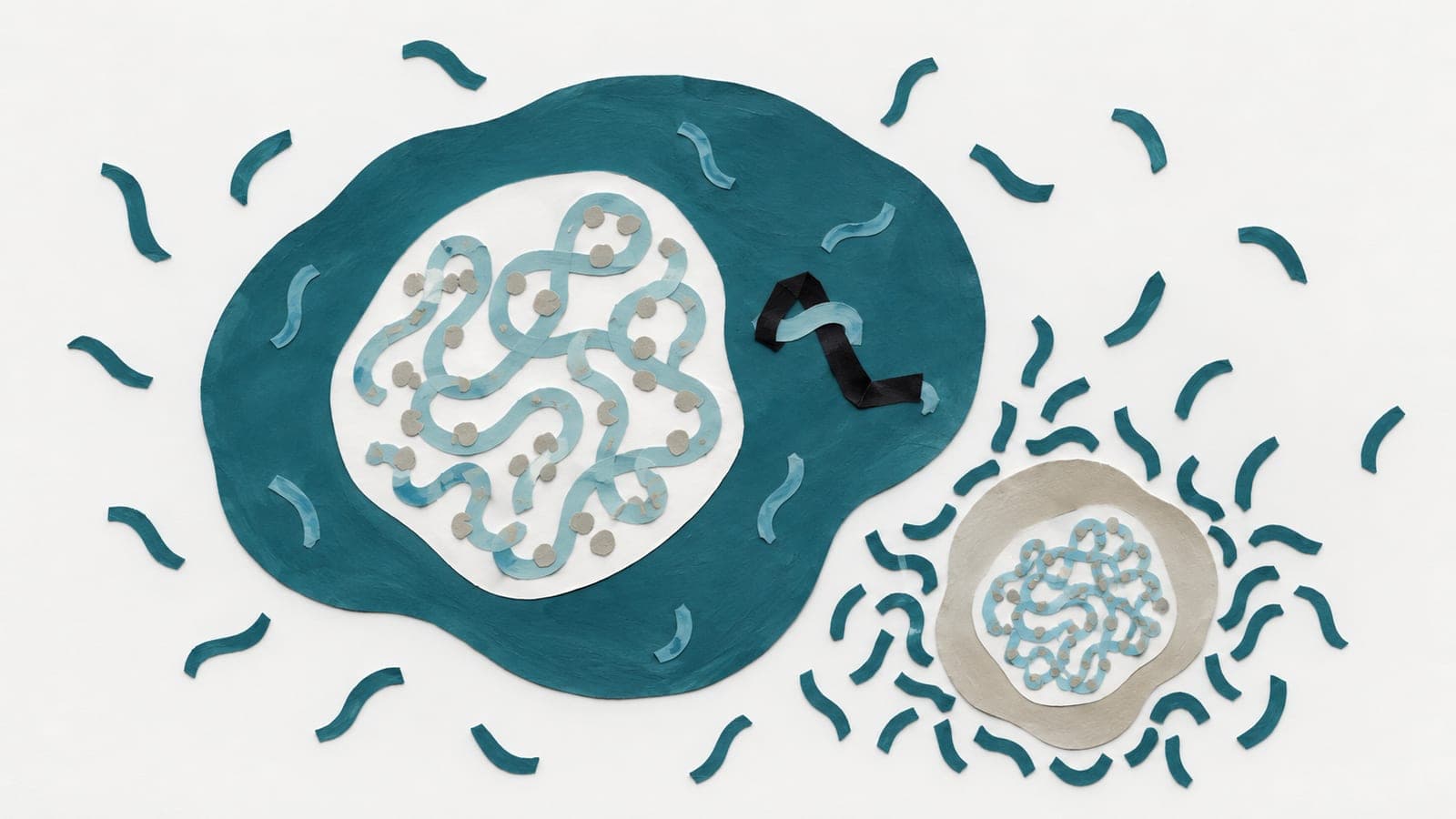
In experiments in cells, researchers altered miR-29, a small RNA molecule that regulates gene activity, to examine its role in aging-related changes. They also compared gene-activity patterns during aging, experimentally induced reprogramming and early development. Levels of miR-29 rose with aging and fell in both settings associated with rejuvenation.
Inhibiting miR-29 shifted gene activity away from aging-associated patterns. Molecules that mimic miR-29 pushed gene activity toward an older pattern. Inhibition also lowered age estimates from epigenetic clocks, which estimate age from chemical markings on DNA. It amplified changes in DNA markings in response to stimuli, but made those markings less faithful to patterns characteristic of the cells’ type.
Why it matters
Cells must preserve their identity while remaining able to adapt. The authors propose that aging preserves identity-related DNA markings at the expense of the flexibility needed to maintain and adjust them.
Caveats
Changes in gene activity and DNA-based age estimates do not establish that cells became younger. This preprint has not been peer-reviewed, and its abstract does not specify cell types or sample sizes.
The paper
Age-driven miR-29 trades youthful plasticity for epigenetic fidelity
Institute of Oncology Research (IOR)
bioRxiv, Oct 23, 2026, Open access, CC BY-NC-ND, Preprint, not peer-reviewed