Senescent human skin cells made more protein in the lab
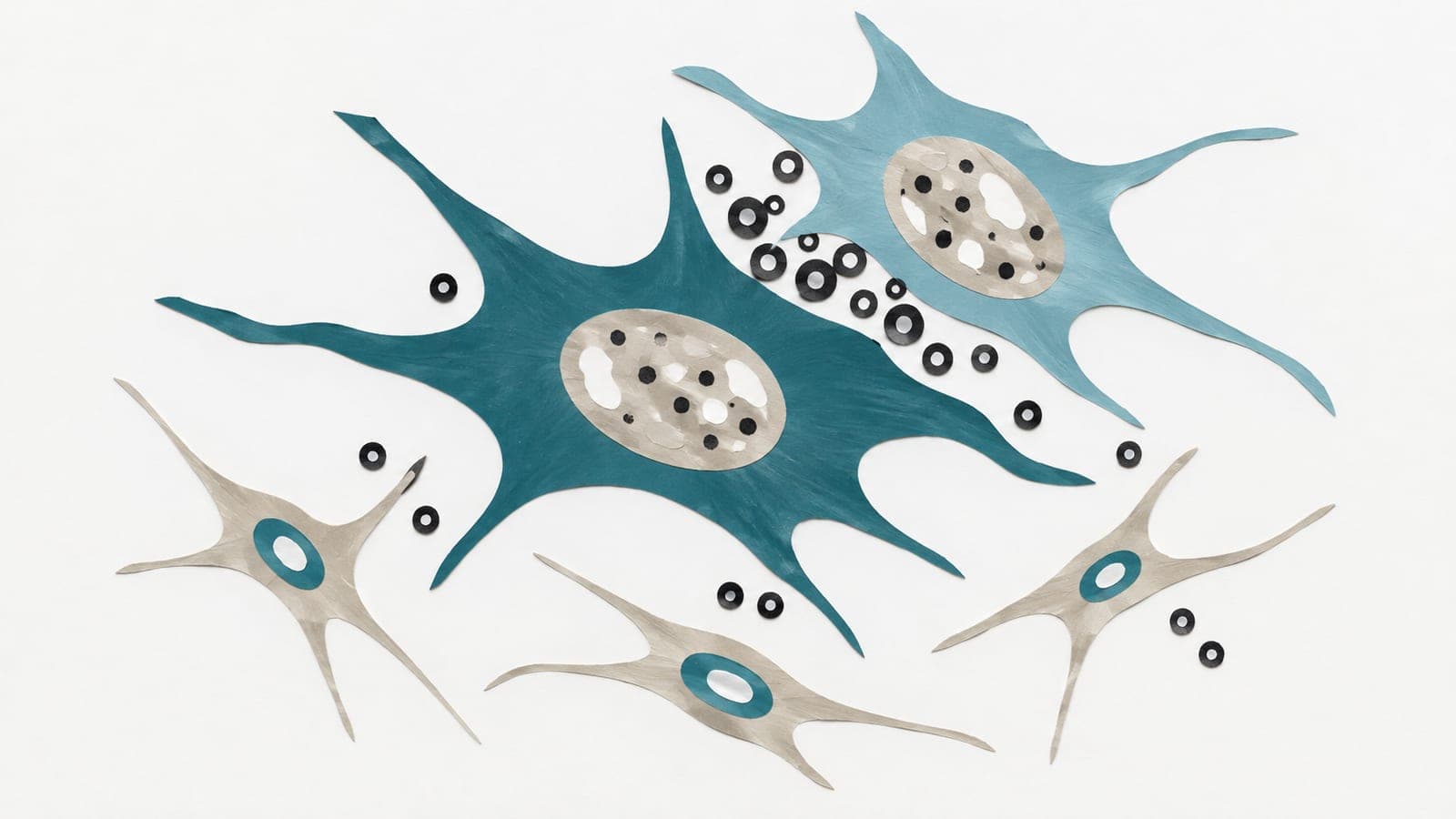
Lab experiments compared human skin cells in senescence—a permanent halt to division—with resting cells and cells that were still dividing.
Limit: O-propargyl-puromycin labeling served as a proxy for protein production
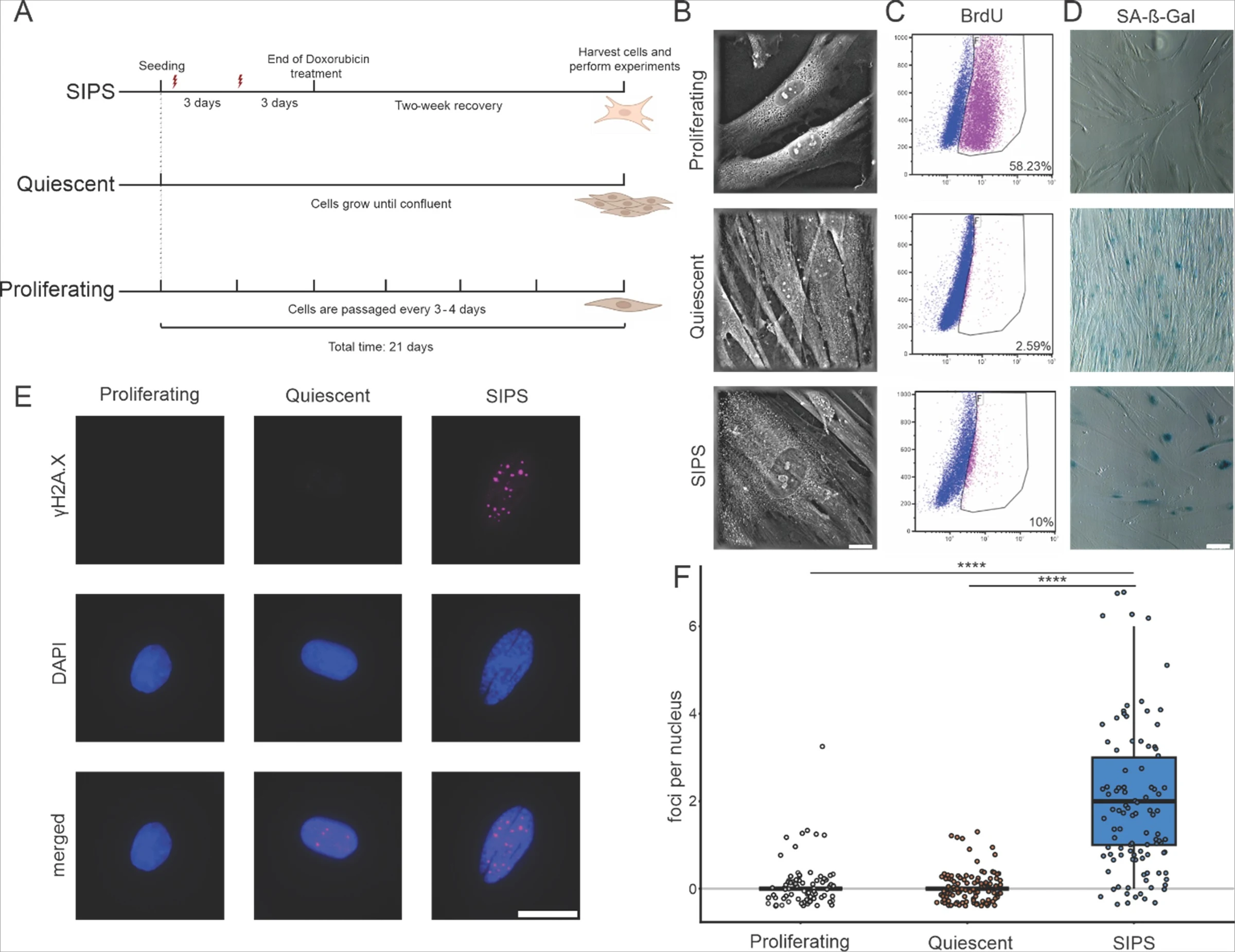
Researchers compared human dermal fibroblasts, connective-tissue cells from the skin, in lab experiments involving three cell states. These were stress-induced senescence, a permanent halt to cell division; a resting state caused by contact with neighbouring cells; and active division.
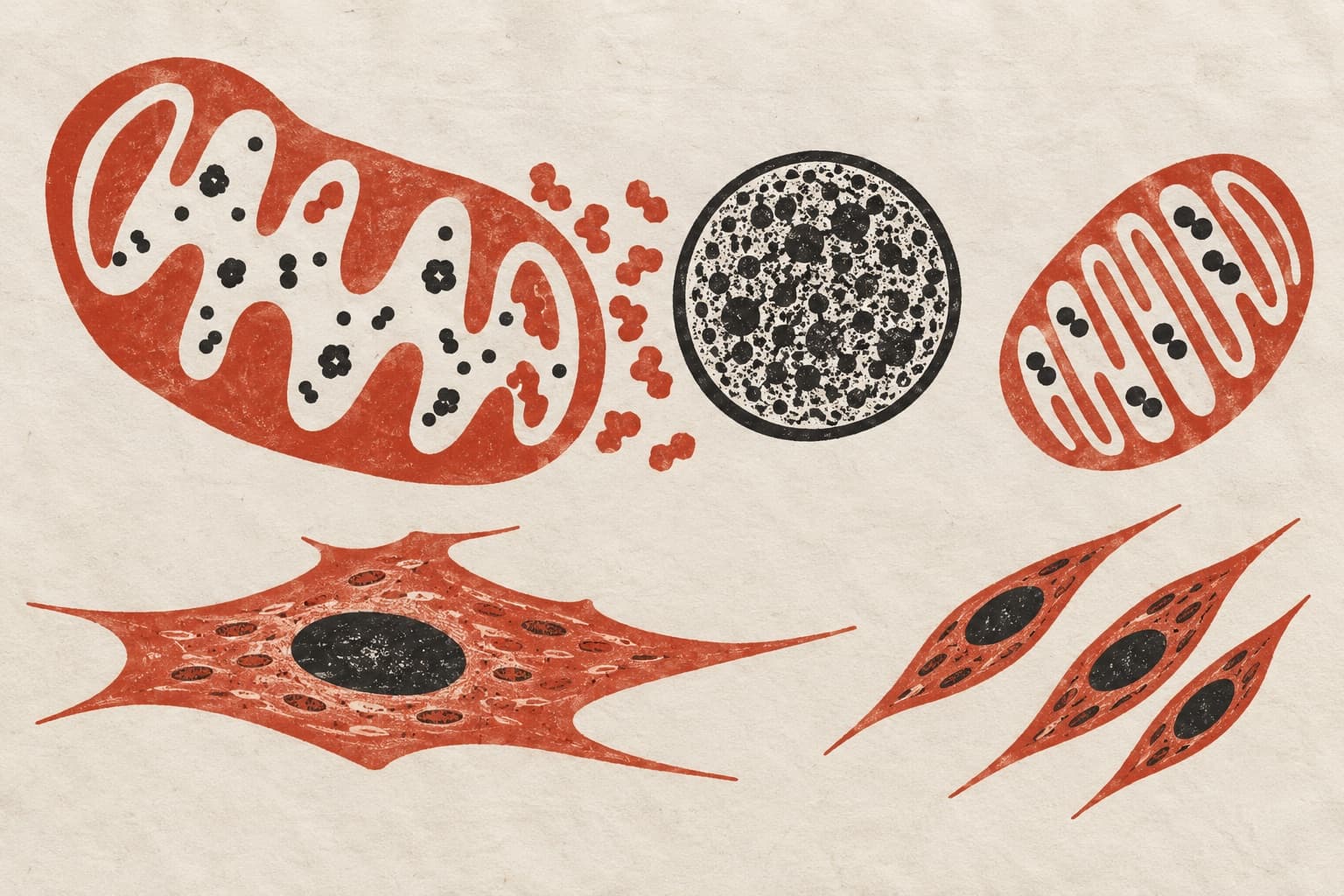
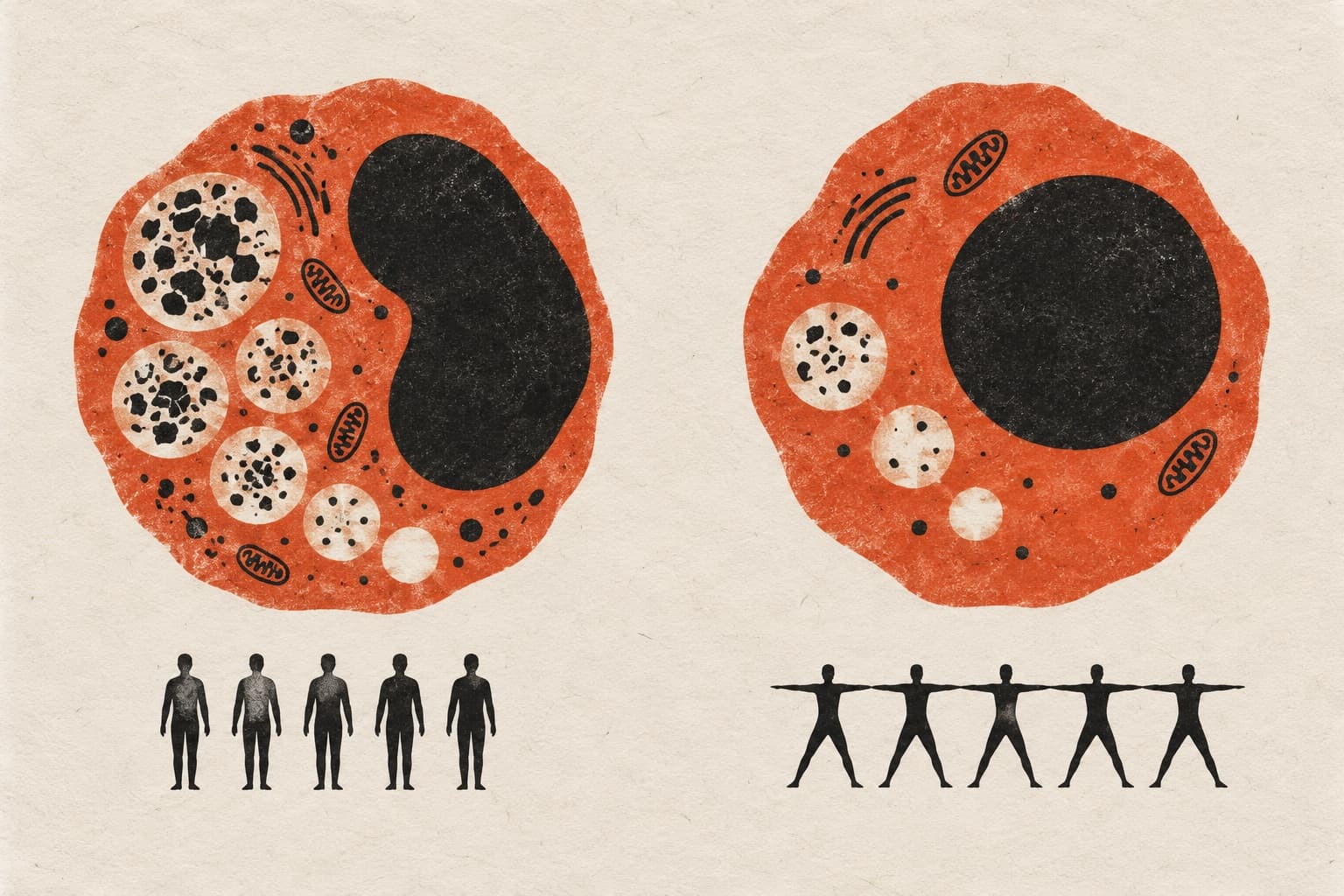
Senescent cells made more protein overall and increased production of ribosomes, the cell structures that make proteins. They also expanded the regions within the nucleus where ribosomes are assembled. Their protein-making activity favoured proteins involved in secretion, recycling cell components and energy metabolism. Metabolic tests revealed a shift towards energy production in mitochondria, the cells’ energy-producing structures, to meet higher energy demands. The findings challenged the view that senescent cells make less protein.
Why it matters
Understanding the demands of senescent cells may help identify ways to target this aging-related cell state.
Caveats
These experiments involved cells grown in the lab, not people. The Research Square preprint has not yet been peer-reviewed.
The paper
Medical University of Vienna
Research Square, 15 Oct 2026, Open access, Preprint, not peer-reviewed