Glaucoma

Papers on glaucoma

1,066 papers49 new in 30 days

Tuesday, October 27

Monday, October 26

medRxiv

Benchmark accounts for family ties in genetic disease prediction

Across 14 diseases, the strongest scores explained 5.7–24.9% of modeled variation in underlying disease susceptibility, matching or exceeding published scores for most…Across 14 diseases, the strongest scores explained 5.7–24.9% of modeled variation in underlying disease susceptibility, matching or exceeding published scores for most diseases.

Liability-scale variance explained across 14 binary traits for external-permitted track on EUR ancestry individuals.
Preprint: genetic association studyAI & data

Sunday, October 25

Saturday, October 24

Scientific Reports

Education showed no clear link to five major eye disorders

An observational analysis of 13,094 people aged 30–100 found no statistically significant associations after accounting for other factors.An observational analysis of 13,094 people aged 30–100 found no statistically significant associations after accounting for other factors.

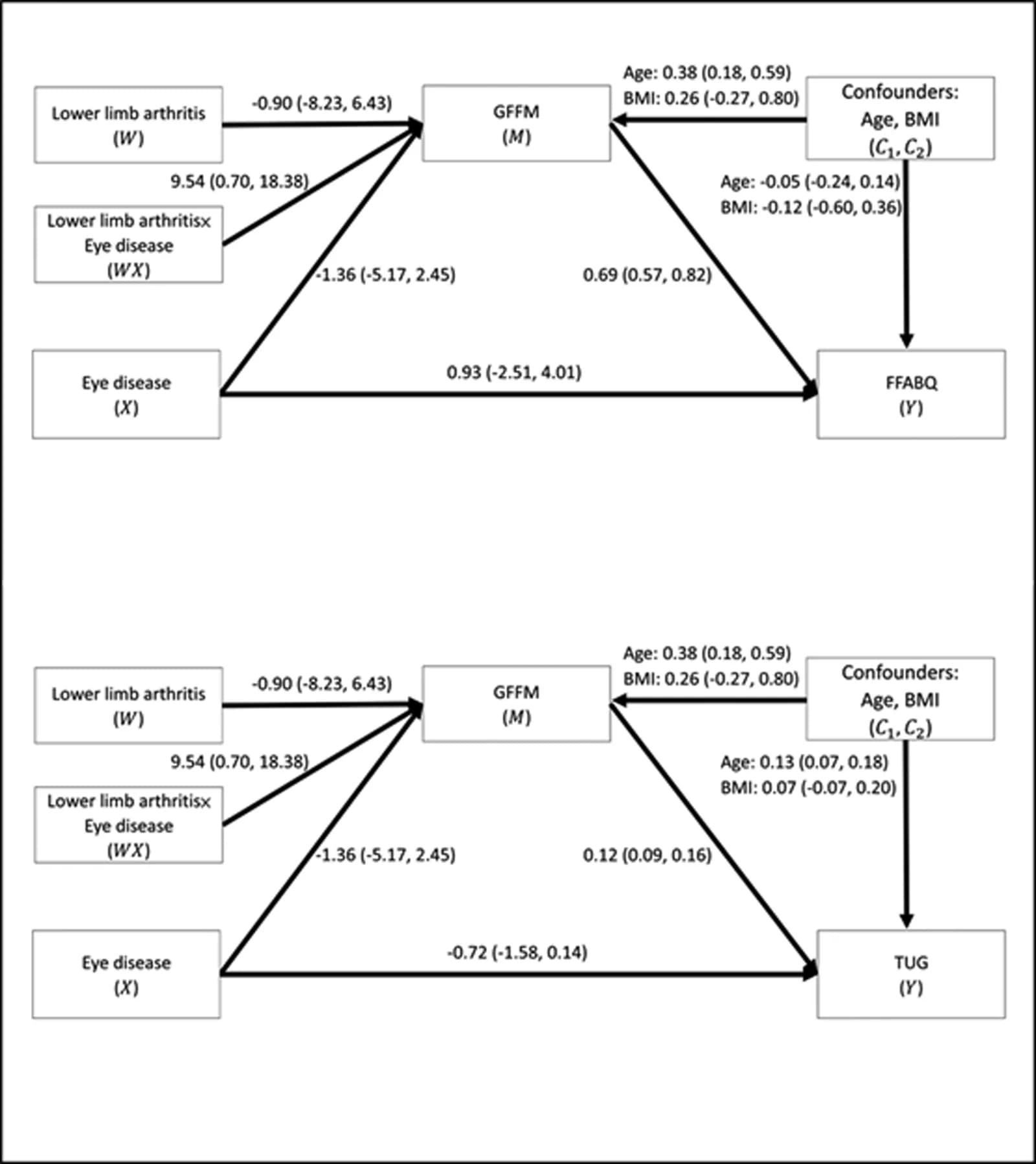
Figure from Scientific Reports
Cross-sectional · 13,094 peopleEye
American Journal of Ophthalmology

Tumor necrosis factor-alpha blockers linked to lower glaucoma risk

Over 10 years, primary open-angle glaucoma was diagnosed in 2.0% of users of these drugs versus 3.3% of matched nonusers.Over 10 years, primary open-angle glaucoma was diagnosed in 2.0% of users of these drugs versus 3.3% of matched nonusers.

Figure from American Journal of Ophthalmology

Friday, October 23

Thursday, October 22

Tuesday, October 20

International Journal of Chronic Obstructive Pulmonary Disease

Inhaled steroids not clearly linked to higher glaucoma risk

The glaucoma hazard ratio, a measure of relative risk, was 1.14 for inhaled steroid use versus non-use in people with chronic obstructive pulmonary disease.The glaucoma hazard ratio, a measure of relative risk, was 1.14 for inhaled steroid use versus non-use in people with chronic obstructive pulmonary disease.

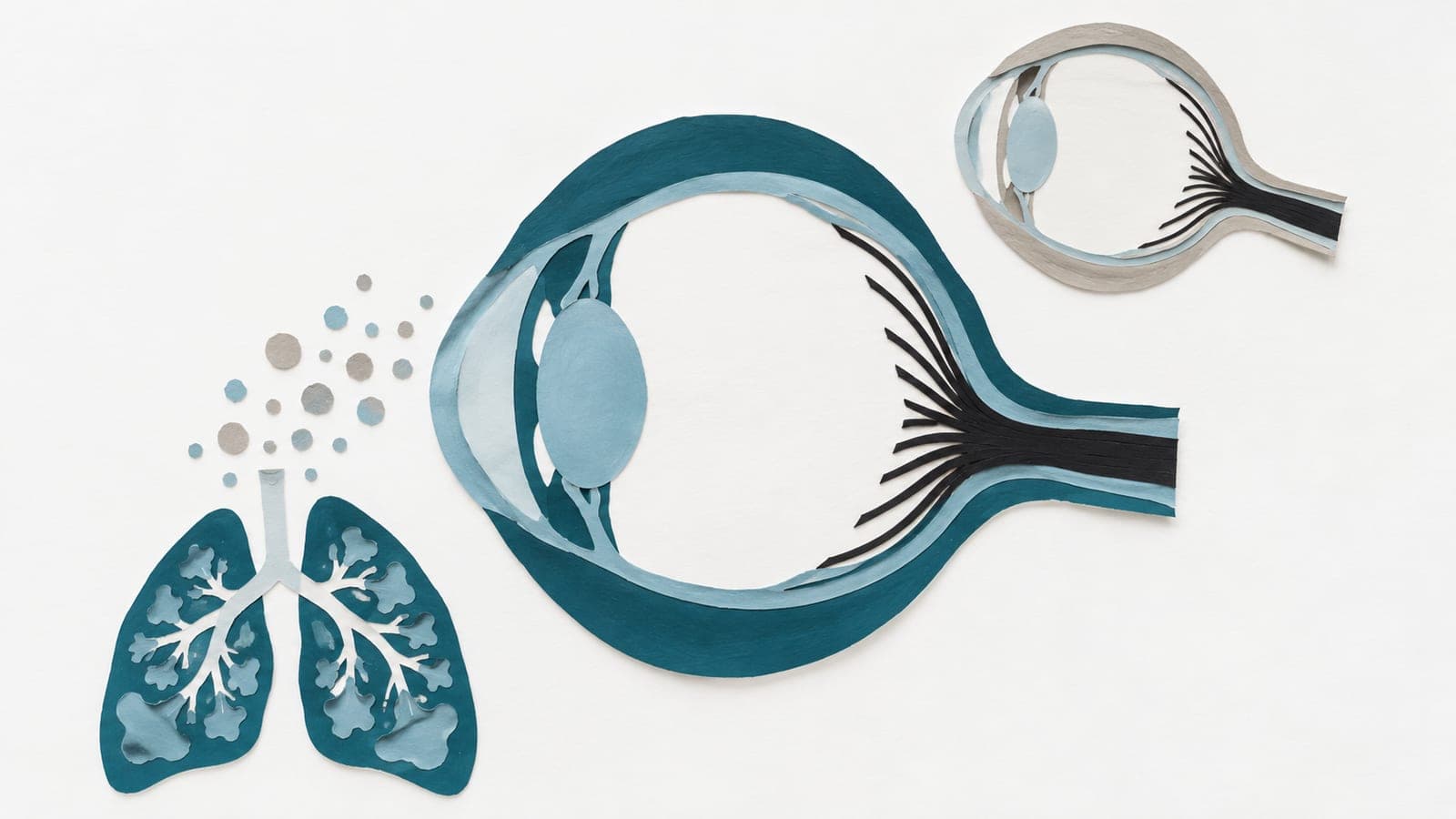
Eye cross-sections in dark blue-green and gray show similarly full optic nerve fibers, with lungs and scattered inhaled particles nearby.
Case-control · 84,564 peopleOpen-angle glaucoma

Monday, October 19

Ophthalmology Science

German cohort offers a resource for eye health research

Eye assessments from 48,460 adults aged 19–74 provided a population-based resource that could support artificial intelligence research.Eye assessments from 48,460 adults aged 19–74 provided a population-based resource that could support artificial intelligence research.

A large retina with branching vessels sits among smaller retinal views, some dark blue-green and clear, others gray with patches obscuring detail.
Cohort · 48,460 peopleEye

Sunday, October 18

Saturday, October 17

Scientific Reports

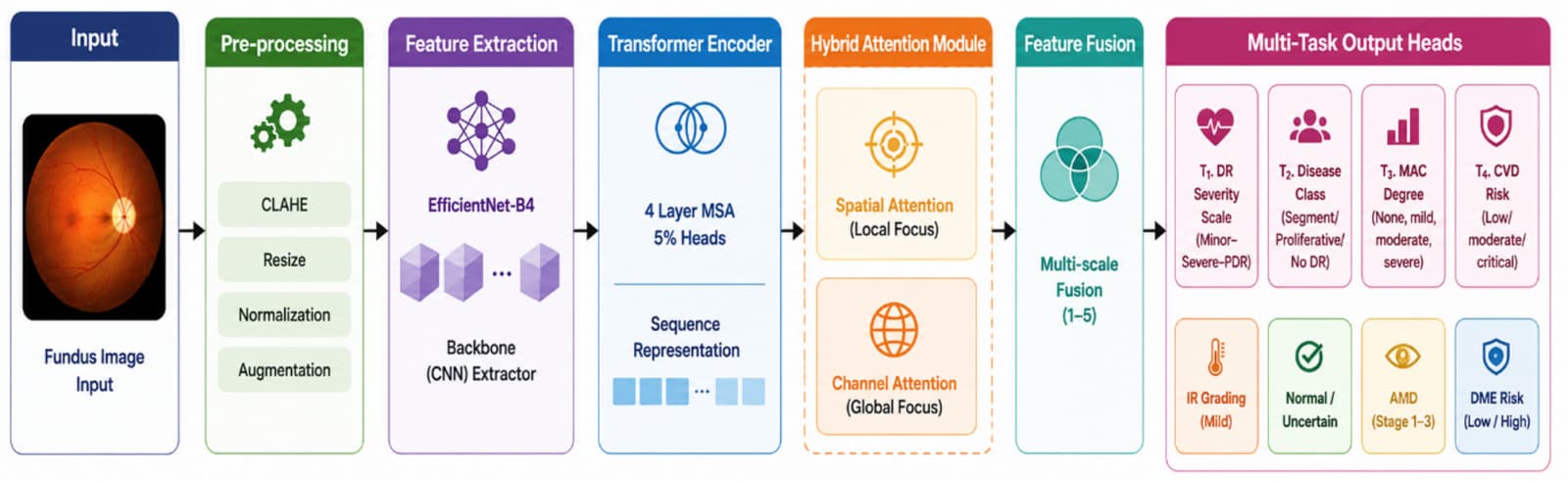
Model assesses several health conditions from retinal images

In tests using four retinal image datasets, the model achieved 94.7% accuracy and outperformed models built for individual tasks.In tests using four retinal image datasets, the model achieved 94.7% accuracy and outperformed models built for individual tasks.

Figure from Scientific Reports
Computational studyEye

Friday, October 16

Wednesday, October 14

Monday, October 12

Sunday, October 11

Journal of Orthopaedic Surgery

Glaucoma eye-drop groups differed in osteoporosis risk

Osteoporosis was diagnosed in 13.3% of patients prescribed drops such as latanoprost, compared with 8.9% prescribed drops such as pilocarpine.Osteoporosis was diagnosed in 13.3% of patients prescribed drops such as latanoprost, compared with 8.9% prescribed drops such as pilocarpine.

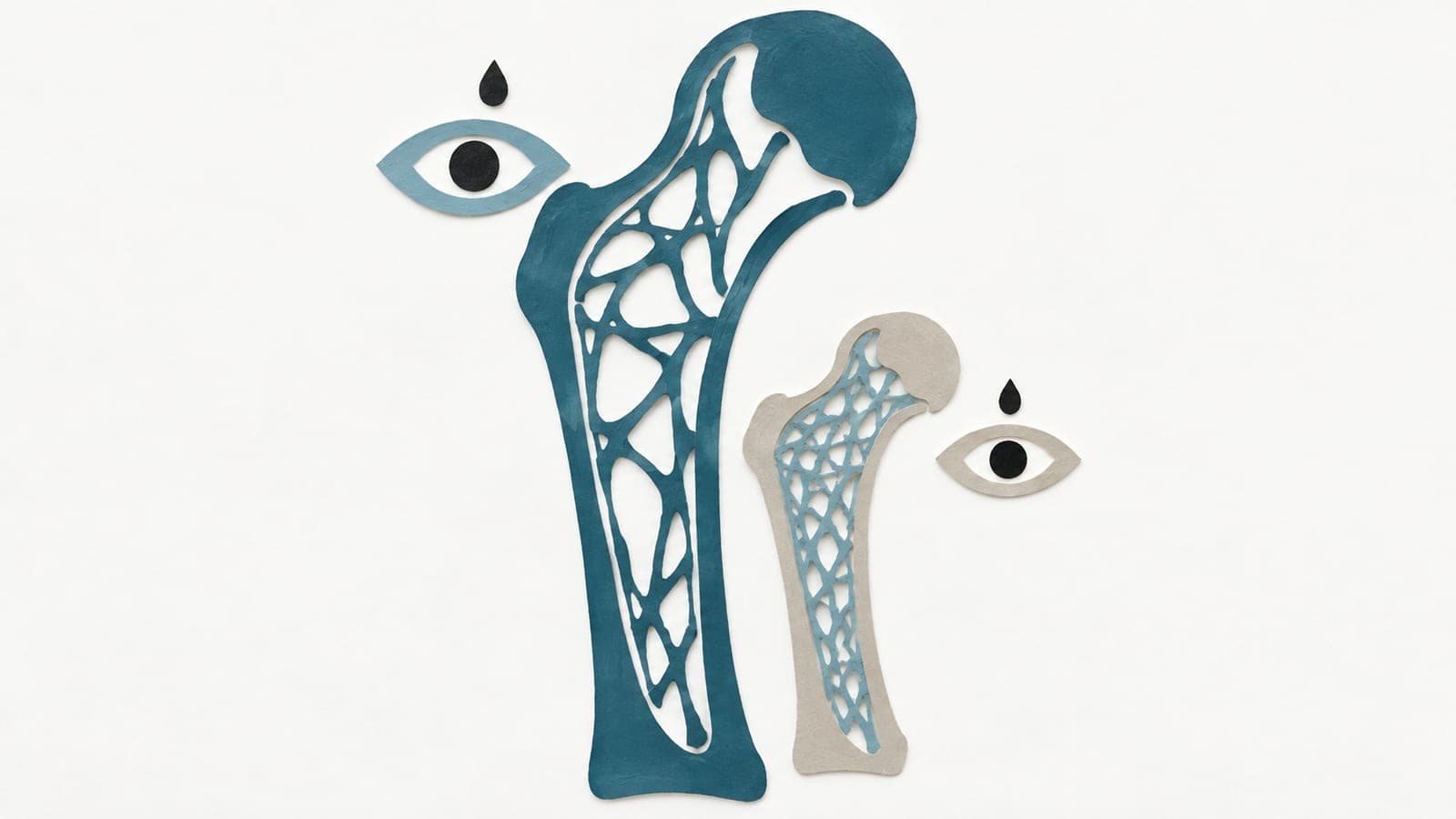
A large dark blue-green thigh bone with sparse internal struts stands beside a smaller, denser gray bone, each near an eye with a droplet above it.
Cohort study of 6,743 peoplePrimary open-angle glaucoma
Journal of Sport and Health Science

More activity linked to fewer new diabetic eye disease diagnoses

Adults with diabetes averaging 1,000 more daily steps had 0.93 times the rate of new diabetic eye disease diagnoses compared with those taking fewer steps.Adults with diabetes averaging 1,000 more daily steps had 0.93 times the rate of new diabetic eye disease diagnoses compared with those taking fewer steps.

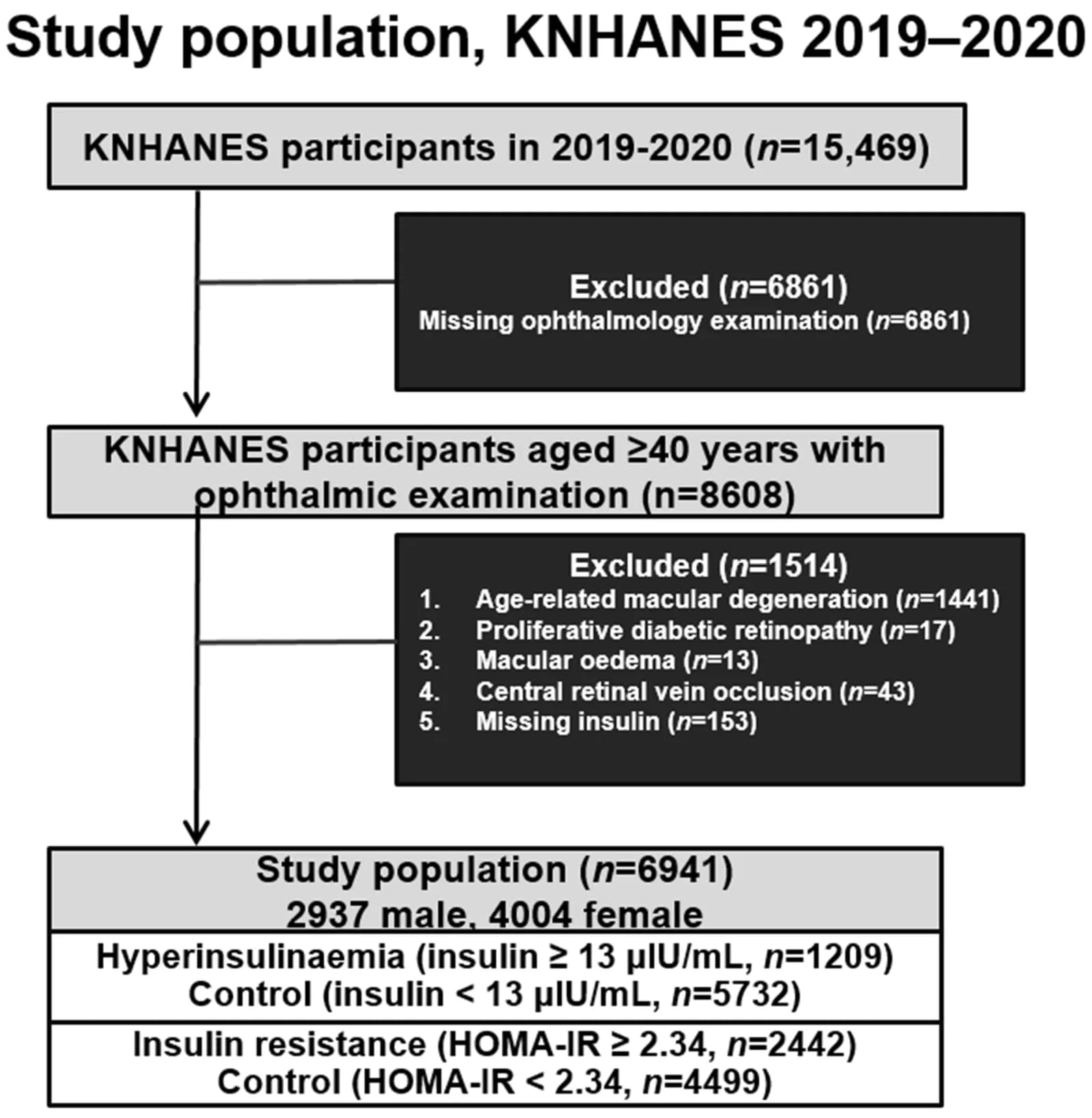
Figure from Journal of Sport and Health Science
Cohort study of 14,757 peopleEye

Saturday, October 10

Eye and Vision

Combined blood fat and sugar measures linked to glaucoma

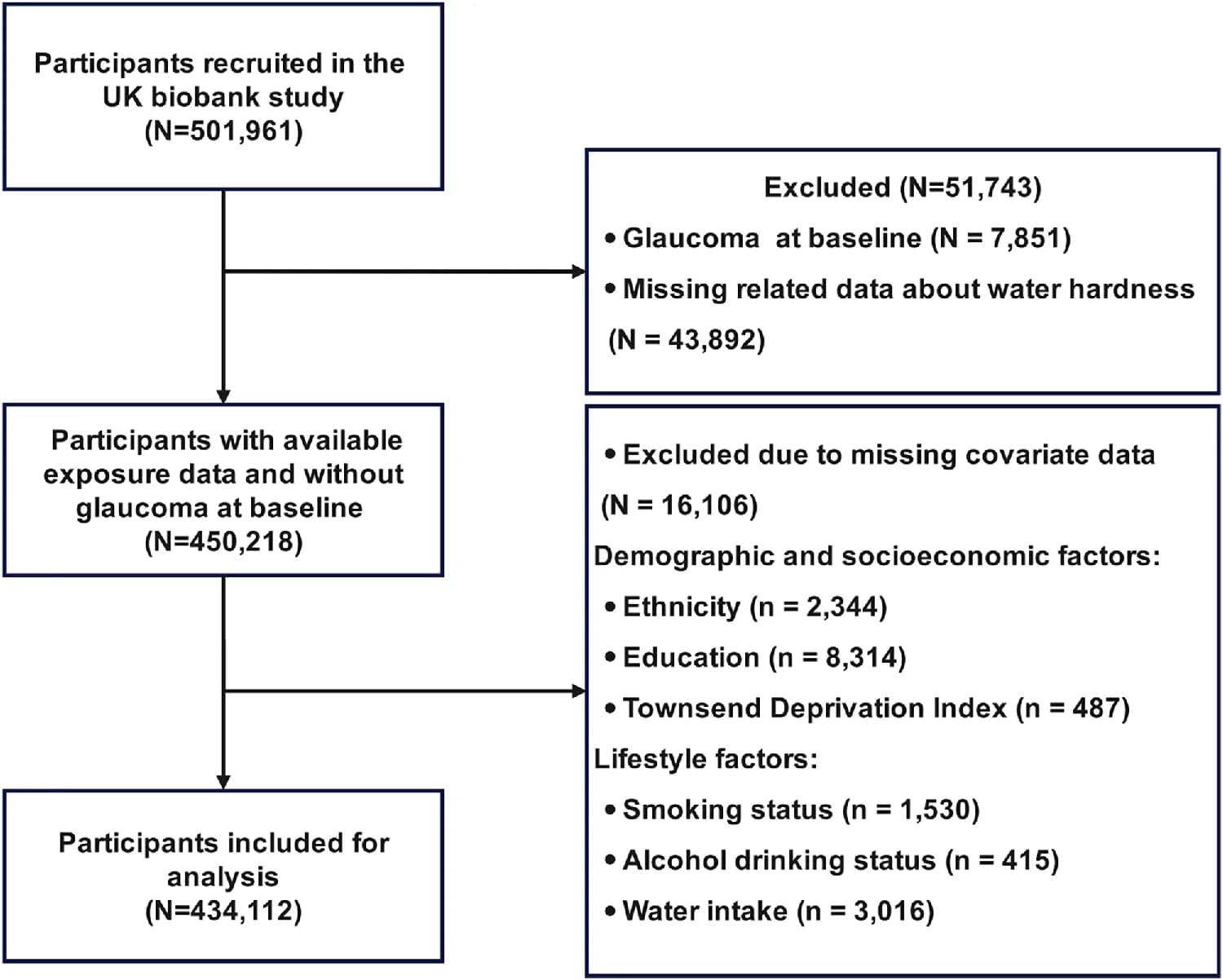
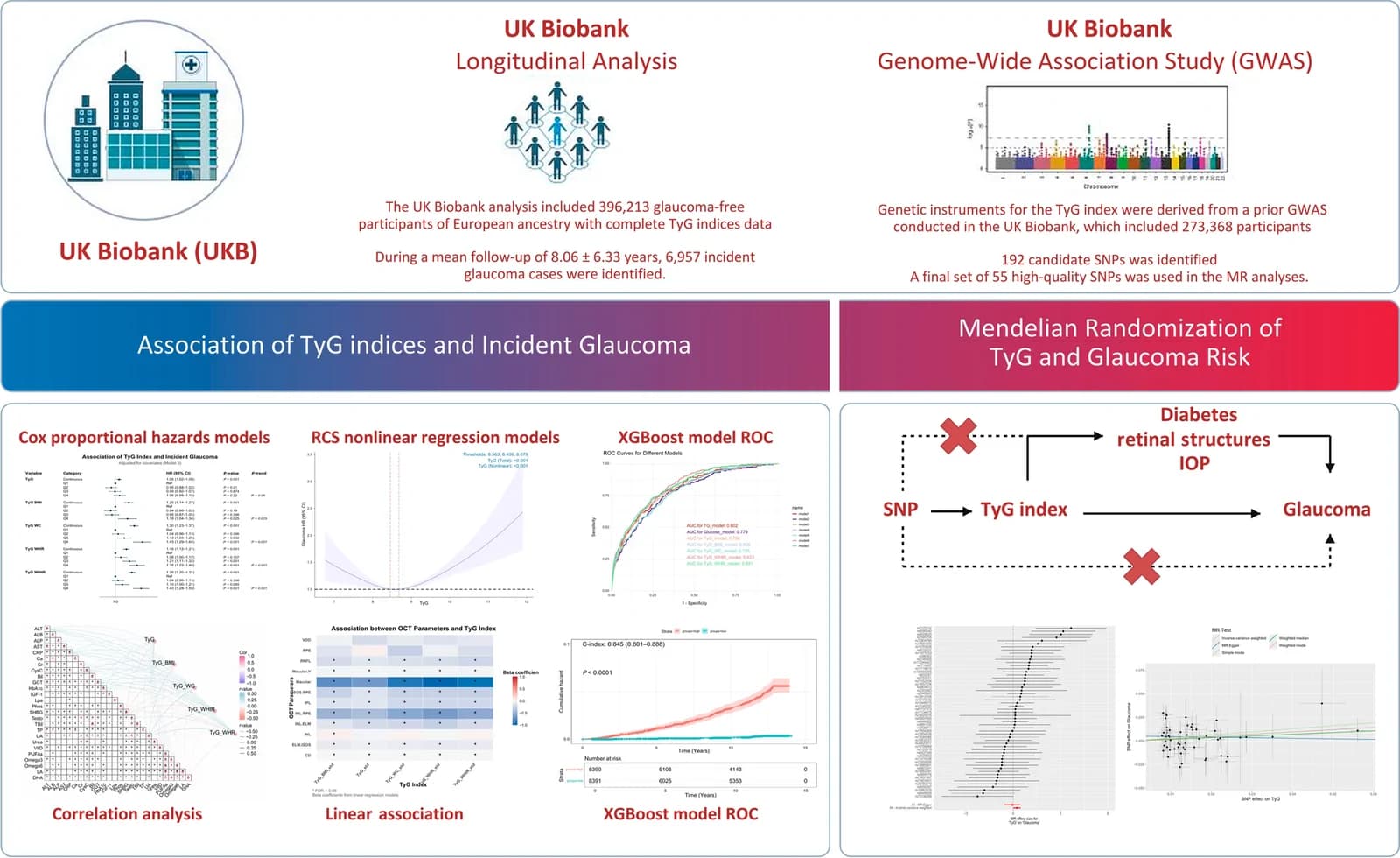
The basic blood fat–glucose measure had a hazard ratio—a comparison of glaucoma rates—of 1.05 in a cohort of 396,213 UK participants.The basic blood fat–glucose measure had a hazard ratio—a comparison of glaucoma rates—of 1.05 in a cohort of 396,213 UK participants.

Study design and analytical overview for investigating the association between the triglyceride-glucose (TyG) index and glaucoma in the UK Biobank.
Cohort study of 396,213 peopleGlaucoma