More activity linked to fewer new diabetic eye disease diagnoses
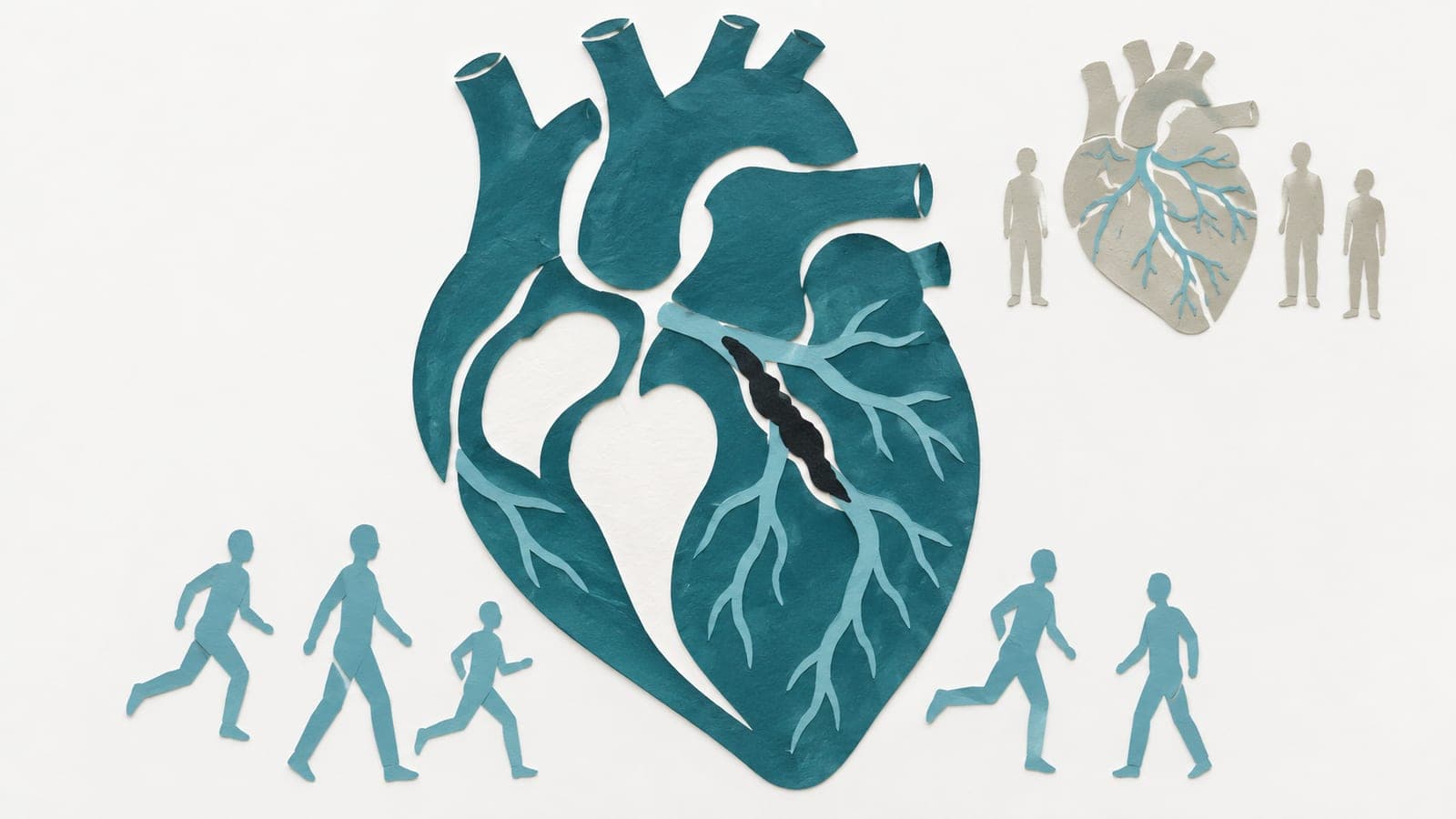
Adults with diabetes averaging 1,000 more daily steps had 0.93 times the rate of new diabetic eye disease diagnoses compared with those taking fewer steps.
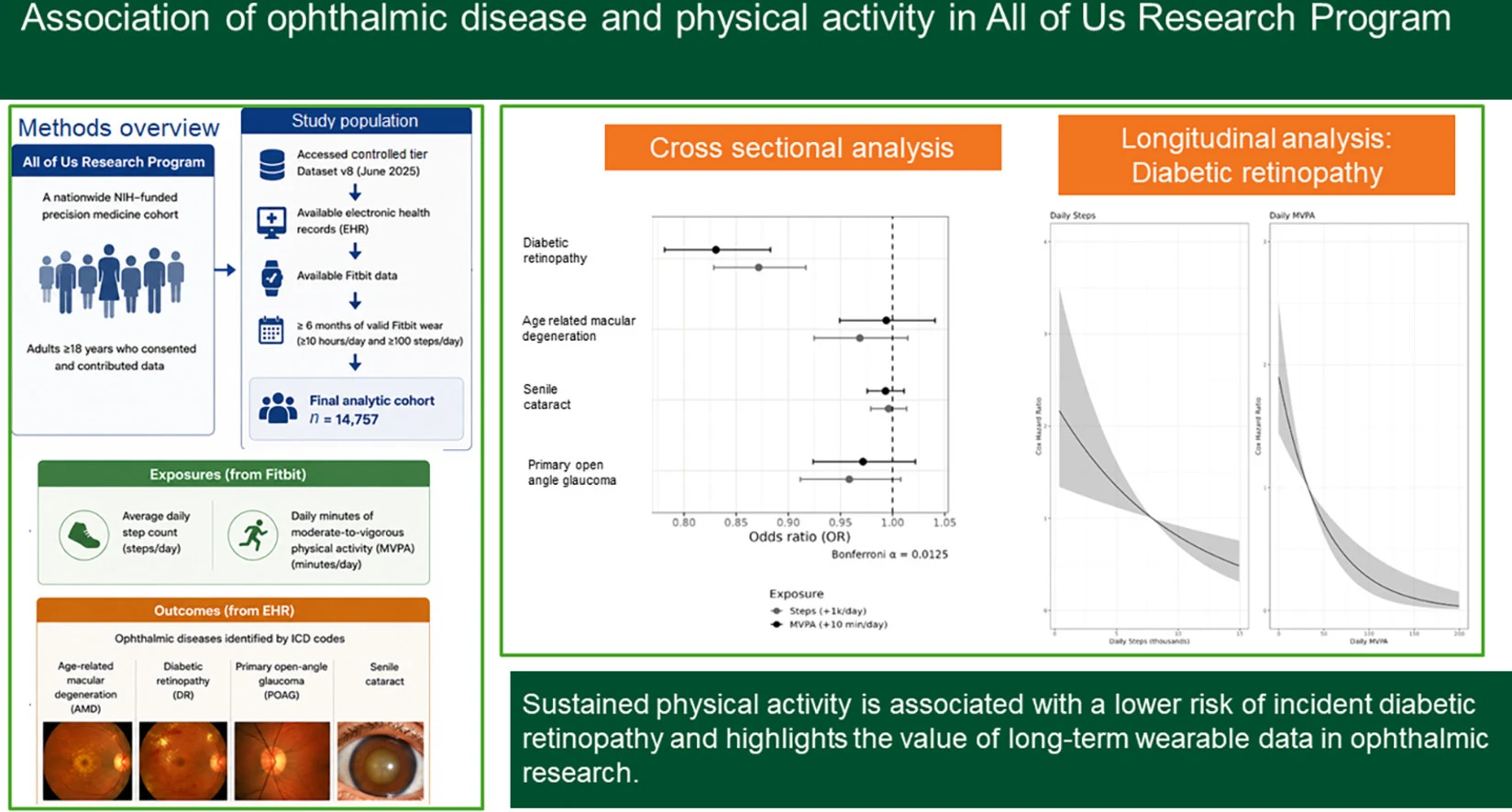
An observational study analysed health records and Fitbit data from 14,757 adults in the All of Us Research Program. Their average age was 55. Participants had at least six months of valid Fitbit wear. Researchers examined existing eye disease and tracked new diagnoses over time.
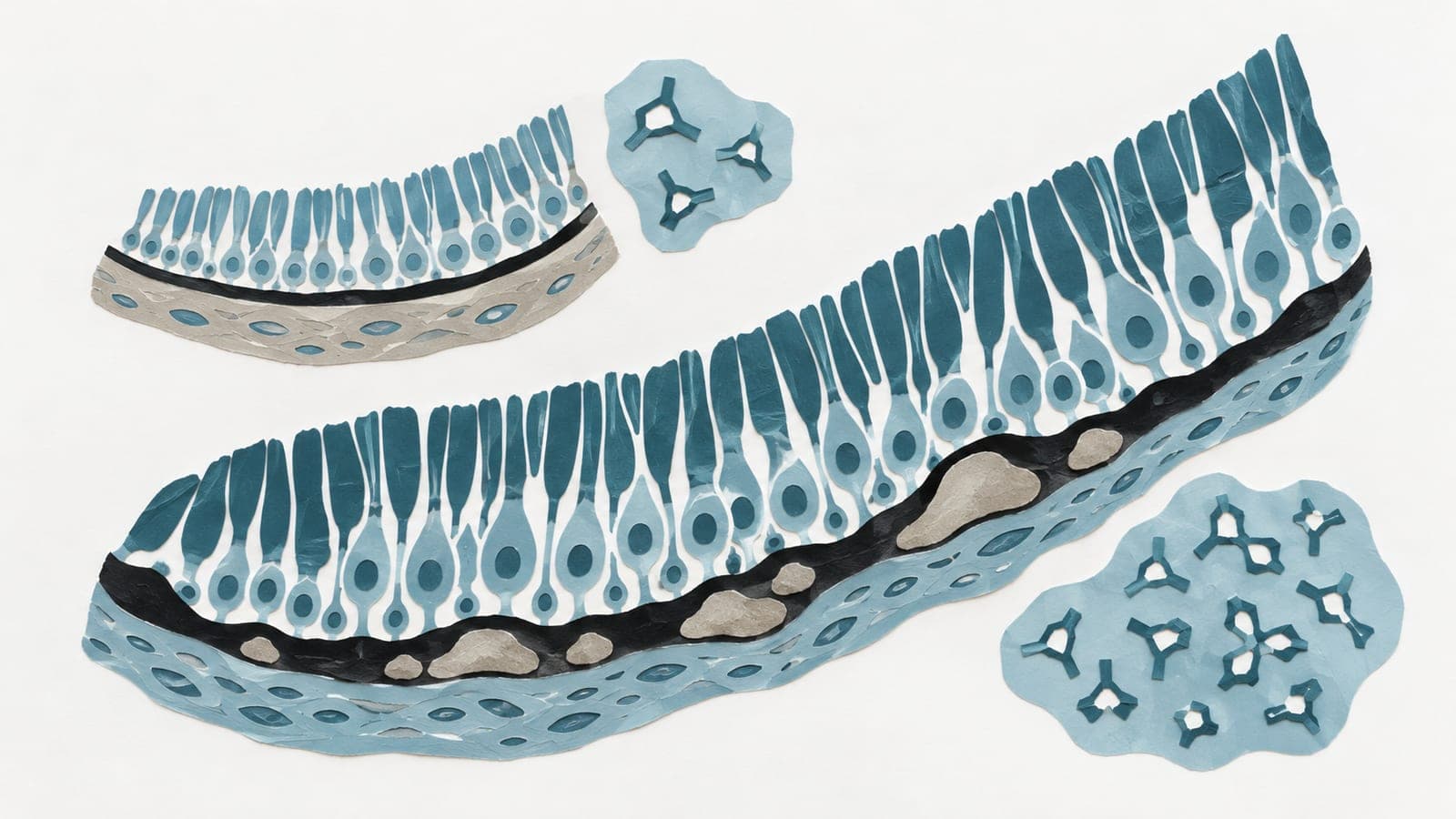
Among participants with diabetes, higher daily step counts and more moderate or vigorous activity were associated with lower odds of existing diabetic retinopathy, diabetes-related damage to the light-sensing tissue at the back of the eye. Both activity measures were also linked to fewer new diagnoses of this condition. Neither measure had statistically significant links with the other three eye diseases studied. The analyses accounted for age, sex, race and body mass index, a measure of weight relative to height.
Why it matters
Age-related eye diseases raise questions about how sustained activity relates to eye health. Long-term wearable data may help researchers investigate these links without relying on self-reported activity.
Caveats
The observational design cannot establish cause and effect, and researchers identified eye diseases through health-record codes. The cohort was 70.4% female and 79.1% White, which may limit how broadly the findings apply.
- Moderate-to-vigorous physical activity
- Physical activity
- Daily step count
- Diabetic retinopathy
- Age-related macular degeneration
- Humans
The paper
Association of ophthalmic disease and physical activity in All of Us Research Program
University of Tennessee Health Science Center; University of Miami
Journal of Sport and Health Science, 10 Oct 2026