Inhaled steroids not clearly linked to higher glaucoma risk
The glaucoma hazard ratio, a measure of relative risk, was 1.14 for inhaled steroid use versus non-use in people with chronic obstructive pulmonary disease.
Dose-response
Limit: Prescription records did not confirm actual steroid use and missed specialist prescriptions
Edited by Boris Djordjevic · AgingResearch.News
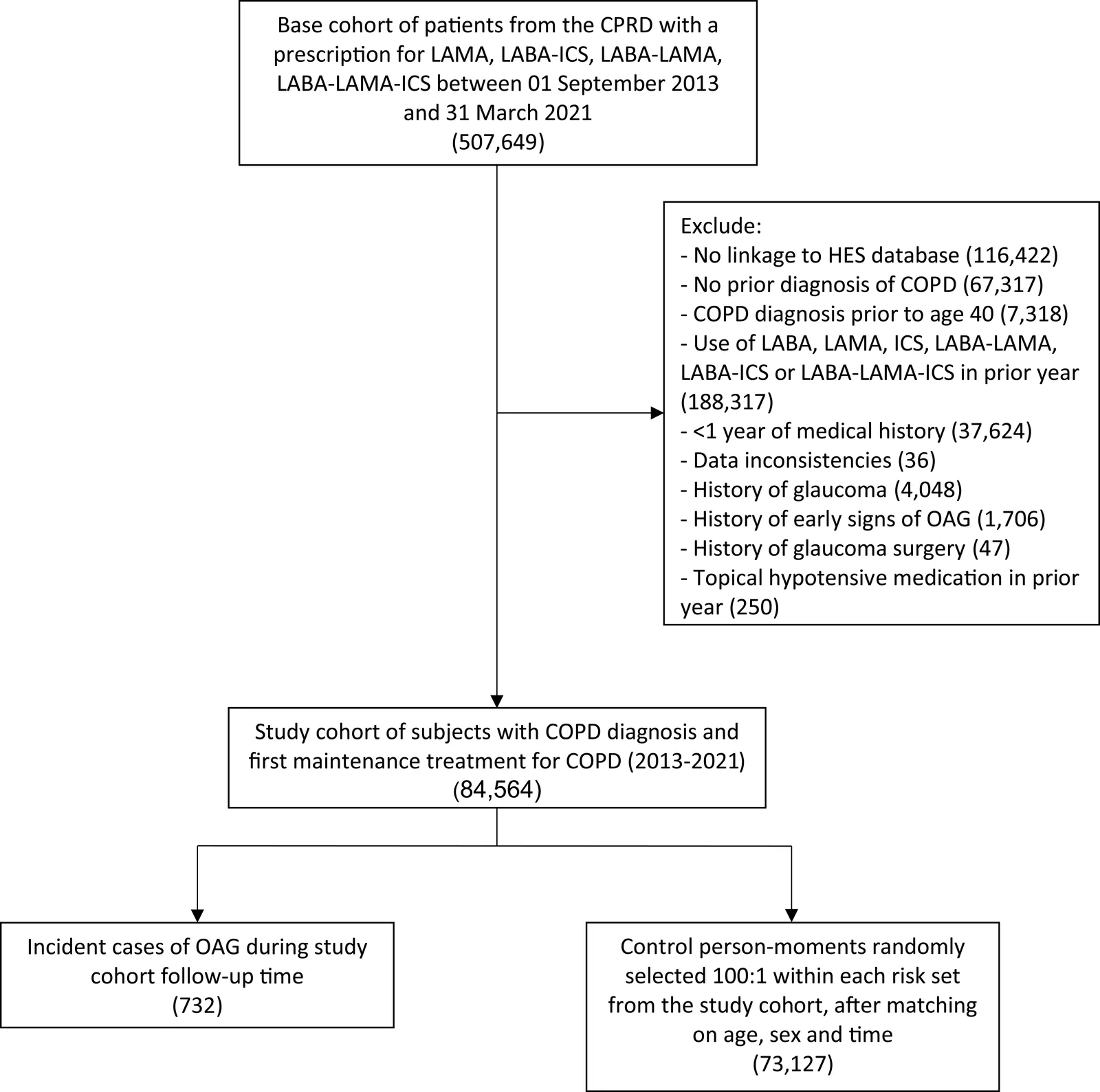
An observational study of UK medical records included 84,564 adults aged 40 or older with chronic obstructive pulmonary disease, a long-term lung condition. All were free of glaucoma when they started an inhaled maintenance medicine between September 2013 and March 2021. Researchers compared 732 people who developed open-angle glaucoma, an eye disease that damages the optic nerve, with matched people who had not developed it.
Inhaled steroid use was associated with a hazard ratio of 1.14 versus non-use, but the range of likely values included no difference. The researchers also found no clear increase in risk with higher total doses or more than three years since inhaled steroid use began.
Why it matters
The study addressed a long-term care question for adults aging with chronic lung disease: whether inhaled steroids are linked to glaucoma.
Caveats
This observational study could not establish cause and effect, and its estimates could not rule out increased risk. It excluded people with existing glaucoma or early signs of it.
From the paper
- Participants
Our study cohort included 84,564 glaucoma-free subjects aged ≥40 years newly treated for COPD between September 2013 and March 2021.
- Result
The adjusted HR of OAG associated with any ICS use since cohort entry, compared with non-use, was 1.14 (95% CI, 0.94–1.38).
- Limitation
First, exposure misclassification is possible because prescriptions recorded in the CPRD do not guarantee actual consumption and do not capture prescriptions issued by specialists.
Quoted word for word from the full text on PubMed Central.
The paper
Jewish General Hospital
International Journal of Chronic Obstructive Pulmonary Disease, Oct 15, 2026, Open access


