SA-β-gal positivity

Papers on SA-β-gal positivity

117 papers6 new in 30 days

Friday, November 13

International Journal of Molecular Sciences

Fatty acid altered DNA marks in human fat-derived stem cells

A measure of chemical tagging on nuclear DNA fell from 29.87% in untreated cells to 26.84% after exposure to a saturated fatty acid.A measure of chemical tagging on nuclear DNA fell from 29.87% in untreated cells to 26.84% after exposure to a saturated fatty acid.
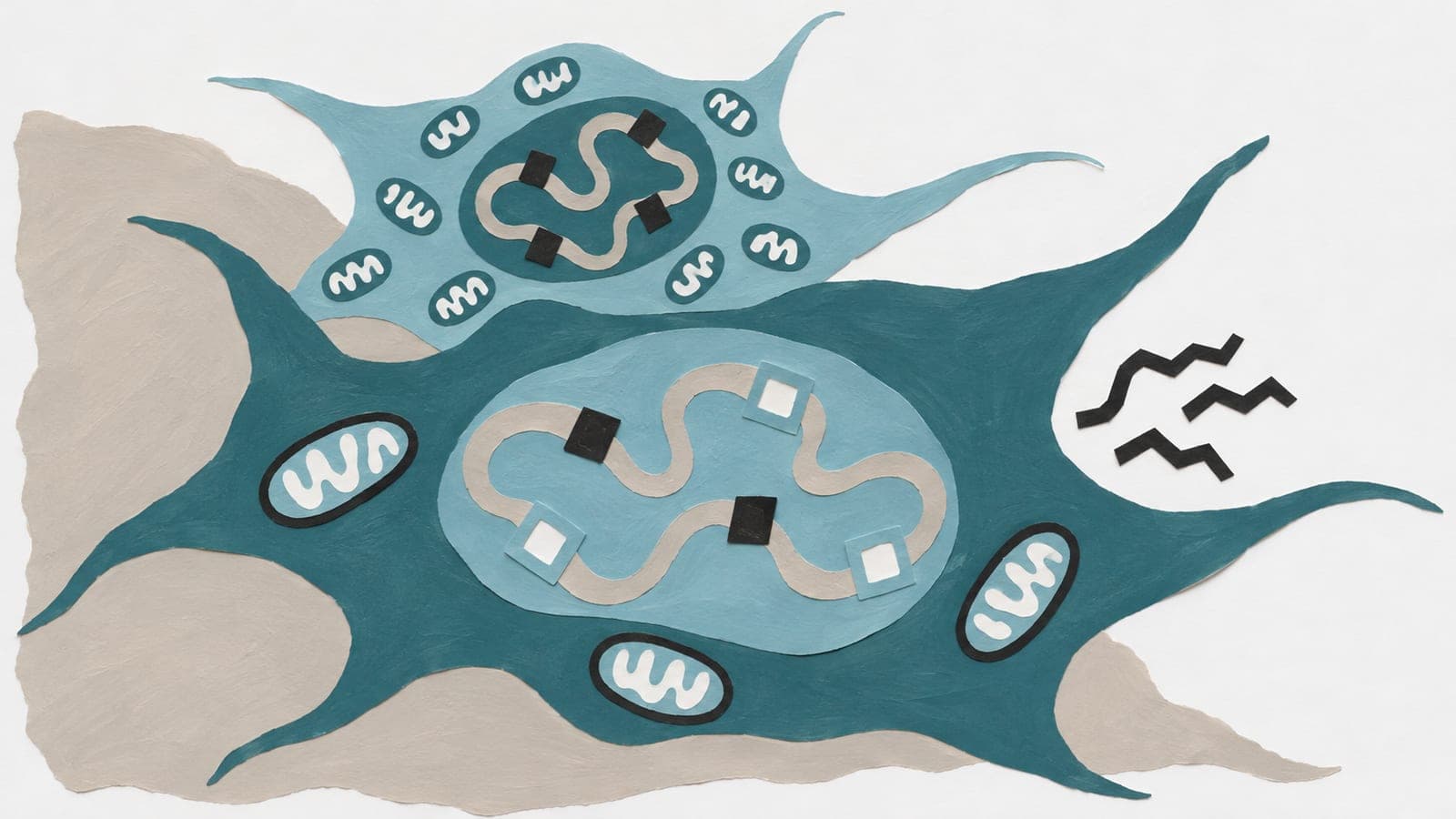
Stem cells with contrasting nuclear tags and abundant versus sparse mitochondria, with fatty-acid chains beside the larger cell.
Human cell studyMechanisms

Saturday, November 7

Free Radical Biology & Medicine

Sorcin protein helped scar-forming liver cells keep dividing

Experiments in liver stellate cells traced the effect to RNA-containing clusters that reduced production of p53, a protein that helps regulate cell division.Experiments in liver stellate cells traced the effect to RNA-containing clusters that reduced production of p53, a protein that helps regulate cell division.

Figure from Free Radical Biology & Medicine
Cell studyMechanisms

Friday, November 6

Monday, November 2

Wednesday, October 28

Ecotoxicology and Environmental Safety

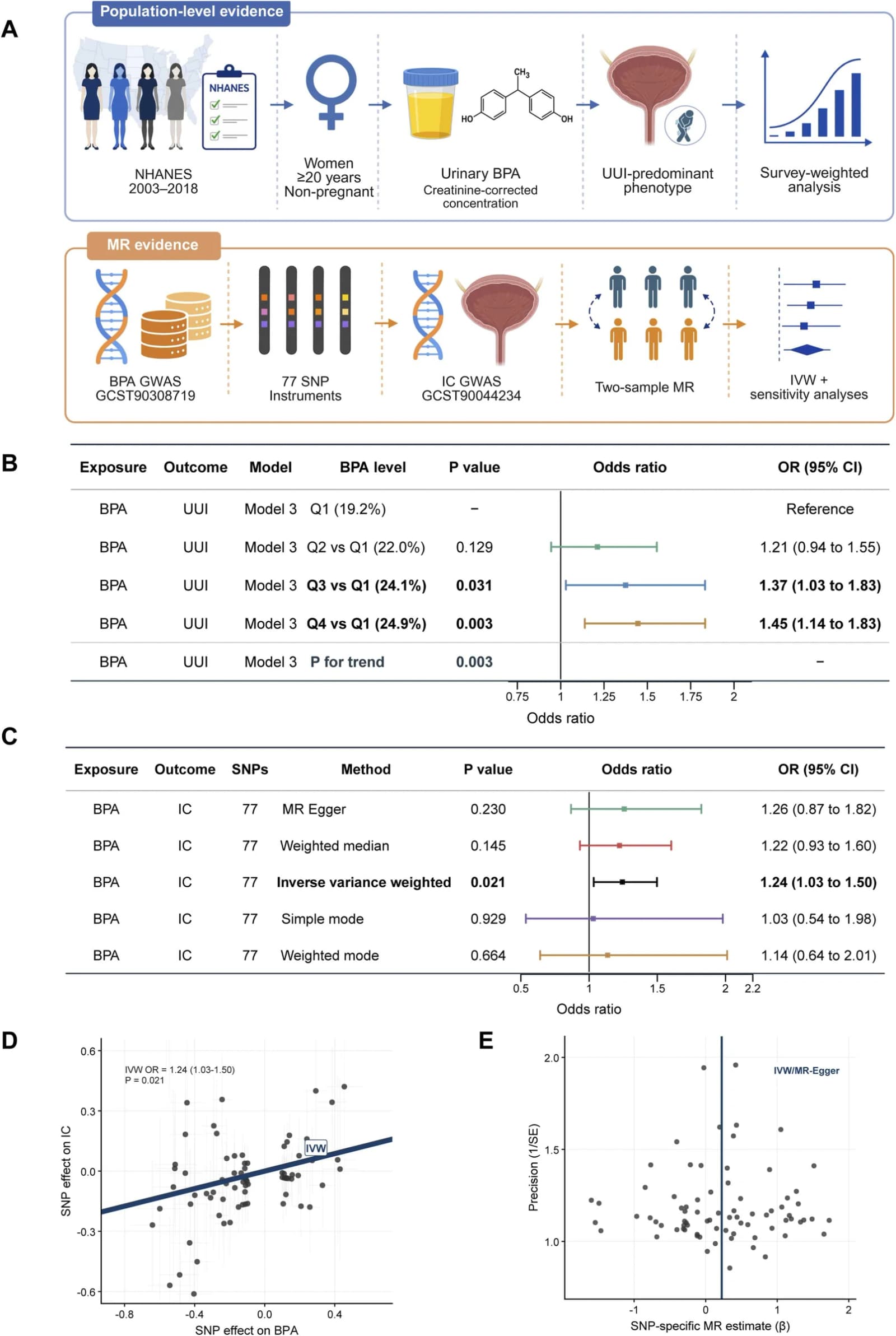
Bisphenol A caused aging-like injury in lab-grown human bladder cells

Experiments in primary human bladder-lining cells found that silencing the gene for ACSL4, a protein, or adding vitamin C lessened the chemical’s effects.Experiments in primary human bladder-lining cells found that silencing the gene for ACSL4, a protein, or adding vitamin C lessened the chemical’s effects.

Figure from Ecotoxicology and Environmental Safety
Human cell studyMechanisms

Friday, October 2

Frontiers in Pharmacology

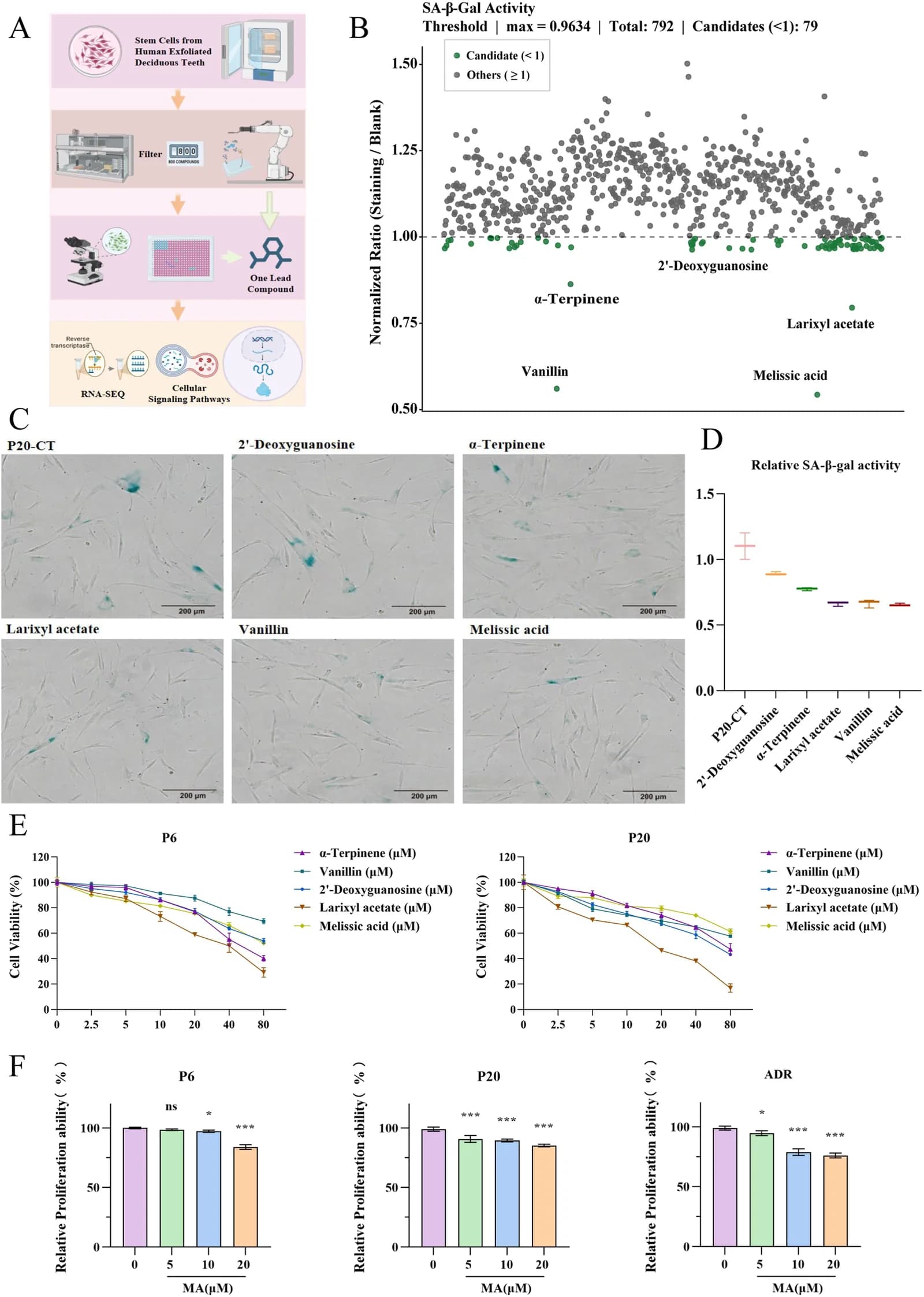
Melissic acid reduces senescence in human stem cells via cAMP signaling

A screen of 800 natural compounds identified a phytochemical that activates autophagy and restores cell-cycle activity in models of cellular exhaustion.A screen of 800 natural compounds identified a phytochemical that activates autophagy and restores cell-cycle activity in models of cellular exhaustion.

High-throughput phenotypic screening identifies melissic acid as a candidate anti-senescence compound in replicatively senescent SHED.
Experiments in human cellsInterventions

Wednesday, September 30

Wednesday, September 16

Friday, September 11

Thursday, September 3

Saturday, August 29

Tuesday, August 18

Thursday, August 13

Friday, August 7

Wednesday, July 15

Wednesday, July 1

Friday, June 26

Monday, May 18

Friday, May 8

Friday, May 1

Monday, April 20

Sunday, March 29

Tuesday, March 10

Thursday, February 5

Wednesday, January 21

Thursday, January 15

Saturday, January 10

Thursday, December 25

Thursday, December 18