Mitochondrial-targeted SS-31 peptide attenuates radiation-induced cardiomyocyte senescence
7 days, dose-response
Abstract
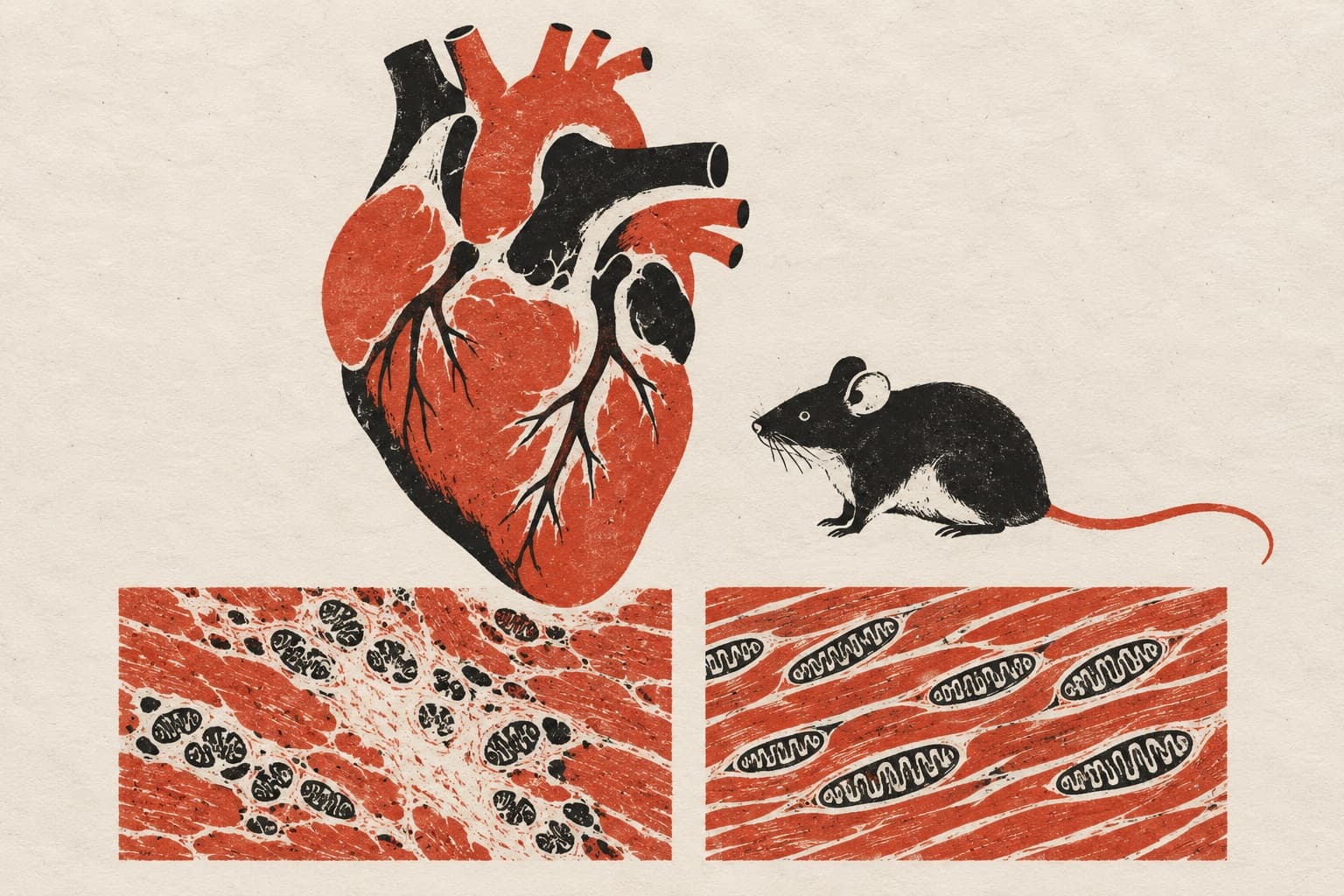
Exposure to ionizing radiation, such as from radiation therapy or accidental radiation exposure can have adverse effects on the heart. While radiation injury in the heart may include cardiomyocyte senescence, there are no available strategies to prevent this phenomenon. This study evaluated the effects of the mitochondrial-targeted peptide SS-31 (elamipretide) on radiation-induced cell senescence in cardiomyoblast H9C2 cells and human induced pluripotent stem cell derived cardiomyocytes (hiPSC-CMs). Exposure to γ-radiation at doses of 2, 5, and 10 Gy inhibited H9C2 cell proliferation in a dose-dependent manner, and induced senescence-associated beta-galactosidase (SA-β-gal) staining, a gold standard of cell senescence. Treatment with SS-31 (1 μM) for 7 days reduced SA-β-gal positive staining from 67% to 38% in H9C2 cells under 10 Gy radiation. SS-31 also prevented increases in the expression of p16 and p21, two well-accepted senescence markers, in irradiated H9C2 cells and hiPSC-CMs. SS-31 decreased the canonical senescence-associated secretory phenotype markers TNF-α, IL-6, and IL-1β. SS-31 also reversed the BAX/bcl-2 ratio, a marker of mitochondrial-related apoptosis. Moreover, SS-31 mitigated mitochondrial production of reactive oxygen species. Interestingly, we found that a dose of 10 Gy increased mitochondrial respiration, and SS-31 reversed this elevation. This study suggests that SS-31 is a promising compound that may prevent radiation-induced cardiomyocyte senescence.
The paper
University of Arkansas for Medical Sciences; Temple University
Journal of Radiation Research, 15 Jul 2026, Open access