Fusobacterium nucleatum promotes senescence of human oral mucosa fibroblasts via the Wnt5A/mTOR pathway
Abstract
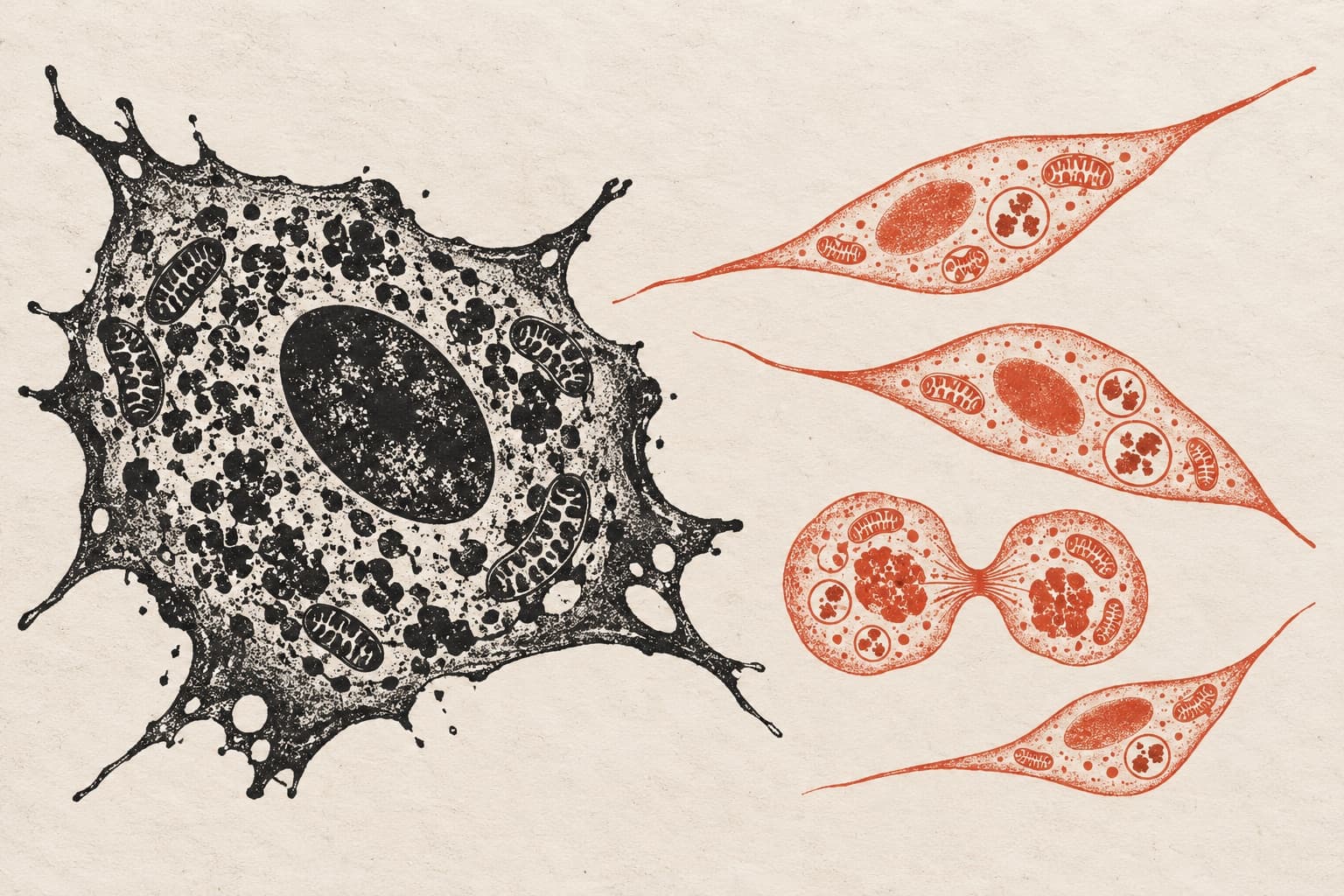
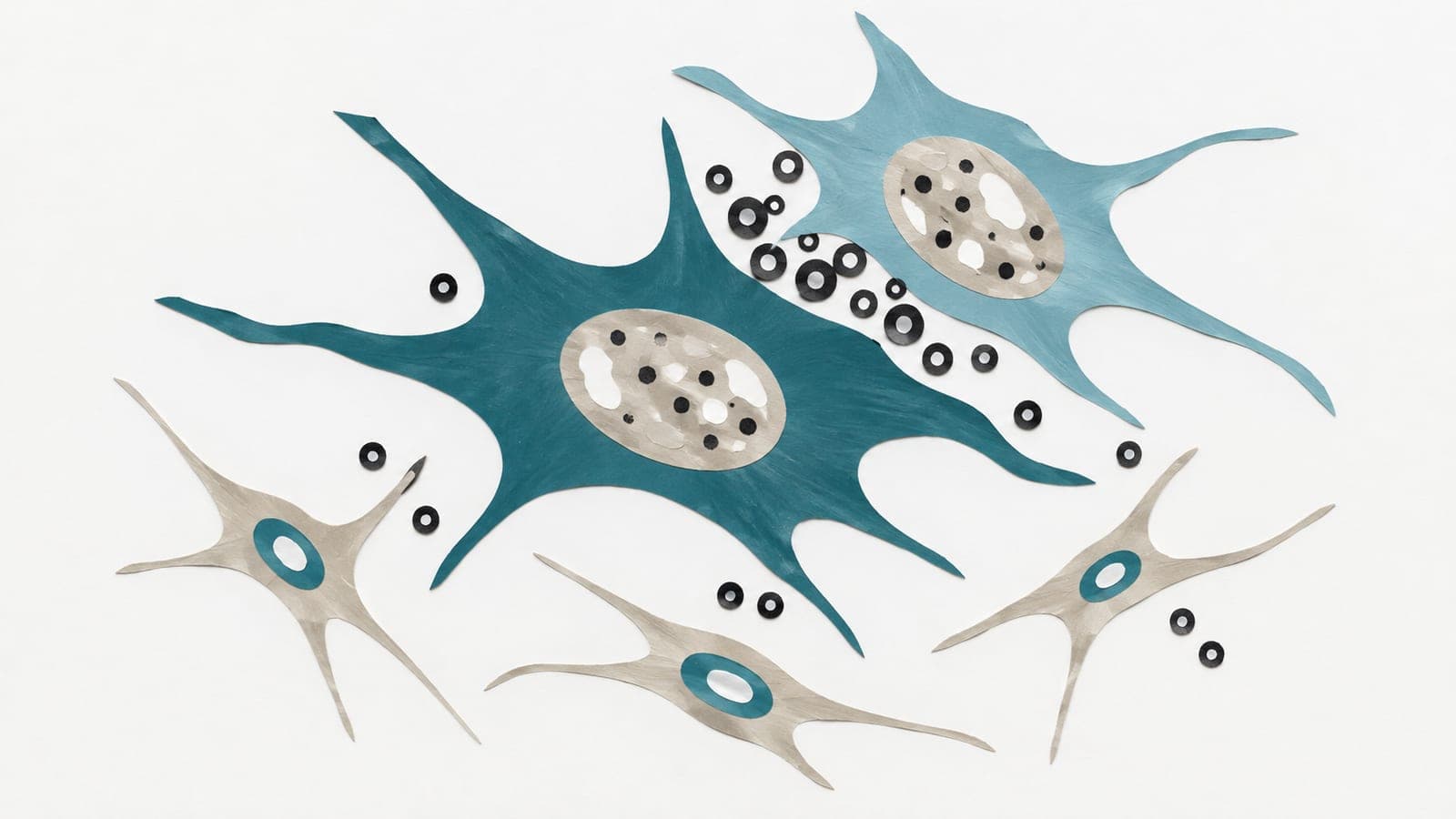
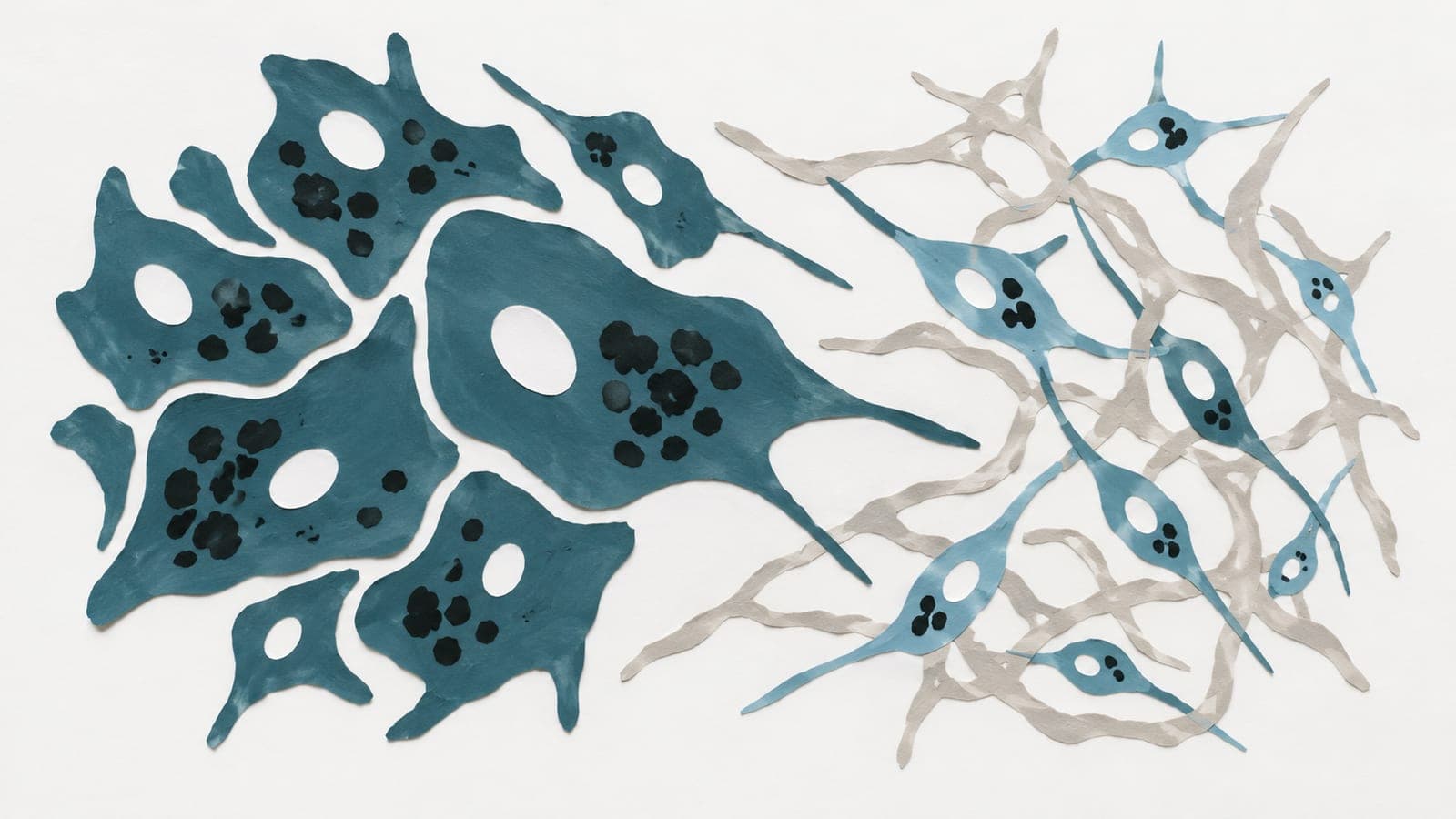
The objective of this study was to investigate the mechanism of Fusobacterium nucleatum regulating the senescence of human oral mucosa fibroblasts (OMFs) via the Wingless-type family member 5A (Wnt5A)/mechanistic target of rapamycin (mTOR) pathway-mediated autophagy. Human OMFs were co-cultured with Fusobacterium nucleatum in vitro. OMFs were infected with Fusobacterium nucleatum at 100 multiplicity of infection, and treated with a Wnt5A inhibitor (Box5) and an autophagy activator (rapamycin). Cell proliferation, senescence, and cell cycle were assessed by CCK-8, SA-β-gal staining, and flow cytometry, respectively. ULK1 enzyme activity and levels of senescence-associated secretory phenotype (SASP)-related factors [interleukin (IL)-8, IL-1β, chemokine ligand 10, matrix metalloproteinase-3, IL-1α, and IL-6], cell autophagy, and the Wnt5A/mTOR pathway proteins [Wnt5A, protein kinase C (PKC), phosphorylated (p)-PKC, mTOR, p-mTOR] and autophagy-relevant proteins [light chain 3 II/I, Atg7, Beclin-1, and p62] were determined by ELISA, transmission electron microscopy and western blot (WB). Fusobacterium nucleatum induced decreased OMF viability, increased SA-β-gal positive cells, cell senescence, and SASP-related factor levels, and caused OMF arrest in the G1 phase. Fusobacterium nucleatum invaded human OMFs and activated the Wnt5A/mTOR pathway. Curbing the Wnt5A/mTOR pathway partially reversed the senescence-inducing impact of Fusobacterium nucleatum on OMFs. Fusobacterium nucleatum inhibited autophagy of OMFs via the Wnt5A/mTOR pathway. Activation of autophagy partially reversed the senescence induced by Fusobacterium nucleatum on OMFs. Fusobacterium nucleatum inhibited autophagy and promoted senescence of human OMFs by activating the Wnt5A/mTOR pathway.
The paper
Wuxi Stomatological Hospital
Odontology, 21 Jan 2026