Single bolus injection of nicotinamide mono nucleotide increases systemic insulin sensitivity in association with activation of NAD salvage pathway in the liver and adipose tissue in mice
Abstract
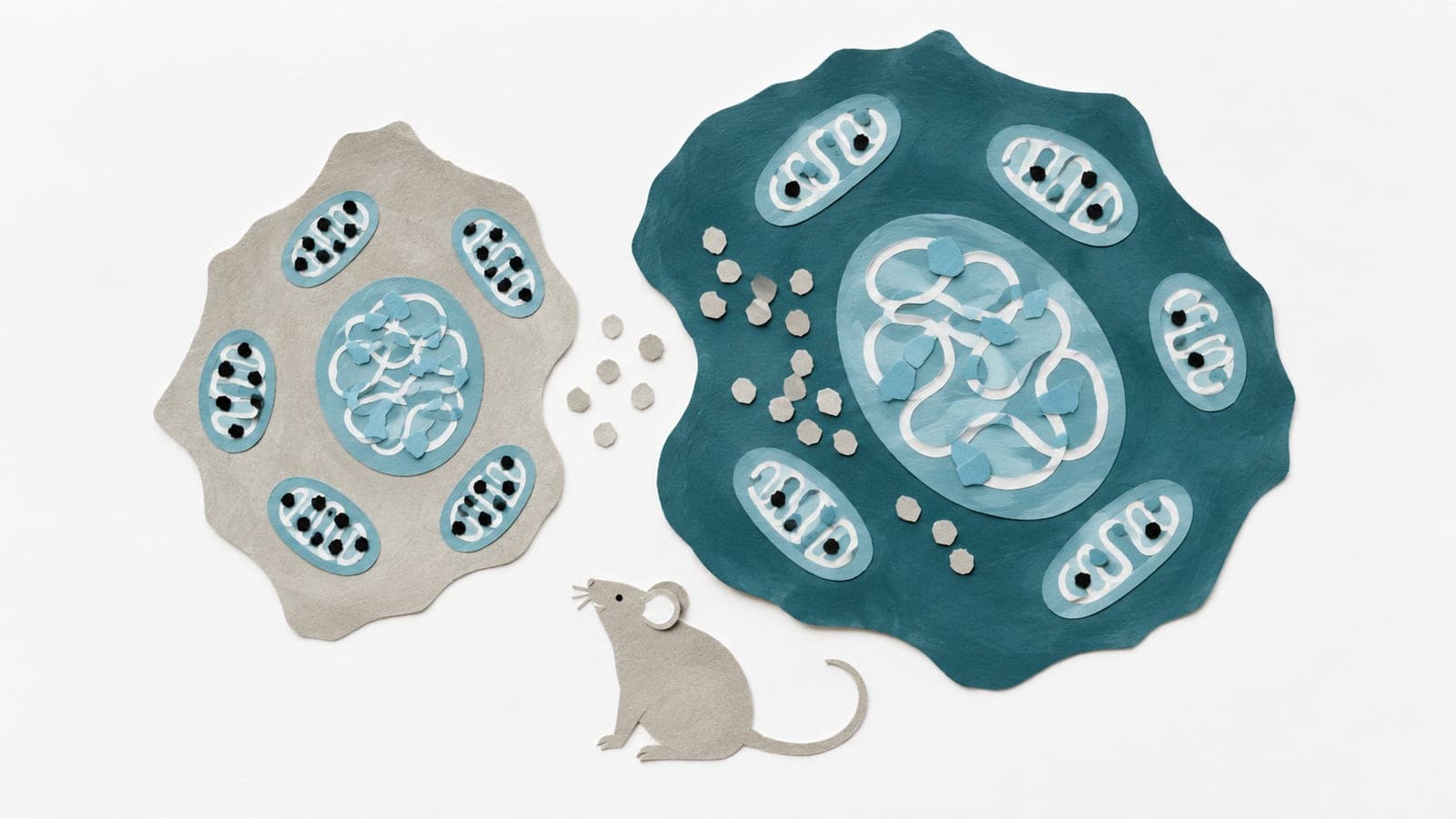
Rising nicotinamide adenine dinucleotide (NAD⁺) levels mitigate the onset and progression of age-related diseases including metabolic disorders. Several studies have demonstrated that NAD⁺ levels can be efficiently replenished via nicotinamide mononucleotide (NMN) intake and thereby prevent metabolic disorders. However, the acute effects of NMN administration on metabolism remain unclear. We observed metabolic dynamics after a single bolus injection of NMN. Sirt1 and Nampt mRNA levels were increased in the liver suggesting that intracellular NAD⁺ increased after injection. During OGTT, glucose tolerance and insulin secretion did not change significantly in response to NMN administration, while during ITT, increased insulin sensitivity was observed in muscle. NMN administration decreased serum non-esterified free fatty acid (NEFA) concentrations, which would presumably be responsible for the increased muscle insulin sensitivity. Furthermore, NMN administration reduced the respiratory quotient, confirming that NMN promotes utilization of lipids as an energy source. Our data demonstrate acute effects of NMN on metabolism and raise the possibility of NMN as a treatment for metabolic disorders.
- Nicotinamide mononucleotide
- Insulin/IGF-1 signalling
- Lipid and ceramide metabolism
- Insulin sensitivity
- Glucose tolerance
- Mice
The paper
Yamaguchi University
Endocrine Journal, 1 Jan 2025, Open access