AMPK lengthens the circadian clock period through NAD+-dependent regulation of Bmal1
Experiments in human cells and computational modeling show that fasting sensor AMPK requires NAD+ and PGC-1-alpha to modulate cellular circadian rhythms.
bioRxiv
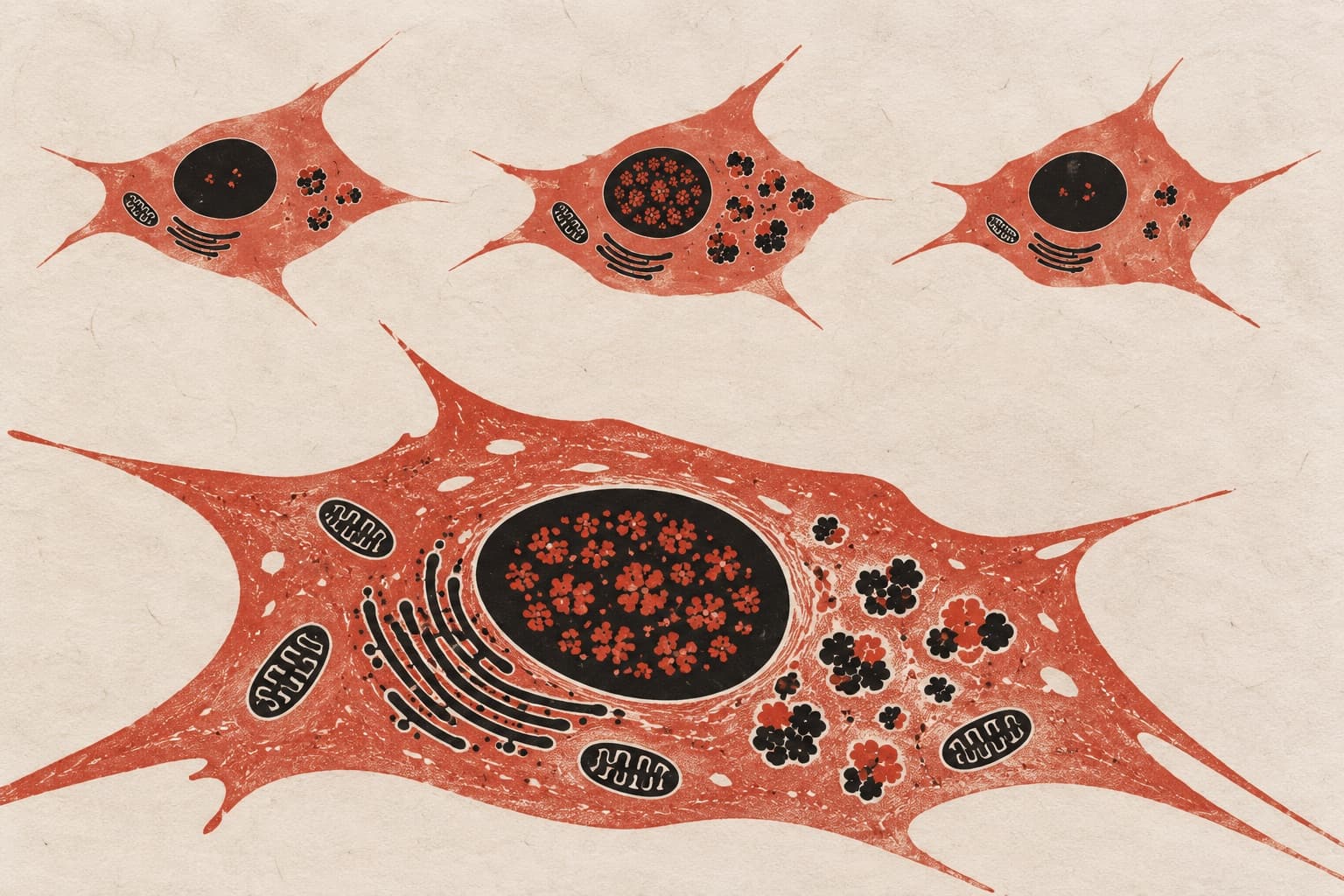
In human U2OS cells, researchers examined how the fasting sensor AMP-dependent kinase (AMPK) regulates the circadian clock. The team used a Bmal1 promoter-driven luciferase reporter and mathematical simulations to monitor molecular clock activity. Pharmacological activation of AMPK with AICAR elevated Bmal1 promoter activity and lengthened the clock period in a dose-dependent manner. In contrast, inhibiting PGC-1-alpha with SR18292 shortened the clock period. Blocking nicotinamide phosphoribosyltransferase with FK866 abolished the effects of AICAR, showing that this AMPK-dependent regulation requires NAD+ availability. Numerical simulations and phase response curves matched the experimental data, confirming that metabolic signals can adjust the cellular clock through NAD+-dependent AMPK signaling.
Why it matters
Proper communication between metabolic sensors and circadian rhythms is critical for maintaining cellular energy homeostasis. Understanding this mechanism clarifies how feeding and fasting cycles entrain peripheral clocks, helping explain how metabolic disruptions impair tissue clock function.
Caveats
This study is a preprint and has not yet been peer-reviewed. Additionally, the findings rely on an immortalized human cell line and theoretical modeling rather than intact animal or human physiological systems.
The paper
Show 8 more authors
Pierre Leclerc, Anthony Treizebre, Alexandre Berthier, Laurent Héliot, Hélène Duez, Bart Staels, Philippe Lefèbvre, Alessandro Furlan,Centre National de la Recherche Scientifique
bioRxiv · 30 Sep 2026 · Preprint, not peer-reviewed