Inotodiol preserves muscle mass and function in aged mice
The mycosterol restores mitochondrial metabolism by activating the LXRbeta-SIRT3-PGC-1alpha pathway to counter age-related muscle decline.
Our read
Interventions- Studied:
- Experiments in mice
- Stake:
- Two authors founded Animuscure and hold shares in it.
Editor of record: Boris Djordjevic · AgingResearch.News
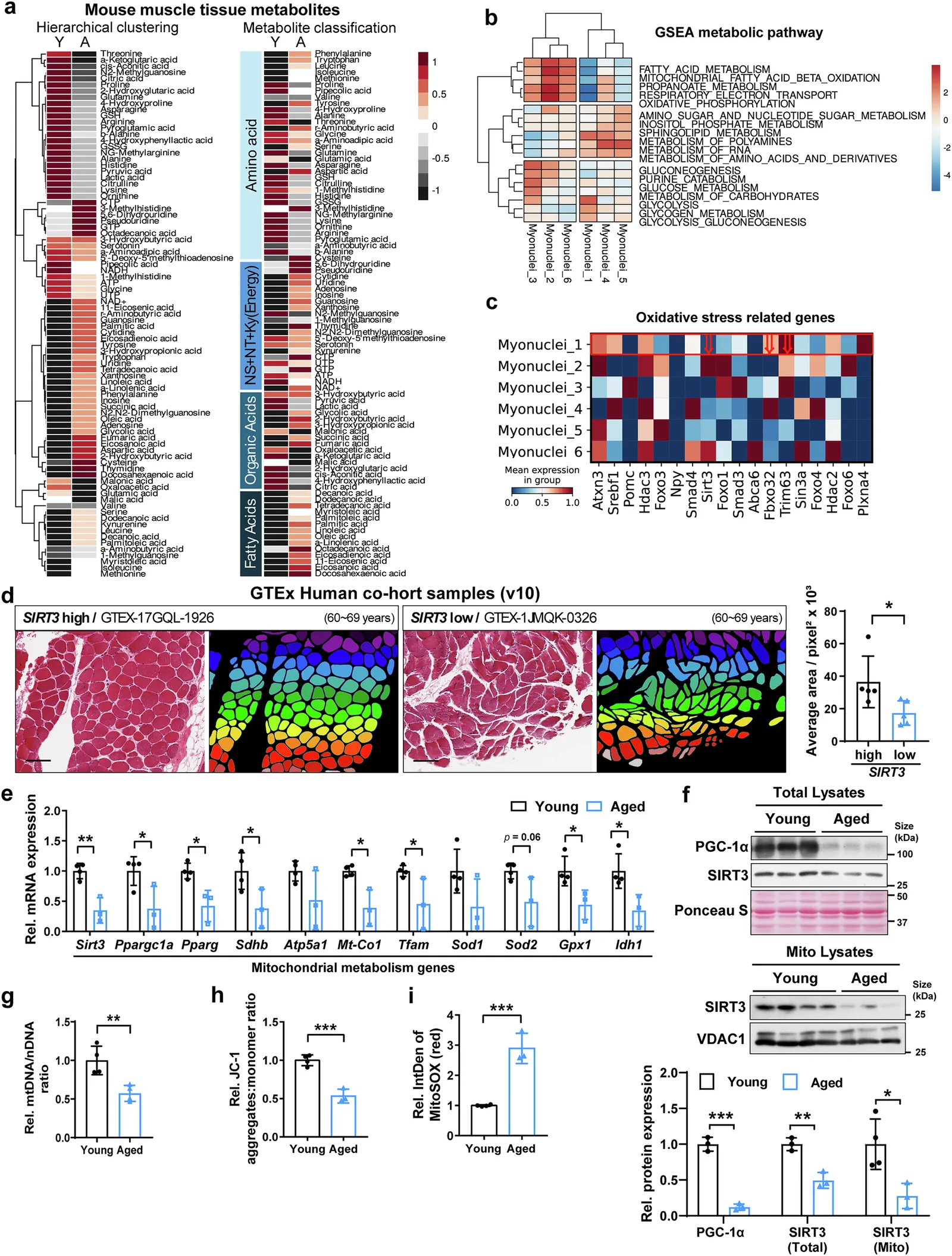
In aged mice, treatment with the mycosterol inotodiol significantly improved muscle mass and function. Researchers also tested the compound in a model of dexamethasone-induced muscle atrophy and in muscle cells challenged with palmitic acid. Inotodiol prevented steroid-induced muscle loss and reduced lipotoxicity by restoring lipid metabolism. In these models, the compound boosted mitochondrial content, elevated oxidative capacity, lowered lipid accumulation, and reduced oxidative stress. Mechanistically, inotodiol activated liver X receptor beta and promoted its interaction with peroxisome proliferator-activated receptor delta. This interaction elevated sirtuin 3 transcription, thereby stimulating the downstream LXRbeta/SIRT3/PGC-1alpha signaling pathway that governs mitochondrial and metabolic homeostasis.
Why it matters
Mitochondrial dysfunction is a primary driver of sarcopenia and age-related metabolic impairment. Identifying compounds that stimulate mitochondrial renewal pathways provides valuable insight into preserving skeletal muscle during aging.
Caveats
This study was conducted in aged mice and cell cultures, so these effects have not been confirmed in humans. The abstract also does not report dosing regimens or long-term safety data.
The paper
Sungkyunkwan University
Signal Transduction and Targeted Therapy, Sep 25, 2026, Open access, CC BY-NC-ND


Comments
Be the first to comment.