Periodic red light exposure eases cellular aging in mice
In aged mice, periodic red light exposure raised histone acetylation across tissues and reduced SIRT4 levels in skin cells to activate lipid metabolism.
eLife
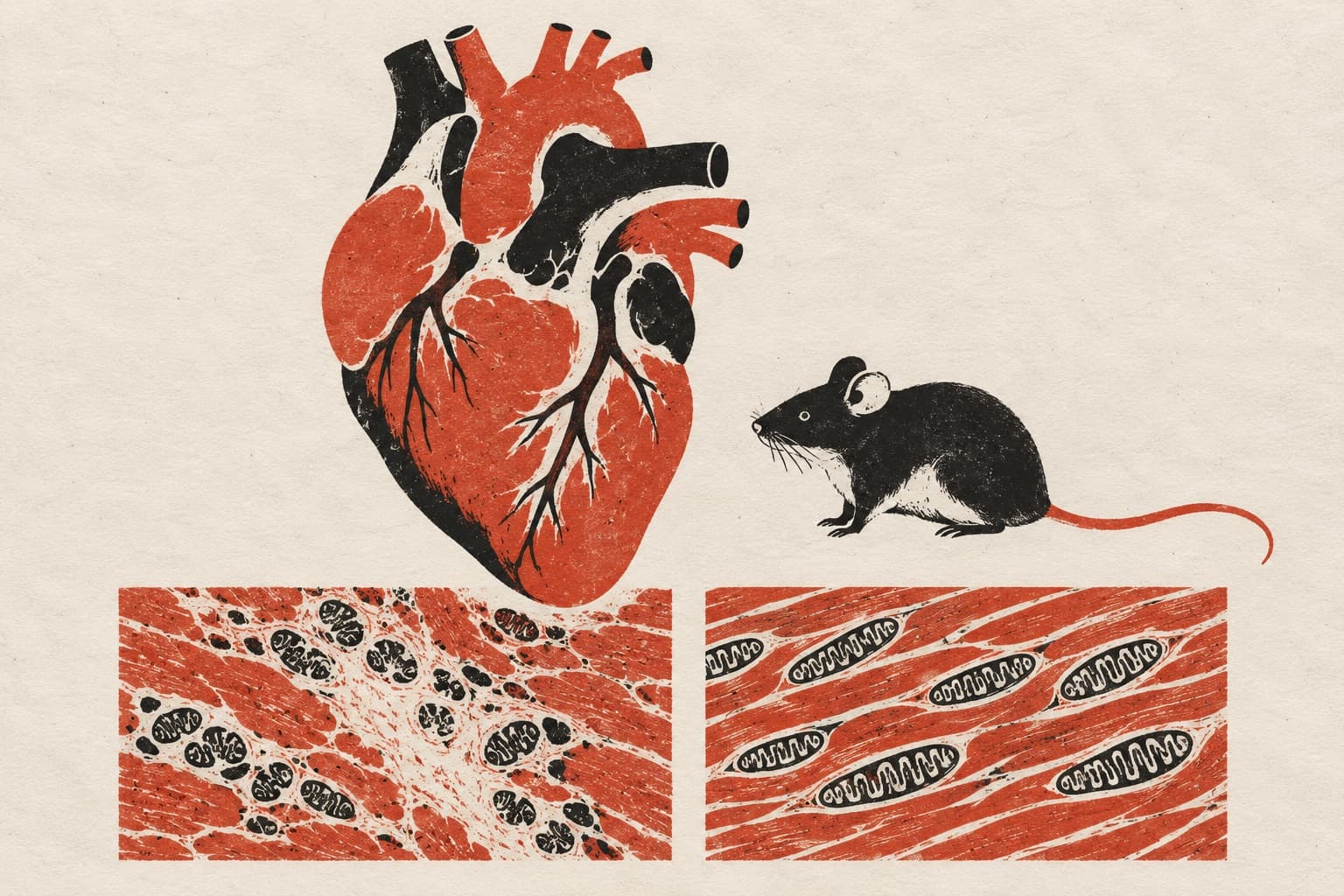
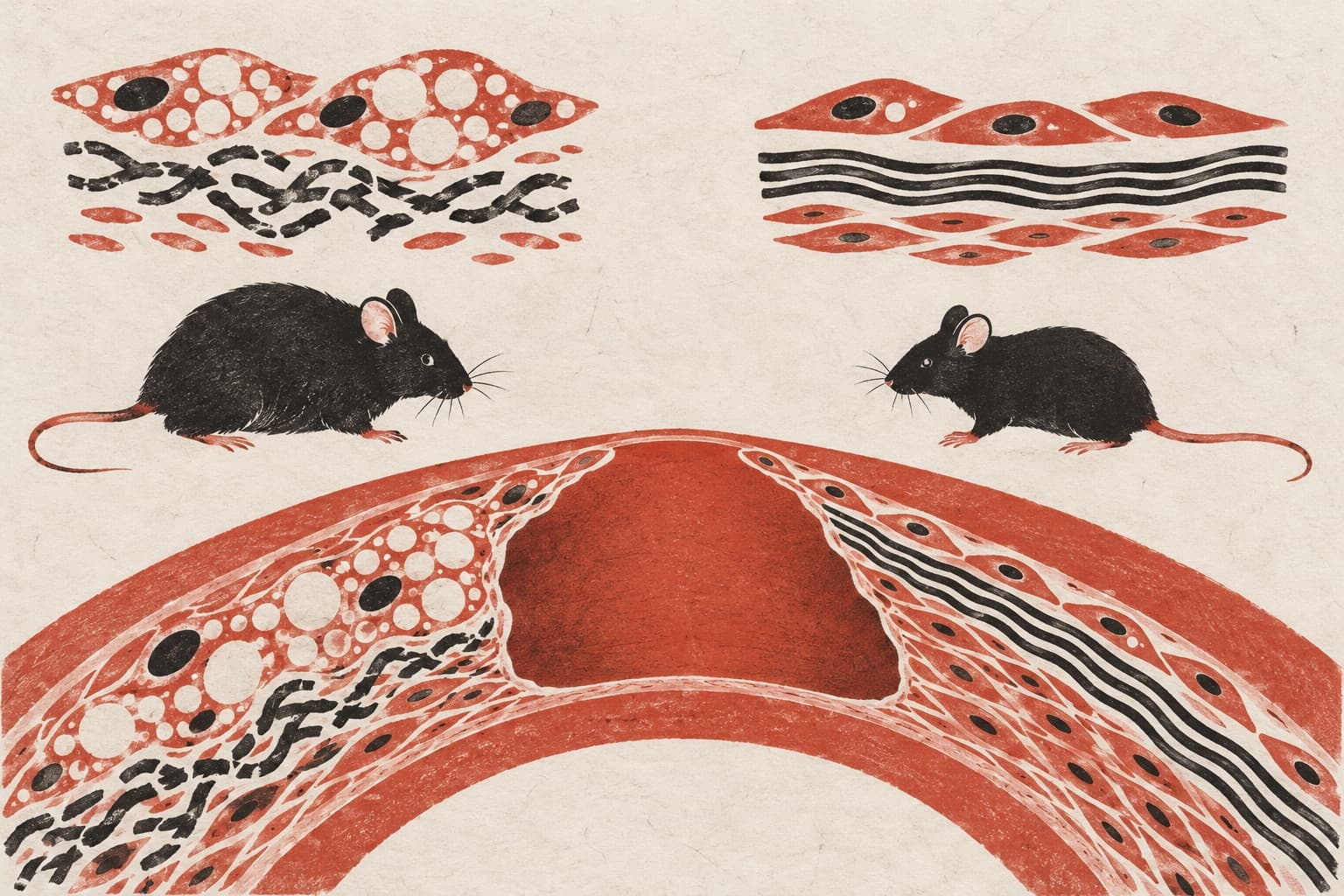
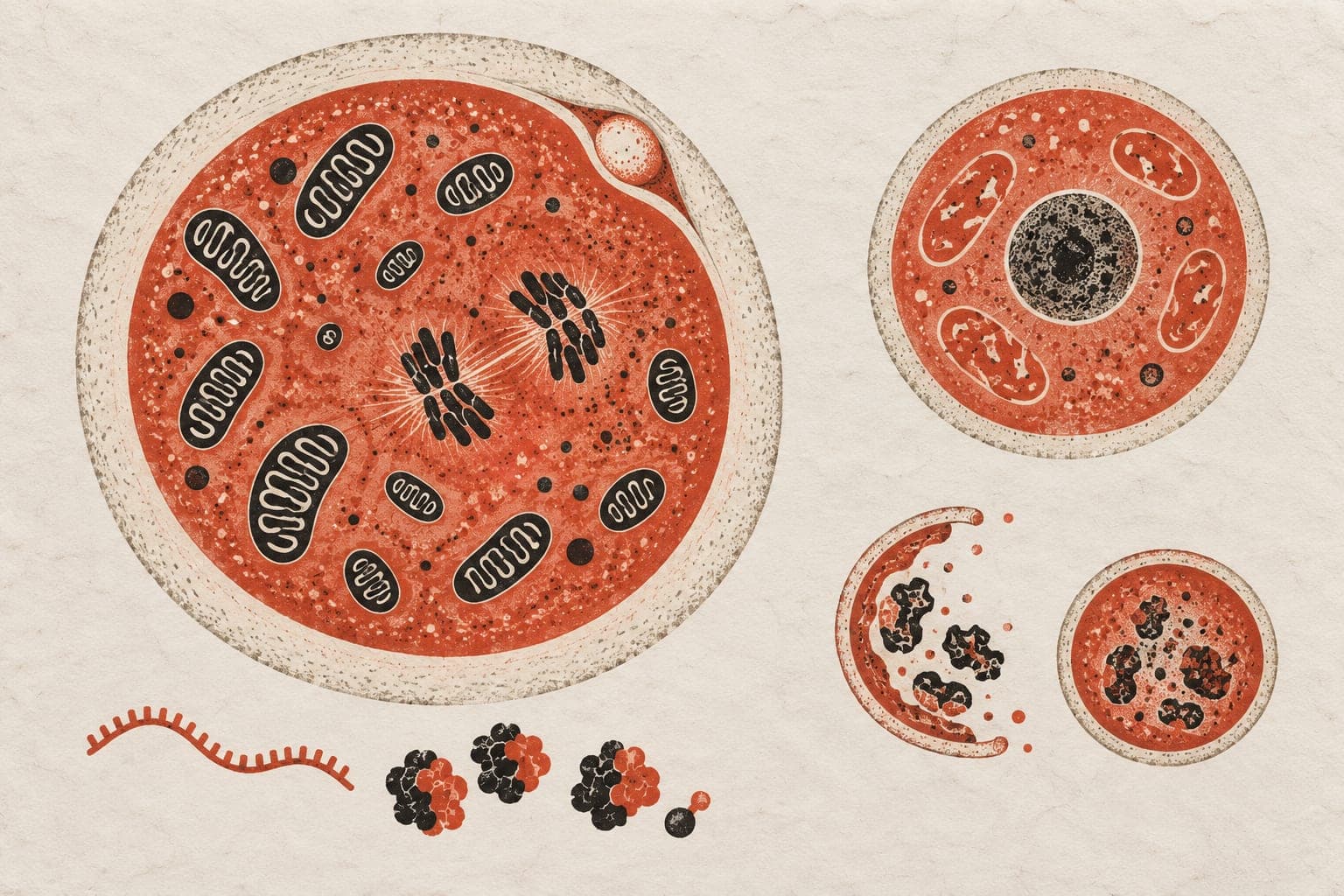
In an experiment in aged mice, researchers investigated the effects of periodic red light exposure. The light exposure significantly increased histone acetylation, a chemical modification of DNA packaging proteins, across the tissues and organs of the older mice. Following exposure, levels of SIRT4, a mitochondrial protein, were notably reduced in keratinocytes, the main cells in skin. At the same time, glycolysis, fatty acid metabolism, and the energy-producing tricarboxylic acid cycle were activated in these skin cells. The drop in mitochondrial SIRT4 promoted fatty acid oxidation and the energy cycle. This metabolic shift helped acetyl-CoA accumulate, raising histone acetylation and altering the expression of genes tied to cell senescence. Cellular aging was ultimately mitigated through coordinated shifts in metabolism, inflammation, and gene expression.
Why it matters
Mitochondrial metabolism declines as organisms age, and disrupted gene regulation linked to histone acetylation induces senescent features in tissues. Exploring how light signals alter mitochondrial proteins bears on how metabolism and gene expression interact in aging cells.
Caveats
The findings come from an experiment in mice and skin cells, which may not capture what occurs in human tissues. The study also focused on cellular and molecular measures rather than tracking overall lifespan or animal healthspan.
The paper
Photo-downregulation of SIRT4 mitigates aging in mice by enhancing H3K9ac via fatty acid metabolism
Show 8 more authors
Monian Wang, Yang Liu, Xu Li, Zibo Gao, Lihua Yang, Huifang Liu, Yingchun Yang, Zhaoxiang Yu,Northwestern Polytechnical University
eLife · 8 Oct 2026