Government

Papers on Government

2,700 papers138 new in 30 days

Monday, November 9

Molecular Cell

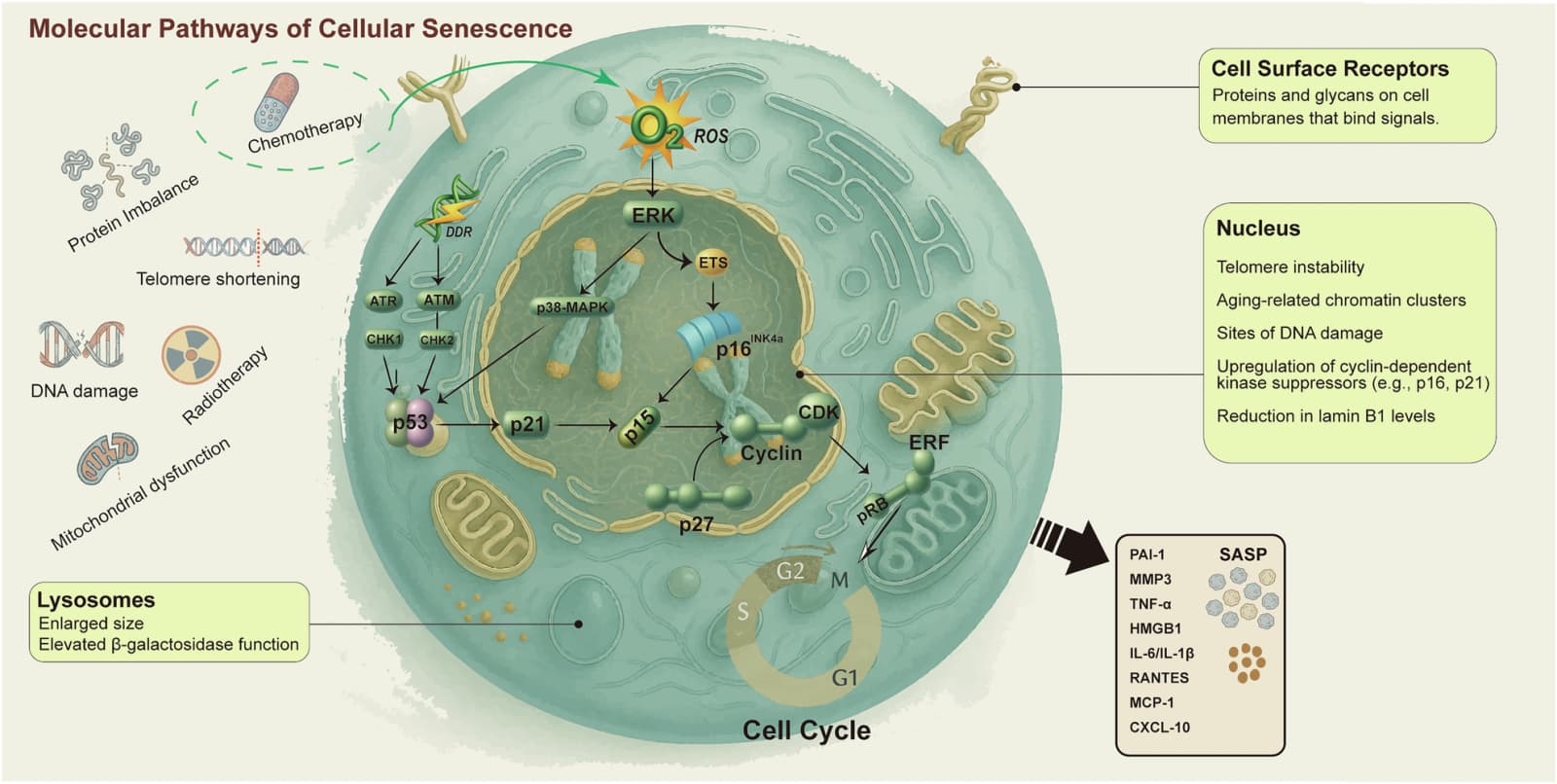
Chemical tags mark ribosomes for recycling in yeast

Experiments in nutrient-deprived yeast identified how an enzyme labels the cell’s protein-making machinery for breakdown through a recycling process.Experiments in nutrient-deprived yeast identified how an enzyme labels the cell’s protein-making machinery for breakdown through a recycling process.
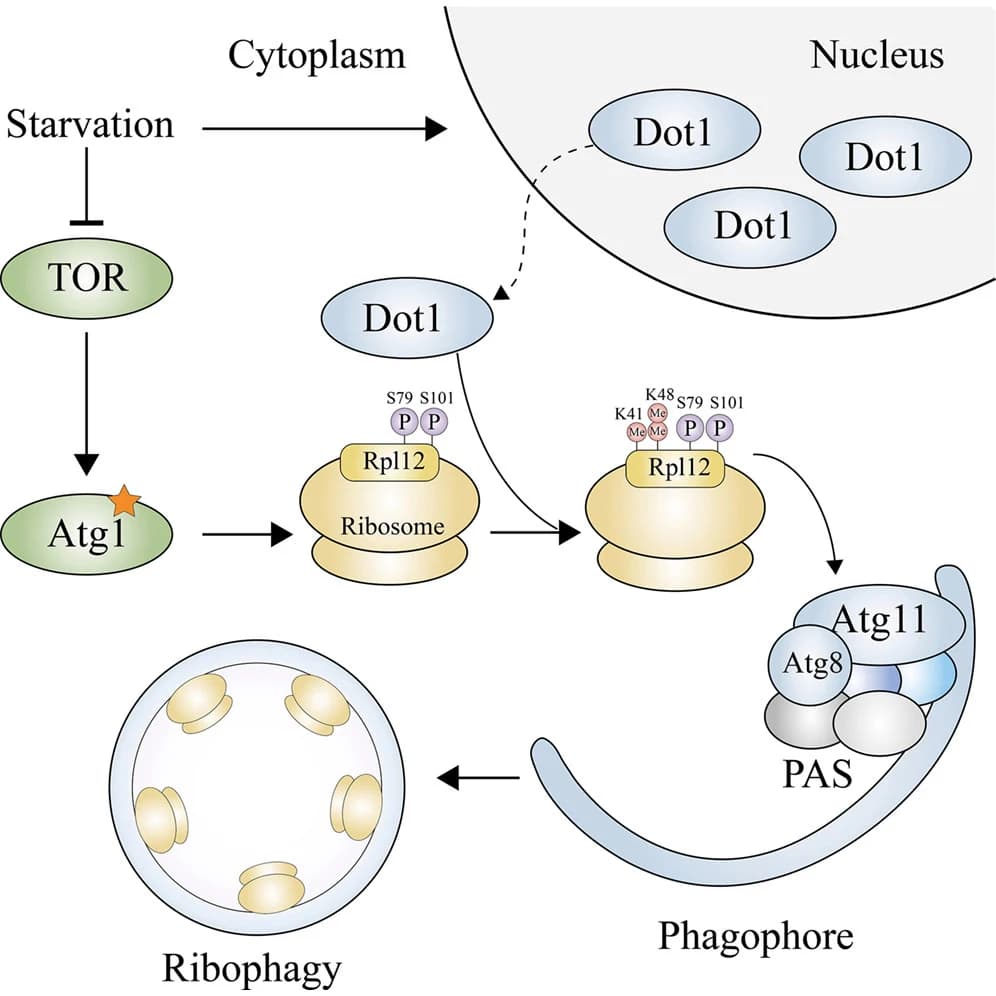
Figure from Molecular Cell
Cell studyMechanisms
bioRxiv

Restoring a gene regulator reduced liver fat in aged mice

Experiments in young and aged mice identified a liver protein whose restoration reduced fat buildup but did not consistently reverse inflammation-related gene activity.Experiments in young and aged mice identified a liver protein whose restoration reduced fat buildup but did not consistently reverse inflammation-related gene activity.

Liver cells with sparse or crowded fat droplets sit beside a laboratory mouse, with dark inflammatory cells surrounding both groups.
Aging Cell

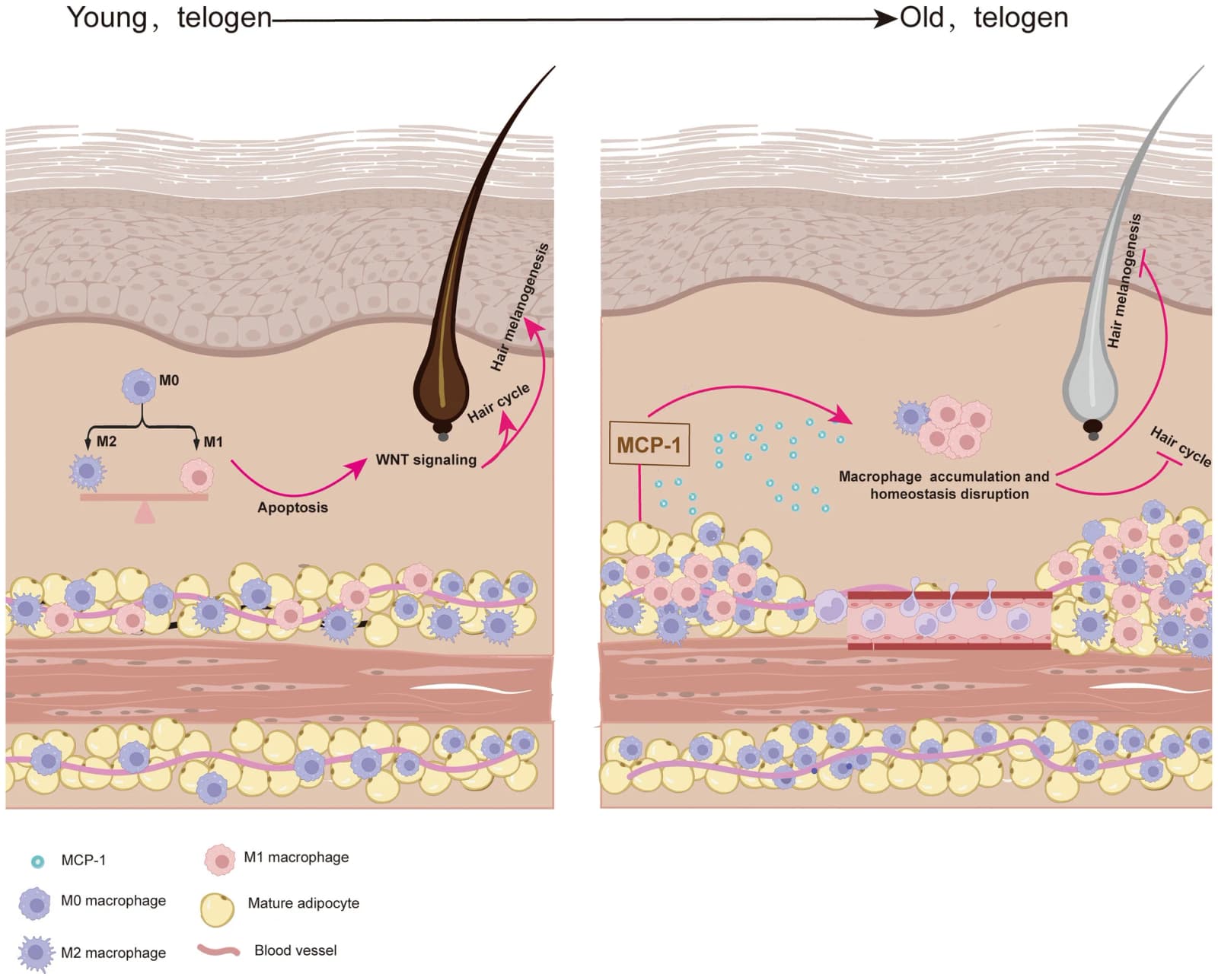
A signal from aging skin fat delays hair growth in mice

Experiments in male mice aged 18–24 months linked a protein from skin fat to immune cell buildup and delayed entry into the hair-growth phase.Experiments in male mice aged 18–24 months linked a protein from skin fat to immune cell buildup and delayed entry into the hair-growth phase.

Figure from Aging Cell
Mouse studySkin
JAMA

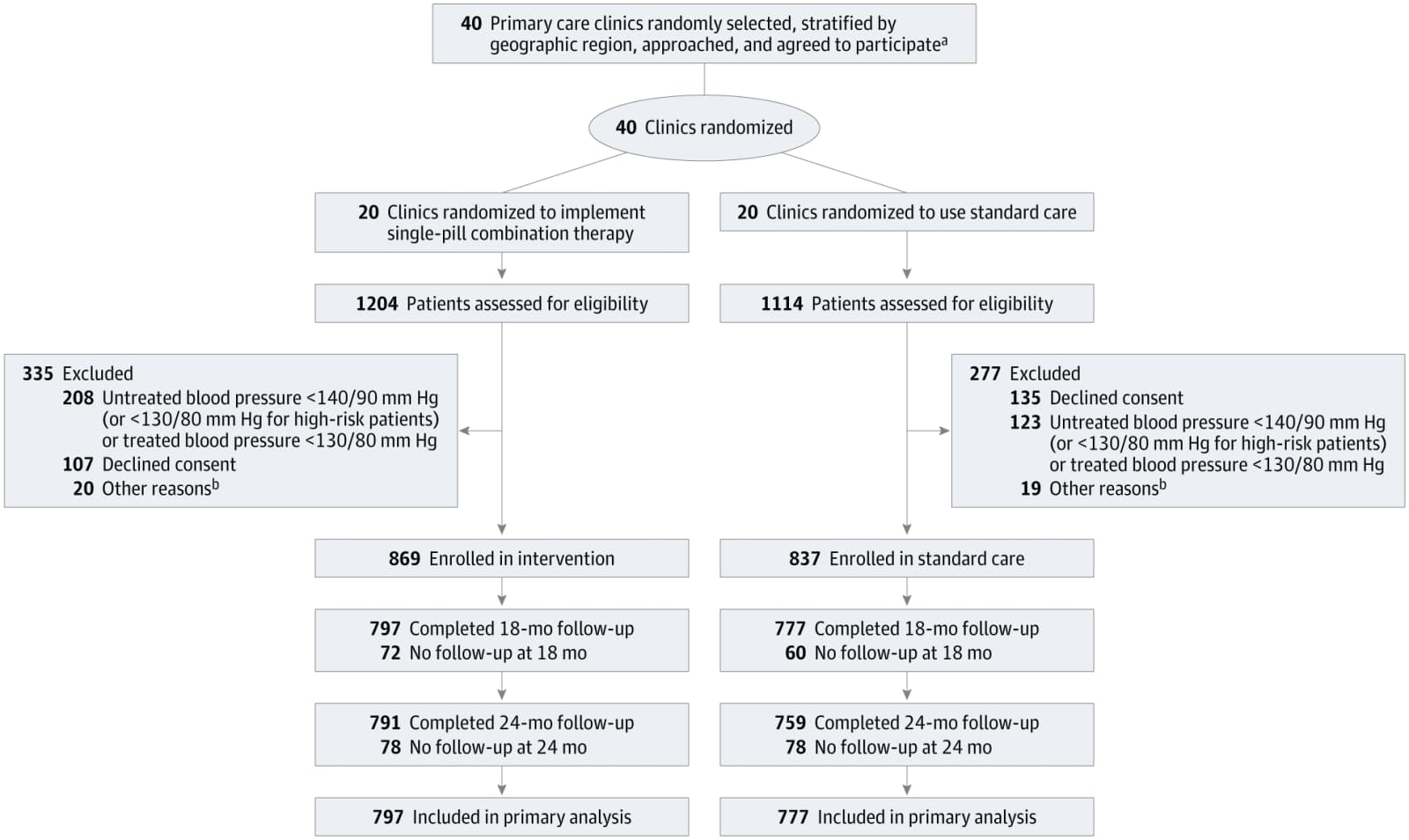
Combination-pill care program lowered blood pressure

The combined program reduced the upper blood pressure reading by 10.1 millimeters of mercury more than standard care over 18 months.The combined program reduced the upper blood pressure reading by 10.1 millimeters of mercury more than standard care over 18 months.

Figure from JAMA
Randomized trial · 1,574 peopleHypertension
AHA Scientific Sessions 2026 Abstract

Anxiety and depression linked to later heart rhythm disorders

People with both conditions had a hazard ratio of 1.553 for later atrial fibrillation or flutter, compared with the study’s reference group.People with both conditions had a hazard ratio of 1.553 for later atrial fibrillation or flutter, compared with the study’s reference group.

Heart cutaway with dense branching atrial marks beside a smaller heart with sparse marks, a brain section, blood cells, and inflammation-related molecules.
Cohort · 95,787 peopleMechanisms
AHA Scientific Sessions 2026 Abstract

Blood vessel lining renewal varied across organs in mice

An experiment tracking blood vessel lining cells in eight mouse organs until seven months of age found renewal depended on organ and vessel type.An experiment tracking blood vessel lining cells in eight mouse organs until seven months of age found renewal depended on organ and vessel type.

An opened artery has sparse dark renewal cells, while tiny vessels beside a kidney have many; a small laboratory mouse sits below.
Mouse studyMechanisms
AHA Scientific Sessions 2026 Abstract

Heart-trace models trained apart did slightly better on new data

Average absolute age-estimation error was 7.74 years with federated training versus 8.04 years with pooled training in external testing.Average absolute age-estimation error was 7.74 years with federated training versus 8.04 years with pooled training in external testing.

Heart cross-section with branching electrical pathways beside small upright figures and a smaller gray heart with thinner walls and a wider cavity.
Computational studyBiomarkers
AHA Scientific Sessions 2026 Abstract

A heart support cell group sustains nerves and pumping in mice

Loss of the cell group reduced the share of blood pumped out of the left ventricle per beat from 84.0% to 68.8%.Loss of the cell group reduced the share of blood pumped out of the left ventricle per beat from 84.0% to 68.8%.

Heart muscle sections beside a mouse contrast dense nerves and support cells in dark blue-green tissue with sparse nerves in thinner gray tissue.
Mouse studyMechanisms
AHA Scientific Sessions 2026 Abstract

Disrupted daily rhythms linked to cardiovascular events

Over a median 3.3 years, participants with the most disrupted daily rhythms had 84% higher relative cardiovascular risk than those with the most stable rhythms.Over a median 3.3 years, participants with the most disrupted daily rhythms had 84% higher relative cardiovascular risk than those with the most stable rhythms.

A heart with a blocked vessel and damaged tissue sits beside an intact heart, beneath upright groups of people and uneven versus regular crescents.
Cohort · 8,790 peopleCardiovascular disease

Sunday, November 8

Saturday, November 7

bioRxiv

Gene activity patterns diverged across the aging mouse brain

A spatial mapping method measured five types of marks on DNA-packaging proteins alongside gene activity across the adult mouse lifespan.A spatial mapping method measured five types of marks on DNA-packaging proteins alongside gene activity across the adult mouse lifespan.

Mouse brain sections show dense outer cortical marks and sparse fiber tract marks in the larger section, beside a mouse and scattered branching neurons.
Preprint: mouse studyAI & data
Free Radical Biology & Medicine

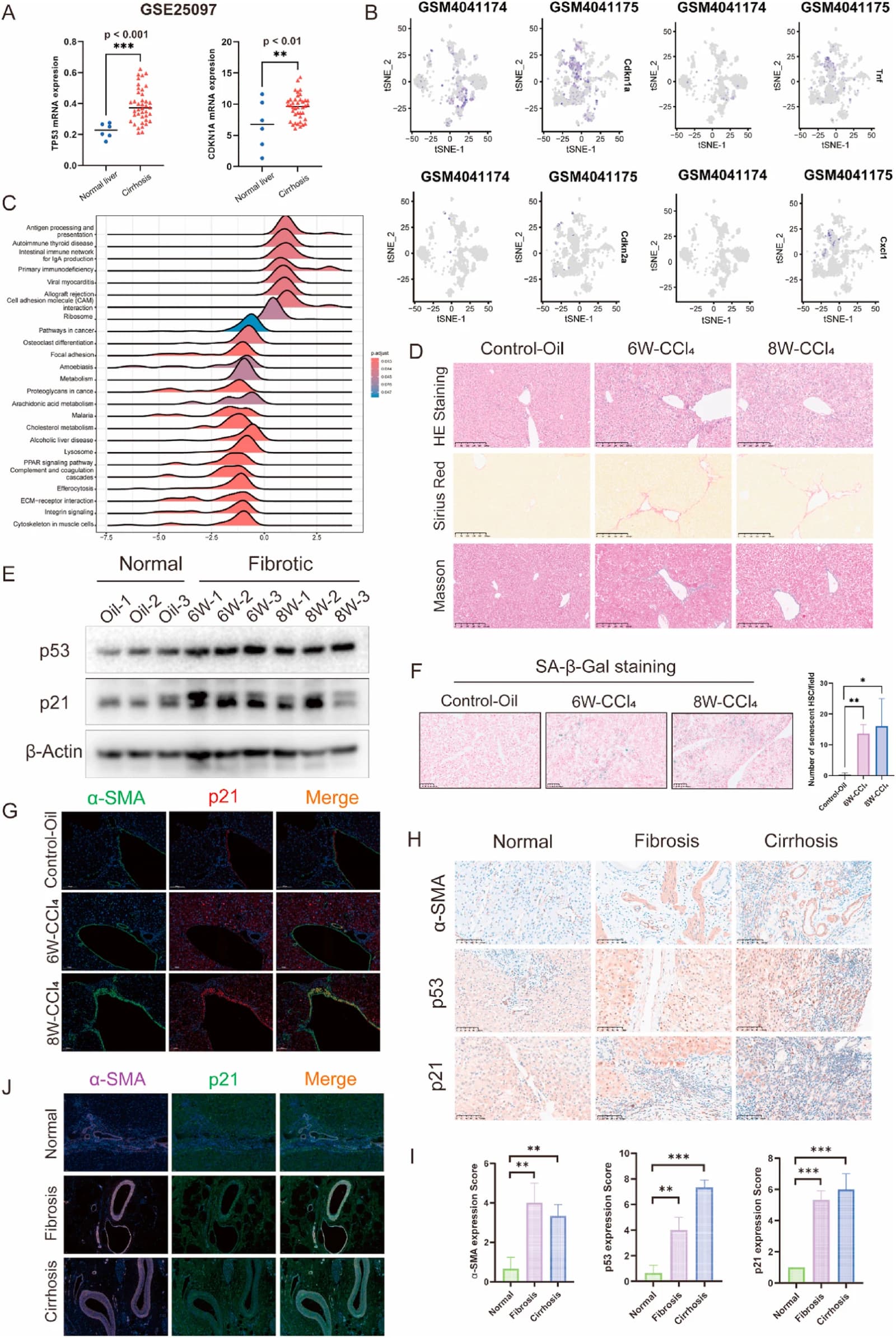
Sorcin protein helped scar-forming liver cells keep dividing

Experiments in liver stellate cells traced the effect to RNA-containing clusters that reduced production of p53, a protein that helps regulate cell division.Experiments in liver stellate cells traced the effect to RNA-containing clusters that reduced production of p53, a protein that helps regulate cell division.

Figure from Free Radical Biology & Medicine
Cell studyMechanisms
AHA Scientific Sessions 2026 Abstract

A signaling pathway controls heart-cell division in newborn mice

Newborn mice missing one pathway protein had hearts about 30% smaller than normal mice, with fewer heart muscle cells.Newborn mice missing one pathway protein had hearts about 30% smaller than normal mice, with fewer heart muscle cells.

Heart cross-sections beside a mouse show dense muscle in a large dark blue-green heart and sparse muscle with a broken tip in a smaller gray heart.
Mouse studyPPAR signaling

Friday, November 6

Thursday, November 5