Combination-pill care program lowered blood pressure
The combined program reduced the upper blood pressure reading by 10.1 millimeters of mercury more than standard care over 18 months.
Our read
Interventions- Studied:
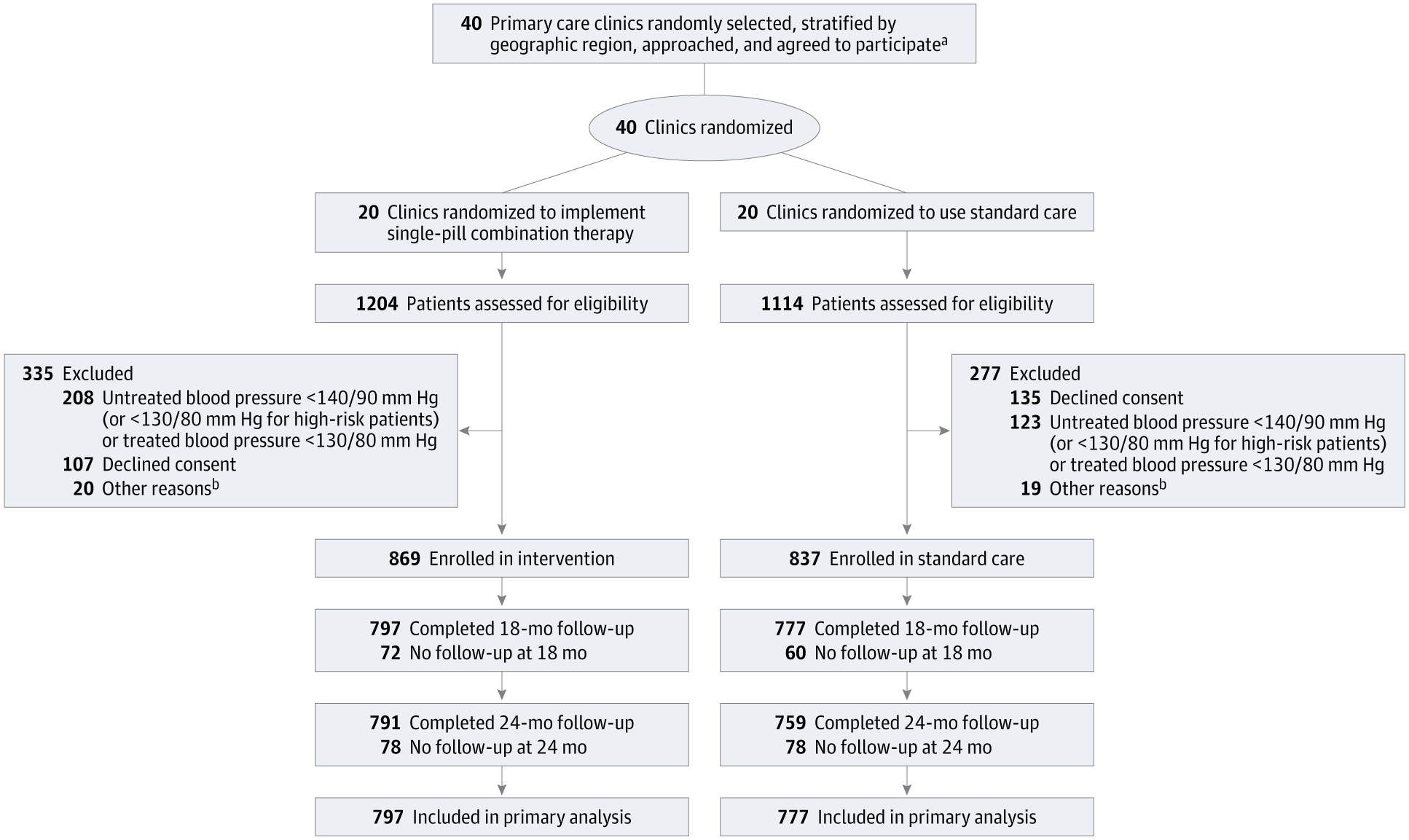
- Randomized trial in 1,574 adults with uncontrolled hypertension, 18 months, against standard care (Multicenter, registered NCT05405920)
- What changed:
- The program lowered the upper blood pressure reading by 10.1 millimeters of mercury more than standard care over 18 months
- The catch:
- Only 1574 of 1706 enrolled participants were included in the primary analysis
- Why it’s aging research:
- It bears on staying healthy in midlife and later life.
Editor of record: Boris Djordjevic · AgingResearch.News
The 1,706 adults with uncontrolled high blood pressure in Colombia and Jamaica averaged 61.4 years old; 69.9% were women. Their 40 primary care clinics participated in an unblinded cluster randomized trial, with clinics assigned to either care strategy.
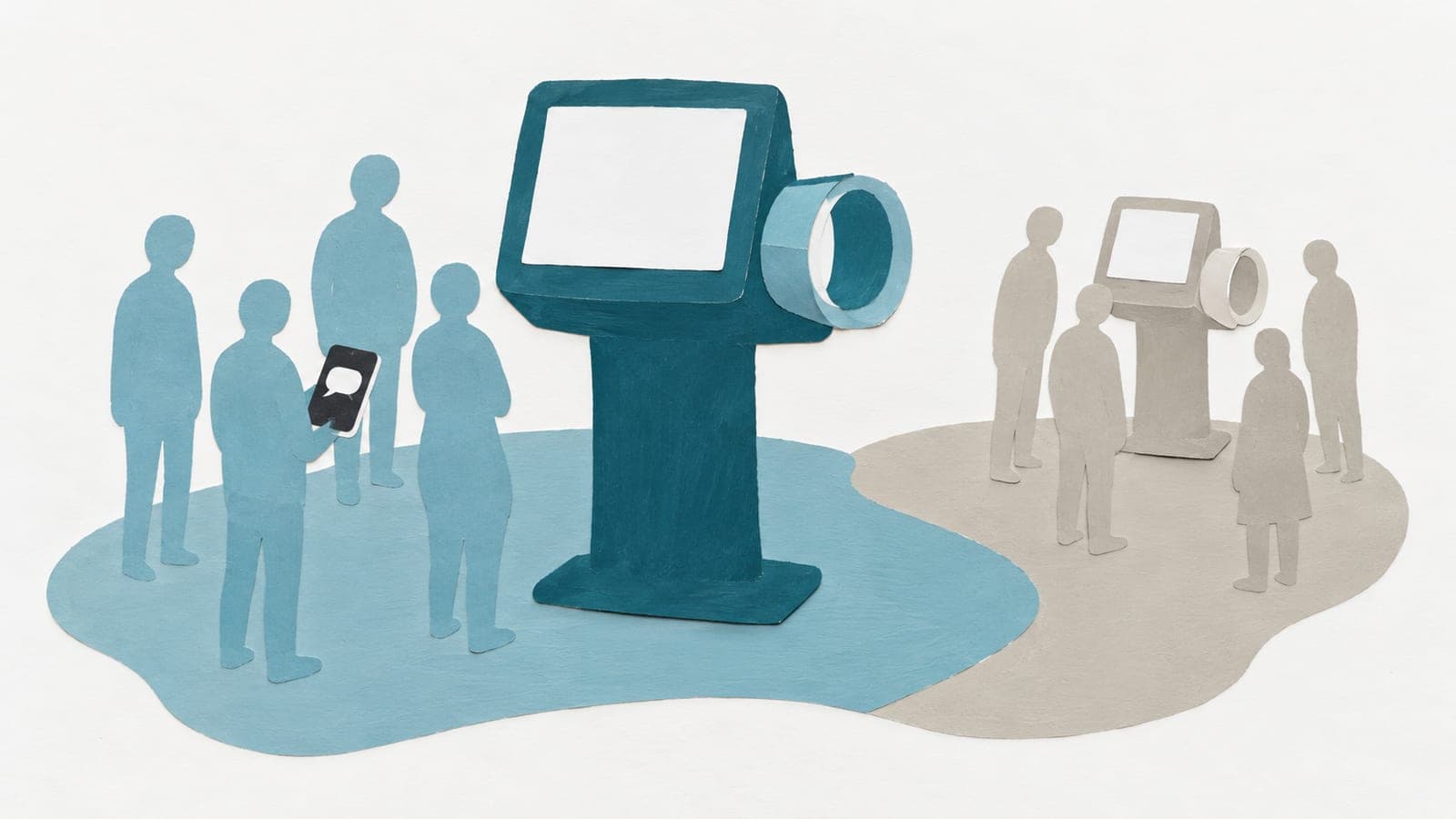
For 18 months, the program combined supplied combination pills with staff training, health coaching and home blood pressure monitoring. Standard care used guideline-recommended medicines. Among 1,574 participants analyzed, systolic pressure—the upper blood pressure reading—fell by 19.1 millimeters of mercury (mm Hg) with the program versus 9.0 mm Hg with standard care. At 18 months, 69.5% versus 29.2%, respectively, reached blood pressure below 130/80 mm Hg. Serious adverse events—death or hospitalization—occurred in 7.9% versus 9.9%, respectively.
Why it matters
For blood pressure care as people age, the authors suggested that this combined strategy could be adopted more widely, particularly in settings with limited resources.
Caveats
Clinics and participants knew their assignments, and the trial did not separate the pills’ effects from those of the wider care program. The findings concern adults with uncontrolled blood pressure in Colombia and Jamaica, not people whose blood pressure was already controlled.
Where the evidence stands
Health coaching
- 9 independent labs in 4 countries
- 3 findings against
- Funders: National Health and Medical Research Council and others
- 4 of 31 findings with company ties
Home blood pressure monitoring
- 5 independent labs in 2 countries
- Funder: Wellcome Trust
- 1 of 11 findings with company ties
- Health coaching
- Home blood pressure monitoring
- Blood pressure audit and feedback
- Hypertension
- Diastolic blood pressure
- Humans
The paper
Masira Research Institute; University of Texas Southwestern Medical Center
JAMA, Nov 8, 2026
Comments
Be the first to comment.