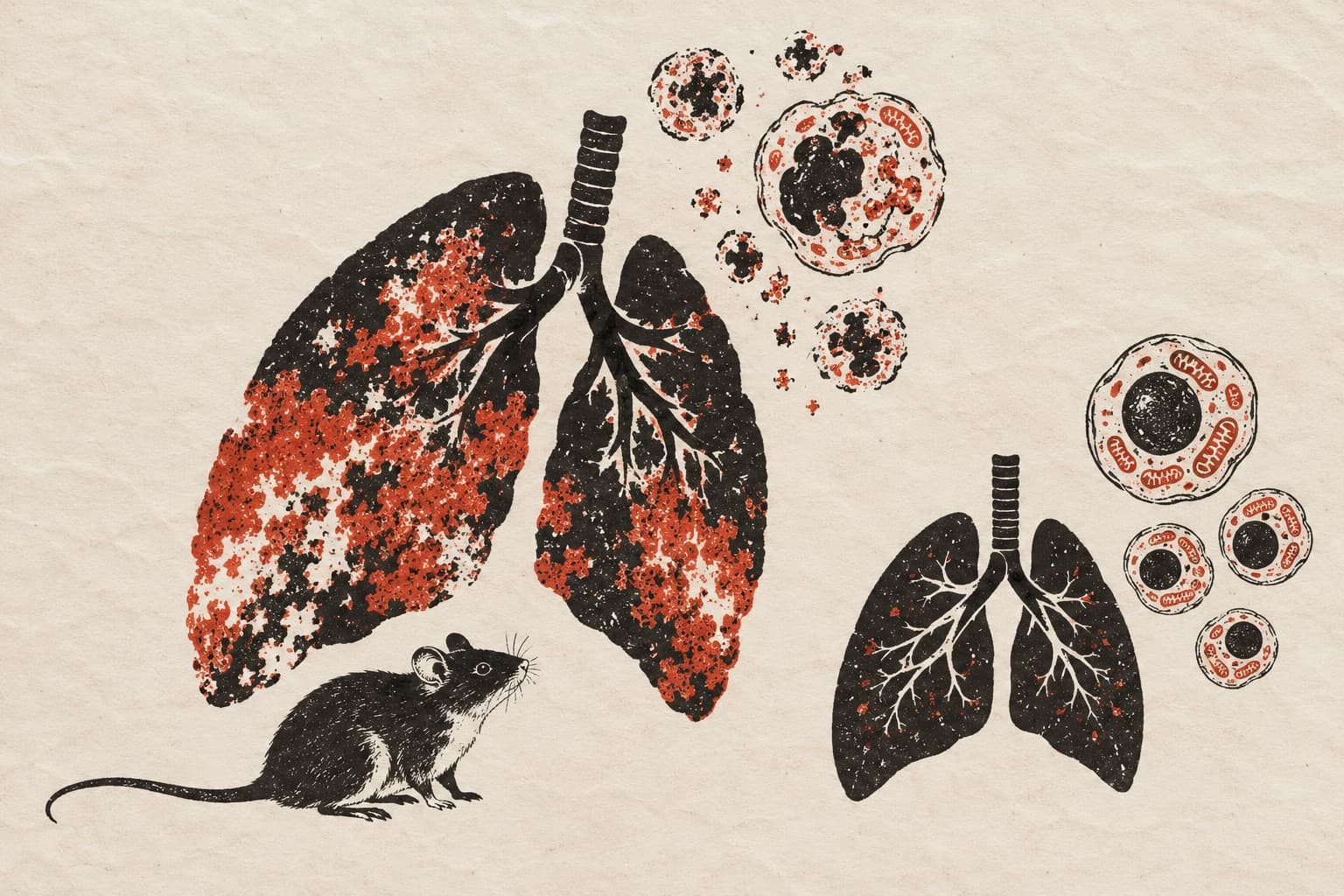
Nicotinamide riboside improves parasite control in mice
In mice infected with Trypanosoma cruzi, treatment with the NAD+ precursor improved CD8+ T-cell function and reduced parasite burden in blood and skeletal muscle.
bioRxiv
In mice infected with the parasite Trypanosoma cruzi, treatment with nicotinamide riboside improved immune control by supporting CD8+ T cells, according to a preprint on bioRxiv. Acute infection induced metabolic remodeling in parasite-specific and effector CD8+ T cells, characterized by increased glycolysis, altered mitochondrial homeostasis, oxidative stress, and increased CD38 expression. In cell cultures and infected mice, nicotinamide riboside improved mitochondrial function, reduced mitochondrial reactive oxygen species, lowered CD38 expression, decreased apoptosis, and enhanced effector responses. In vivo, the supplement raised intracellular NAD+ in CD8+ T cells, which was accompanied by reduced parasitemia and lower skeletal muscle parasite burdens. Furthermore, transient supplementation was associated with persistent metabolic and functional changes in memory CD8+ T cells during chronic infection.
Why it matters
Sustaining NAD+ levels may help protect CD8+ T-cell mitochondrial fitness under metabolic and immune stress. These observations identify NAD+ metabolism as a candidate pathway for supporting immune cell resilience during persistent challenges.
Caveats
The findings are limited to mouse models and cultured cells, which may not mirror human immune responses or clinical Chagas disease. The paper is also a preprint that has not yet undergone peer review.
The paper
Hellriegel F, Fontanari C, Baigorri RE et al.
bioRxiv · 4 Oct 2026 · Preprint, not peer-reviewed