Bone-targeted drug delivery improves bone structure in mice
In mice lacking ovaries, the targeted carrier delivered raloxifene to bone tissue and improved bone formation and structural integrity compared with the free drug.
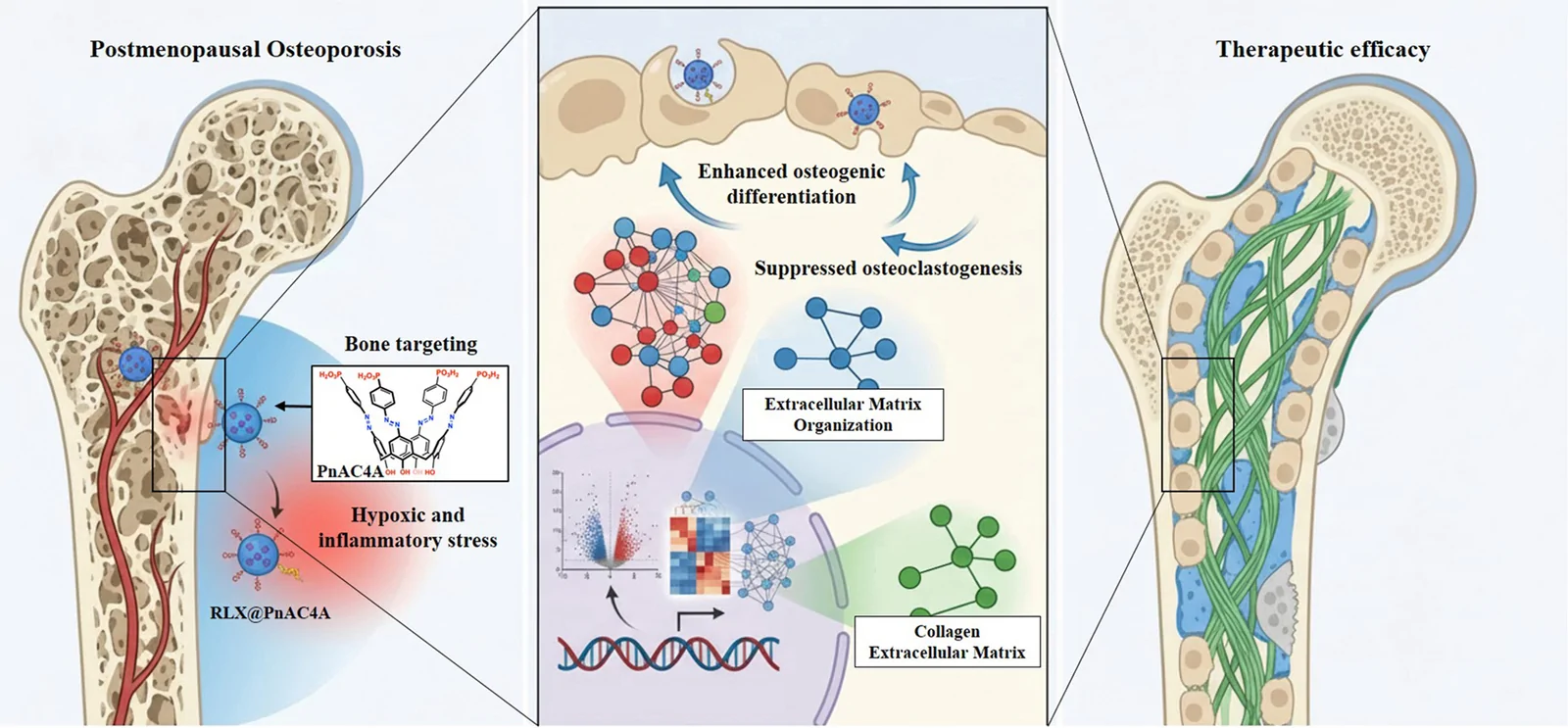
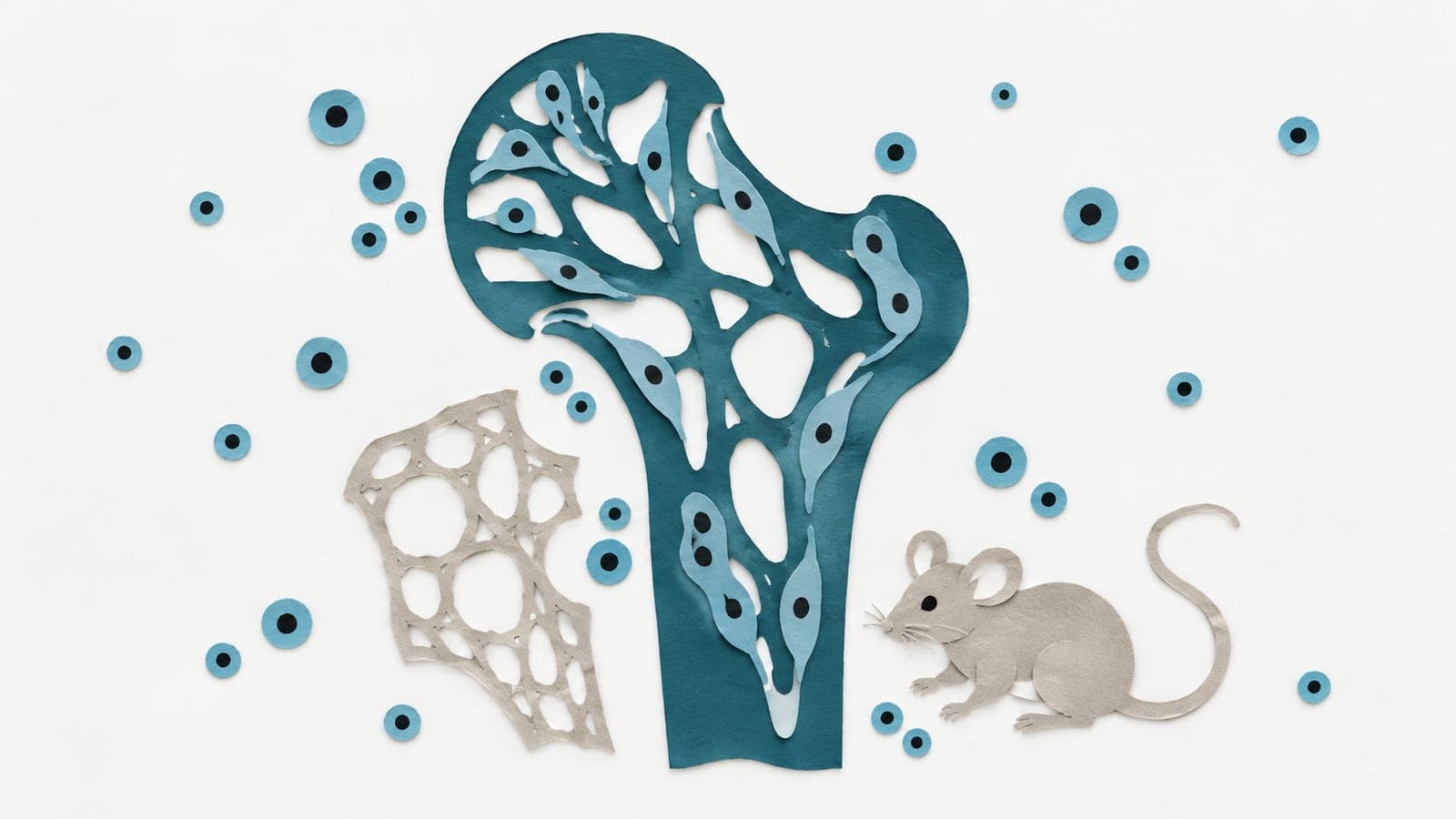
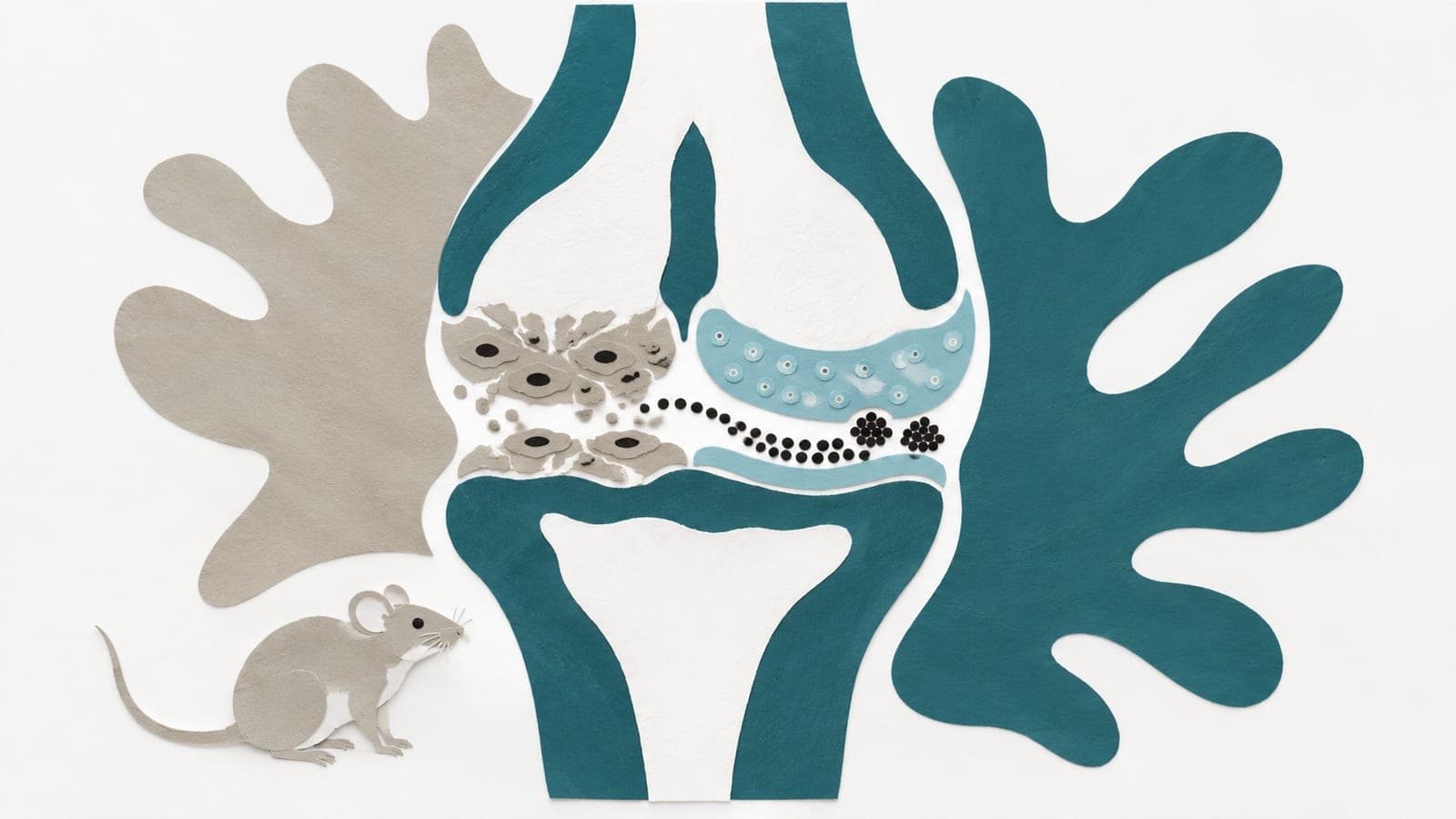
In experiments in mice whose ovaries had been removed and cells grown in the lab, researchers tested a bone-targeted delivery system for the osteoporosis drug raloxifene. The carrier bound to bone and selectively released the drug under low-oxygen conditions. In cells under low-oxygen and inflammatory stress, the packaged drug preferentially restored redox balance, the balance between oxidising and reducing chemicals. It also enhanced bone-forming cell development and suppressed the formation of bone-resorbing cells, depending on surrounding conditions.
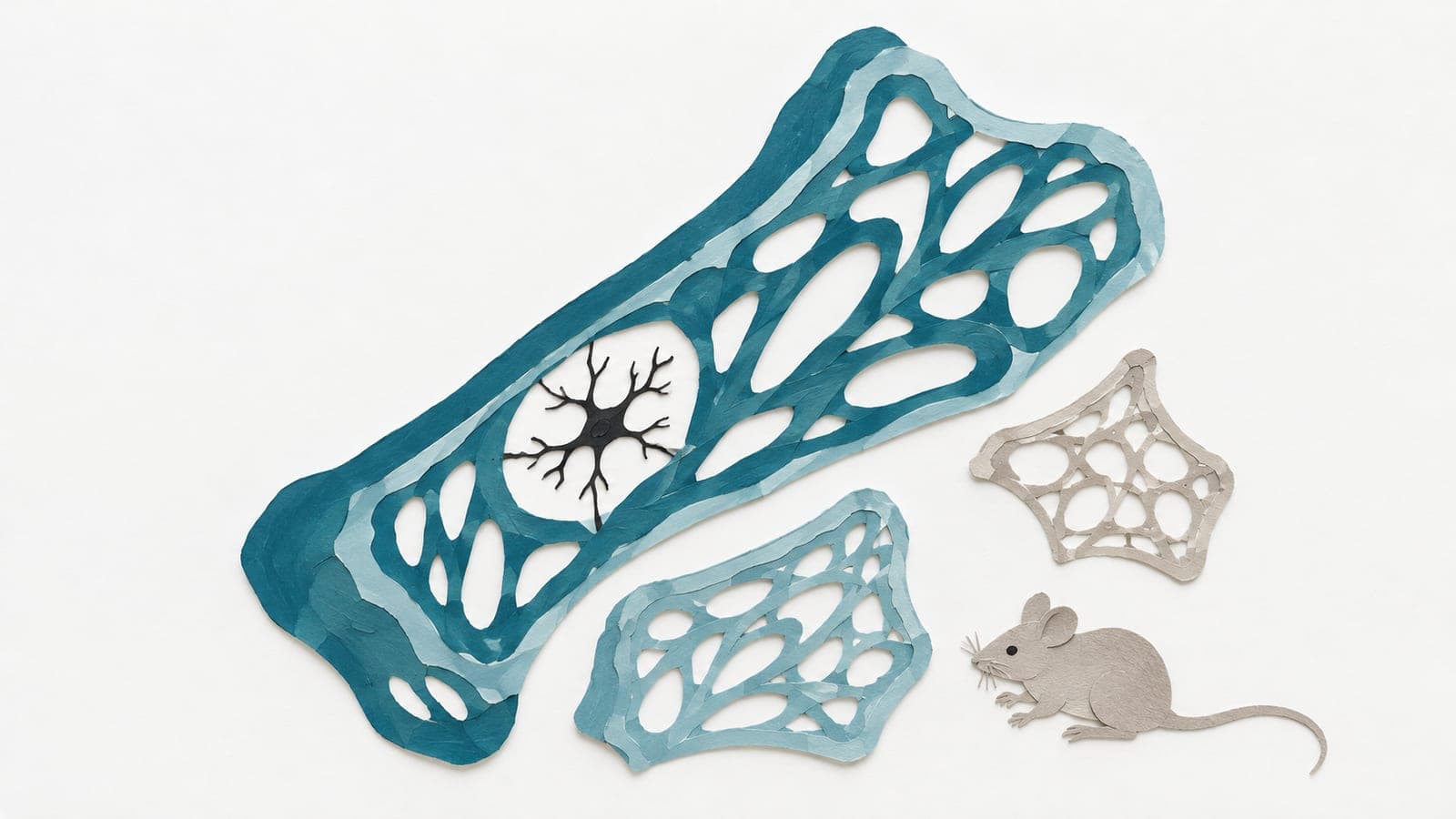
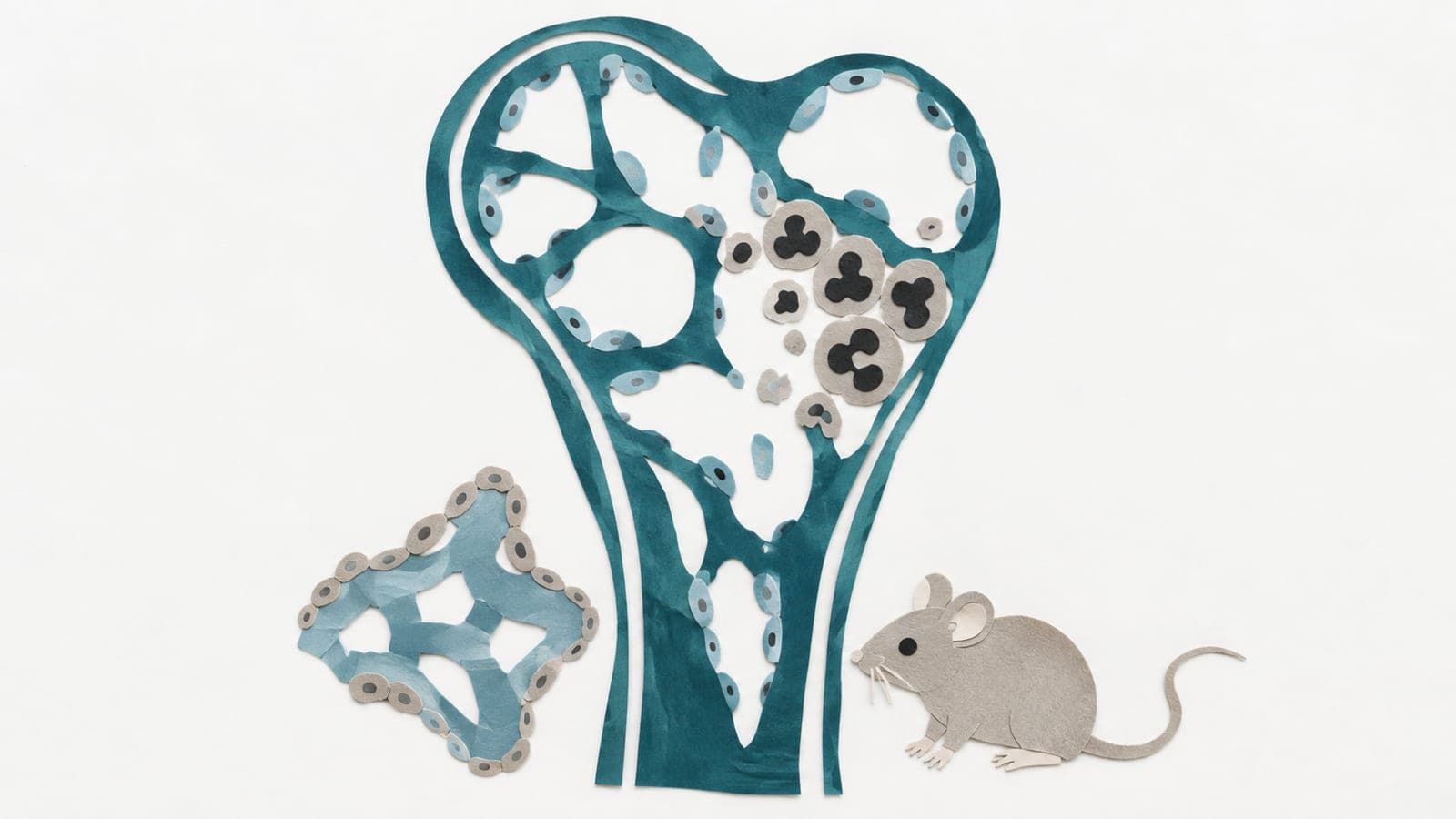
In the mice, the system accumulated rapidly in bone tissue after administration. Compared with free raloxifene, it improved the architecture of the spongy tissue inside bones, bone formation and structural integrity. Analysis of gene activity in the mice also revealed a programme associated with remodelling the extracellular matrix, the supportive mesh surrounding cells, and signals that promote regeneration.
Why it matters
Postmenopausal osteoporosis leads to progressive bone loss after menopause, but raloxifene’s therapeutic potential is limited by poor bone selectivity and side effects throughout the body. A carrier that targets bone and responds to low oxygen could help deliver this drug specifically to diseased skeletal tissue.
Caveats
These cell and mouse experiments do not establish whether the targeted carrier works safely and effectively in people with postmenopausal osteoporosis.
The paper
Chengdu Integrated Traditional Chinese Medicine &Western Medicine Hospital; Nankai University
Materials Today Bio, 23 Sep 2026