Drug-carrying particles reduced bone loss in mice
In an animal experiment, drug-carrying particles preserved bone structure and enhanced bone formation in mice whose ovaries had been removed.
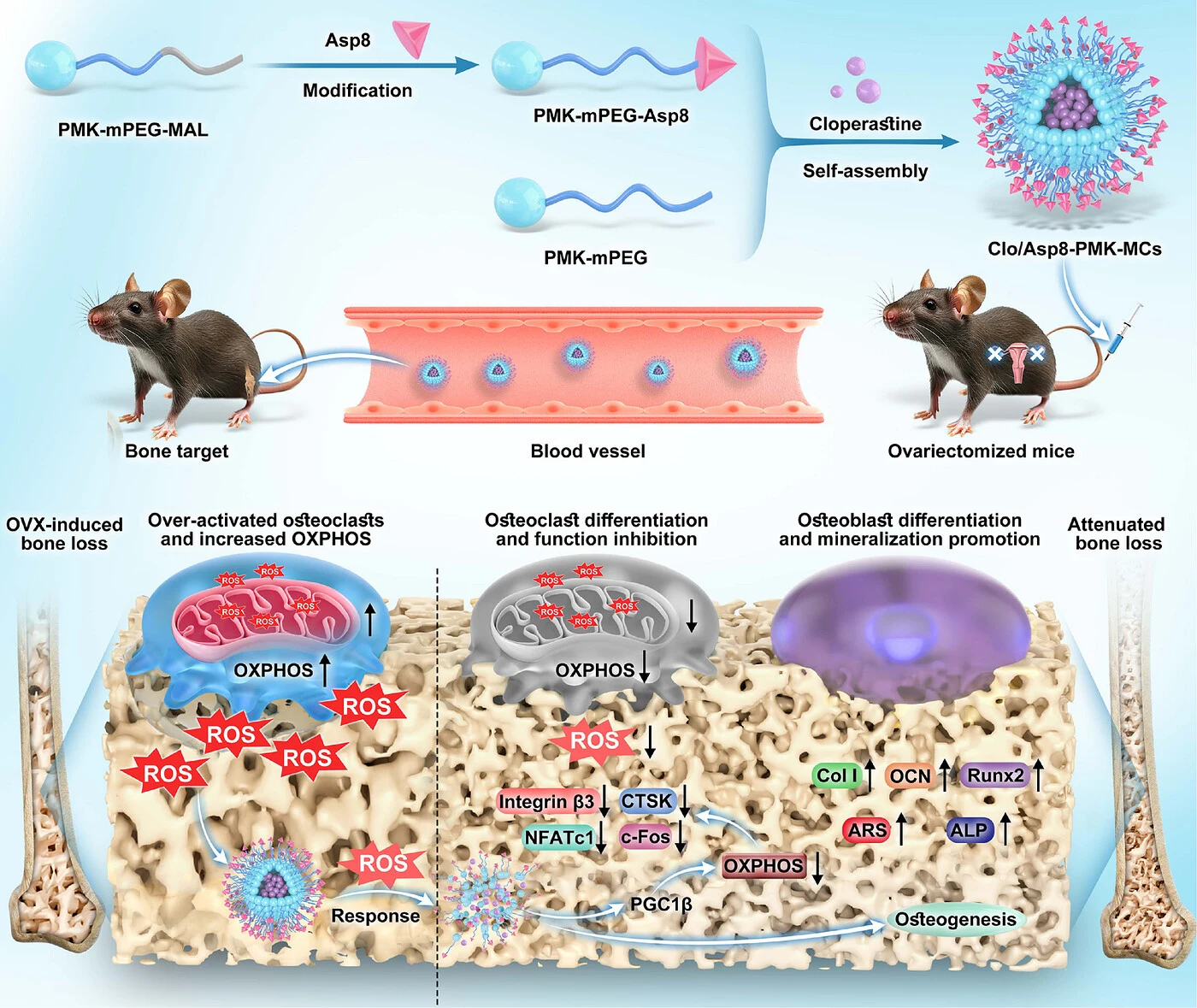
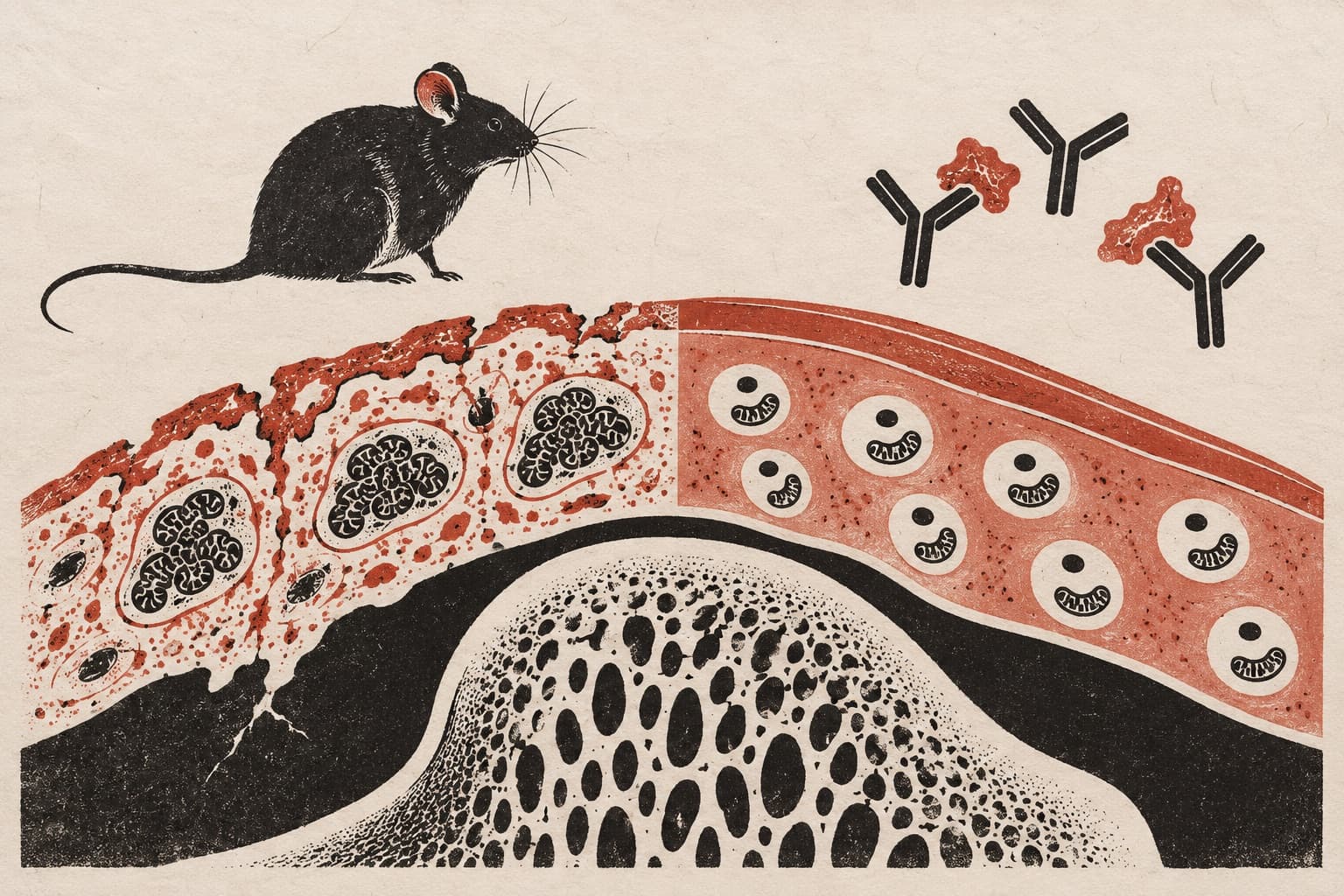
In mice whose ovaries had been removed, researchers tested tiny particles carrying the drug cloperastine in an animal experiment modelling bone loss caused by oestrogen deficiency. They designed the particles for delivery to bone and faster drug release when exposed to reactive oxygen molecules. The particles reduced bone loss and preserved the structure of spongy bone. They also reduced measures of bone breakdown and enhanced bone formation.
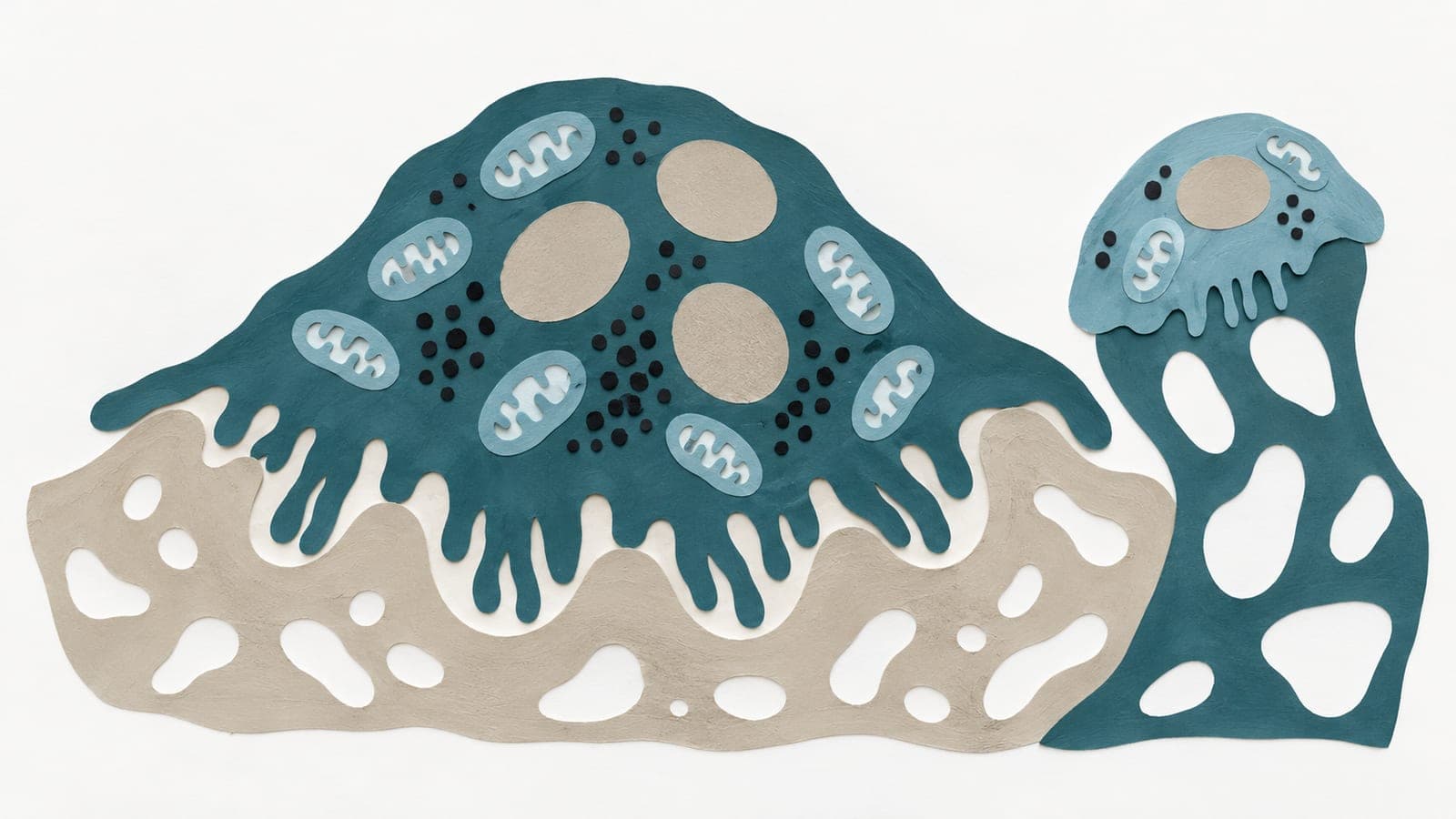
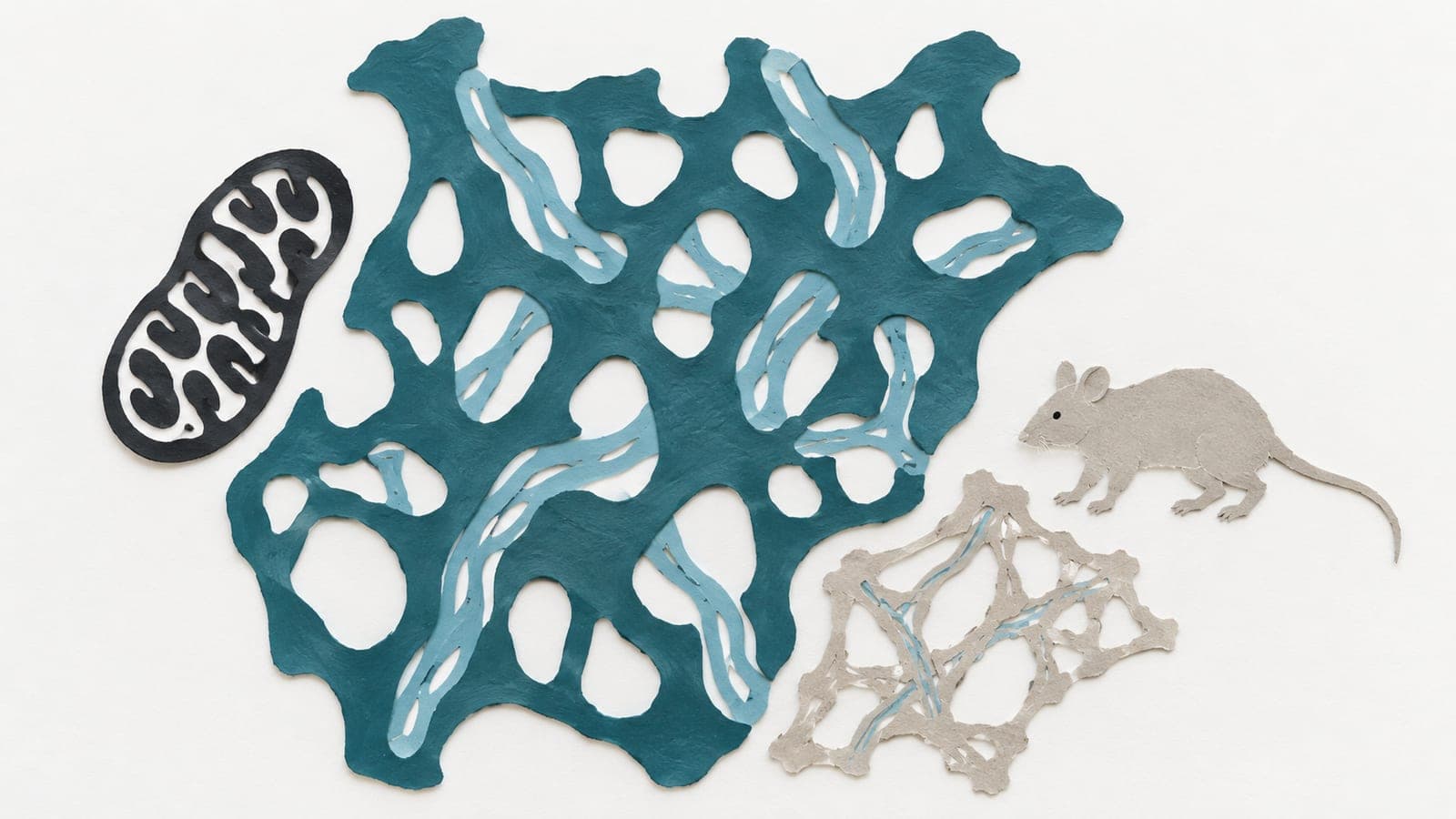
In cells grown in the lab, cloperastine reduced oxygen use by mitochondria, the structures that supply cells with energy. It impaired the development of osteoclasts, cells that break down bone, and reduced bone breakdown. The carrier material also promoted the development of bone-building cells and the deposition of minerals in the lab.
Why it matters
Postmenopausal osteoporosis involves excessive bone breakdown. Targeting how bone-breaking cells obtain energy may offer an approach to this age-related disease.
Caveats
The findings came from a surgical model of bone loss in mice and experiments in cells grown in the lab, not from people with osteoporosis.
- Cloperastine
- Asp8-pmk-mcs
- Mitochondrial fission and fusion
- Oxidative phosphorylation
- Postmenopausal osteoporosis
- Mice
The paper
Wenzhou Medical University; The University of Western Australia
Advanced Science, 11 Oct 2026