Targeting Sirtuin Signaling in Parkinson's Disease and Neurodegeneration: Molecular Insights and Translational Potential
Abstract
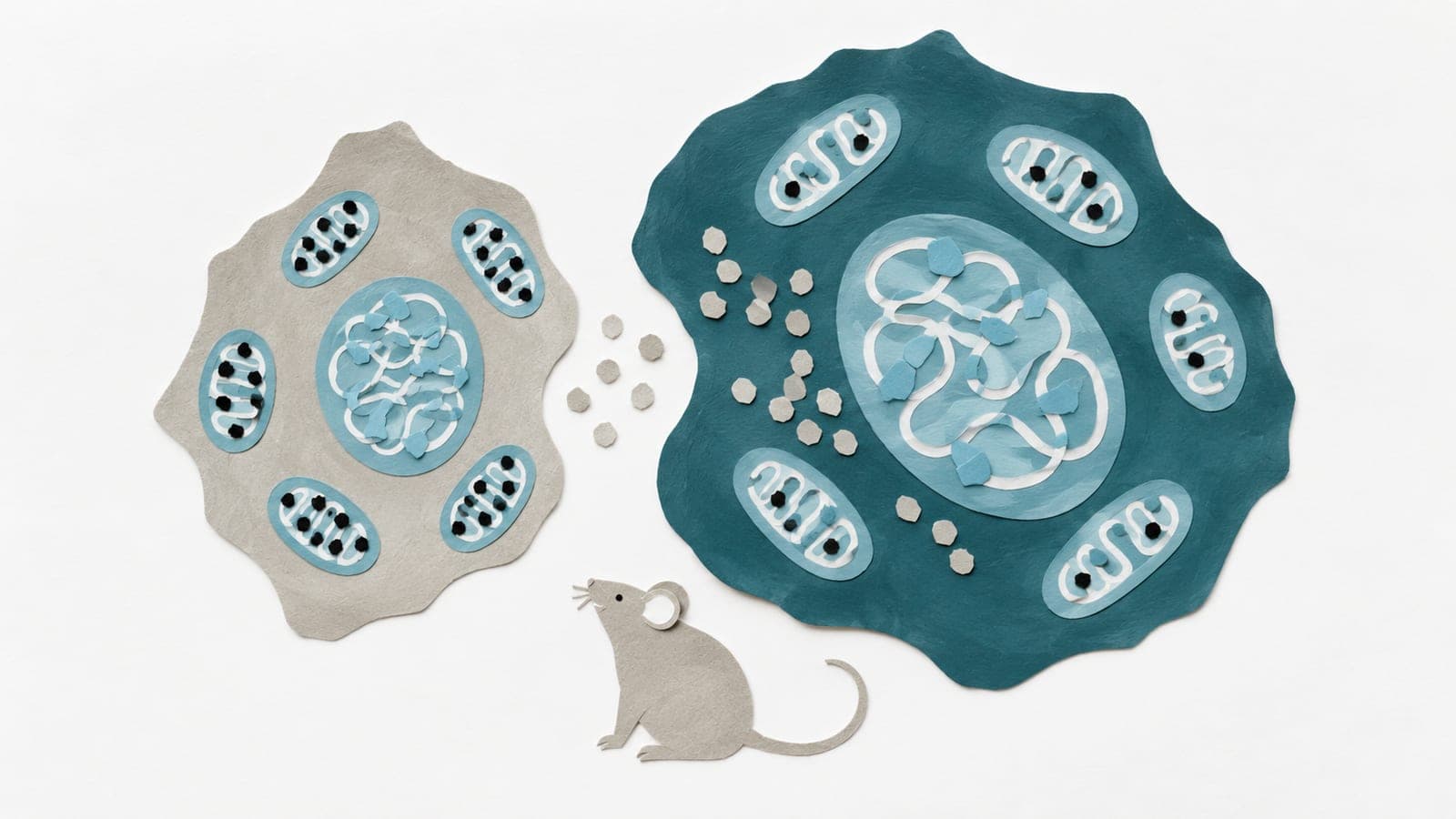
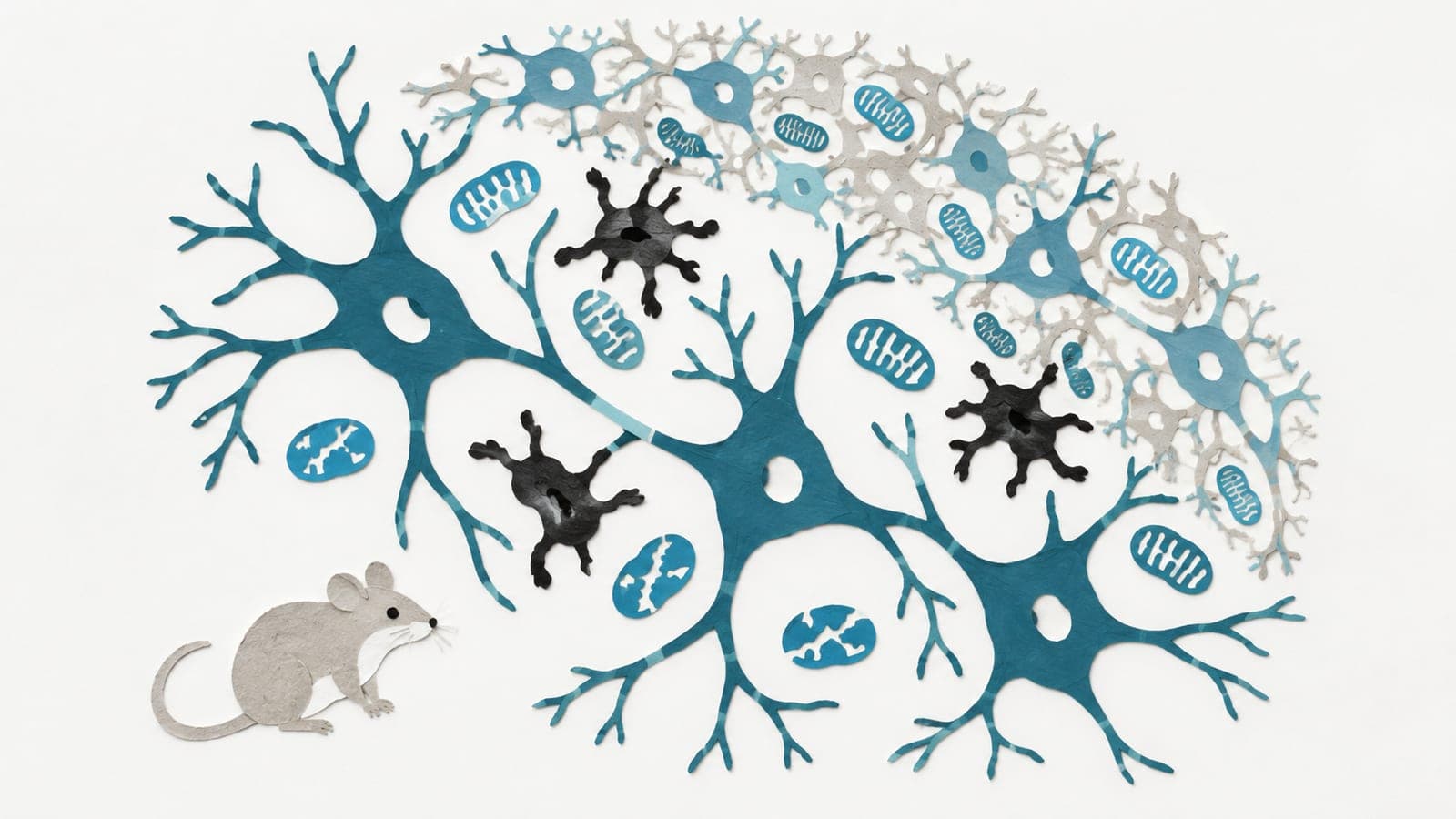
Neurodegenerative diseases are characterized by progressive neuronal loss driven by protein aggregation, mitochondrial dysfunction, oxidative stress, and neuroinflammation. Among these, Parkinson's disease (PD) is a prevalent disorder marked by degeneration of dopaminergic neurons in the substantia nigra and the accumulation of α-synuclein aggregates. Emerging evidence indicates that mitochondrial dysfunction and metabolic dysregulation are central contributors to PD pathogenesis. Sirtuins (SIRT1-SIRT7), a family of nicotinamide adenine dinucleotide (NAD+)-dependent deacetylases, have emerged as key regulators of neuronal survival and metabolic homeostasis. Mechanistically, SIRT1 regulates α-synuclein aggregation, autophagy, and neuroinflammatory signaling, while SIRT3 preserves mitochondrial integrity and reduces oxidative stress. In contrast, SIRT2 has been implicated in microtubule destabilization and neurotoxicity, and its inhibition has demonstrated neuroprotective effects in experimental models. This review provides a comprehensive, up-to-date synthesis of the molecular mechanisms underlying sirtuin-mediated neuroprotection in PD and related neurodegenerative disorders. We further discuss the translational potential of targeting sirtuin pathways, including pharmacological modulators and NAD+-boosting strategies, while addressing current limitations and future directions for clinical translation.
The paper
NIMS University; Birla Institute of Technology and Science, Pilani
Molecular Neurobiology, 1 Jan 2026