Protein deficiency impaired memory in aging mice
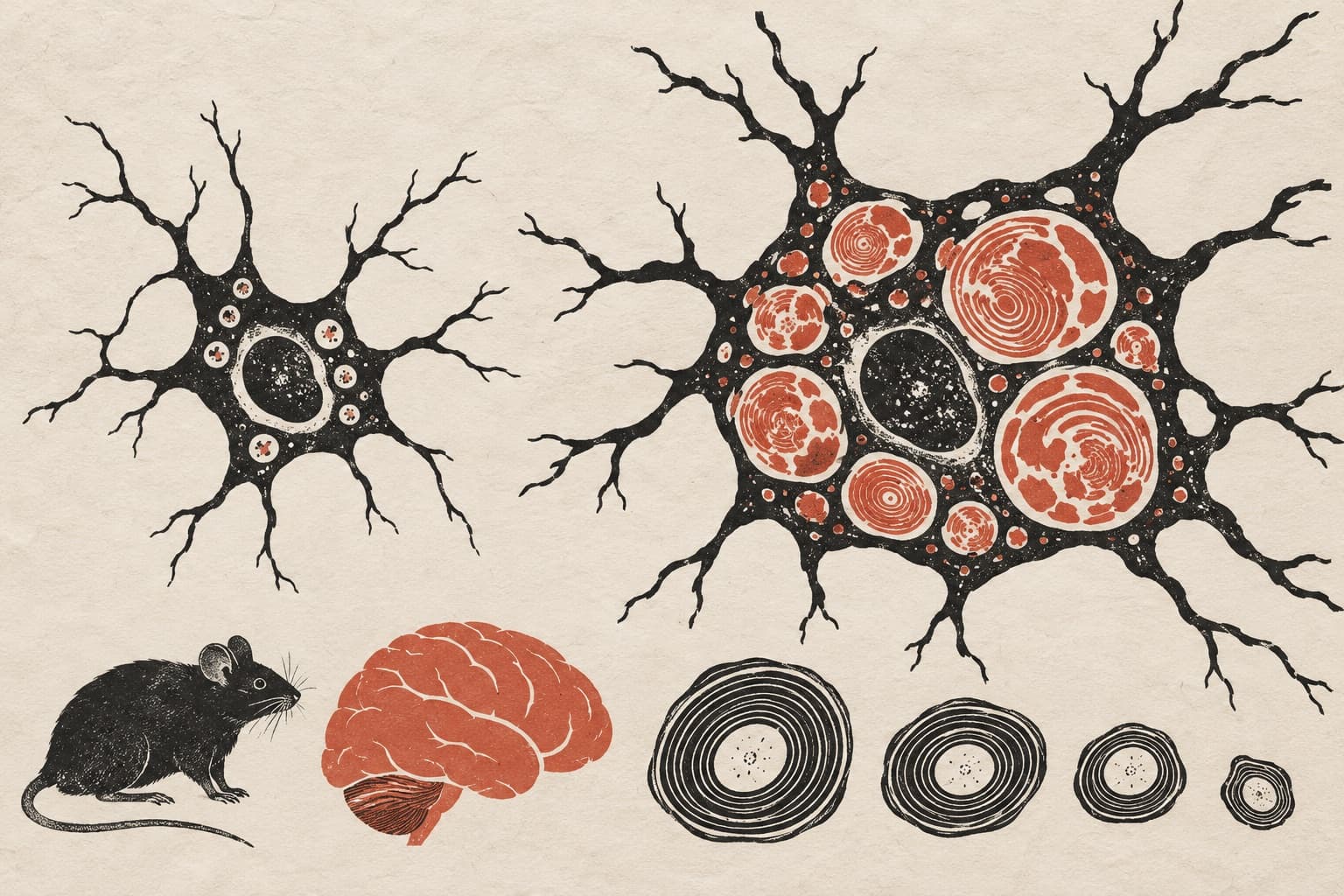
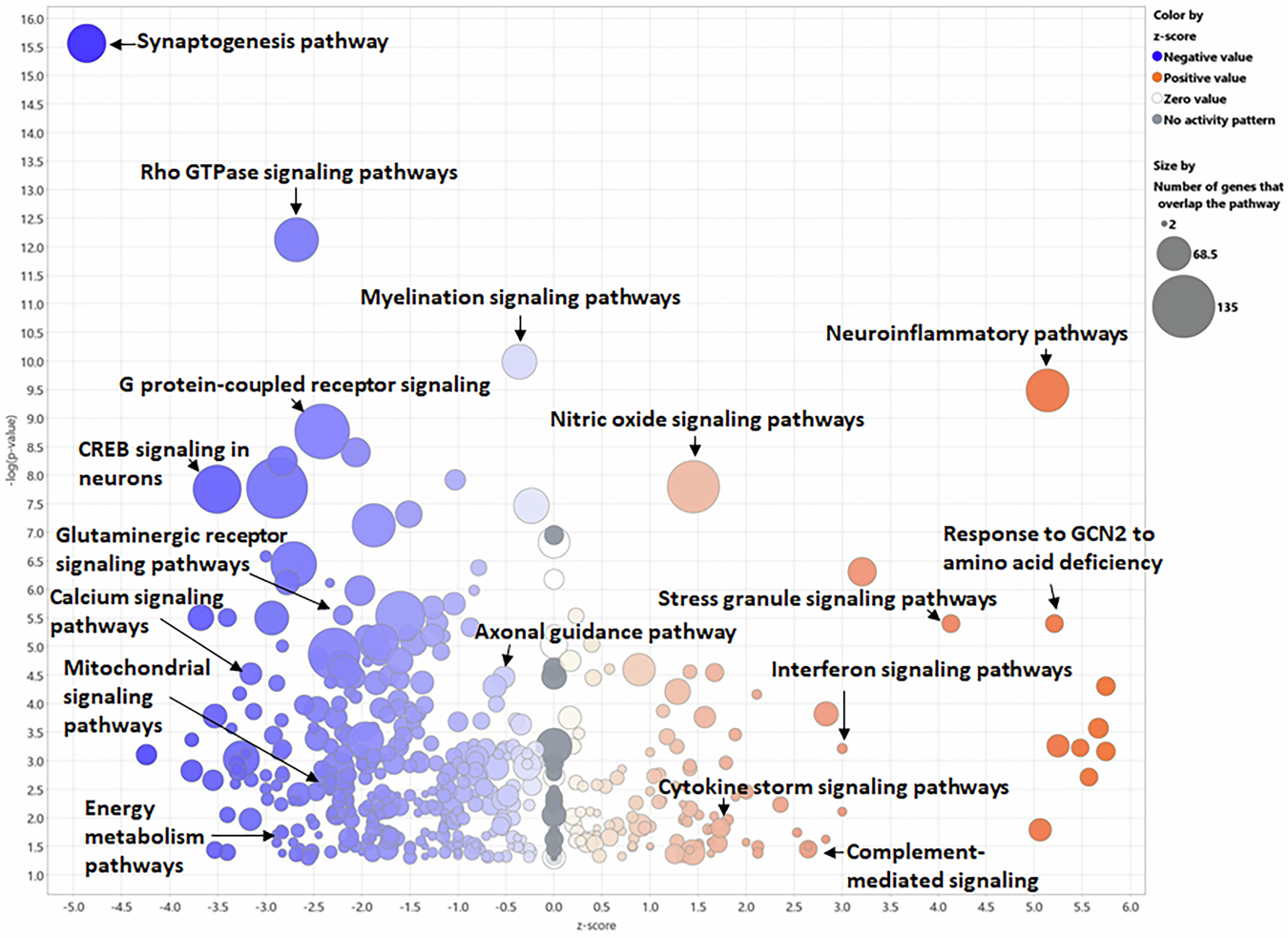
Experiments in 15-month-old mice with reduced Nipsnap1, a protein involved in cell maintenance, found reduced gene activity linked to nerve-cell signalling and increased activity linked to inflammation.
NPJ Aging
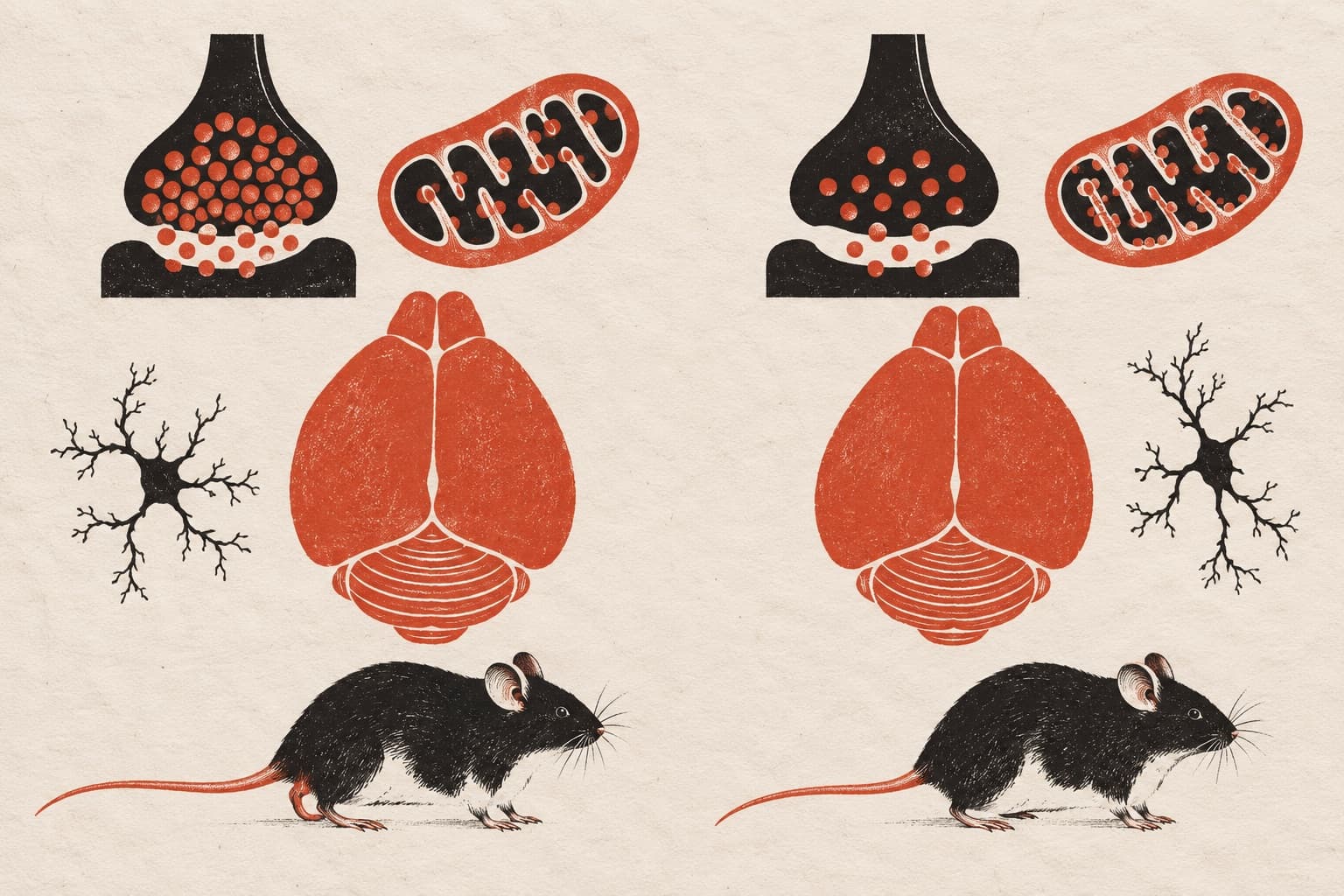
In an experiment in aged mice, researchers examined the effects of reduced Nipsnap1, a protein in mitochondria, the cell structures that supply energy. They measured gene activity in two brain regions of 15-month-old mice and assessed brain tissue, mitochondrial function, behaviour and metabolism.
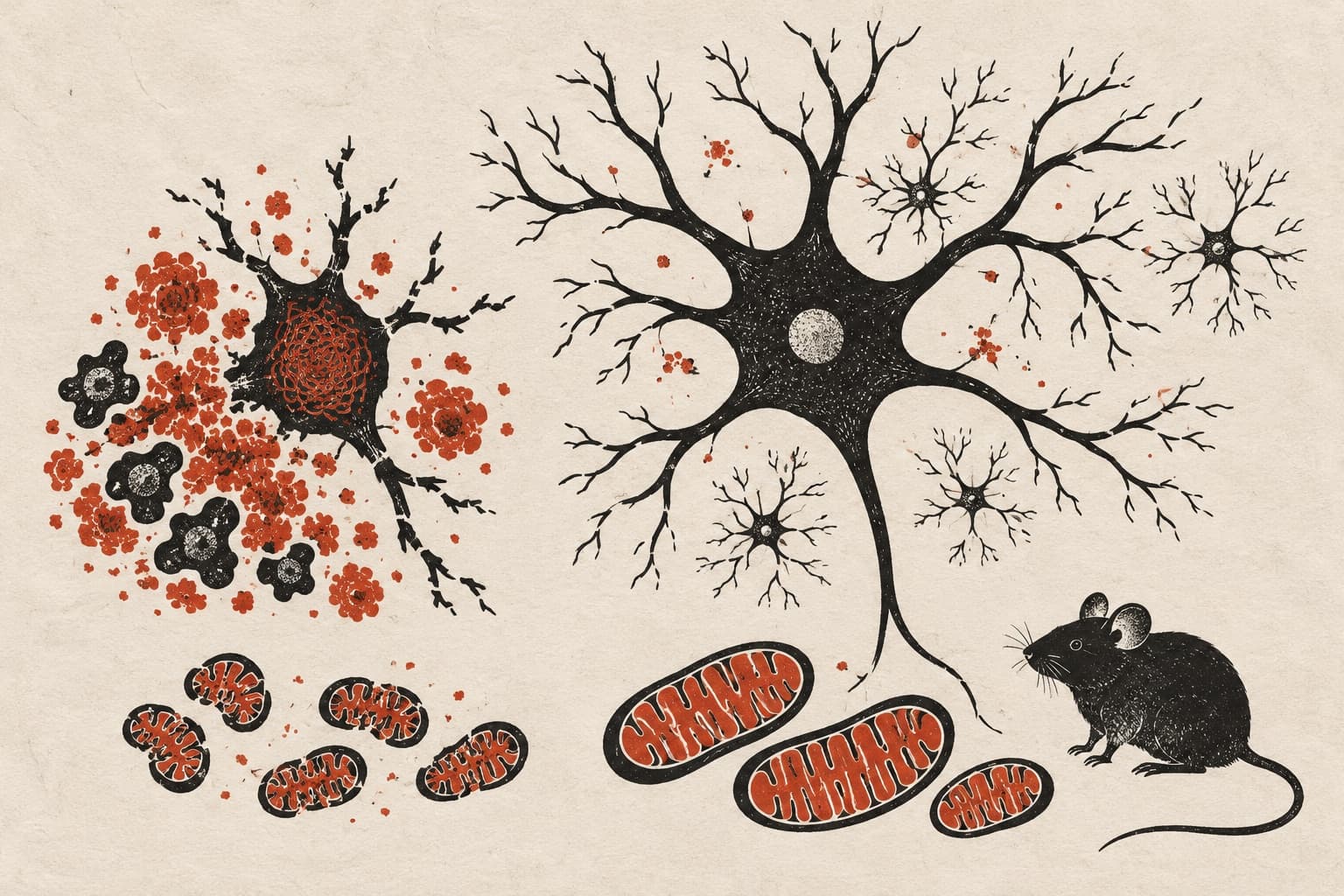
Gene activity linked to nerve cells and their connections fell, while activity linked to inflammation and immune responses rose. Brain tissue showed lower nerve-cell density and increased activation of microglia, the brain’s immune cells. Isolated brain mitochondria produced more reactive oxygen molecules and showed signs of dysfunction. Behavioural tests found impairments in short-term memory for locations and in recognising familiar things. Several brain abnormalities and behavioural changes were more pronounced in females.
Why it matters
Mitochondrial maintenance helps nerve cells function during aging. The study addresses how this maintenance relates to brain immune activity and the preservation of brain function in later life.
Caveats
The study examined a persistent protein deficiency, so it could not separate effects during aging from those arising earlier in life. The findings came from mice, not people.
The paper
Oakland University
NPJ Aging · 6 Oct 2026 · CC BY-NC-ND