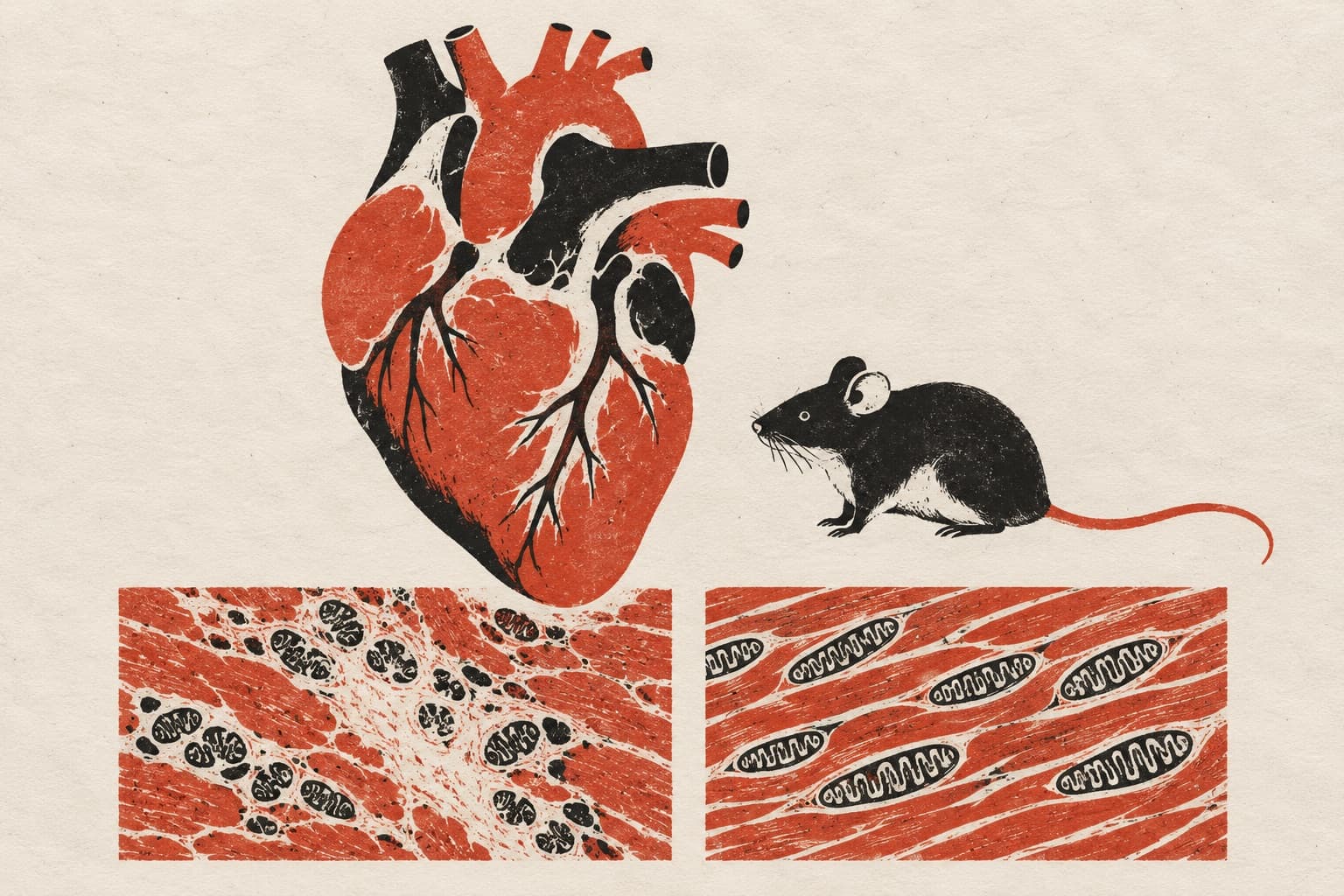
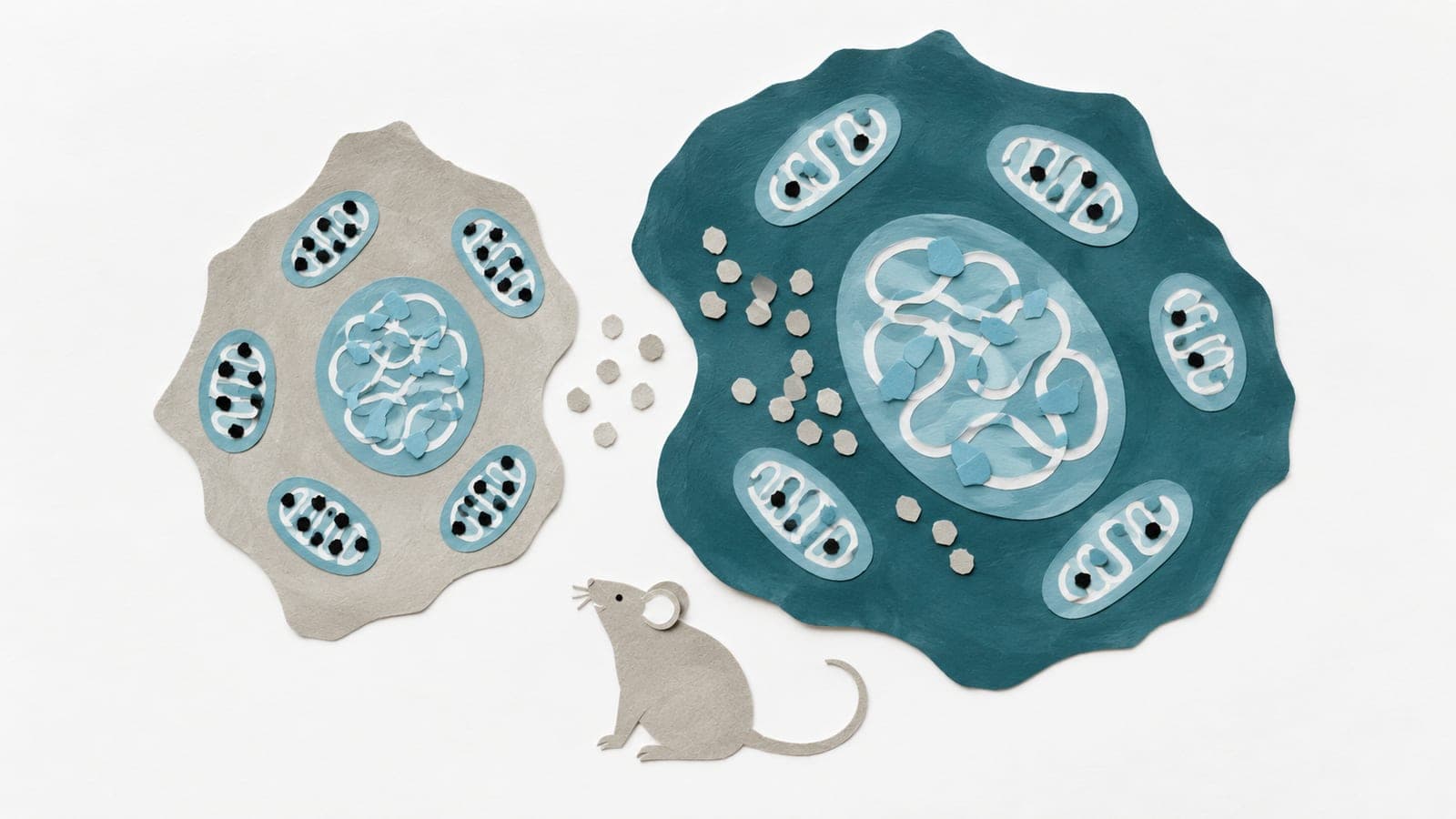
SIRT1-Mediated Mitochondrial Homeostasis in Cardiac Aging: Molecular Mechanisms and Therapeutic Implications
Abstract
Cardiovascular disease (CVD) remains the leading cause of global mortality and disability. As an inevitable risk factor, cardiac aging significantly exacerbates the incidence and progression of age-related cardiovascular pathologies, including coronary artery disease, cardiomyopathies, and heart failure in the elderly population. Mitochondria function as central organelles in cardiac energy metabolism. Dysregulation of functional homeostasis, characterized by impaired quality control mechanisms, such as diminished energy production efficiency and exacerbated oxidative stress, is a primary driver of the cardiac aging process. Accumulating evidence in recent years indicates that sirtuin 1 (SIRT1) plays a crucial role in regulating cardiac aging. A range of therapeutic agents, including natural compounds and synthetic molecules, ameliorate cardiac aging and related pathologies by activating SIRT1 to modulate mitochondrial function. This review systematically summarizes the emerging roles of SIRT1 in cardiac aging, with a focus on the molecular mechanisms through which SIRT1 governs mitochondrial homeostasis. We also highlight recent advances in SIRT1-targeted therapeutic strategies, thereby providing a theoretical basis and translational perspectives for preventing and treating cardiac aging-related diseases.
- SIRT1
- Cellular homeostasis
- Oxidative phosphorylation
- Oxidative stress and ROS signalling
- Sirtuin signalling
- Mitochondrion
The paper
Changchun University of Chinese Medicine
Aging and Disease, 19 Oct 2025