Activating Sirt1 reduces aortic valve calcification in mice and human cells
The sirtuin protects valves by activating the Nrf2 pathway, preserving mitochondrial function, and preventing iron-driven ferroptosis.
International Journal of Molecular Medicine
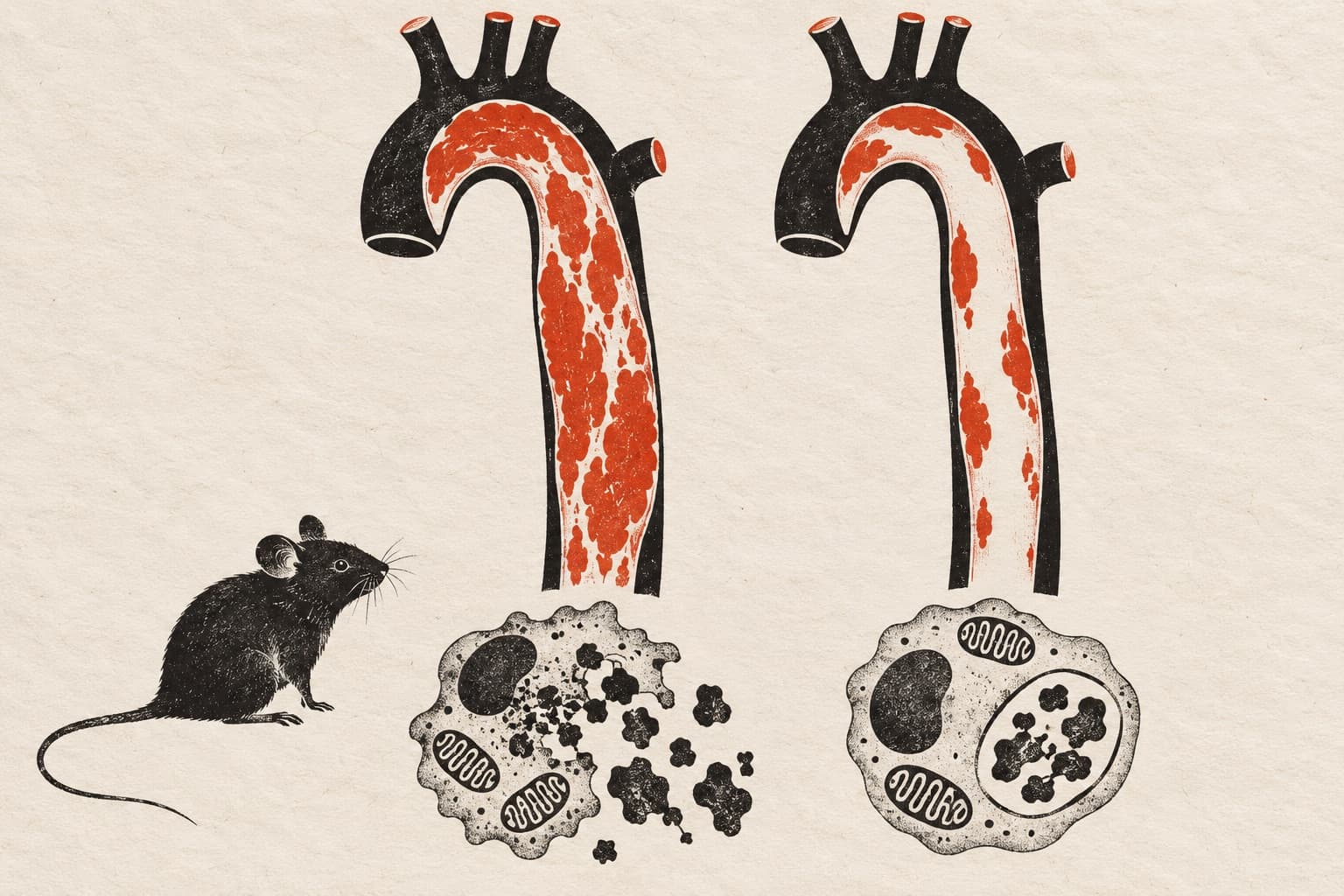
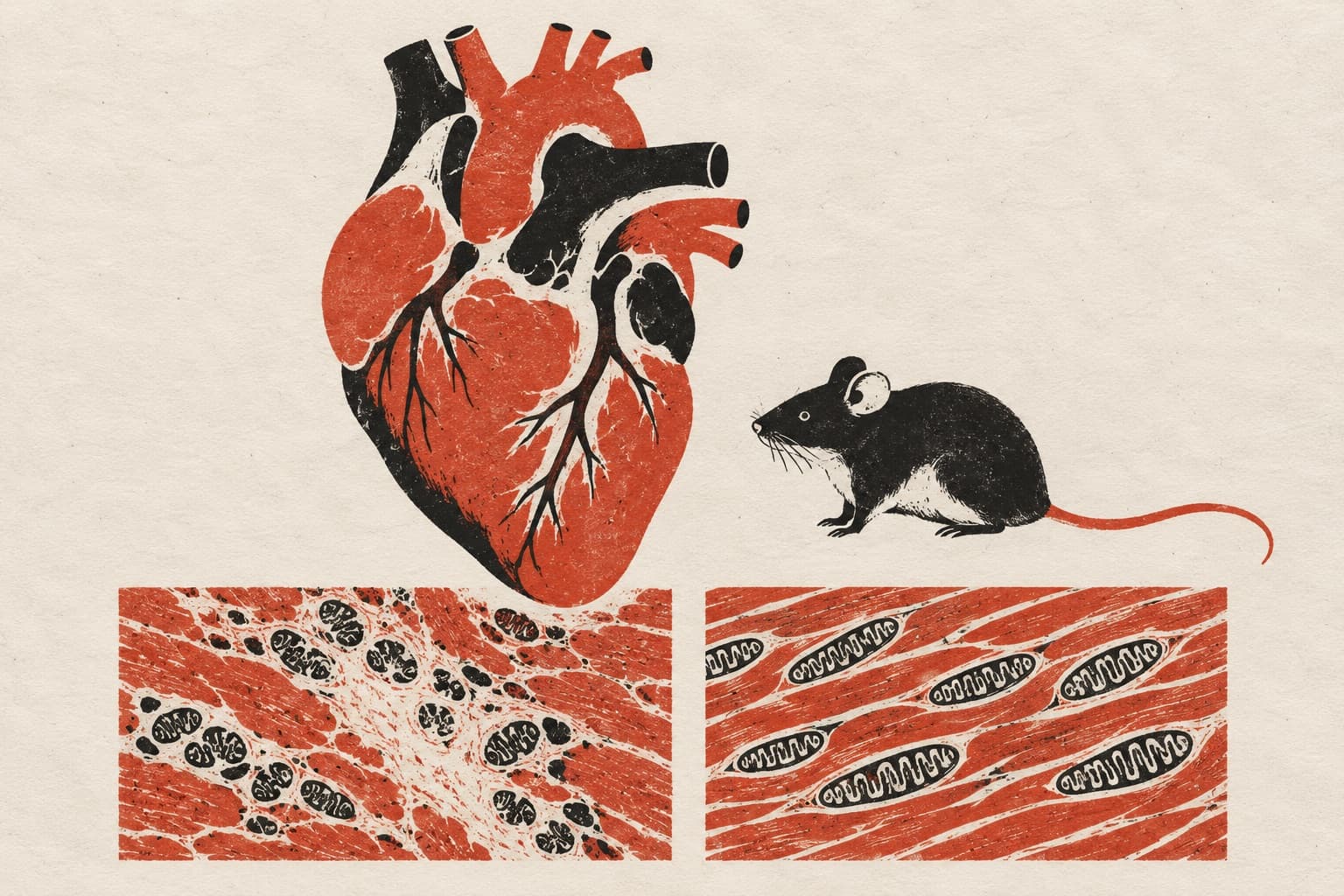
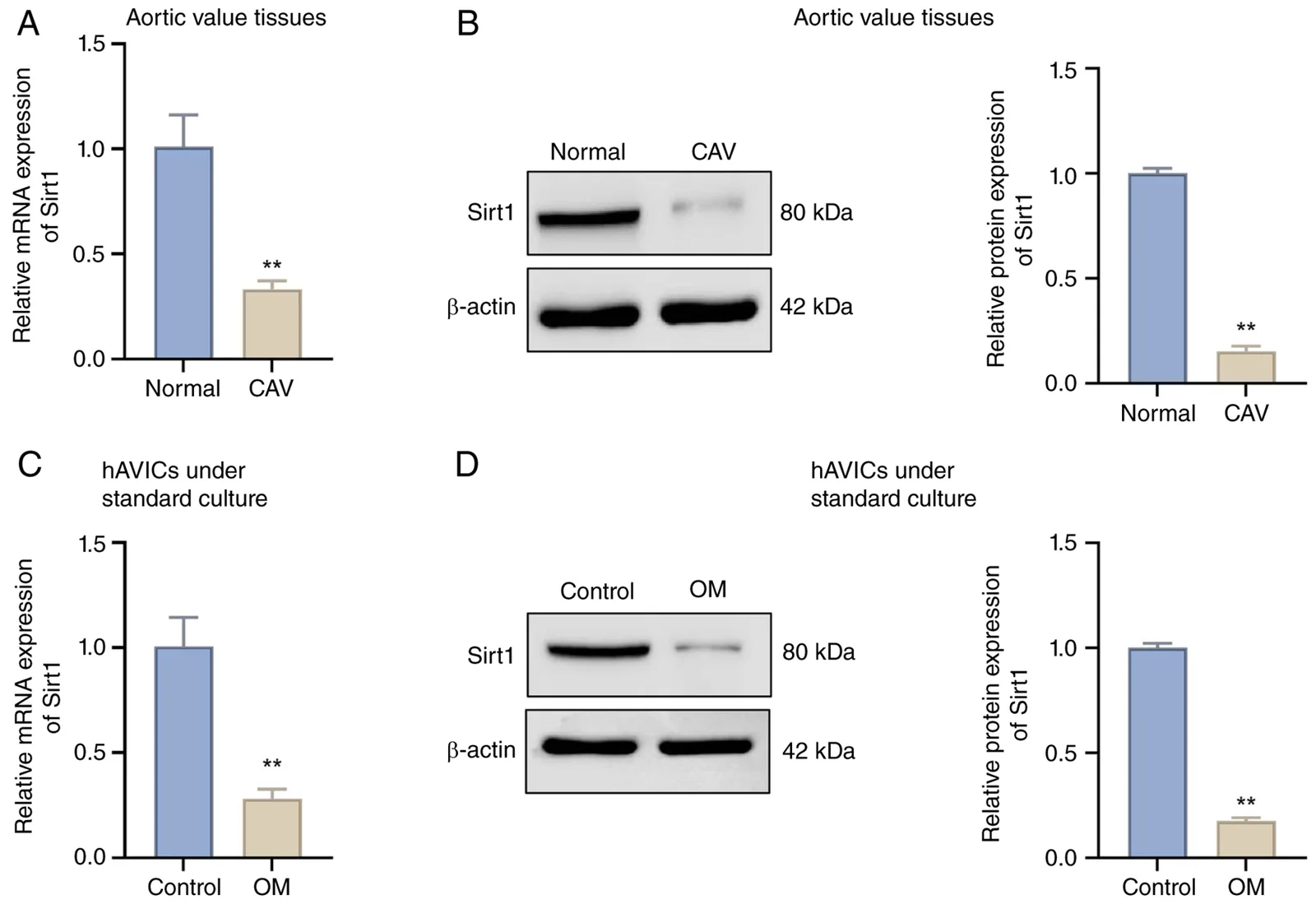
In human aortic valves and apolipoprotein E-deficient mice, researchers examined how Sirtuin 1 affects calcific aortic valve disease. The team observed that Sirt1 levels dropped in calcified human valves and cultured human aortic valve interstitial cells. Overexpressing Sirt1 in these human cells restored mitochondrial function, reduced iron accumulation, and blocked osteogenic differentiation by suppressing ferroptosis. These benefits depended on activating the Nrf2/HO-1/FTH1 signaling pathway. Blocking Nrf2 or inducing ferroptosis eliminated the protective effects. In mice fed a Western diet, the Sirt1 activator SRT2104 reduced aortic valve calcification and tissue remodeling. Silencing HO-1 or FTH1 partially reversed these improvements in the mice. Together, the findings show that Sirt1 maintains iron homeostasis and mitochondrial health to limit valve calcification.
Why it matters
Calcific aortic valve disease is a common age-related condition that currently lacks effective pharmacological therapies. Identifying how Sirt1 regulates iron homeostasis and ferroptosis highlights potential molecular targets to preserve cardiovascular health during aging.
Caveats
The in vivo therapeutic benefits were established exclusively in mice, meaning outcomes may not fully translate to human patients. In addition, the cellular mechanisms rely partly on artificial overexpression and chemical inhibitors in vitro.
The paper
Hainan Medical University · Engineering Research Center for Hainan Biological Sample Resources of Major Diseases
International Journal of Molecular Medicine · 25 Sep 2026 · CC BY-NC-ND