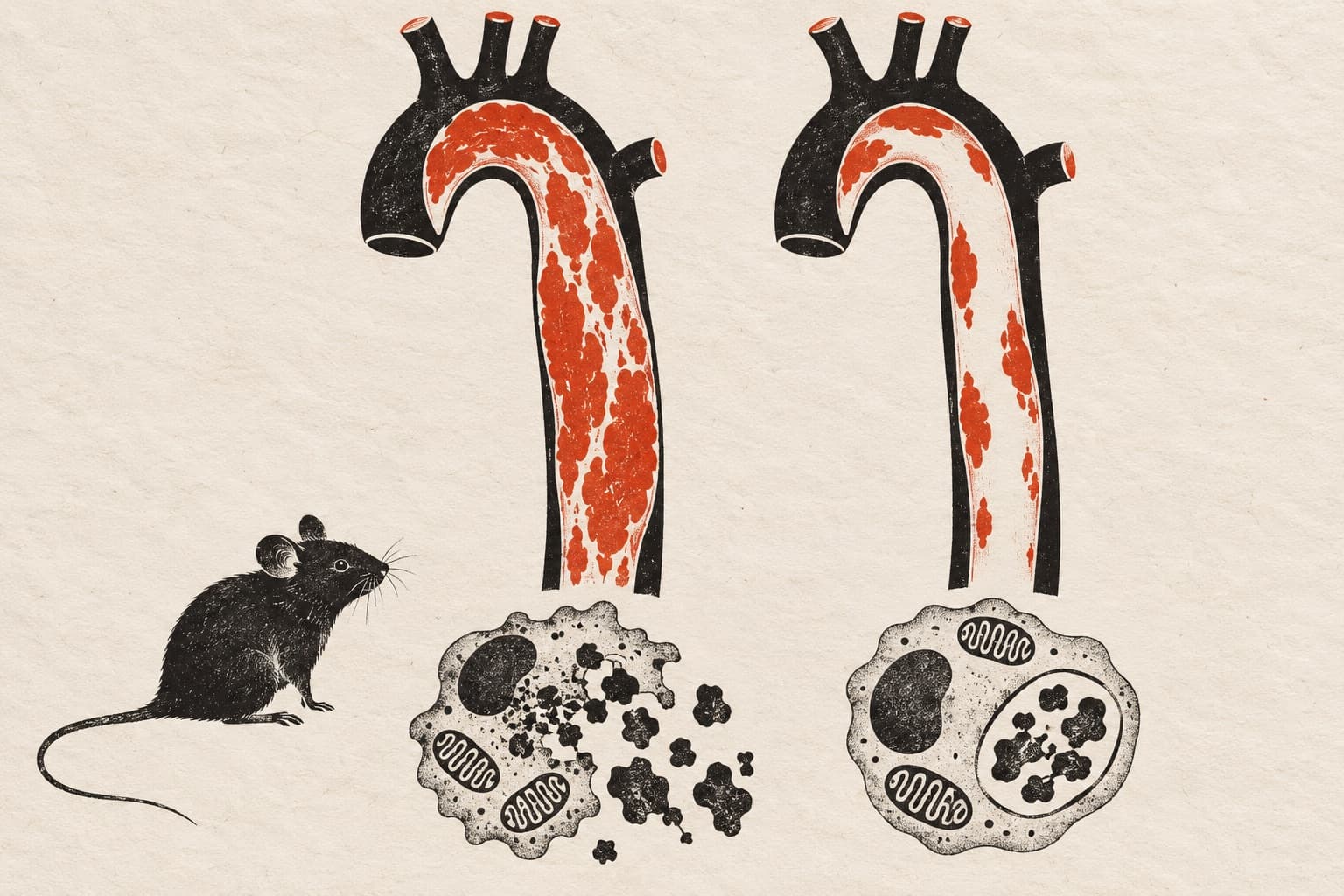
Toxicological profiling of polystyrene microplastics in raw 264.7 macrophages: Linking microplastic exposure to immune cell impairment
Abstract
The pervasive presence of microplastics (MPs), particularly polystyrene microplastics (PSMPs), has raised urgent concerns regarding their effects on human health. This study investigates the toxicological effects of spherical PSMPs (<0.50 µm) on Raw 264.7 murine macrophages, critical immune cells that actively internalize foreign materials. At exposure concentrations ranging from 50 to 500 µg/mL, PSMPs were rapidly internalized within 2 h, with accumulation increasing over time. Notably, high-dose exposure (500 µg/mL) resulted in significant mitochondrial membrane damage, lysosomal dysfunction, elevated reactive oxygen species (ROS) levels, and lipid peroxidation. These cellular stress responses were accompanied by increased levels of LDH and SOD, as well as the induction of apoptosis and cellular senescence. The findings show that PSMPs disrupt mitochondrial function and contribute to senescence responses, ultimately compromising immune cell viability and function. This study provides new insight into the intracellular fate and toxicity of environmentally relevant PSMPs and emphasizes the need for urgent evaluation of plastic pollution's impact on human health.
- Polystyrene microplastics
- Apoptosis
- Clathrin-mediated endocytosis
- Cellular senescence
- Lactate dehydrogenase
- Mice
The paper
Vellore Institute of Technology University
Toxicology, 22 Jul 2025