Rapamycin improves efferocytosis and reduces plaques in mice
In ApoE-/- mice, rapamycin reduced aortic lipid-positive area from 25.32 ± 0.98% to 12.28 ± 1.49% and increased plaque efferocytosis index from 0.36 ± 0.02 to 1.37 ± 0.15.
International Immunopharmacology
In ApoE-/- mice fed a high-fat diet for 12 weeks, treatment with rapamycin (1 mg/kg twice weekly for 4 weeks) reduced whole-aorta lipid-positive area from 25.32 ± 0.98% to 12.28 ± 1.49% compared to vehicle. Rapamycin also increased the plaque efferocytosis index from 0.36 ± 0.02 to 1.37 ± 0.15.
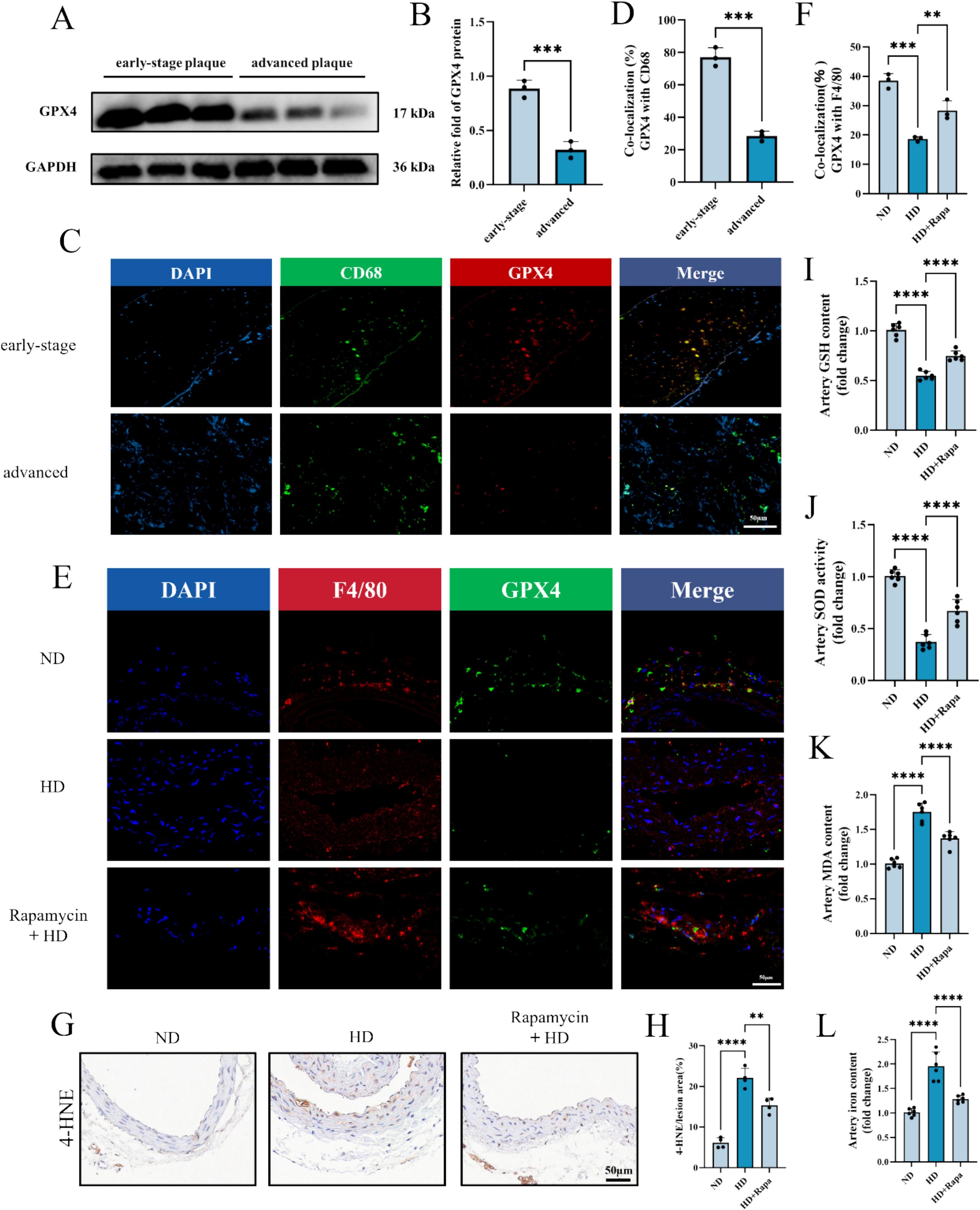
In cultured human THP-1-derived macrophages, the ferroptosis inducer FIN-56 increased lipid peroxidation and mitochondrial reactive oxygen species, reduced GPX4 expression, decreased mitochondrial membrane potential and ATP, and impaired efferocytosis. Adding rapamycin partially reversed these functional and molecular abnormalities. In pharmacological rescue experiments, Ferrostatin-1 partially restored macrophage efferocytosis, and MitoTEMPO lowered mitochondrial ROS while improving efferocytosis. The researchers also examined carotid atherosclerotic plaques from three human donors.
Why it matters
Impaired clearance of dying cells by macrophages promotes necrotic core expansion and plaque instability in vascular aging. These findings suggest that addressing ferroptosis-linked mitochondrial dysfunction with rapamycin may support macrophage efferocytosis and curb atherosclerotic burden.
Caveats
Most mechanistic observations were gathered in cultured cells, and the therapeutic benefits were tested in an animal model with only six mice allocated per group. In addition, the human validation relied on carotid plaques from just three donors.
The paper
Show 7 more authors
Jia Liang, Lin Duan, Chenming Si, Yang Liu, Chenqing Li, Dongxu Zhao, Tianxiao Li,International Immunopharmacology · 2 Oct 2026