High-fat diet effects persist in lab-grown rat liver structures
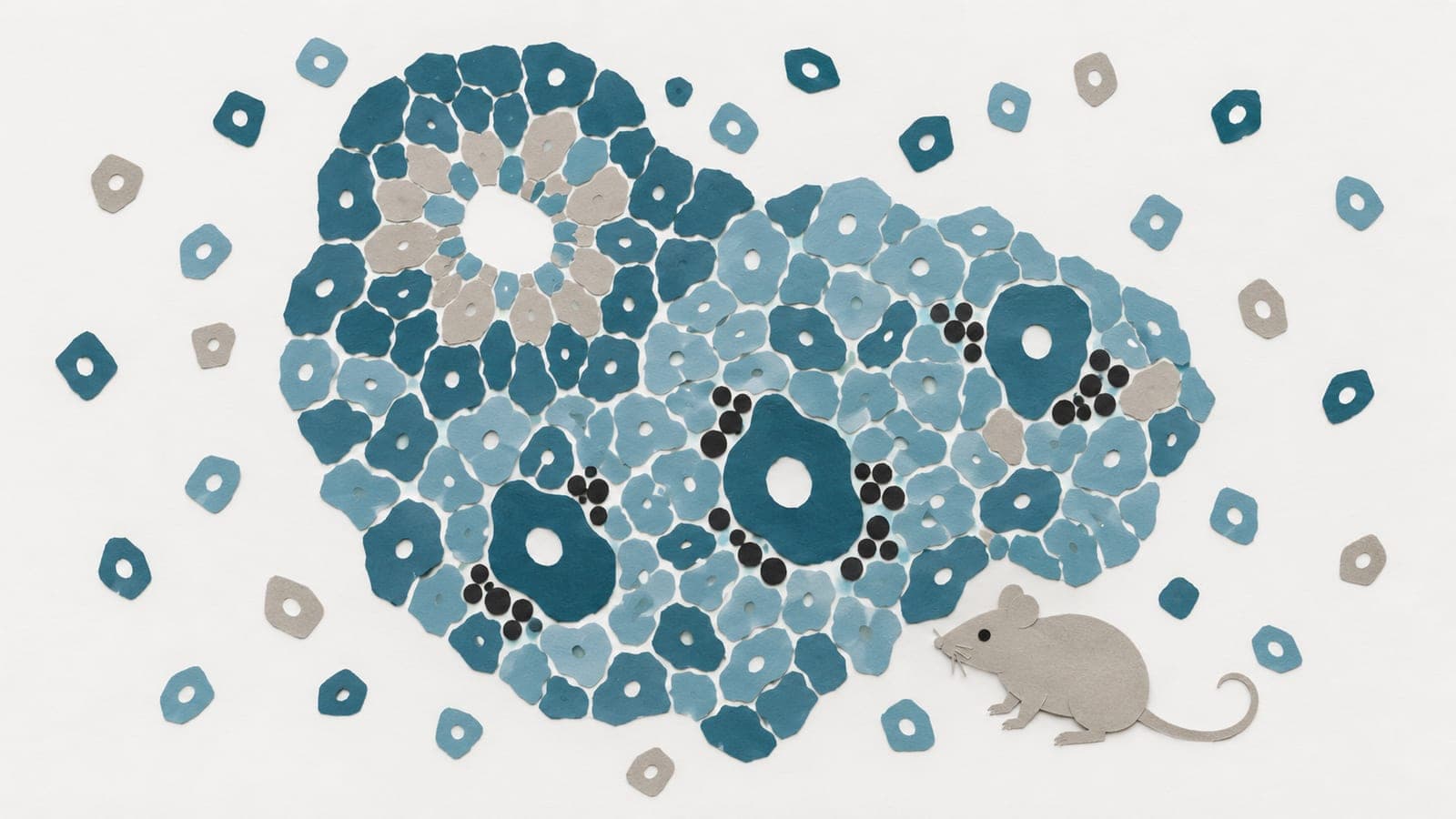
Experiments using liver structures grown from high-fat-fed male rats found persistent changes resembling senescence, a state in which cells stop dividing.
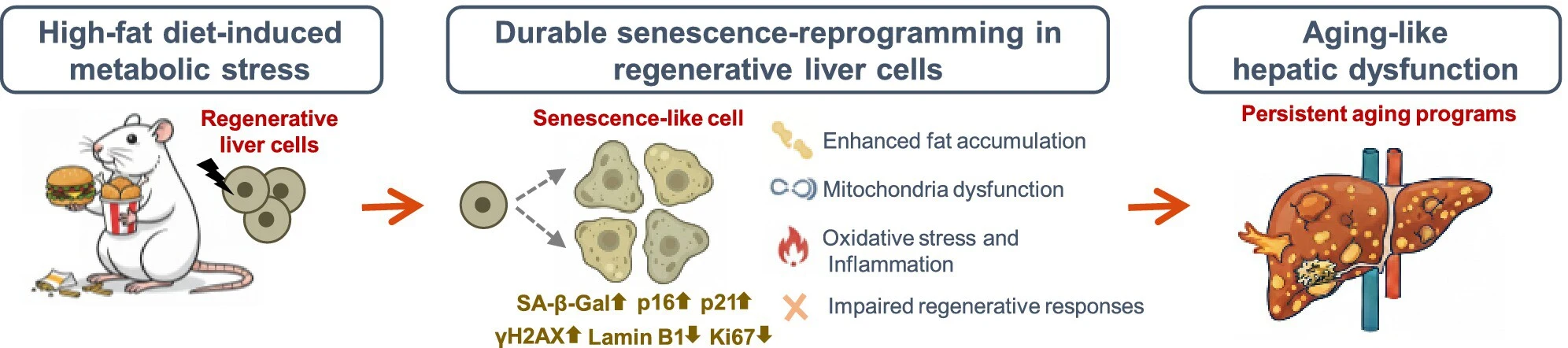
In experiments in male rats, researchers tested whether a high-fat diet left lasting changes in cells involved in liver regeneration. High-fat-fed rats developed liver fat accumulation, inflammation and changes associated with senescence. After chemically induced liver injury, they showed reduced cell division.
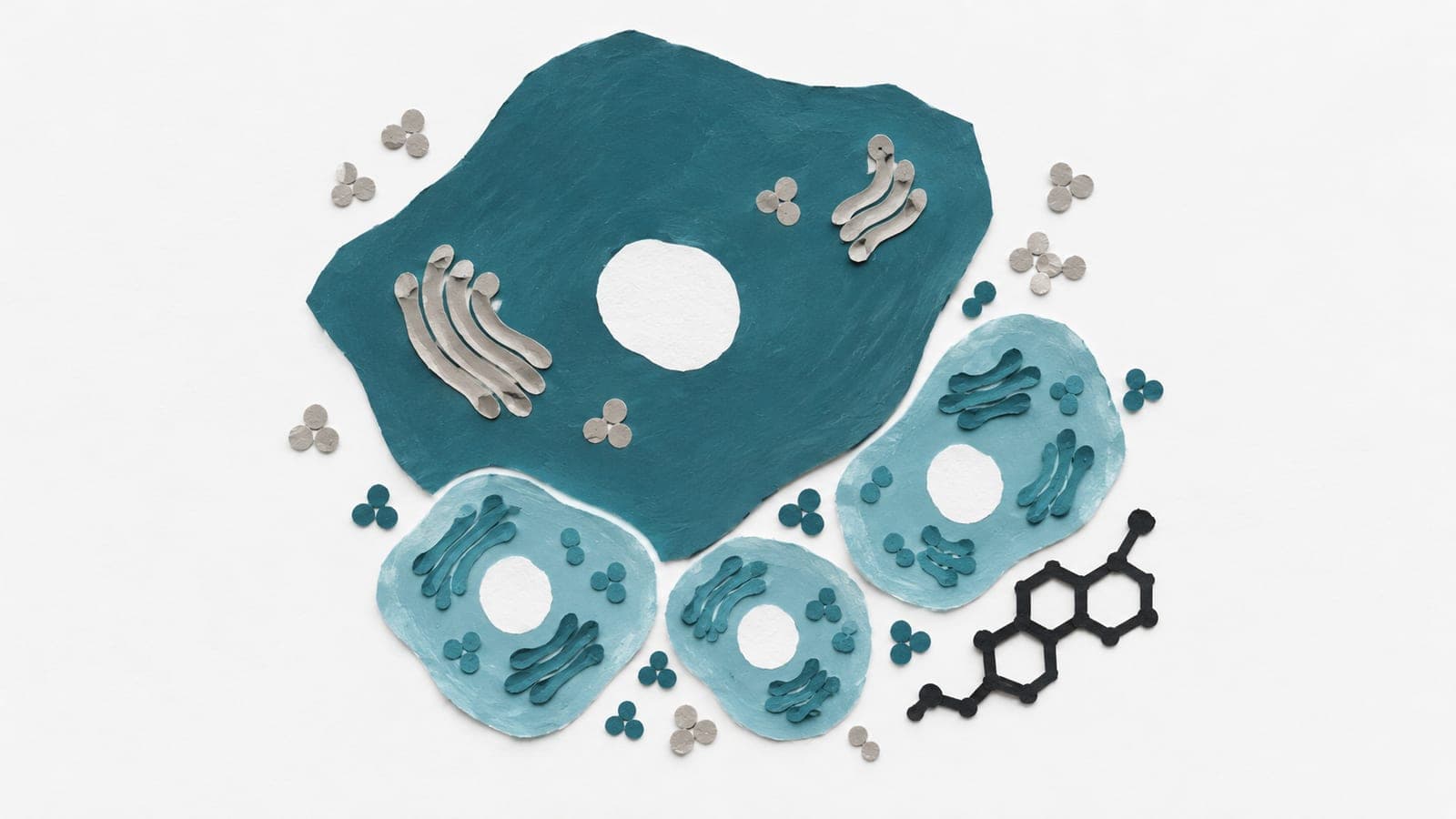
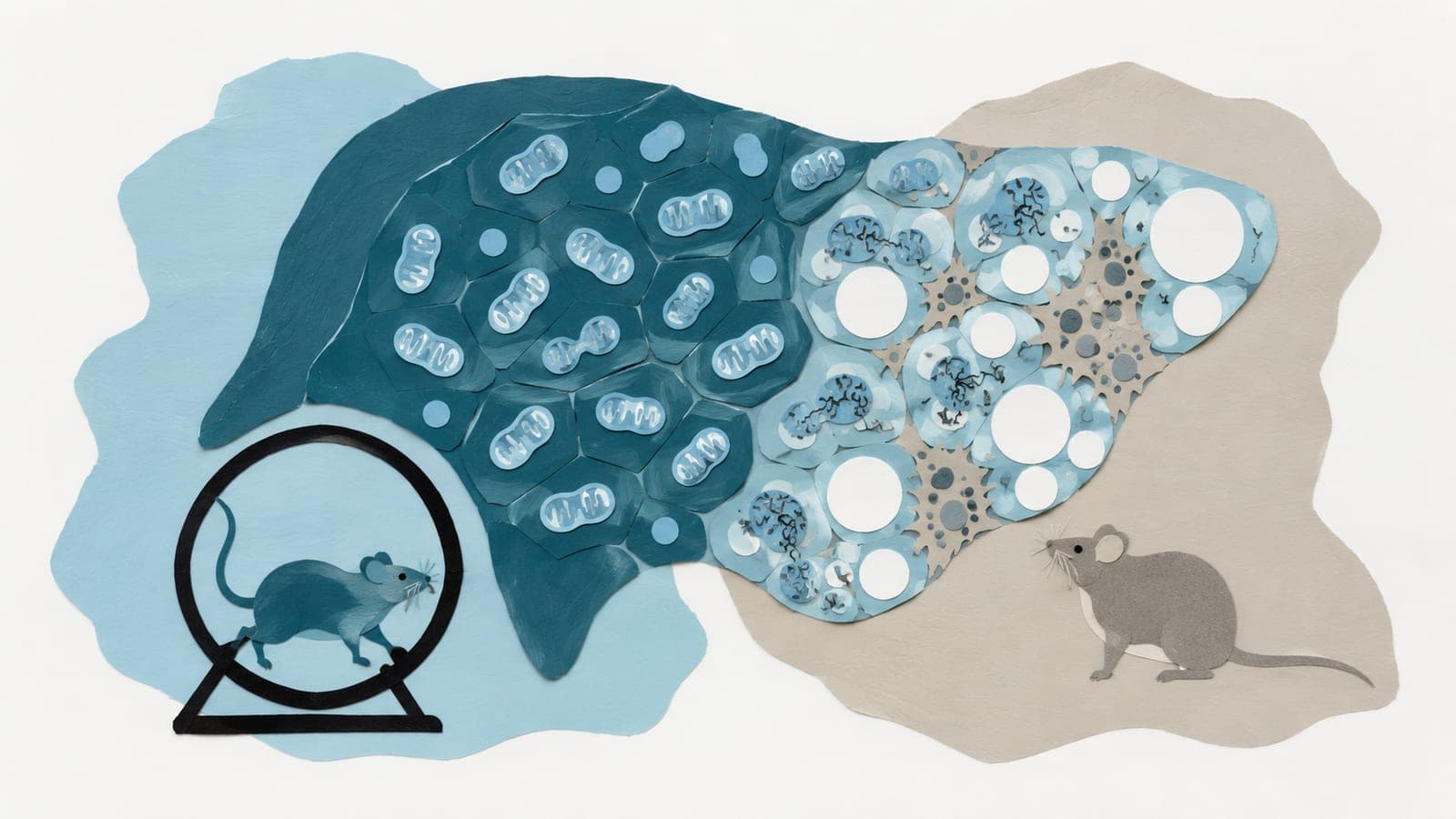
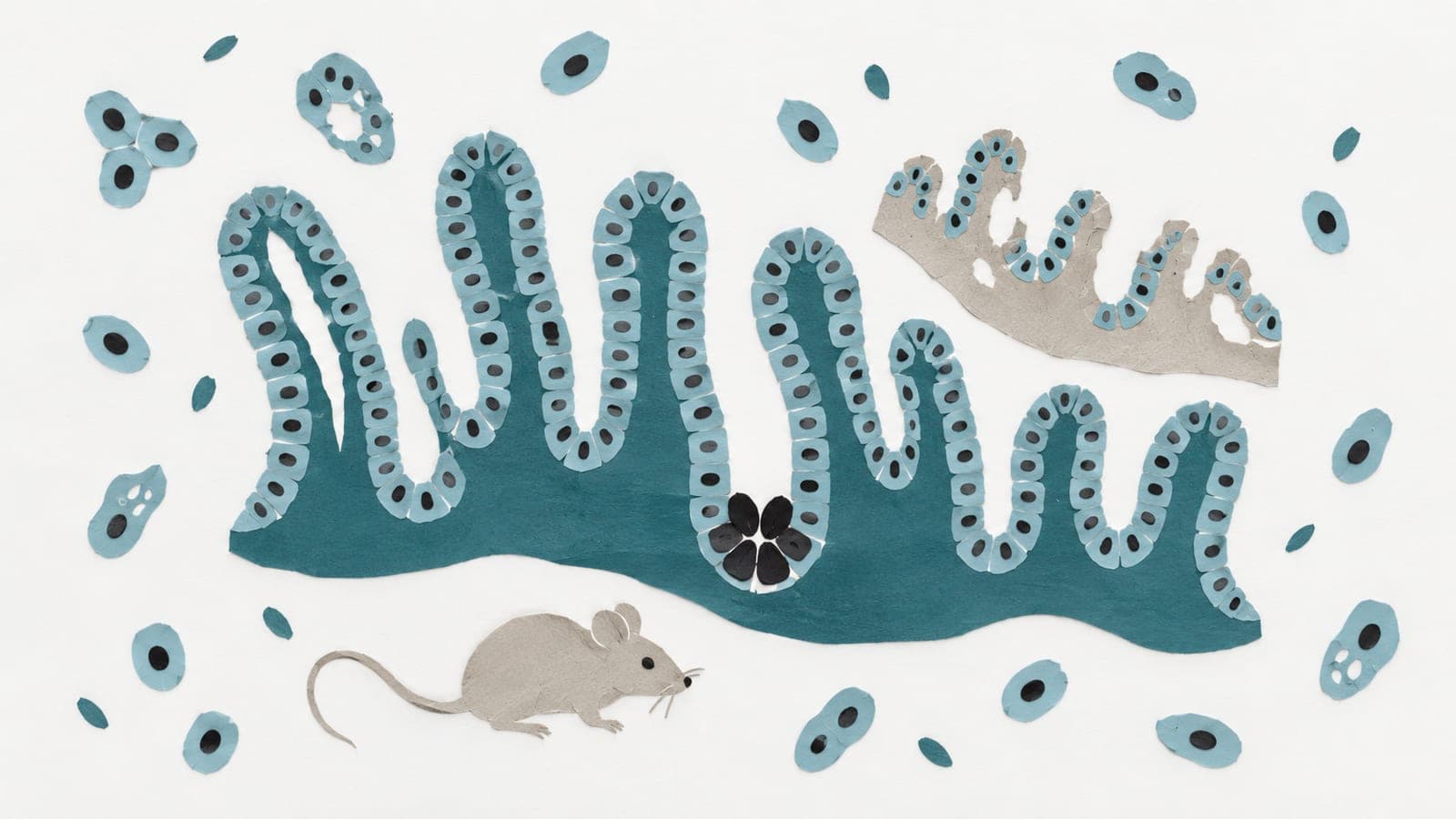
The team then grew liver organoids, three-dimensional cell structures, from high-fat-fed and control rats. Those from high-fat-fed rats formed less efficiently and had a reduced ability to keep growing through repeated transfers outside their original metabolic environment. Senescence-associated changes persisted through the third passage, a transfer to continue growth. These organoids also showed dysfunction in mitochondria, the cells’ energy-producing structures. MitoQ, an antioxidant that targets mitochondria, reduced the release of inflammatory substances and partly restored organoid formation.
Why it matters
Chronic metabolic stress is linked to aging-like tissue dysfunction. This work examined whether its consequences extend to the cells involved in liver maintenance and repair.
Caveats
Persistence outside the original metabolic environment was tested in lab-grown organoids, not intact animals. The study used male rats and did not establish whether the same changes occur in people.
The paper
Fujita Health University School of Medicine
Aging Cell, 1 Oct 2026