Tributyl phosphate caused signs of liver aging in rats
An experiment in rats linked the chemical’s effects to fumarate, a substance involved in metabolism, and DNA escaping from cells’ energy-producing structures.
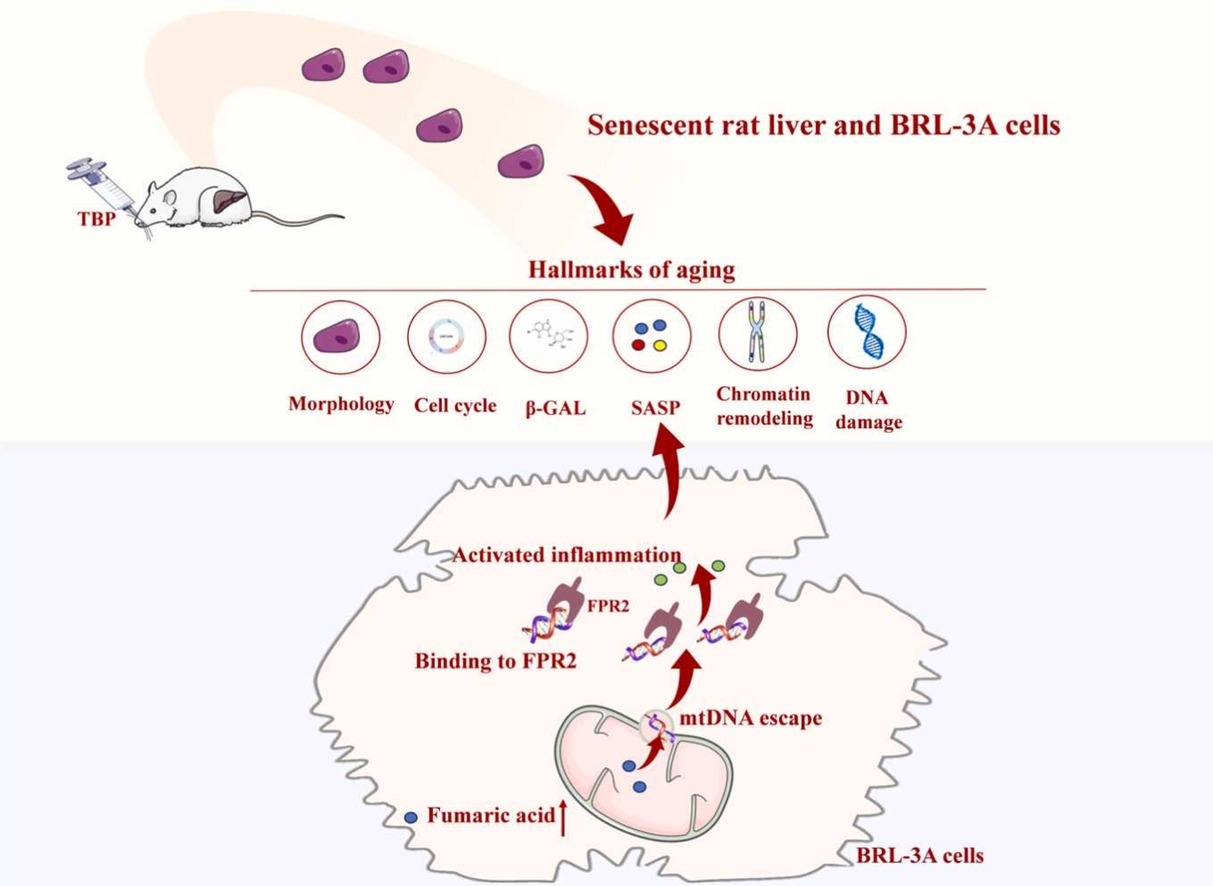
Researchers exposed rats and BRL-3A cells grown in the lab to tributyl phosphate in an animal-and-cell experiment. They assessed liver aging through changes in metabolism, cell structure, DNA damage and senescence, a state in which cells stop dividing.
Exposure reduced a protein involved in DNA packaging in rat livers and cells. The researchers reported that tributyl phosphate increased fumarate, a substance involved in cell metabolism. They concluded that this prompted DNA to escape from mitochondria, the cell’s energy-producing structures, and activated FPR2, a protein that receives signals, triggering liver aging in rats. Further experiments targeting this pathway reversed the reported changes in BRL-3A cells.
Why it matters
Liver aging can involve liver failure and dysfunction in other organs. The study addresses how environmental exposures might contribute to this process, beyond the passage of time.
Caveats
The aging assessment relied on cellular and molecular measures. The results came from rats and cells grown in the lab, not people.
The paper
Jilin University
Ecotoxicology and Environmental Safety, 9 Oct 2026