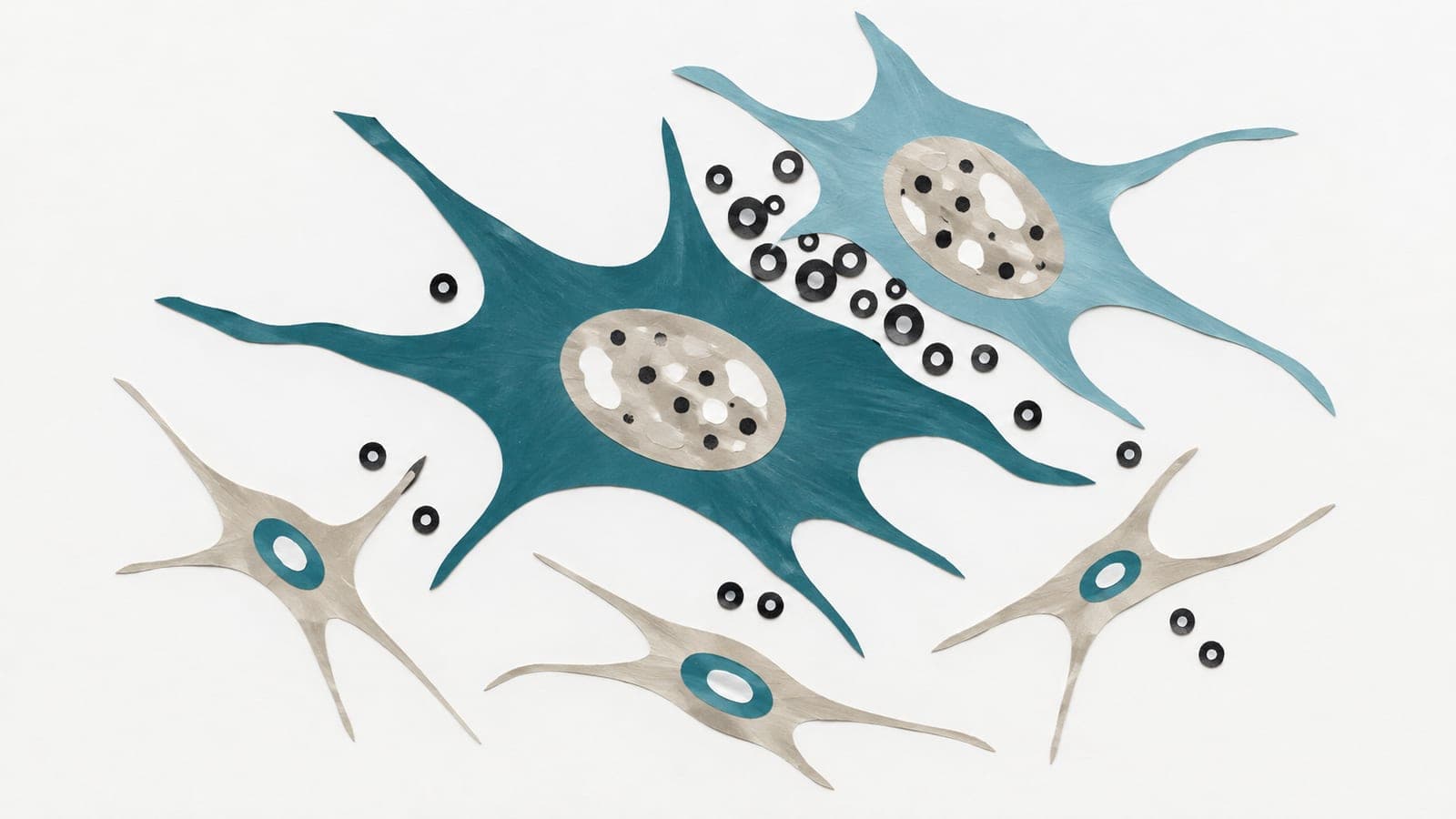
Gut Microbiota Production of Phenylacetate Programs Vascular Niche Senescence and Drives Atherosclerosis
Abstract
Summary Vascular senescence is a key contributor to ageing-related diseases, including atherosclerosis. Initial intervention is based on aggressive management of traditional risk factors, yet microbial metabolites remain underestimated as modifiable factors. We recently identified phenylacetate (PAA), a gut microbiota–linked metabolite, as a potent accelerator of endothelial senescence, raising the question of its causal role in atherosclerosis. Here, we show that PAA promotes vascular niche senescence and perivascular adipose tissue (PVAT) dysfunction, associated with atherosclerosis in humans and mice. Furthermore, PAA administration to atherosclerosis-prone mice was sufficient to drive atherosclerosis without altering lipid profile. Mechanistically, we found that PAA induces senescence-messaging secretome, containing IL-6, from endothelial cells, which stimulates Notch1 and disrupts insulin signaling in adipocytes. Blocking the PAA–IL-6–Notch1 axis as well as senolytics rescued adipocyte senescence and dysfunction. Identification of the strong link between PAA and atherosclerosis opens new avenues for microbiome-targeted preventive and therapeutic strategies in ageing. Highlights Age-dependent increase in gut microbial metabolite PAA causally promotes vascular niche senescence PAA indirectly accelerates PVAT senescence through endothelial senescence-messaging secretome SASP upregulates Notch1 signaling, leading to PVAT dysfunction Senolytic therapy restores PVAT function PAA-induced vascular niche senescence contributes to atherosclerosis progression
The paper
University of Zurich
bioRxiv, 2 Mar 2026, Preprint, not peer-reviewed