Statin-exposed liver cells impaired muscle formation in the lab
Experiments with lab-grown liver and muscle cells linked statin exposure to lower levels of insulin-like growth factor-1, a growth signal.
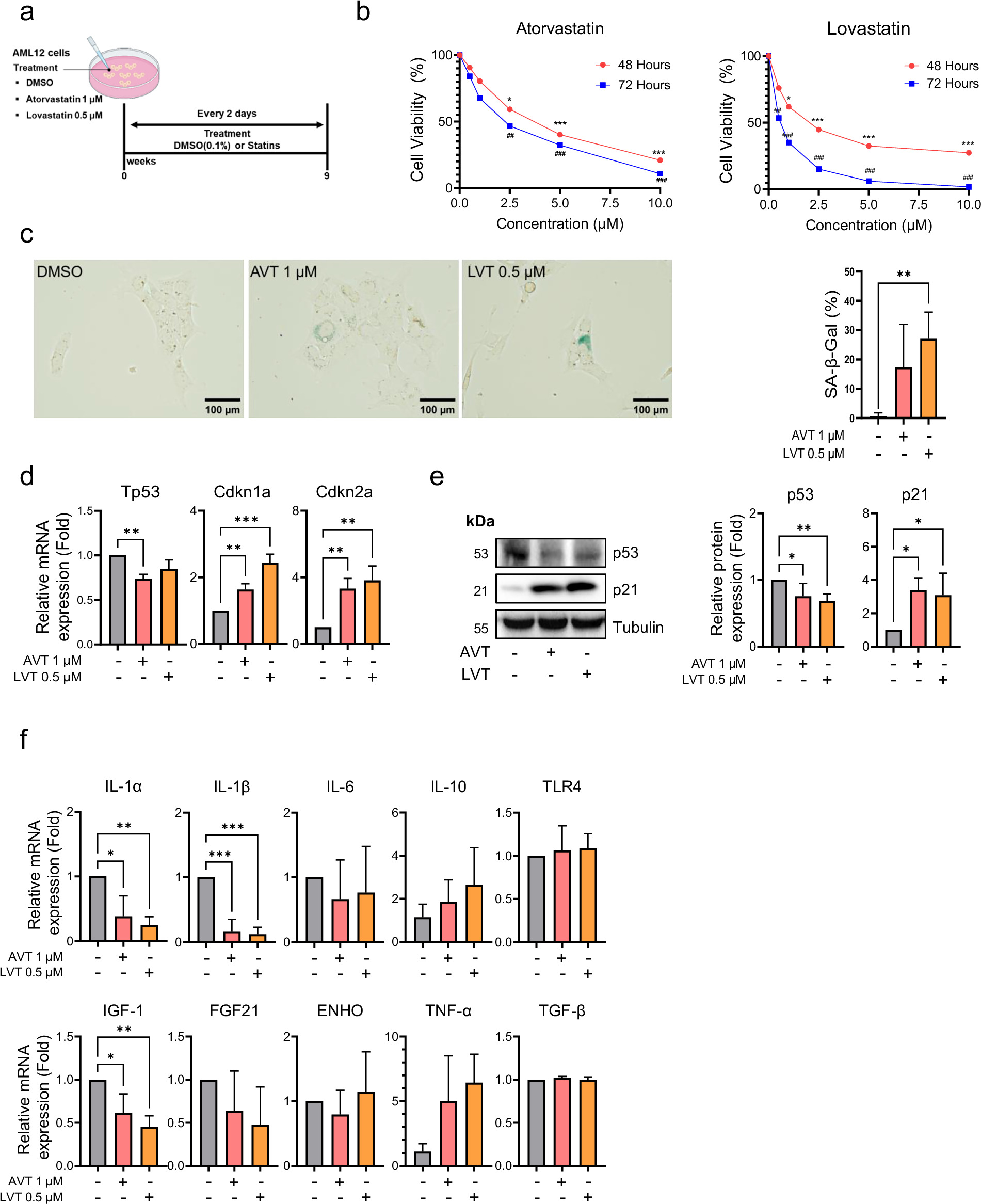
Experiments with AML12 hepatocytes, liver cells grown in the lab, and C2C12 muscle cells examined how statins affected liver-to-muscle signalling. Lovastatin and atorvastatin induced senescence, a state in which cells stop dividing, in liver cells. They also reduced insulin-like growth factor-1, a growth signal.
When researchers grew senescent liver cells alongside muscle cells, muscle formation was impaired. The tube-like structures formed by muscle cells were thinner. The abstract also reported lower circulating levels of the growth signal and smaller muscle fibres after exposure to lovastatin plus ezetimibe in a living-organism experiment. Together, the findings supported a proposed link in which liver-cell senescence reduced the growth signal, in turn impairing muscle formation and promoting muscle wasting.
Why it matters
Senescence is an aging-related cell state. The study raises the question of whether targeting it in the liver might help limit statin-associated muscle problems.
Caveats
The cell experiments cannot establish that the same mechanism operates in people taking statins. The abstract did not identify the organism used in the living-organism experiments.